English
 中文简体
Content
- 1 Cotton Jersey Is the Most Popular Type of Knit Fabric
- 2 Why Cotton Jersey Leads the Knit Fabric Market
- 3 How a Jersey Knit Is Built: Structure and Terms
- 4 Popular Knit Structures Compared
- 5 Fiber Content Changes the Story
- 6 Cotton Jersey Variations Worth Knowing
- 7 When Another Knit Structure Makes More Sense
- 8 How to Judge Knit Fabric Quality Before You Order
- 9 Common Sourcing Mistakes and How to Avoid Them
- 10 Frequently Asked Questions About Popular Knit Fabrics
- 10.1 What is the most popular type of knit fabric?
- 10.2 Does jersey always mean cotton?
- 10.3 What is the difference between jersey and interlock?
- 10.4 Why does a cotton jersey T-shirt twist after washing?
- 10.5 Which knit fabric is best for summer?
- 10.6 What does 40s mean in a fabric specification?
- 10.7 Is cotton spandex jersey still a cotton fabric?
- 10.8 What GSM is best for a standard men's T-shirt?
- 11 Questions to Ask Your Fabric Supplier
Cotton Jersey Is the Most Popular Type of Knit Fabric
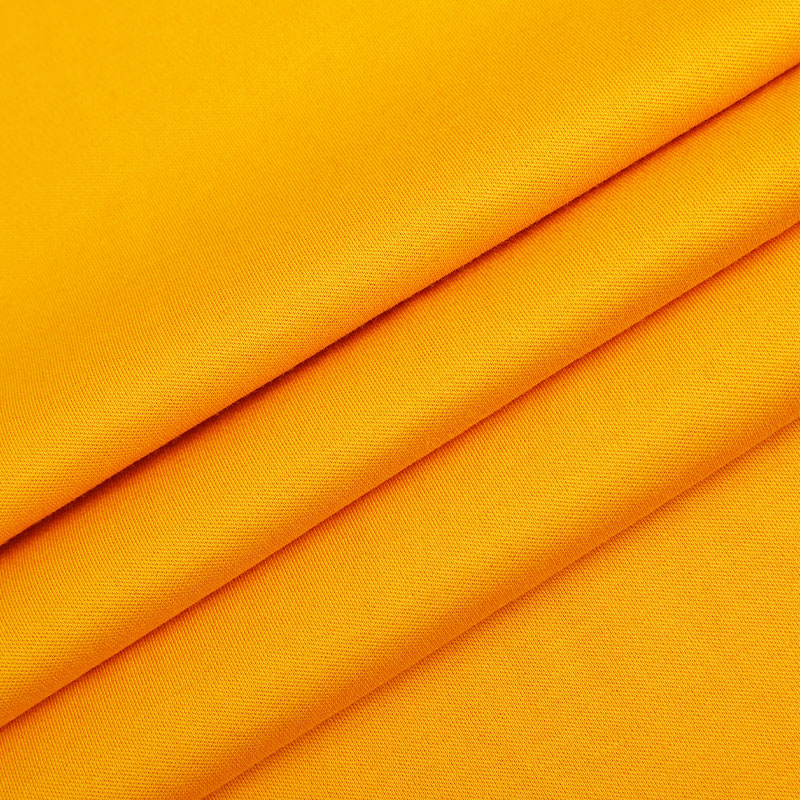
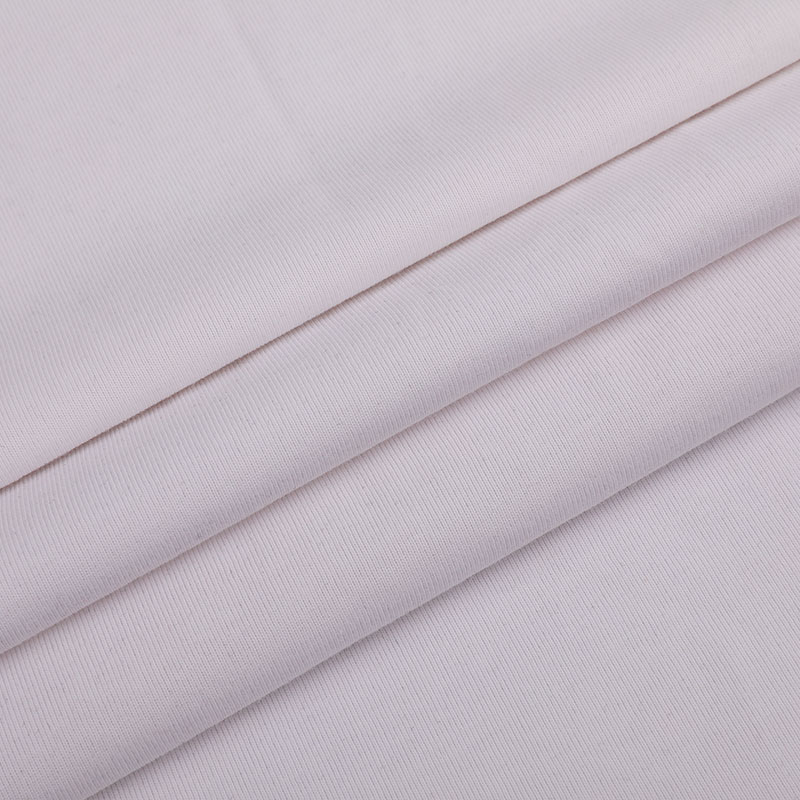
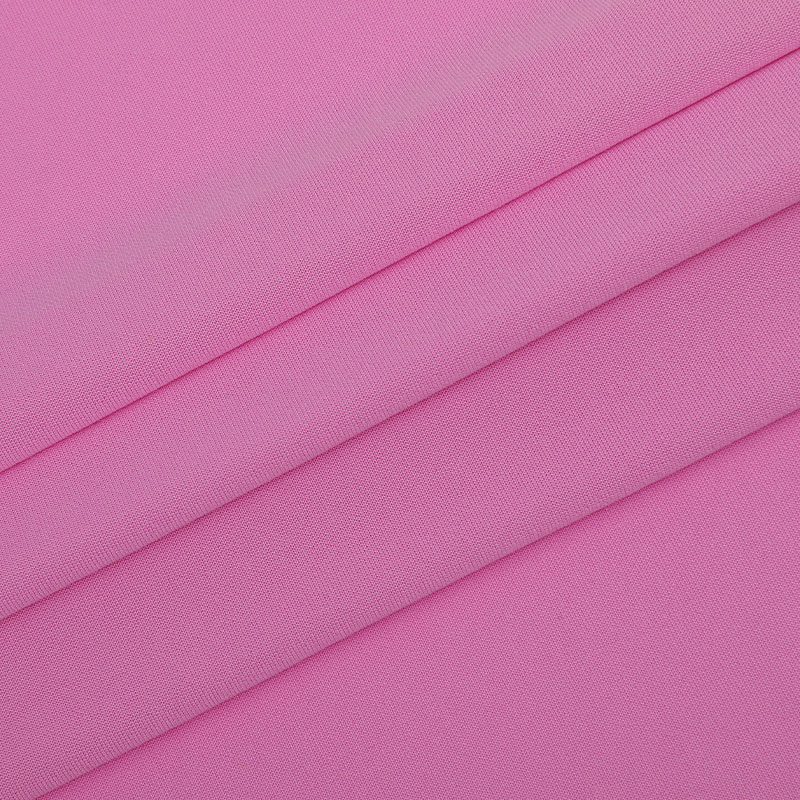
Cotton jersey, also called single jersey, is the most popular type of knit fabric in apparel production. It is the structure behind the majority of T-shirts, casual dresses, sleepwear, underwear, and knit tops sold around the world. The combination of a soft hand feel, natural elasticity, simple manufacturing, and predictable cost keeps it at the top of fabric order sheets season after season.
In textile terminology, jersey refers to a single-knit construction in which all loops face the same direction on the front and the opposite direction on the back. This creates a smooth face, a visibly different reverse side, and a fabric that stretches naturally in the width direction. When buyers ask for T-shirt fabric without naming a structure, they usually mean cotton jersey.
Why Cotton Jersey Leads the Knit Fabric Market
Jersey did not become the most popular knit fabric by accident. Its position is the result of a balance between comfort, machine efficiency, and material cost. Five factors explain why it appears more often than any other knitted structure.
- Comfort on the skin: Cotton single jersey has a smooth, non-irritating surface that works for underwear, childrenswear, and summer tops where fabric sits directly against the body.
- Breathability: The open loop structure allows air and moisture vapor to pass through, keeping the wearer cooler than most double-knit constructions of the same weight.
- Built-in stretch: The loop structure gives the fabric elasticity in the width direction without adding spandex. This simplifies sewing and lets the garment move with the body.
- Fast production: Single jersey runs on circular machines at high speed with a simple needle arrangement. The structure is stable during dyeing and finishing, which reduces defects and keeps lead times short.
- Design versatility: The smooth face accepts reactive prints, pigment prints, yarn-dyed stripes, and garment dyeing, giving brands a wide styling range on one base cloth.
Cost plays a decisive role. At the same finished thickness, jersey consumes less yarn per square meter than rib or interlock because it uses only one needle bed. The saving in yarn and machine time translates into a lower piece price. For large-volume categories such as basic T-shirts and loungewear, that price advantage carries enormous weight in buying decisions.
Jersey also dominates because it is easy to cut and sew. Its moderate stretch reduces the need for special machines, and its stable face accepts most industrial fusing tapes and placket constructions without distortion. Factories that switch between woven and knitted programs can handle jersey with minimal adjustment, which makes it a preferred option for mixed production lines.
How a Jersey Knit Is Built: Structure and Terms
Jersey is produced by feeding yarn to one set of needles on a circular knitting machine. Each needle forms a loop and passes it to the next course, creating a vertical chain of loops called a wale and a horizontal row called a course. The front of the fabric shows small V-shaped stitches; the back shows flatter horizontal loops. This front-and-back difference is the quickest way to identify a single jersey.
One structural behavior deserves attention: edge curling. Because all the loops face one direction, jersey naturally rolls toward the face at the edges when not stabilized by spandex or a finishing treatment. This curling can affect cutting efficiency, so garment factories usually flatten and pin the fabric before spreading. It is a characteristic of the structure, not a manufacturing flaw.
Two specification numbers define most jersey orders.
- Yarn count: In cotton, yarn count is written as 21s, 32s, 40s, or 50s. The higher the number, the finer the yarn. A 21s yarn gives a heavier, more casual touch; 40s and 50s deliver a smooth, silky surface used for women's tops and premium basics.
- Fabric weight: Jersey weight is measured in grams per square meter (GSM). Lightweight jersey of 120–150 GSM suits summer blouses; 160–180 GSM is the classic T-shirt range; 200 GSM and above is used for autumn dresses and heavier leisurewear.
The relationship between yarn count, structure, and finished weight is the first conversation a fabric developer has with a supplier. If you want to understand how these three variables interact, our guide to jersey knit cotton fabric structure and sourcing walks through the specification process with practical examples.
Popular Knit Structures Compared
Jersey holds the top position, but other knit structures appear constantly in apparel orders. The choice among them is usually determined by the garment's fit, thickness, and the image the brand wants to project. The table below summarizes the most common options.
| Structure | Appearance | Stretch | Typical use | Weight range |
|---|---|---|---|---|
| Single jersey | Smooth face, visible purl back | Moderate widthwise | T-shirts, dresses, underwear, tops | 120–220 GSM |
| Rib | Vertical wales on both sides | High both ways | Cuffs, collars, fitted tops, loungewear | 140–260 GSM |
| Interlock | Same face on both sides, dense | Lower, more stable | Polo shirts, babywear, layering pieces | 160–280 GSM |
| Pique | Grid or waffle-like texture | Low to moderate | Polo shirts, structured sports tops | 180–240 GSM |
| French terry | Flat face, looped back | Moderate | Hoodies, sweatshirts, loungewear | 240–320 GSM |
| Fleece | Flat face, brushed back | Moderate | Hoodies, sweatpants, outerwear | 260–360 GSM |
| Ponte | Double-faced, smooth and firm | Low, good recovery | Trousers, blazers, structured dresses | 220–300 GSM |
| Air layer | Thick, spacer-like center | Low | Winter jackets, coats, cold-weather outerwear | 300–500 GSM |
If you are evaluating a structure for a new seasonal product, consider how much stretch your design needs, whether the fabric will be worn against the skin, and how thick the final garment should be. A broader review of ten knit fabric types and how to choose between them can help you position your next collection against these trade-offs.
Fiber Content Changes the Story
Structure determines how a fabric behaves when stretched or sewn; fiber determines how it feels after a day of wear. The same jersey structure behaves completely differently in 100% cotton, polyester, Lenzing Modal, linen, or bamboo. Cotton is still the most popular fiber for knit fabrics, especially in warm-weather and next-to-skin garments, but blends have expanded the options considerably.
| Fiber | Key strengths | Limitations | Best suited for |
|---|---|---|---|
| Cotton | Breathable, absorbent, soft, easy to print | Shrinks, wrinkles, slower drying | Daily basics, underwear, childrenswear |
| Polyester | Durable, quick drying, holds shape | Less breathable, can pill | Sportswear, outerwear, uniform layers |
| Lenzing Modal | Very soft, smooth drape, vivid color | Higher cost, delicate care | Women's tops, pajamas, premium basics |
| Lenzing Tencel | Silky feel, temperature regulation | Higher cost, requires careful finishing | Dresses, blouses, premium casual wear |
| Linen | Cooling, textured, natural luster | Crisp hand, creases easily | Summer tops, resort wear, shirts |
| Bamboo | Soft, smooth, naturally breathable | Slippery surface, variable cost | Loungewear, underwear, eco-focused ranges |
| Wool | Warm, elastic, odor resistant | Special care, higher price | Autumn and winter knitwear |
Most commercial orders use blends rather than pure fibers. CVC, in which cotton is the majority fiber blended with polyester, improves drying speed and reduces shrinkage while keeping a cotton-like hand. Cotton-Modal softens the fabric for drape-oriented cuts. Linen-Tencel combines the cool texture of linen with the smoothness of Tencel. The fiber blend decision comes first, and the structure decision follows.
Cotton Jersey Variations Worth Knowing
Cotton jersey is not one single fabric. The same 32s cotton yarn can be knitted into a compact everyday jersey, a heathered slub surface, a stretch version with spandex, or a heavier double-sided cloth. These variations change the look, the fit, and the production cost of the final garment.
Combed versus carded cotton
Combed cotton, written as JC in specifications, goes through an extra combing step that removes short fibers before spinning. The resulting yarn is smoother, stronger, and less prone to pilling. Carded cotton is cheaper and has a slightly more textured surface. For garments worn close to the skin, especially babywear and underwear, combed yarn is the safer choice; for layered casual items, carded cotton can meet the performance requirement at a lower price.
Yarn count and weight pairing
A 21s yarn produces a thicker, more casual jersey at 180–220 GSM. A 32s yarn is the workhorse count for basic T-shirts in the 150–180 GSM range. A 40s yarn produces a fine, silky surface around 130–160 GSM, and 50s is reserved for lightweight women's tops. The correct pairing depends on the pattern: oversized silhouettes need body and can handle heavier weights, while fitted cuts benefit from a lighter, more flexible fabric.
CVC and cotton-poly blends
CVC means the cotton proportion is above 50 percent, commonly 60 percent cotton and 40 percent polyester. It keeps a natural hand and absorbs moisture better than pure polyester, while reducing shrinkage and improving printing clarity. For high-volume basics, CVC jersey is one of the most common compromises between cost and performance.
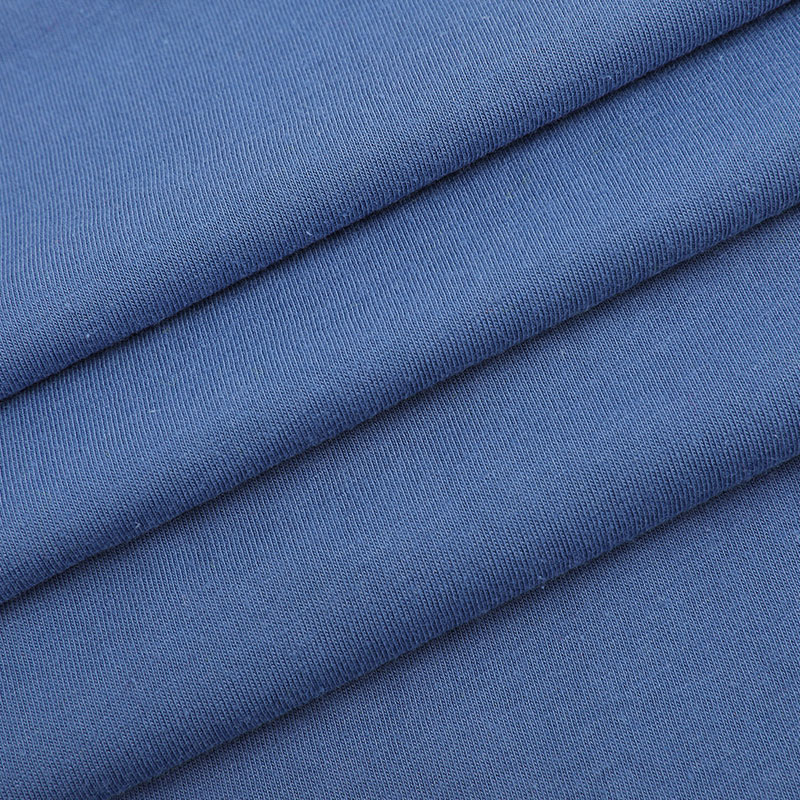 32s CVC Single Jersey with 60% Cotton BlendA balanced cotton-polyester jersey for high-volume basics, offering natural hand, reduced shrinkage, and improved print clarity at a cost-effective price.View Product →
Cotton jersey with spandex
Adding 20d or 30d spandex gives jersey a tighter fit, better shape recovery, and less edge curling. This is the standard fabric for fitted T-shirts, yoga tops, bodysuits, and baby garments that must stay in place during movement. Spandex content between 3 and 6 percent is typical; higher ratios are reserved for activewear with compression requirements.
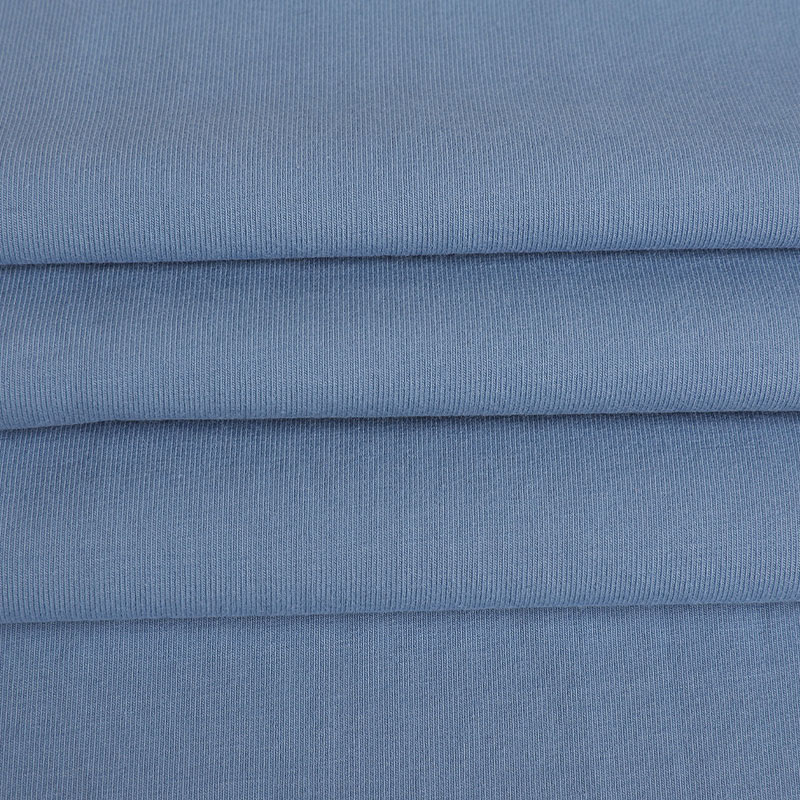 40s Combed Cotton Spandex Single JerseyStretchy recovery fabric with 5% spandex, ideal for fitted t-shirts, tops, and dresses where shape retention and close fit are required.View Product →
Slub and melange jersey
Slub yarn is spun with intentional thickness variations, creating an irregular surface with a linen-like texture. Melange yarn mixes fibers of different colors before spinning, which produces a heathered, yarn-dyed appearance without extra dyeing cost. Both offer an easy way to give a basic jersey garment a distinct design identity.
When Another Knit Structure Makes More Sense
Jersey's popularity does not mean it fits every product. Some garments need stronger recovery, a firmer hand, or more insulation than jersey can provide. The following structures solve those problems.
Rib for recovery and form-fitting edges
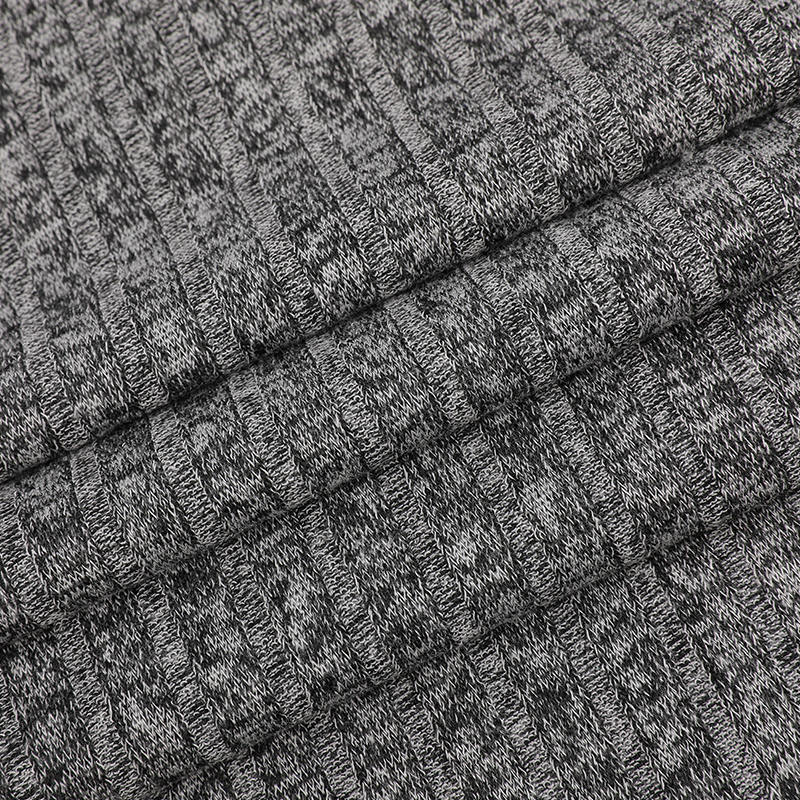
Rib knit alternates knit and purl wales, producing vertical ribs on both sides. It stretches and recovers better than jersey, which is why it is used for cuffs, collars, and close-fitting garments. A 1x1 rib in combed cotton is the standard trim specification; 2x2 ribs with spandex are common for turtlenecks and body-hugging loungewear.
Pique for polo shirts and structured tops
Pique's grid texture resists clinging, and its firm surface holds collar and placket shapes well. That is why polo shirts remain a pique product even though jersey dominates most other tops categories.
Interlock is formed by two needle beds that knit two layers simultaneously, so the fabric looks the same on both sides and does not curl. It feels thicker, drapes with more body, and shows lower shrinkage than jersey. For brands that want a heavier T-shirt without the casual look of terry, interlock is the common answer.
French terry and fleece for loungewear
French terry keeps a smooth technical face with loops on the reverse side, making it the default for hoodies and track tops in mild weather. Brushing the back produces fleece, which traps more air and adds warmth for colder months. Both categories have grown faster than most classic knit fabrics in recent years as casual wear expanded.
Air layer for winter outerwear
Air layer fabric, sometimes called spacer fabric, has a thick center of connecting yarns that creates a three-dimensional structure. It provides insulation with less bulk than fleece layers, and it works well with lamination for windproof outerwear. Winter coat programs increasingly rely on this structure.
How to Judge Knit Fabric Quality Before You Order
When the most popular knit fabric is ordered in volume, tiny specification differences produce large differences in the finished garment. A fabric that looks good on a sample swatch can fail badly after cutting if the weight, shrinkage, or stability is off. Checking these five quality indicators prevents most common failures.
Fabric weight tolerance
Weight is measured with a GSM cutter and a precision scale. A dependable supplier holds the target within roughly ±5 percent. If a 160 GSM jersey is delivered at 145 GSM, the garments will be thinner and more transparent than the approved sample, and the problem may not be visible until the pieces are sewn and steamed.
Wash shrinkage
Knit fabrics relax and shrink after the first wash. Untreated cotton jersey typically shrinks 3–6 percent. Pattern grading must account for this in advance. Ask for shrink data in both length and width, and wash a production length exactly the way the end consumer will.
Spirality and torque
Single jersey has an inclined loop structure, so the fabric can twist after washing if the yarn twist and finishing are not controlled. The test is simple: cut a 50 cm square, wash and dry it twice, then measure the offset of the side edges. A skew under 5 percent is acceptable for most apparel programs; larger values create distorted side seams.
Pilling resistance
Pilling occurs when loose fibers tangle into small balls on the surface. Combed yarn, compact spinning, and anti-pill finishing all reduce this risk. For everyday categories like T-shirts and loungewear, request a pilling rating of at least 3 on the standard 1–5 scale.
Color fastness and batch consistency
Check crocking, perspiration fastness, and lightfastness before approving a bulk order. Also verify that the fabric width, weight, and shade remain consistent from one dye lot to the next. Batch variation is one of the most common reasons a reorder does not match the original production.
Common Sourcing Mistakes and How to Avoid Them
Most knit fabric problems are not caused by the knitting machine; they are caused by unclear specifications and untested assumptions. Below are the patterns that appear most often in fabric sourcing conversations.
- Ordering by GSM alone: Two fabrics at the same 160 GSM can feel completely different if one is made from 21s yarn and the other from 40s. Always specify yarn count, fiber blend, and structure.
- Skipping the wash test: Approving dry samples creates shrinkage surprises. Wash the sample, measure it again, and make decisions based on the washed result.
- Mismatching yarn count to end use: A fine 50s jersey used for an oversized streetwear piece may wear through quickly because the yarn is too fine for that seam stress.
- Ignoring streaks and shade variation: Circular machines can leave vertical streaks when needles or feeders are worn. Inspect the fabric on a flat table under standardized light before cutting.
- Choosing the lowest price without understanding finishing: A low piece price often means singeing, compacting, or anti-pill treatments were skipped. These steps decide how the fabric performs after ten washes.
Frequently Asked Questions About Popular Knit Fabrics
What is the most popular type of knit fabric?
Cotton jersey, also called single jersey, is the most widely produced knit fabric for apparel. It is the standard choice for T-shirts, tops, dresses, and underwear because of its softness, breathability, reasonable price, and compatibility with printing and garment dyeing.
Does jersey always mean cotton?
No. Jersey refers to the knit structure, not the fiber. Most jersey is made from cotton, but polyester, Lenzing, linen, bamboo, and wool jersey fabrics are all produced. Cotton holds the largest share, but sportswear and performance lines are typically made from polyester jersey.
What is the difference between jersey and interlock?
Jersey is a single knit with distinct front and back sides and a natural edge curl. Interlock is a double knit made with two needle beds; it looks the same on both sides, does not curl, and has a denser, more stable hand. Interlock costs more because it uses more yarn and takes longer to knit.
Why does a cotton jersey T-shirt twist after washing?
Twisting, also called torque or skew, comes from the inclined loop structure of single knit. It can be reduced with lower-twist yarn, balanced knitting tension, and compacting finishing. Some residual twist is normal for jersey; excessive twist indicates a control problem in production.
Which knit fabric is best for summer?
Cotton jersey at 120–150 GSM is the most common warm-weather knit. Linen jersey and linen-Tencel blends run cooler because the fibers channel heat and moisture away from the skin more effectively. Bamboo jersey also feels cool to the touch.
What does 40s mean in a fabric specification?
The s indicates the English cotton count, a measure of yarn fineness. A higher number means a finer and lighter yarn. 40s cotton produces a smooth, compact surface and is widely used for women's tops and premium T-shirts.
Is cotton spandex jersey still a cotton fabric?
Cotton spandex jersey contains a small proportion of spandex, usually 3–6 percent, to add stretch and recovery. The fabric is still called cotton spandex jersey, and the exact composition is normally disclosed, such as 95 percent cotton and 5 percent spandex.
What GSM is best for a standard men's T-shirt?
Most standard men's T-shirts use cotton jersey of 160–180 GSM. A 160 GSM fabric is lighter and more breathable; 180 GSM feels more substantial and hides skin texture better. Both are within the normal range for everyday T-shirt production.
Questions to Ask Your Fabric Supplier
Whether you are ordering cotton jersey for a repeat T-shirt program or a specialty structure for a new line, a written specification protects both sides. The list below covers the information every knit fabric purchase order should contain.
- What is the exact fiber composition? Name the cotton percentage, polyester percentage, spandex percentage, and whether the cotton is combed or carded.
- What yarn count and structure are used? Confirm single jersey, rib, interlock, pique, or a derivative construction in writing.
- What is the finished weight in GSM, and what tolerance applies? A typical tolerance is ±5 percent, but it should be explicit.
- What is the wash shrinkage in length and width after three wash cycles? Ask for the test method and the report.
- Which finishing processes are included? List compacting, singeing, mercerizing, brushing, anti-pill, and softening treatments.
- What are the color fastness requirements? Confirm perspiration, crocking, water, and lightfastness ratings appropriate to the garment's use.
- How will the fabric be packed? Tube or open width, roll length, piece joining policy, and carton packing affect cutting efficiency and fabric utilization.
- What is the lead time from approval to delivery? Include sample approval, dye lot confirmation, production, and transit time to your destination.
Experienced suppliers, especially manufacturers with their own development and production teams, respond to these questions with specific data instead of general assurances. Send the full specification list before requesting a quote. That single step eliminates most misunderstandings, keeps the price comparable, and makes the final inspection far easier for both sides.