

 English
 中文简体
中文简体 +86-13967368270
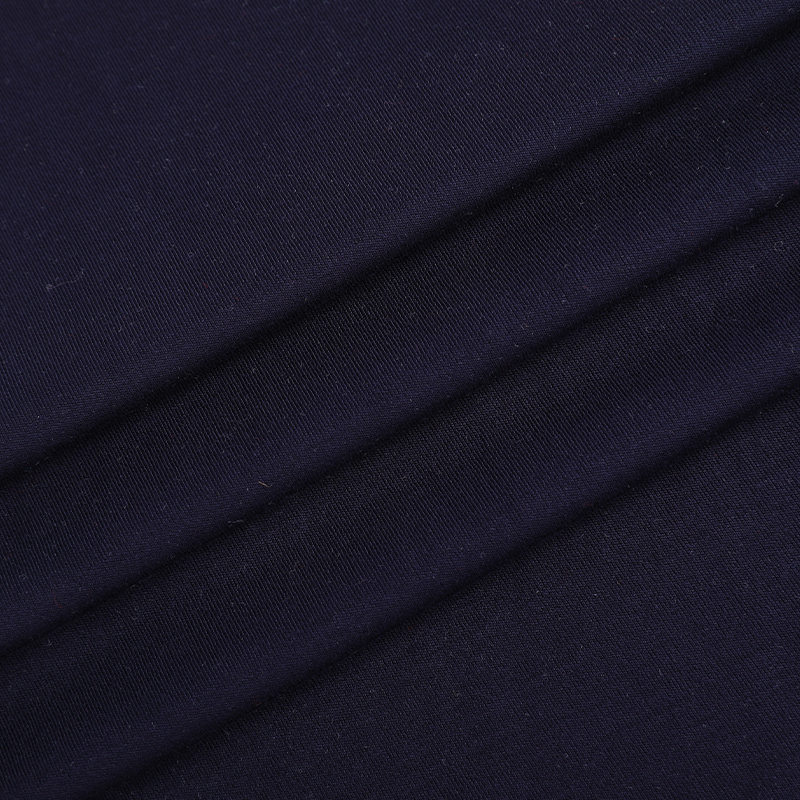
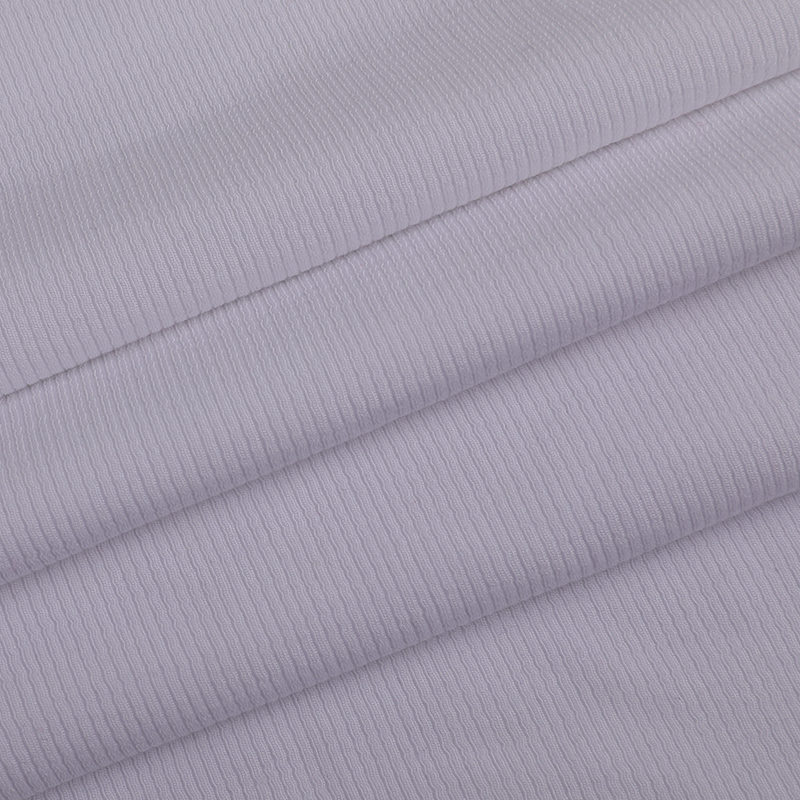
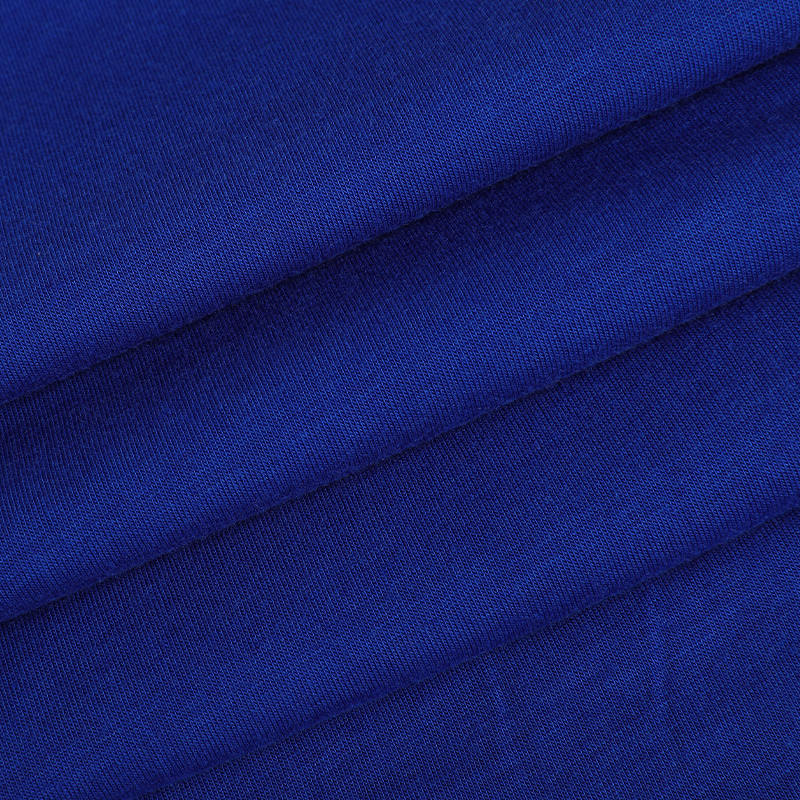
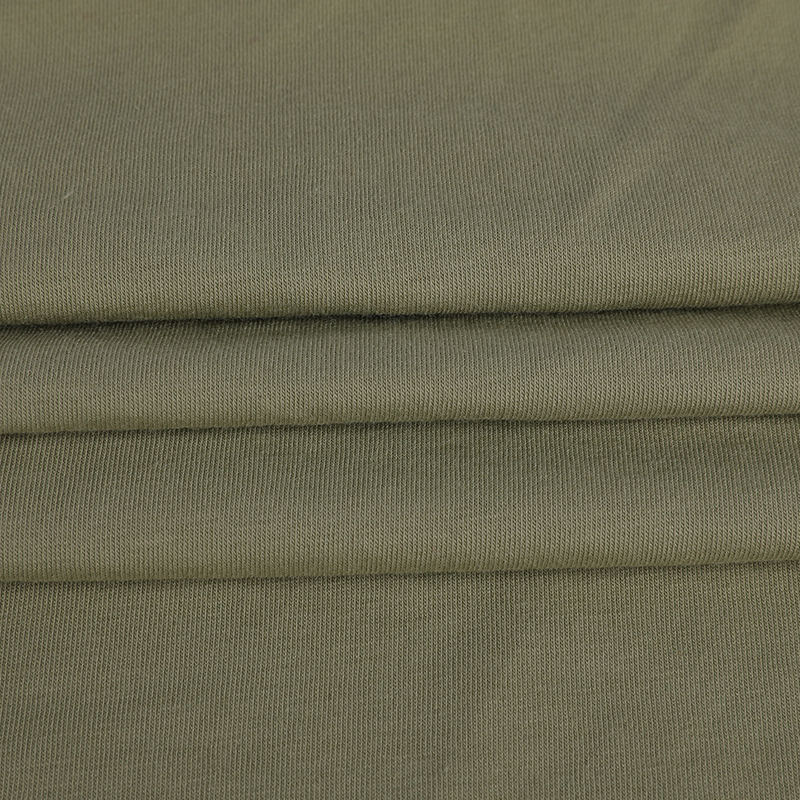
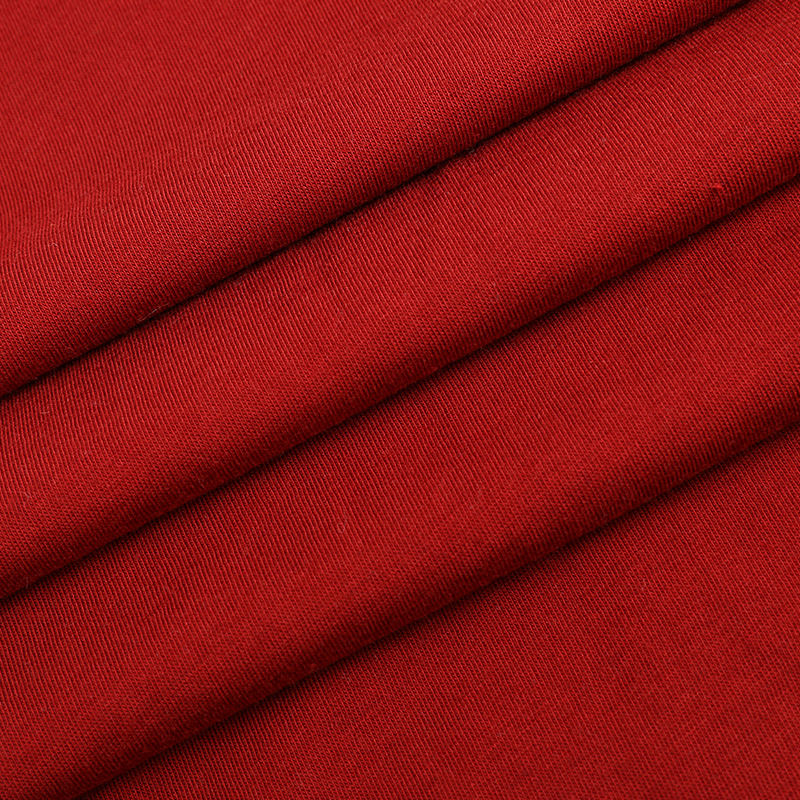
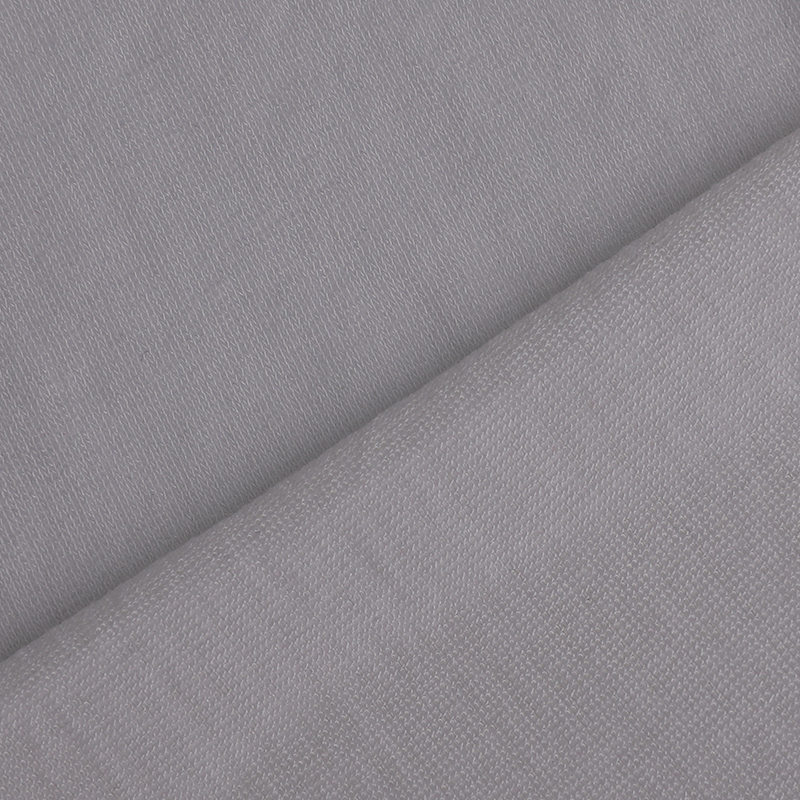
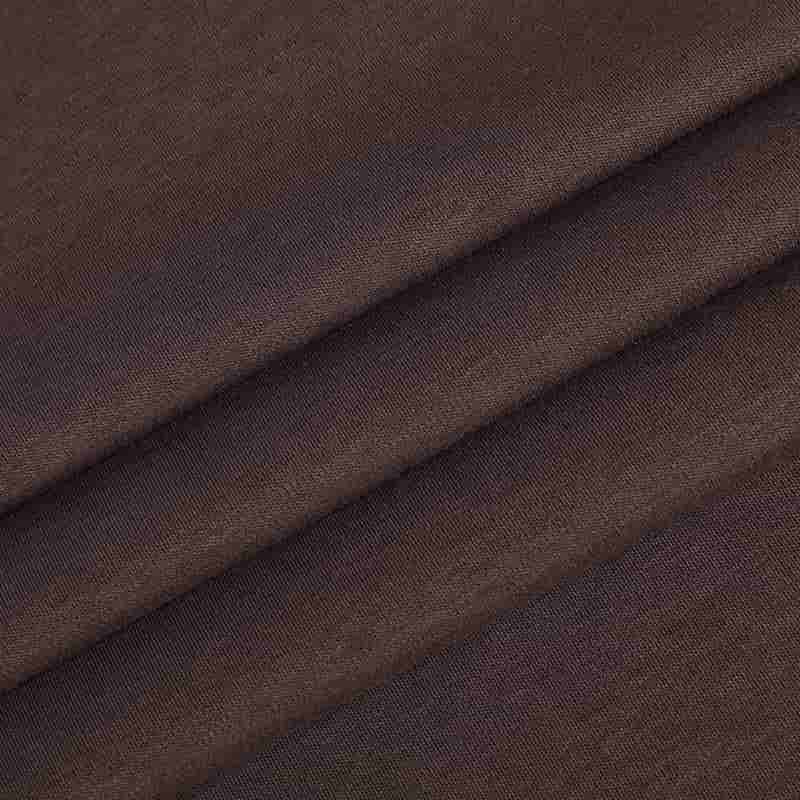
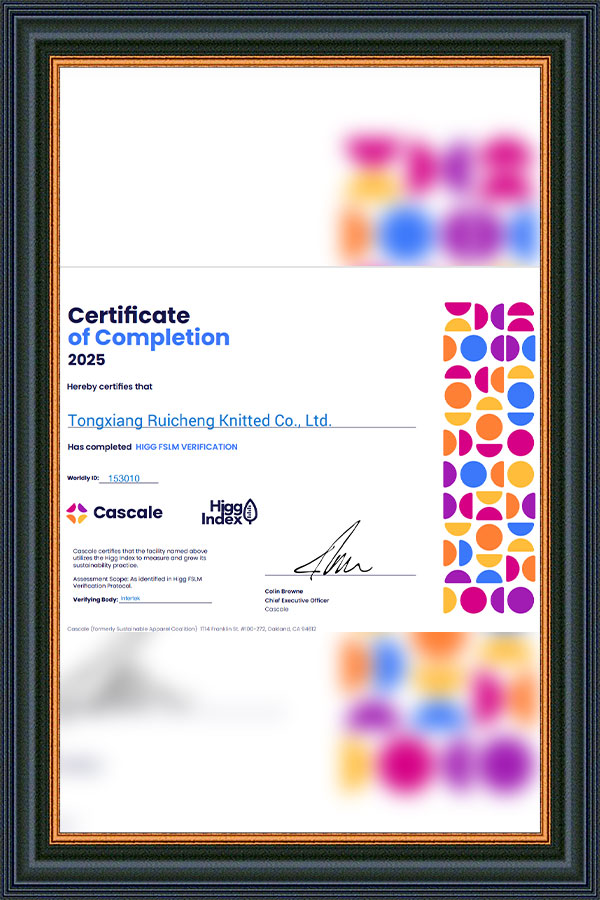
Contact Us for more details
Want to know more? Message Us Right Now!
Ten Knit Fabric Types: The Short Answer Ask ten mills to name the ten types of knit fabric and you will get ten slightly different lists. The list used here is the one that maps onto real production floors: single jersey, rib, interlock, pique, terry and fleece, ponte de Roma, waffle, bird's eye mesh, air layer and ja...
A sourcer opens a courier parcel and pulls out a swatch labeled cotton knit. The tech pack says 100% cotton. The lab report on the next page reads 94.6% cotton and 5.4% elastane. The color is right, the hand feel is right, and the order is still on hold because three words and one number do not agree with each other. ...
Cotton knit is a soft, stretchy fabric made by looping cotton yarns together rather than weaving them over and under. That single structural fact explains most of what buyers, designers, and product developers notice in the material: it stretches, it breathes, it drapes, and it can be engineered into very different we...
Want to know more? Message Us Right Now!
Lenzing Modal is a high-end regenerated cellulose fiber developed and produced by Lenzing AG, using natural beechwood as its primary raw material. It belongs to the family of viscose-type fibers but is widely considered a premium upgraded version due to its superior softness, higher strength, and better dimensional stability. In the modern textile industry, Modal has become a core material for brands that pursue both comfort and sustainability.
From a structural perspective, Lenzing Modal is made by dissolving purified cellulose from beechwood into a spinning solution and then regenerating it into fine fibers. This process retains the natural origin of the material while allowing engineers to optimize performance characteristics. Compared with conventional cotton, Modal fibers are smoother and more uniform, which results in fabrics with a silk-like touch and reduced surface friction.
In practical textile applications, Modal is especially valued for its exceptional softness and long-lasting comfort. Even after multiple washing cycles, fabrics made from Modal tend to maintain their original texture, which makes it highly suitable for garments worn close to the skin. Many textile manufacturers integrate Modal into blended fabrics to enhance drape, breathability, and comfort performance.
At the production and supply chain level, companies such as Tongxiang Ruicheng Knitting Co., Ltd. play an important role in transforming raw Modal fibers into knitted fabrics. By using advanced knitting machinery and strict quality control systems, the company ensures that Modal yarns are efficiently converted into high-quality fabric structures suitable for apparel, underwear, and home textile markets.
| Feature | Lenzing Modal Performance |
|---|---|
| Raw Material | Sustainable beechwood pulp |
| Fiber Type | Regenerated cellulose fiber |
| Softness | Extremely high, silk-like |
| Skin Comfort | Excellent for direct skin contact |
| Shrink Resistance | Better than cotton and viscose |
| Typical Use | Apparel, underwear, home textiles |
The combination of natural origin and engineered performance makes Lenzing Modal a key material in the transition toward more sustainable textile production systems.
FAQ – Lenzing Modal Overview
Q1: Is Lenzing Modal natural or synthetic?
It is a regenerated cellulose fiber made from natural wood pulp, so it is neither fully natural nor fully synthetic.
Q2: Why is Modal softer than cotton?
Because its fiber structure is smoother, more uniform, and contains fewer impurities than natural cotton fibers.
Q3: Is Modal suitable for knitting fabrics?
Yes, especially when processed by knitting manufacturers like Tongxiang Ruicheng Knitting Co., Ltd., it performs very well in stretch and comfort fabrics.
The production of Lenzing Modal begins with carefully selected beechwood sourced from sustainably managed forests. The wood is first processed into high-purity cellulose pulp. This pulp undergoes a controlled dissolution process where it is transformed into a viscous spinning solution. The solution is then extruded through fine spinnerets to form fibers, which are subsequently washed, stretched, and dried.
One of the most important technological features of Lenzing Modal is its environmentally responsible closed-loop production system. In this system, solvents used in fiber production are recovered and reused multiple times, significantly reducing environmental impact and improving resource efficiency. This makes Modal not only a high-performance fiber but also a sustainable textile material aligned with global environmental standards.
In terms of performance, Lenzing Modal demonstrates several key advantages that distinguish it from conventional viscose and even cotton:
First, it offers high wet strength, meaning the fiber maintains structural integrity even when exposed to water. This reduces deformation during washing and extends garment lifespan. Second, Modal provides excellent softness retention; fabrics remain smooth and comfortable over time, which is particularly important for underwear and loungewear. Third, it has superior dye absorption properties, allowing fabrics to achieve deep, vibrant, and long-lasting colors.
In industrial applications, textile manufacturers such as Tongxiang Ruicheng Knitting Co., Ltd. often blend Modal with cotton, spandex, or polyester to optimize fabric performance. For example, combining Modal with spandex improves elasticity, while blending with cotton enhances cost efficiency and breathability balance.
| Performance Aspect | Modal Advantage |
|---|---|
| Wet Strength | High durability when wet |
| Softness Retention | Remains smooth after washing |
| Color Fastness | Excellent dye retention |
| Breathability | Strong air permeability |
| Environmental Impact | Low due to closed-loop system |
Another important advantage is its dimensional stability, meaning garments made from Modal are less likely to shrink or lose shape. This is especially valuable for knitted fabrics, where structure stability directly affects product appearance and fit consistency.
FAQ – Manufacturing & Performance
Q1: Is Modal environmentally friendly?
Yes, because it uses renewable wood and a closed-loop production system that reduces chemical waste.
Q2: Can Modal be blended with other fibers?
Yes, it is commonly blended with cotton, polyester, and spandex to improve fabric performance.
Q3: Why do knit factories prefer Modal?
Because companies like Tongxiang Ruicheng Knitting Co., Ltd. can produce stable, soft, and high-quality knitted fabrics using Modal yarns.
Lenzing Modal is widely used across the global textile industry due to its unique combination of softness, durability, and eco-friendly characteristics. It has become a preferred material for brands focusing on premium comfort clothing and sustainable fashion.
In apparel applications, Modal is commonly used in underwear, loungewear, T-shirts, leggings, and sleepwear. Its smooth fiber surface reduces skin irritation, making it especially suitable for sensitive skin products. In sportswear and athleisure, Modal is often blended with elastic fibers to provide both flexibility and moisture management.
Home textiles also benefit from Modal’s properties. Bed sheets, pillowcases, and lightweight blankets made with Modal are highly breathable and comfortable, improving sleep quality. Compared with traditional cotton products, Modal textiles feel cooler and softer against the skin.
From a manufacturing perspective, Tongxiang Ruicheng Knitting Co., Ltd. integrates Modal fibers into advanced knitting production lines to produce high-quality fabrics for international markets. Through precise yarn selection, knitting density control, and finishing processes, the company ensures that Modal-based fabrics meet the demands of both fashion brands and functional textile applications.
| Application Area | Modal Benefit |
|---|---|
| Underwear | Ultra-soft skin contact comfort |
| Loungewear | Breathability and relaxation |
| Sportswear | Moisture absorption and flexibility |
| Bedding | Smooth and cooling touch |
| Fashion apparel | Premium drape and appearance |
Sustainability is one of the most important reasons why Modal has gained global attention. Its production relies on renewable wood sources and environmentally optimized manufacturing systems. Compared with synthetic fibers such as polyester, Modal has a significantly lower environmental footprint and is biodegradable under appropriate conditions.
The increasing demand for eco-friendly materials has encouraged more textile companies to adopt Modal in their product lines. This trend aligns with global efforts toward reducing carbon emissions and promoting sustainable consumption.
FAQ – Applications & Sustainability
Q1: What products commonly use Lenzing Modal?
It is widely used in underwear, T-shirts, sportswear, and home textiles.
Q2: Is Modal better than polyester?
For comfort and breathability, yes. Polyester is more durable in heavy-duty use, but Modal is more comfortable and eco-friendly.
Q3: How does Tongxiang Ruicheng Knitting Co., Ltd. use Modal?
The company processes Modal yarn into knitted fabrics for apparel and home textile manufacturers, focusing on comfort and quality consistency.
ALL RIGHTS RESERVED:Tongxiang Ruicheng Knitting Co., Ltd.
 Wholesale Lenzing Modal Fabric Manufacturers

 CONTACT US