

 English
 中文简体
中文简体 +86-13967368270
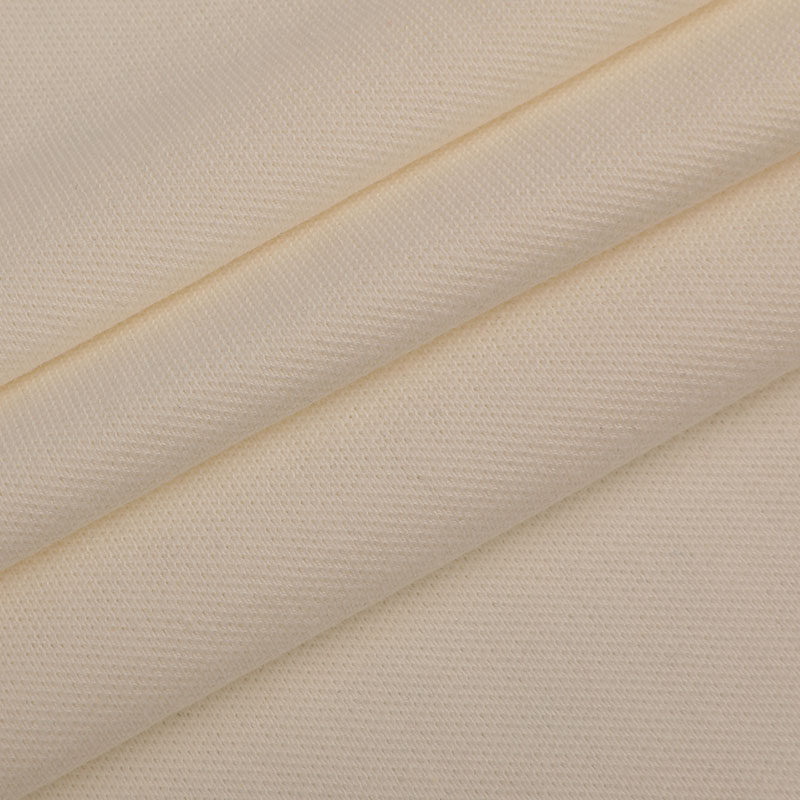
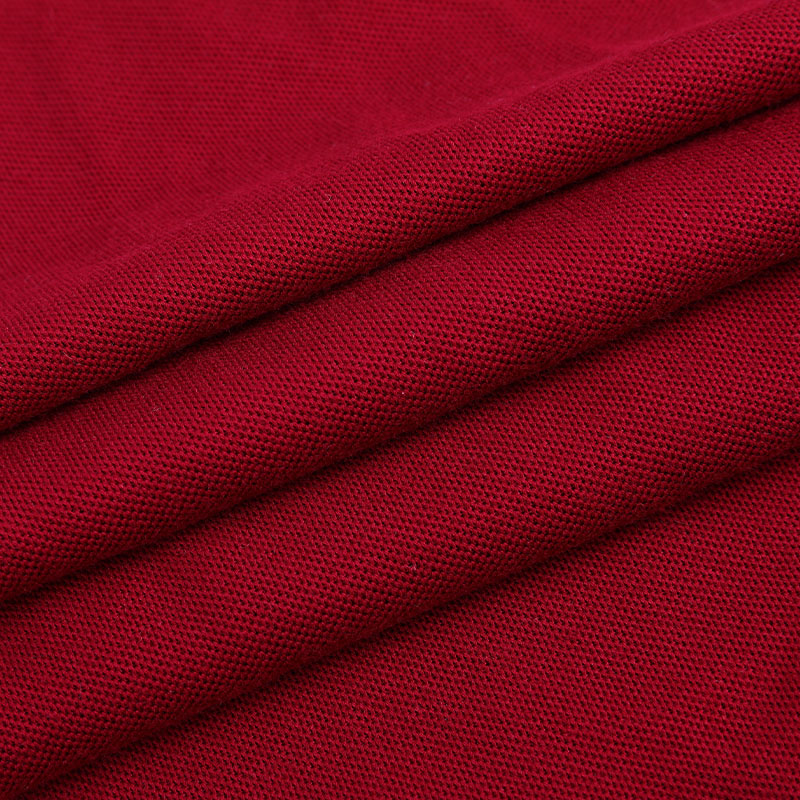
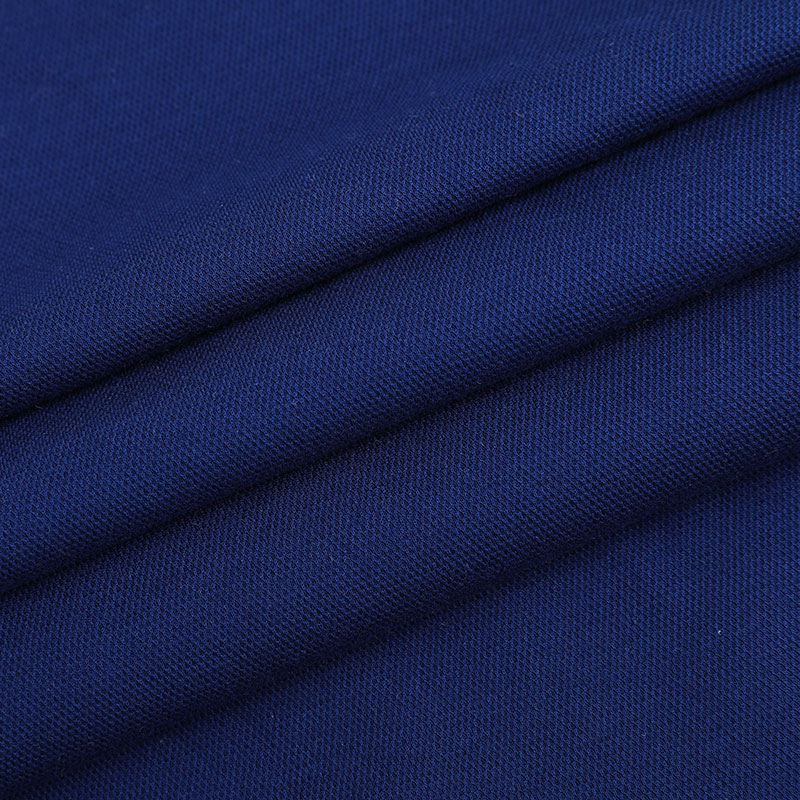
Contact Us for more details
Want to know more? Message Us Right Now!
A sourcer opens a courier parcel and pulls out a swatch labeled cotton knit. The tech pack says 100% cotton. The lab report on the next page reads 94.6% cotton and 5.4% elastane. The color is right, the hand feel is right, and the order is still on hold because three words and one number do not agree with each other. ...
Cotton knit is a soft, stretchy fabric made by looping cotton yarns together rather than weaving them over and under. That single structural fact explains most of what buyers, designers, and product developers notice in the material: it stretches, it breathes, it drapes, and it can be engineered into very different we...
A Portuguese buyer sends a 40-metre sample request with one line attached: what is jersey knit cotton fabric, and can you knit it at 180 gsm? That single question usually hides three more. How much will it shrink after three home washes? How much will it stretch across the width? Will the tenth container match the lab...
Want to know more? Message Us Right Now!
Cotton pique knit fabric occupies a foundational role in the contemporary apparel manufacturing sector, renowned for its distinct geometric texture and structural integrity. Originating from traditional knitting techniques, this material features a pattern of raised parallel cords or geometric designs, such as diamonds or waffles, created through a specialized dobby loom attachment or specific knitting structures. For global sourcing professionals, brand managers, and technical designers, identifying the core attributes that constitute a high-grade pique knit is essential for maintaining product consistency and meeting consumer expectations. Enterprises with extensive experience in the textile domain, including Tongxiang Ruicheng Knitting Co., Ltd., focus on specific manufacturing metrics to ensure their knit collections meet modern industrial benchmarks.
The foundation of any premium pique knit resides in the selection of the raw input materials. High-grade variants typically utilize long-staple or extra-long staple cotton fibers, which provide inherent strength and a smoother surface profile compared to short-staple alternatives. When these fibers undergo the combing process, short fibers and impurities are systematically removed, resulting in a combed cotton yarn that minimizes pilling and fuzziness over extended wear. While 100% cotton remains a benchmark for breathability, modern textile design frequently introduces strategic fiber blends. Incorporating precise percentages of polyester or elastane can enhance dimensional stability and provide necessary stretch recovery. The structural performance of these diverse fiber combinations is detailed in the technical comparison below.
| Fabric Composition | Structural Stability | Moisture Absorption | Surface Pilling Resistance |
| 100% Combed Cotton | Moderate | High | Standard |
| Polyester-Cotton Blend | High | Moderate | Increased Resistance |
| Cotton-Spandex Blend | High Recovery | High | Standard |
The physical geometry of the pique knit—characterized by its distinct tucked stitches—requires careful calibration of knitting tension and machine gauge. A high-quality pique fabric demonstrates a balanced density where the matrix of raised geometric patterns remains uniform across the entire width of the textile roll. Lower-grade fabrics often exhibit irregular pore sizes or uneven spacing between the cords, which compromises both the visual presentation and the mechanical durability of the garment. Adequate fabric weight, typically measured in grams per square meter, indicates a tight knit structure that prevents the fabric from becoming overly translucent or losing its shape after standard laundering cycles. Experienced manufacturers monitor loop lengths and yarn tension continuously to prevent institutional defects like skewing or bowing in the finished product.
Knitted structures are inherently susceptible to dimensional changes due to the looping nature of the yarns. A defining characteristic of well-engineered cotton pique is its resistance to excessive shrinkage and torque, which is the twisting of the garment seams after washing. Achieving this stability involves advanced mechanical and chemical finishing processes, including heat-setting for blended variations and controlled compaction for pure cotton options. When structural development is handled by seasoned operations such as Tongxiang Ruicheng Knitting Co., Ltd., the fabric undergoes rigorous pre-treatment stages to relax internal fiber stresses before the cutting and sewing phases. This technical oversight ensures that the finished apparel maintains its original design proportions through consumer use.
The textured surface of pique knit fabric creates subtle highlights and shadows, making absolute dyeing uniformity critical. High-standard production utilizes reactive dyes that form covalent bonds with the cellulose fibers, resulting in deep penetration and resistance to fading. Color fastness must be evaluated against multiple parameters, including rubbing, washing, and exposure to light. Poorly dyed pique fabric often shows color loss on the raised portions of the texture, leading to a prematurely aged appearance. Proper auxiliary agents and precise temperature controls during the dyeing cycle ensure that the color tone remains consistent across different production batches, avoiding variations between the body of a garment and its coordinating rib accessories.
The open, three-dimensional structure of the pique stitch naturally elevates the fabric slightly away from the skin, creating a micro-climate that promotes airflow and efficient moisture evaporation. The tactile experience should be soft yet substantial, avoiding the harshness or scratchiness that can occur with improper yarn processing or low-grade chemical softeners. The weight distribution of the fabric must support the classic drape required for polo shirts and structured casual wear without feeling restrictive or heavy. By refining the finishing mechanical washings, producers can achieve an optimal balance between the crisp architecture of the pique knit pattern and a comfortable skin contact feel for the end user.
A: The unique three-dimensional cell structure of cotton pique knit creates a raised pattern that lifts the fabric slightly off the skin. This configuration creates an integrated micro-climate by allowing continuous airflow through the knit gaps, which accelerates moisture evaporation. Unlike flat single jerseys that can cling when damp, the structural surface of pique maintains its shape and promotes ventilation, making it highly effective for sportswear and causal summer clothing.
Q: What specific measures prevent dimensional distortion and seam twisting in cotton pique fabrics over extended laundering cycles?A: Dimensional stability in pique fabrics relies heavily on balanced machine tension during the tuck-stitch knitting process and meticulous post-knitting relaxation treatments. Companies with deep industrial expertise, such as Tongxiang Ruicheng Knitting Co., Ltd., utilize advanced pre-shrunk tension control and precise heat-setting processes to neutralize the internal mechanical stresses of the yarns. This comprehensive stabilizing treatment ensures that the geometric grid pattern remains square and prevents the garment from torquing or shrinking irregularly.
Q: In what ways do polyester blends alter the performance characteristics of a traditional 100% cotton pique knit?A: Integrating polyester into a cotton pique knit significantly enhances the structural durability and wrinkle resistance of the textile. While pure cotton offers high moisture absorption and a natural hand feel, a polyester-cotton blend improves color fastness, reduces drying time, and minimizes fiber pilling on the raised portions of the texture. This structural blending provides a resilient fabric matrix that withstands industrial laundering, making it ideal for corporate uniforms and high-wear apparel.
Q: How does the technical knitting configuration of a pique fabric differ from a standard mesh or small jacquard structure?A: While all three fabrics utilize specialized loop formations, a pique knit specifically alternates knit stitches and tuck stitches to build its signature raised cords or diamond patterns. Mesh fabric focuses primarily on open-work eyelets created by transferring stitches to maximize airflow, whereas small jacquard utilizes programmable needle selections to create intricate, multi-tonal decorative motifs. Pique strikes a distinct balance by prioritizing structural density alongside a subtle, utilitarian surface texture.
Q: Which specialized finishing treatments can be applied to cotton pique knit to enhance its tactile softness without compromising its structural crispness?A: To achieve a premium hand feel without collapsing the signature geometric ridges, pique fabric can undergo controlled bio-polishing enzymes or mild mechanical brushing treatments. Bio-polishing removes micro-fuzz from the cotton fibers, producing a cleaner surface and reducing future pilling. When carefully balanced with appropriate softening agents during the final processing stage, the fabric gains a smooth, comfortable contact surface while retaining the firm drape required for structured collars and plackets.

 CONTACT US