

 English
 中文简体
中文简体 +86-13967368270
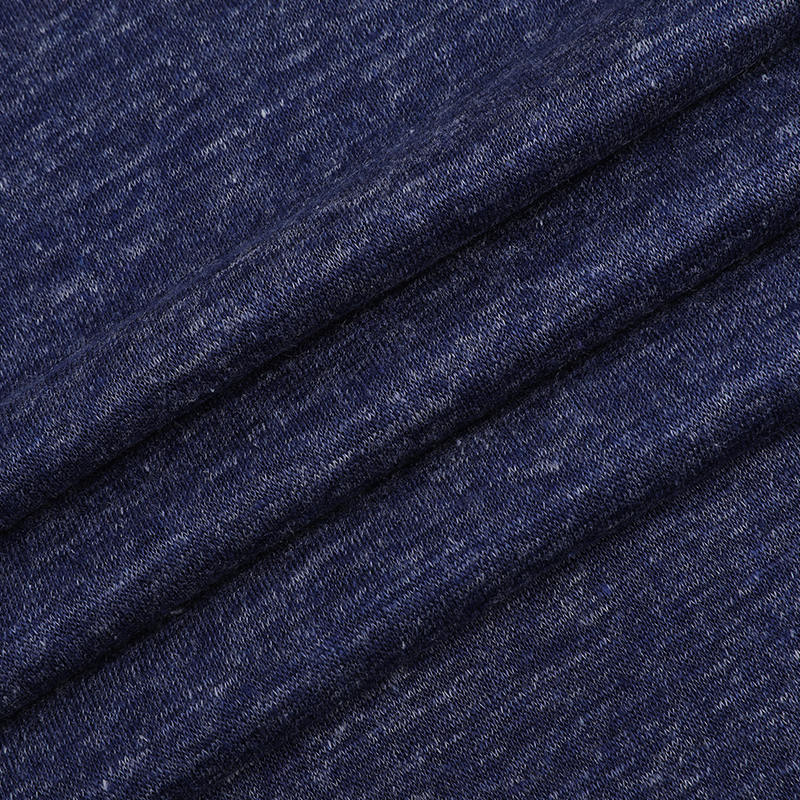
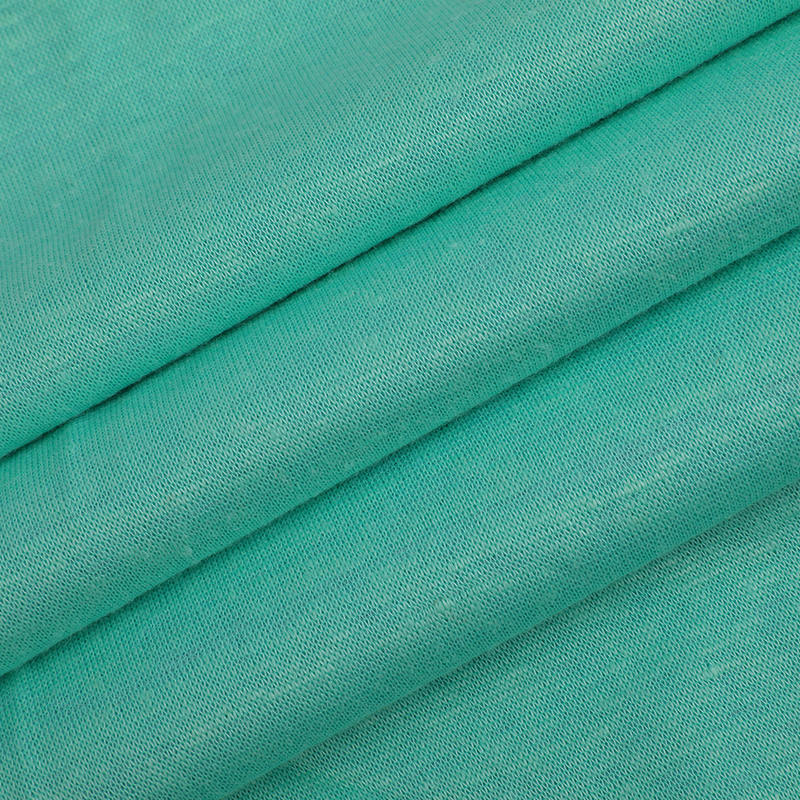
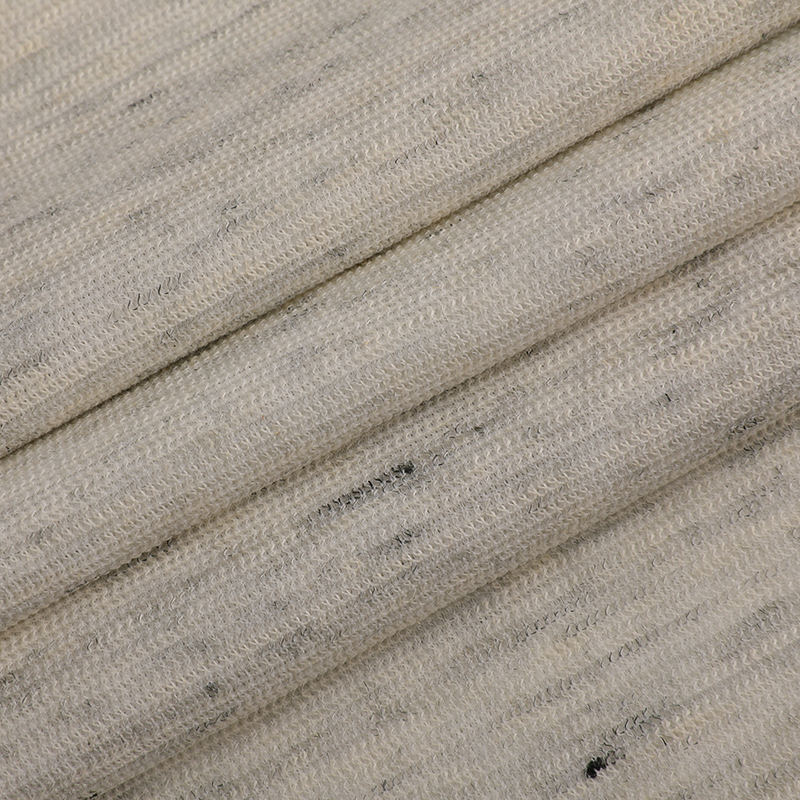
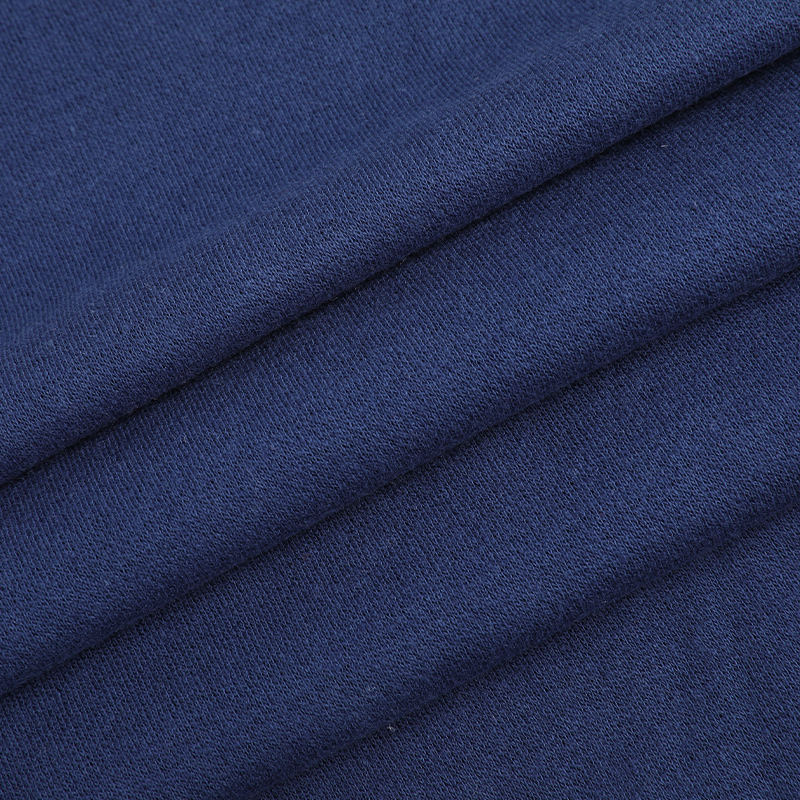
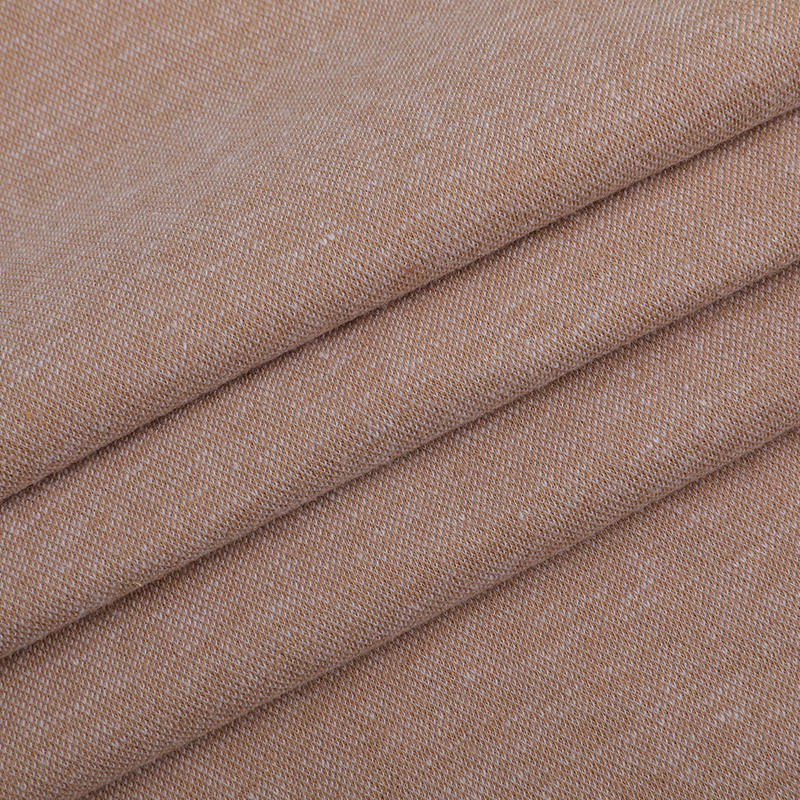
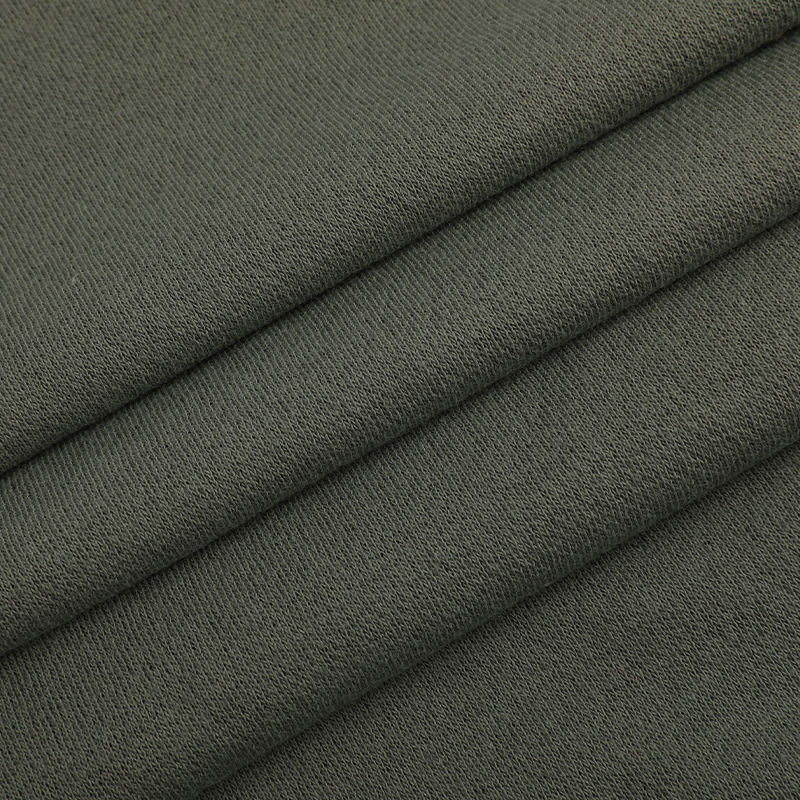
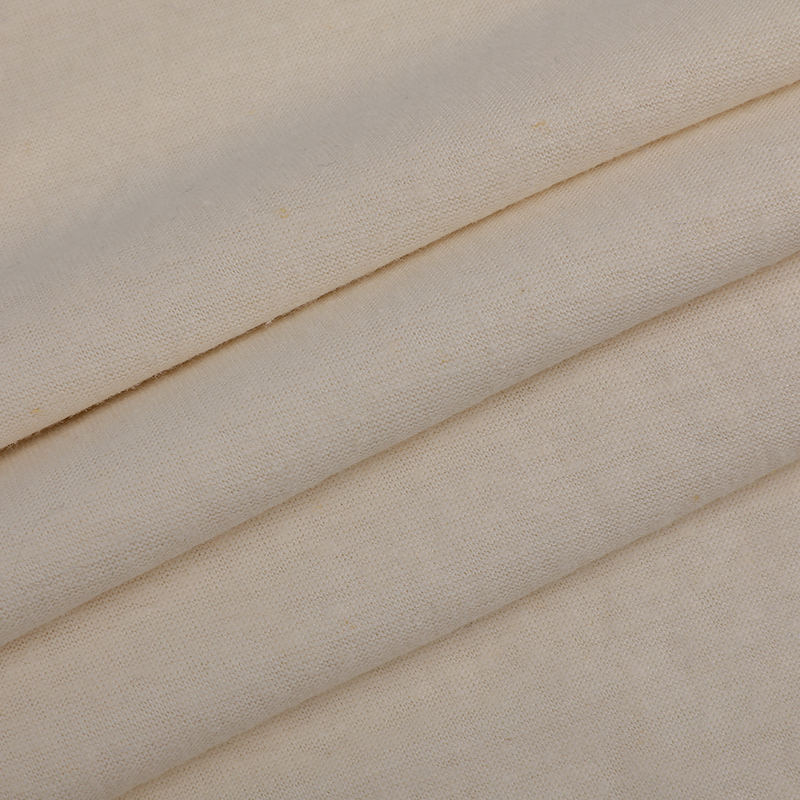
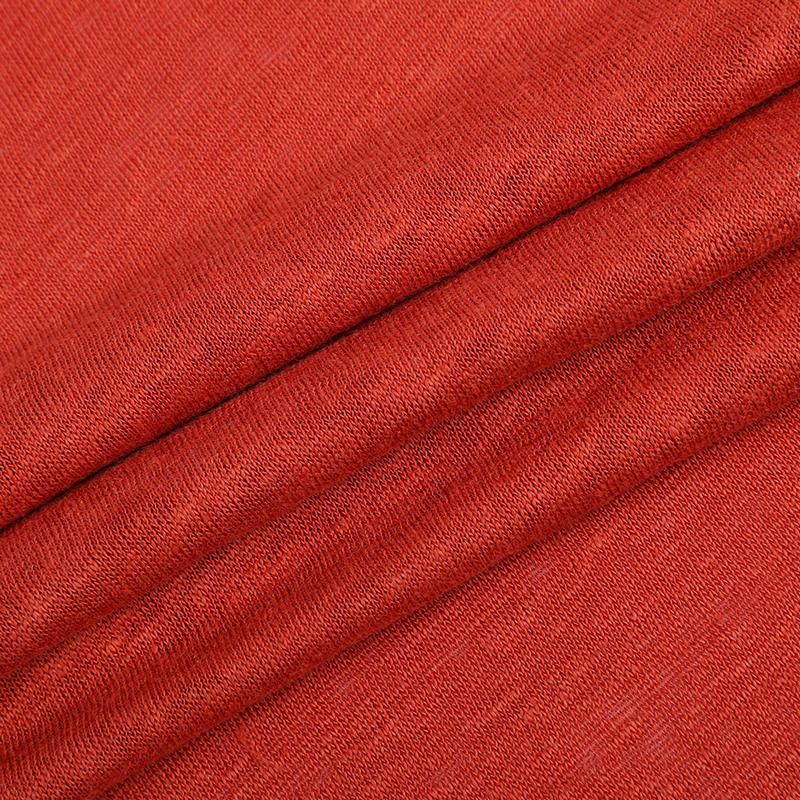
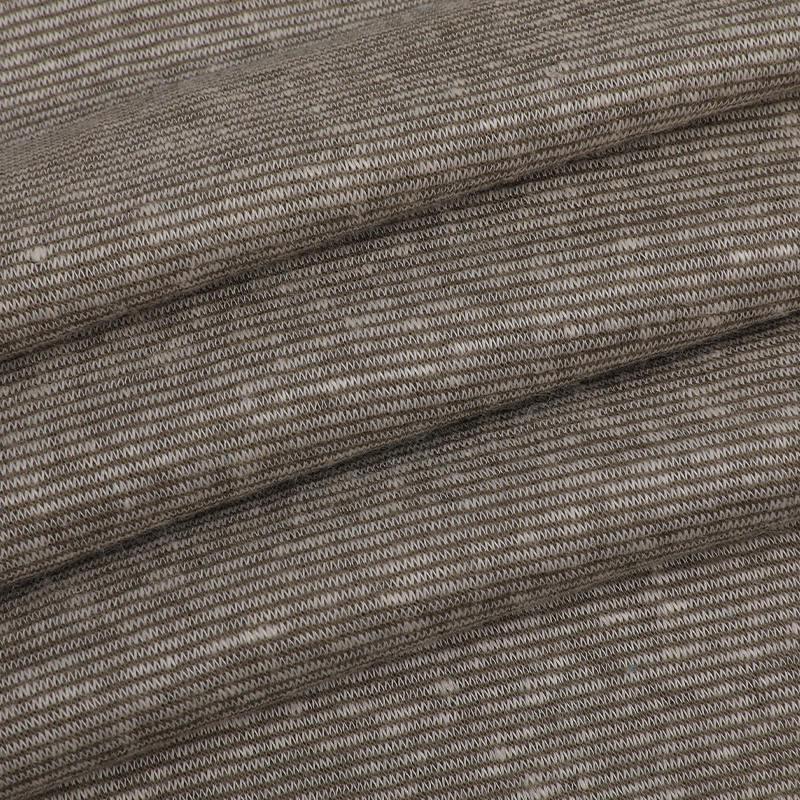
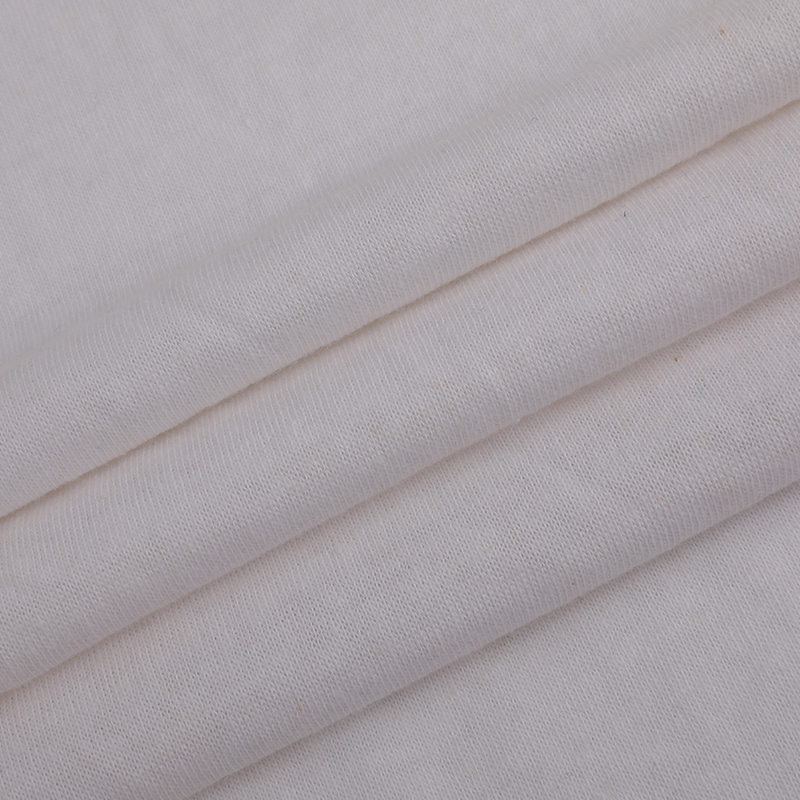
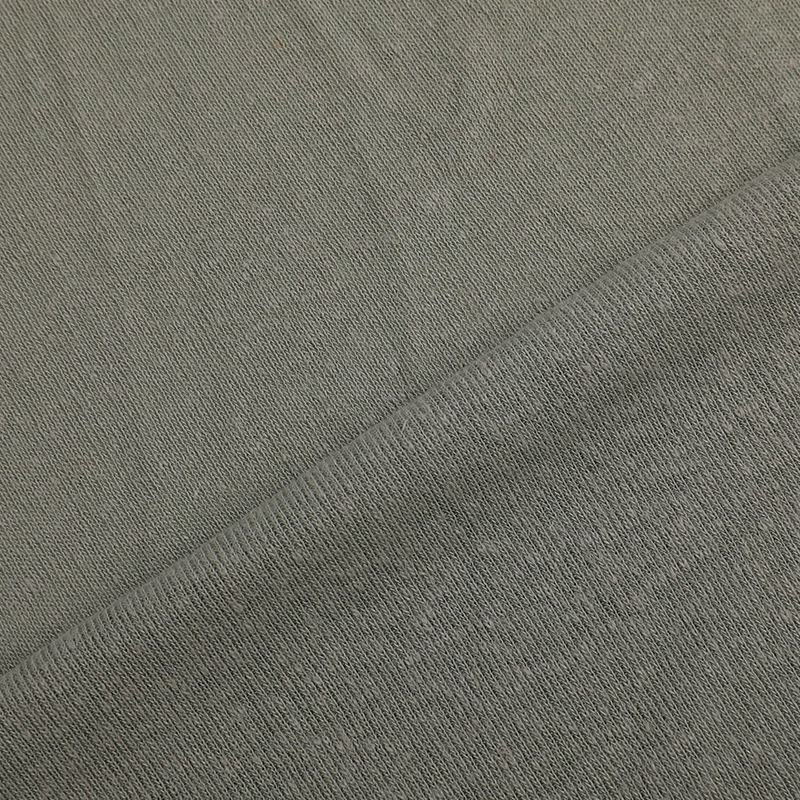
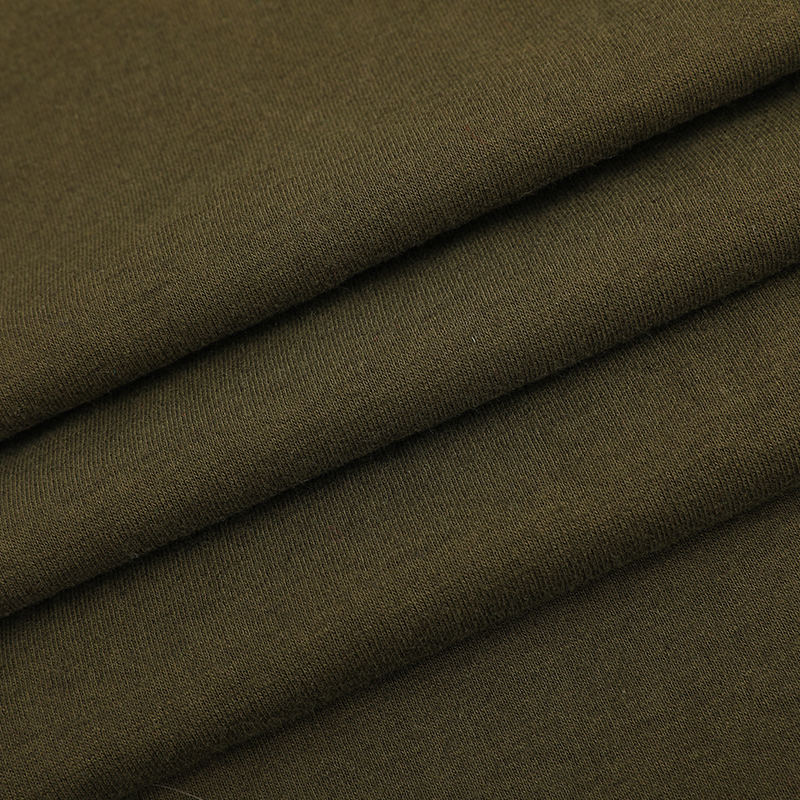
Contact Us for more details
Want to know more? Message Us Right Now!
A sourcer opens a courier parcel and pulls out a swatch labeled cotton knit. The tech pack says 100% cotton. The lab report on the next page reads 94.6% cotton and 5.4% elastane. The color is right, the hand feel is right, and the order is...
Cotton knit is a soft, stretchy fabric made by looping cotton yarns together rather than weaving them over and under. That single structural fact explains most of what buyers, designers, and product developers notice in the material: it st...
A Portuguese buyer sends a 40-metre sample request with one line attached: what is jersey knit cotton fabric, and can you knit it at 180 gsm? That single question usually hides three more. How much will it shrink after three home washes? H...
Cotton knitwear is a fabric formed by turning cotton yarn into a series of interconnected loops, rather than crossing yarns at right angles the way woven cotton is made. That single structural difference explains almost everything people n...
Want to know more? Message Us Right Now!
Linen has long been celebrated for its durability and natural aesthetic in woven forms, but the transition to Linen Knit Fabrics represents a significant leap in textile engineering. Unlike rigid woven structures, knitting interloops the yarn, allowing for a dynamic interplay between fiber stiffness and structural flexibility.
The process begins with the inherent properties of the flax fiber. Flax is naturally rigid, with a high degree of crystalline structure. To create a comfortable knit, specialized equipment is required to manage the yarn tension effectively. At Tongxiang Ruicheng Knitting Co., Ltd., located in the strategic hub of Chongfu Town Industrial Zone, we have refined this process through years of technical specialization. Utilizing our fleet of over 50 large circular knitting machines, we calibrate the loop formation to soften the "hand-feel" of the linen yarn, ensuring that the final fabric maintains the breathability the fiber is known for without compromising on structure.
The science of comfort in these fabrics is rooted in the hygroscopic nature of linen. When processed into a knit, the open-loop structure creates microscopic channels for airflow. This allows for superior moisture absorption compared to synthetic alternatives. In our facility, we pay close attention to how these loops interact with varying yarn counts. For instance, when we produce pure linen knits, the balance between the stitch density and the yarn's natural slub is critical.
To better understand the mechanical advantages of this structure, we can compare the physical characteristics of common textile construction methods used in modern manufacturing:
| Feature | Woven Linen | Linen Knit (Single Jersey) | Synthetic Knit (Polyester) |
| Mechanical Stretch | Minimal | High (Multi-directional) | Very High |
| Moisture Absorption | Moderate | Excellent | Low |
| Wrinkle Recovery | Poor | High | Moderate |
| Air Permeability | Moderate | Superior | Low to Moderate |
The superior performance of Linen Knit Fabrics in terms of moisture management and air permeability is why they are increasingly preferred for seasonal apparel. Tongxiang Ruicheng Knitting Co., Ltd. leverages its geographic advantage—situated just 45 kilometers west of Hangzhou and 145 kilometers from Shanghai—to ensure that we can source and integrate high-quality raw materials efficiently. This proximity to major logistics hubs supports our ability to maintain consistent production standards for both domestic and international markets, including our growing export business in Europe and Southeast Asia. By meticulously controlling the knitting tension, we ensure that the natural slub of the linen yarn contributes to the fabric's aesthetic appeal rather than causing unevenness, resulting in a fabric that is as functional as it is visually sophisticated.
Achieving a high-quality Linen Knit Fabric is not merely about using premium flax yarn; it is about the precision of the machinery and the rigor of the technical oversight applied throughout the knitting process. The transition from raw fiber to a finished roll of fabric involves managing delicate variables that, if ignored, can lead to structural inconsistencies.
At Tongxiang Ruicheng Knitting Co., Ltd., we have spent over a decade refining our production protocols to address these complexities. Operating out of our facility in Chongfu Town, our production team focuses heavily on yarn count and twist management. Flax fiber is inherently less elastic than cotton or synthetic fibers, which means that the tension during the knitting process must be monitored with high precision. If the tension is too high, the fabric becomes brittle; if it is too low, the loop structure becomes irregular. We utilize our advanced large circular knitting machines to maintain a consistent loop geometry, which is essential for ensuring a uniform drape and thickness across entire production runs.
Maintaining consistency in bulk supply is one of the most significant challenges in the textile industry. Issues such as bowing (the curving of the course line) and skewing (the distortion of the grain) are common pitfalls when working with linen-based knits. To mitigate these, we implement a rigorous quality assurance cycle that monitors fabric behavior at multiple stages. Below are the standard technical benchmarks we utilize to evaluate the stability and quality of our Linen Knit Fabrics compared to standard industry expectations for natural fiber knits:
| Quality Parameter | Industry Baseline | Our Quality Standard |
| Dimensional Stability (Shrinkage) | +/- 5% | +/- 2.5% |
| Colorfastness (to washing) | Grade 3 | Grade 4 - 4.5 |
| Skewing/Bowing Tolerance | < 3% | < 1.5% |
| Pilling Resistance | Grade 3 | Grade 3.5 - 4 |
These metrics are integral to our operations. Because Tongxiang Ruicheng Knitting Co., Ltd. serves diverse international markets—ranging from European high-end apparel to Southeast Asian manufacturing hubs—we recognize that our clients require predictable, repeatable performance. Our proximity to the Beijing-Hangzhou Grand Canal and major expressways allows us to streamline our internal logistics, ensuring that the fabric spends less time in transit and is processed in a stable, climate-controlled environment before shipping.
Furthermore, we incorporate automated inspection systems to identify yarn defects or knitting errors in real-time. By catching inconsistencies at the source, we ensure that the fabric delivered to our partners is free from structural defects. Whether we are producing pure linen or sophisticated blends, our objective remains the same: to deliver a product that meets rigorous technical specifications while maintaining the soft, breathable, and natural hand-feel that defines high-quality Linen Knit Fabrics. This commitment to quality has been the cornerstone of our growth, allowing our annual output value to exceed 200 million yuan while maintaining strong business relationships across the globe.
In the world of garment construction, the debate between woven and knitted structures is as old as the industry itself, but when it comes to linen, the difference is transformative. Traditional woven linen is prized for its crisp, clean lines, yet it is notoriously unforgiving—prone to sharp creasing and a lack of elasticity that often requires artificial blends to improve comfort. Linen Knit Fabrics, however, fundamentally alter this narrative by introducing mechanical stretch through the loop structure itself, offering a "natural bounce" that woven fabrics simply cannot replicate.
At Tongxiang Ruicheng Knitting Co., Ltd., we have observed that our clients are increasingly shifting toward knits because of this superior recovery. When you knit linen, you aren't just creating a surface; you are engineering a material that moves with the body. While a woven structure holds the fiber rigid, our circular knitting technology allows the fabric to expand and contract. This is particularly crucial for designers creating modern silhouettes that require both structure and ease of movement, such as in high-performance casual wear or tailored lounge sets.
To illustrate why these knits are gaining traction over traditional woven alternatives, consider the following performance comparison:
| Performance Metric | Woven Linen | Linen Knit Fabric |
| Mechanical Stretch | Near Zero | 15% - 25% |
| Wrinkle Resistance | Low (High maintenance) | High (Natural rebound) |
| Drape Characteristics | Rigid / Structured | Fluid / Soft |
| Static Build-up | High | Low |
| Tailoring Complexity | High | Moderate (Requires specialized tensioning) |
A significant aesthetic benefit of our knitting process is the way we manipulate the "slub"—the characteristic thick-and-thin variation inherent to flax fiber. In a woven fabric, the slub can sometimes create an uneven surface that feels inconsistent to the touch. By utilizing the specific stitch patterns at our facility, we can control how these slubs appear in the final fabric. Whether using a standard Jersey knit to highlight the natural texture or an Interlock construction to create a denser, smoother surface, we provide the flexibility to dictate the visual character of the fabric.
Our expertise at Tongxiang Ruicheng Knitting Co., Ltd. goes beyond mere production; it is about leveraging our decade-plus of experience to solve the common trade-offs associated with natural fibers. We understand that buyers are often concerned about the "heaviness" of linen, but our ability to engineer different weights—ranging from lightweight summer tees to heavier, structured outerwear knits—allows us to mitigate these concerns. By maintaining rigorous control over the knitting tension and machine gauge, we ensure that the inherent breathability of the linen is preserved, while the mechanical performance is elevated to meet the demands of contemporary international markets. This allows manufacturers to utilize the eco-friendly prestige of linen without sacrificing the comfort and performance expected by today’s end-users.
The versatility of Linen Knit Fabrics has allowed them to transcend the traditional boundaries of casual summer wear, finding a place in diverse sectors ranging from high-end fashion to interior design. Because these fabrics balance the rustic, eco-conscious aesthetic of flax with the functional performance of modern knit engineering, they have become a staple for manufacturers looking to differentiate their product lines.
In the high-end apparel sector, designers are increasingly moving away from synthetic-heavy blends in favor of natural, breathable materials. We see this demand firsthand at Tongxiang Ruicheng Knitting Co., Ltd., where our diverse production capabilities—ranging from single jersey to small jacquard fabrics—allow us to tailor the weight and feel of linen knits for specific applications. For luxury resort wear or high-end athleisure, a lighter-weight jersey knit is often preferred for its fluid drape and cooling effect on the skin. Conversely, for structured casual jackets or seasonal layering pieces, our interlock and air-layer constructions provide the necessary density and shape retention that lighter fabrics lack.
Beyond apparel, home textiles represent a burgeoning market for these materials. Modern upholstery and interior décor require fabrics that are both durable and tactile. The natural moisture-wicking properties of linen, combined with the structural integrity we achieve through our circular knitting process, make these fabrics ideal for decorative pillows, breathable throws, and soft-touch upholstery covers.
To help our partners select the right fabric for their specific industrial requirements, we often evaluate materials based on their weight and application suitability:
| Fabric Type | Typical Weight (GSM) | Primary Application | Key Performance Characteristic |
| Lightweight Jersey | 120 - 150 | T-shirts, Base Layers | Breathability, Softness |
| Mid-weight Interlock | 180 - 220 | Dresses, Casual Sets | Shape Retention, Opacity |
| Heavyweight Rib/Jacquard | 250+ | Outerwear, Home Textiles | Durability, Structural Texture |
At Tongxiang Ruicheng Knitting Co., Ltd., our location in the Chongfu Town Industrial Zone is more than just a logistical advantage; it is a hub of innovation where we constantly refine these applications. With over 100 dedicated employees and a robust annual output, we are able to scale production to meet the unique needs of global manufacturers. Whether a client is designing a line of breathable sportswear or looking for high-quality, sustainable textiles for home furnishings, our extensive experience in processing various fiber blends—including our recent expansion into pure linen and cotton-linen mixtures—ensures that we provide material solutions that align with the specific performance requirements of each industry. Our proximity to the Shanghai-Hangzhou Expressway ensures that these industrial volumes can be shipped efficiently, supporting the seamless supply chains our partners rely on to keep their own production cycles moving.
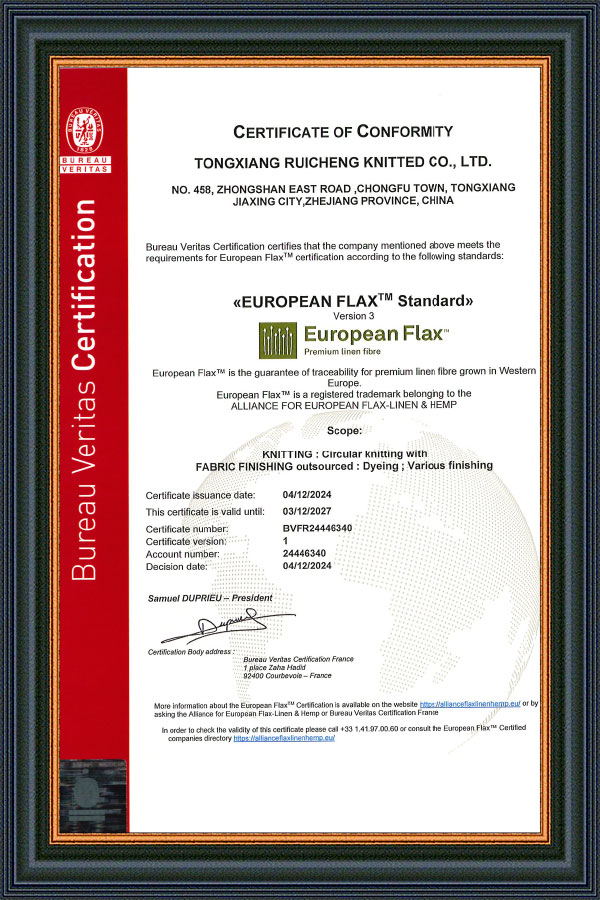
Sustainability is no longer a luxury in the global textile trade; it is a fundamental requirement for manufacturers aiming to reach European and North American markets. Flax, the raw material for linen, stands out as one of the most eco-friendly fibers available today. It requires significantly less water than cotton and utilizes almost the entire plant, leaving minimal agricultural waste. However, the true environmental impact is determined by how that fiber is processed into fabric.
At Tongxiang Ruicheng Knitting Co., Ltd., we recognize that our responsibility extends beyond mere production volume. Located in the heart of the Hangjiahu Plain, we are acutely aware of our role in the local industrial ecosystem. We have implemented manufacturing workflows designed to minimize chemical usage and water waste during the scouring and finishing stages. Unlike traditional weaving, which often requires heavy sizing agents to protect the yarn from high-tension looms, our knitting process is inherently more gentle on the fiber. By utilizing our advanced circular knitting technology, we reduce the need for excessive mechanical stress and chemical stiffeners, preserving the natural, organic properties of the linen.
For B2B buyers, navigating the certification landscape is essential for ensuring compliance and marketability. We prioritize transparency in our supply chain to help our partners meet international standards. Below is a comparison of common environmental impact indicators between traditional textile processing and our optimized manufacturing approach:
| Impact Category | Traditional Process (General) | Our Optimized Process |
| Water Consumption | High (Energy-intensive) | Moderate (Efficiency-focused) |
| Sizing Agent Usage | High (High tension requirements) | Minimal (Low-tension knitting) |
| Waste Material Rate | 8% - 12% | 3% - 5% |
| Chemical Additives | Heavy usage for durability | Selective, eco-compliant agents |
Our commitment to these practices is supported by our location and infrastructure. As a modern enterprise based in the Chongfu Town Industrial Zone, Tongxiang Ruicheng Knitting Co., Ltd. benefits from being part of a key industrial hub that prioritizes reform and technological upgrading. This allows us to invest in more efficient machinery that not only improves the quality of our Linen Knit Fabrics but also reduces the energy footprint per kilogram of output.
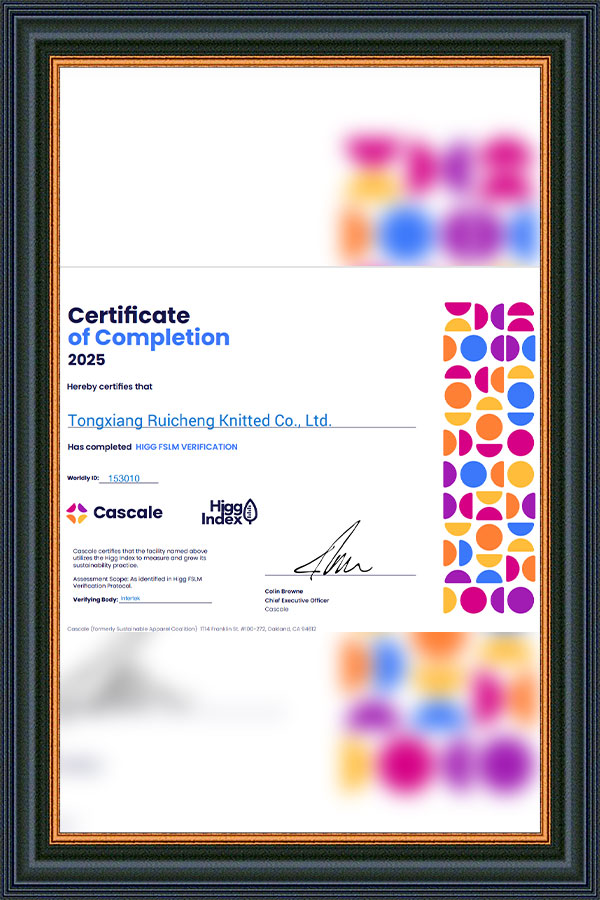
Furthermore, we work closely with our clients to provide the documentation necessary for international certifications like OEKO-TEX or GOTS. We understand that our partners are under pressure to prove the sustainability of their supply chains. By maintaining stringent internal quality controls—supported by our 50+ large circular knitting machines—we ensure that every batch of fabric meets the rigorous safety and environmental standards required by international retailers. Our goal is to foster a model of mutual prosperity, where sustainable, high-quality production directly contributes to the long-term success of our customers worldwide. Through these practices, we prove that professional textile manufacturing can be both commercially viable and environmentally responsible.
The durability of Linen Knit Fabrics is a significant selling point, but their longevity is deeply tied to how they are processed post-production and handled by the end consumer. Linen, by nature, is a fiber that gains character with age, but its knitted structure requires a proactive approach to finishing to ensure it maintains its intended dimensions and hand-feel after the garment is constructed.
At Tongxiang Ruicheng Knitting Co., Ltd., we emphasize the importance of pre-shrinkage and stabilization treatments before our fabric leaves the production floor. Because we operate out of a highly developed industrial hub in Chongfu Town, we have access to advanced finishing equipment that allows us to manage the "relaxation" of the knit. We don't just produce fabric; we prepare it for the stresses of garment manufacturing. Our team utilizes heat-setting and controlled mechanical compaction to minimize the risk of distortion or shrinkage when the material undergoes secondary processes like cutting, sewing, or professional laundering.
When comparing our stabilization methods to standard raw fabric handling, the difference in end-product reliability is clear:
| Processing Stage | Standard Raw Fabric Behavior | Treated Fabric (Post-Finishing) |
| Dimensional Change (Laundered) | 5% - 8% shrinkage | < 2.5% shrinkage |
| Surface Pilling | Prone to fiber migration | Controlled through singeing/compacting |
| Structural Skewing | High probability after washing | Stable grid alignment |
| Hand-Feel Retention | Often stiffens after drying | Retains softness through conditioning |
Educating the end-user is the final step in this lifecycle. While many consumers assume linen requires dry cleaning, high-quality knitted linen is actually quite resilient to gentle machine washing. We often advise our partners at Tongxiang Ruicheng Knitting Co., Ltd. to include care labels that emphasize cold-water washes and air drying. This simple shift in consumer behavior significantly extends the life of the garment, as high heat in dryers is the primary culprit for breaking down the natural fibers and prematurely wearing out the knitted loops.
Our deep expertise in the textile industry—spanning over a decade—has taught us that the quality of the fabric is only as good as its performance in the real world. Whether we are dealing with our standard single jersey or more complex, heavy-weight rib fabrics, we apply the same level of care to our finishing processes. By managing these technical variables early on, we ensure that our customers receive a fabric that stands up to the rigors of the global market. Our reliance on the excellent logistics surrounding our location in the Hangjiahu Plain allows us to manage these final finishing steps and get the product to our international partners in Europe, the Americas, and Southeast Asia promptly, without compromising the structural integrity of the material.
The Grams per Square Meter (GSM) is the most critical technical indicator for seasonal versatility. Lightweight knits, typically ranging from 120 to 150 GSM, offer a sheer, breathable texture ideal for spring and summer base layers. At Tongxiang Ruicheng Knitting Co., Ltd., we categorize our production into these weight classes to help designers align fabrics with specific collection requirements. Conversely, heavier knits (above 200 GSM) provide the necessary density for autumn loungewear or structured cardigans, offering a more substantial "hand-feel" without losing the fiber's natural thermal regulation.
Natural fibers are prone to some degree of dimensional change, but linen behaves differently than cotton. While cotton knit tends to shrink due to the relaxation of high-twist yarns, linen’s structural stability is heavily dependent on the quality of the finishing treatment. At Tongxiang Ruicheng Knitting Co., Ltd., we utilize pre-compaction and heat-setting processes to reduce residual shrinkage to below 2.5%, which is often superior to standard untreated cotton knits.
Yes, blending is a standard industry practice to balance performance and cost. Incorporating small percentages of polyester or viscose can significantly improve the crease resistance and tensile strength of the fabric. Many of our international clients request these blends for sportswear series, as they maintain the luxurious, textured look of linen while adding the "memory" and elasticity required for high-activity apparel. We have refined the integration of such blends to ensure the soft, natural aesthetic remains the dominant characteristic.
The knitting process must be calibrated based on the fiber diameter. Fine yarns require a higher machine gauge to maintain fabric opacity and prevent snagging, whereas coarser, slubby yarns require larger needles and specific tension settings to avoid uneven "loop pulling." With our fleet of over 50 large circular knitting machines, Tongxiang Ruicheng Knitting Co., Ltd. can fine-tune these parameters based on the specific yarn count requested, ensuring the fabric surface remains consistent whether the design calls for a refined, smooth look or a rustic, textured finish.
Linen is highly receptive to reactive dyes, which bond well with the cellulose structure of the flax fiber. This leads to excellent color depth and long-term wash-fastness. Because we operate in the heart of the Chongfu Town industrial hub, we have established professional dyeing and printing workflows that ensure high-grade color consistency. Below is a comparison of typical fiber reactivity for coloring:
| Fiber Type | Dye Affinity | Color Retention (Laundered) |
| Pure Linen | Excellent | High |
| Linen/Cotton Blend | Very Good | Moderate to High |
| Linen/Synthetic Blend | Moderate | Very High |
By leveraging our decade of experience at Tongxiang Ruicheng Knitting Co., Ltd., we ensure that our fabrics undergo rigorous colorfastness testing before shipment. This reliability is why our textiles are favored for export markets where consistent color matching across bulk orders is a non-negotiable requirement for brand integrity.
ALL RIGHTS RESERVED:Tongxiang Ruicheng Knitting Co., Ltd.
 Custom Linen Knits Fabric Manufacturers

 CONTACT US