

 English
 中文简体
中文简体 +86-13967368270
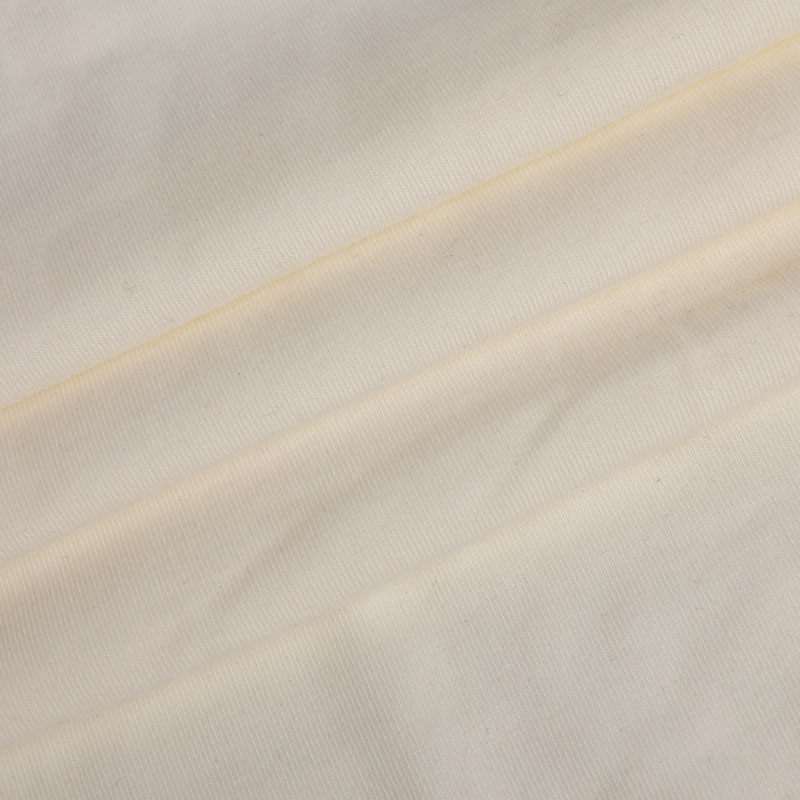
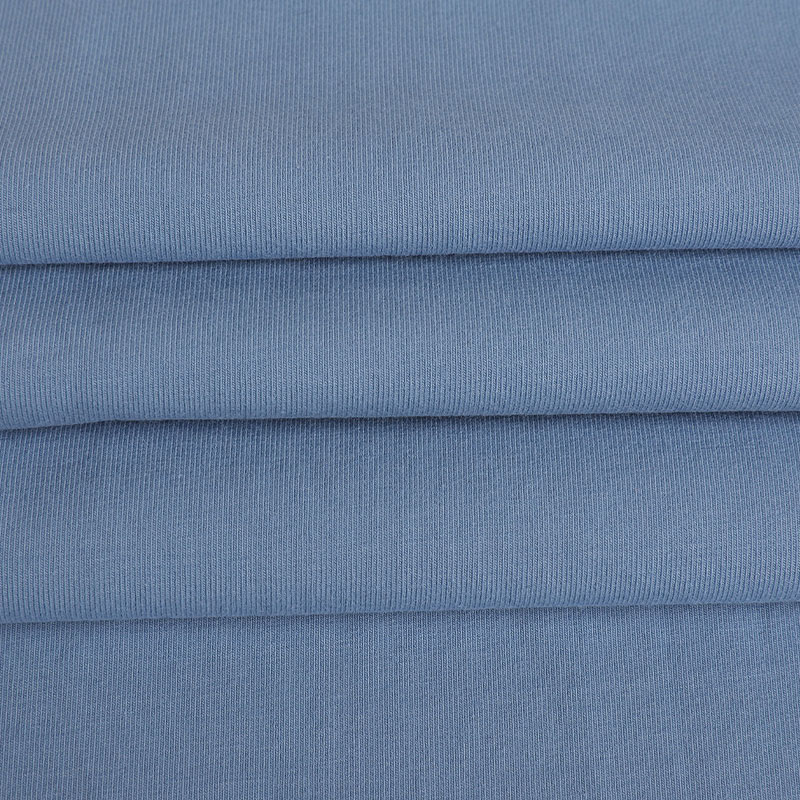
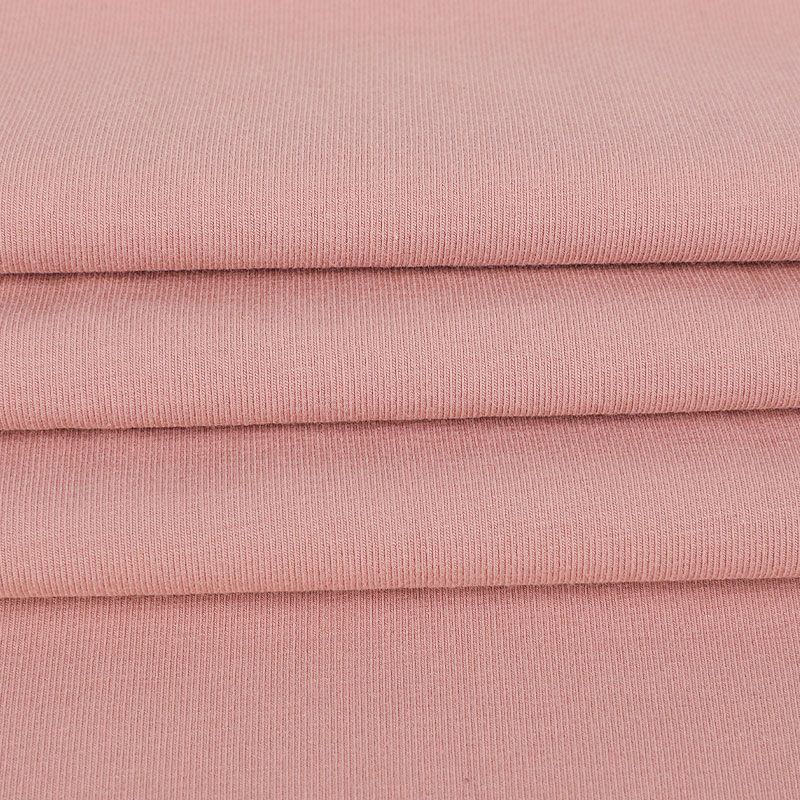
Contact Us for more details
Want to know more? Message Us Right Now!
A sourcer opens a courier parcel and pulls out a swatch labeled cotton knit. The tech pack says 100% cotton. The lab report on the next page reads 94.6% cotton and 5.4% elastane. The color is right, the hand feel is right, and the order is still on hold because three words and one number do not agree with each other. ...
Cotton knit is a soft, stretchy fabric made by looping cotton yarns together rather than weaving them over and under. That single structural fact explains most of what buyers, designers, and product developers notice in the material: it stretches, it breathes, it drapes, and it can be engineered into very different we...
A Portuguese buyer sends a 40-metre sample request with one line attached: what is jersey knit cotton fabric, and can you knit it at 180 gsm? That single question usually hides three more. How much will it shrink after three home washes? How much will it stretch across the width? Will the tenth container match the lab...

Want to know more? Message Us Right Now!
The engineering of a high-performance Cotton Spandex Jersey Knit begins on the circular knitting machine, where natural cotton yarns and synthetic spandex filaments are joined into a single, cohesive loop structure. Unlike pure cotton jersey, which relies solely on the natural slack of the knitted loops to provide mechanical stretch, the inclusion of spandex introduces active elastic tension into the fabric matrix. Controlling how this tension is introduced during high-speed production is the primary challenge in manufacturing premium-grade elastomeric textiles.
Integrating spandex into a single jersey structure requires a technical process known as plating. During plating, the circular knitting machine is equipped with dual yarn-feeding guides at each feed station. One guide delivers the primary cotton yarn to the knitting needles, while the other guide simultaneously delivers the elastane filament. The mechanical positioning of these guides must be calibrated with micro-millimeter precision to ensure that the spandex filament always sits behind the cotton yarn as the needle forms the loop.
This specific alignment ensures that the spandex remains embedded within the core or the reverse side of the fabric, while the soft cotton fibers cover the outer surface. If the feeding guides are misaligned even slightly, the spandex can slip to the face of the fabric. This defect, known as grin-through, results in a shiny, uneven surface texture that ruins the aesthetic appeal of the material.
To prevent this issue, a technical team must carefully manage the draft ratio, which represents the degree to which the spandex filament is stretched before it enters the knitting needle. For standard apparel applications, this draft ratio is typically set between two and three times the original length of the spandex filament. If the draft ratio is too low, the fabric will lack sufficient elasticity and shape recovery. If the draft ratio is too high, the excessive tension can cause yarn breakage, needle damage, and severe fabric spirality after the material is removed from the machine.
When sourcing a Cotton Spandex Jersey Knit, procurement managers must choose between two distinct methods of spandex integration: naked plating and core-spun yarn knitting. Naked plating involves feeding a bare spandex filament alongside a separate cotton yarn directly into the knitting needles. This method is highly cost-effective and allows for rapid machine setups, making it popular for high-volume basic apparel lines. Nevertheless, naked plated fabrics require exceptional machine calibration, as the bare spandex is highly sensitive to friction and ambient humidity fluctuations on the production floor.
Core-spun yarns, on the other hand, feature a spandex core that is completely wrapped by cotton staple fibers during the spinning process. When this composite yarn is knitted, the spandex is physically protected from friction, needle wear, and chemical exposure during subsequent finishing stages. Core-spun yarns yield a fabric with superior hand feel, exceptional stitch uniformity, and outstanding durability. Because the spandex is shielded by a thick sheath of cotton, the risk of grin-through is virtually eliminated. This makes core-spun options highly desirable for premium loungewear, high-end activewear, and next-to-skin children's clothing.
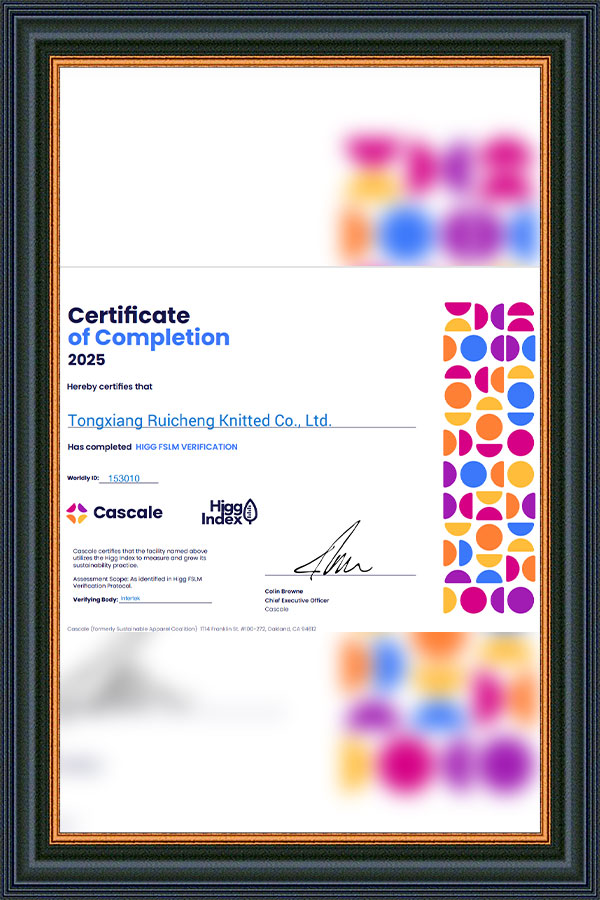
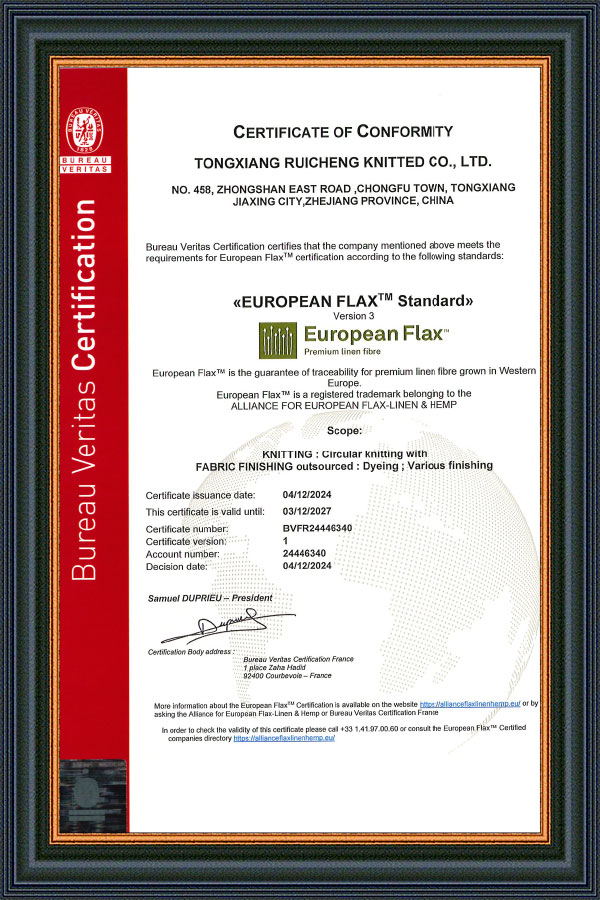
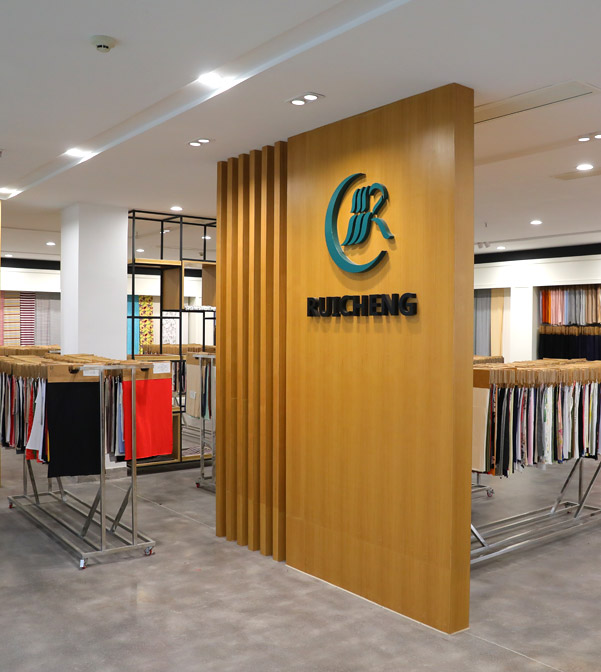
Producing high-quality elastomeric knits at scale requires substantial machinery assets capable of maintaining identical tension settings across multiple production runs. Tongxiang Ruicheng Knitting Co., Ltd. represents a modern enterprise specializing in the development, design, production and trade of knitted fabrics. Currently, the company has more than fifty large circular knitting machines and over one hundred employees, with an annual output value exceeding two hundred million yuan.
This extensive machinery base is critical for maintaining consistency in volume production. When a large order of Cotton Spandex Jersey Knit is placed, the technical team can allocate multiple high-precision circular knitting machines equipped with positive elastomeric feeding systems to run the same yarn lot simultaneously. These positive feeders continuously measure and adjust the speed of the spandex delivery, ensuring that the draft ratio remains completely uniform from the first roll of fabric to the last. This strict control over the mechanical variables minimizes batch-to-batch variations in stretch capacity and fabric weight.
Cotton jersey fabrics are widely used in the apparel industry due to their comfort, breathability, and versatility. However, there are important differences between regular cotton jersey and cotton spandex jersey knit, especially in terms of elasticity, shape retention, and overall performance. The key distinction comes from the addition of spandex fibers, which significantly enhances the fabric’s functional properties.
Regular cotton jersey is a single-knit fabric made primarily from cotton fibers. It is valued for its soft hand feel and natural comfort, making it a common choice for everyday clothing such as basic T-shirts, loungewear, and casual garments.
In terms of performance, this fabric is generally lightweight and comfortable to wear, especially in warm conditions. It allows air to circulate relatively well due to its knit structure, which helps maintain a breathable wearing experience. However, its elasticity is limited because it relies mainly on the knit construction rather than elastic fibers.
Another important aspect is that regular cotton jersey does not have strong shape recovery. Over time, and especially after repeated washing or stretching, garments made from this fabric may gradually lose their original structure. This can result in slight deformation or a more relaxed, less fitted appearance.
Cotton spandex jersey knit is an upgraded version of traditional cotton jersey that includes a small percentage of spandex fibers, usually between 3% and 10%. Spandex is a highly elastic material known for its excellent stretch and recovery performance.
By combining cotton with spandex, the fabric retains the comfort of cotton while gaining significantly improved flexibility. This blend allows the fabric to stretch more easily during movement and return quickly to its original shape afterward. As a result, it provides a more stable and long-lasting fit compared to regular cotton jersey.
Elasticity and Flexibility: The most noticeable difference between the two fabrics is how they handle stretch. Regular cotton jersey has only natural mechanical stretch from its knit structure, which provides a moderate level of flexibility but is limited in range. In contrast, cotton spandex jersey knit offers a much higher level of elasticity. The addition of spandex fibers allows the fabric to stretch in multiple directions, making it more adaptable to body movement. This improved flexibility makes it especially suitable for garments that require comfort during physical activity or close-fitting designs.
Shape Retention and Recovery: Shape retention is another key area where the two fabrics differ significantly. Regular cotton jersey tends to lose its shape over time, particularly in areas that experience frequent tension such as elbows, collars, or waistlines. Once stretched, it may not fully return to its original form. Cotton spandex jersey knit performs much better in this aspect. Thanks to the elastic properties of spandex, the fabric has strong recovery ability, allowing it to return to its original shape after stretching. This helps garments maintain a neat and fitted appearance even after long-term wear and repeated washing.
Fit and Garment Structure: The fit of garments made from these two fabrics also varies noticeably. Regular cotton jersey is typically used for looser-fitting clothing. It drapes naturally on the body and creates a relaxed silhouette, which is suitable for casual and comfort-focused apparel. Cotton spandex jersey knit, however, enables a more body-contouring fit. Because of its stretch capability, it can closely follow body curves without feeling restrictive. This makes it a preferred choice for modern fashion styles that emphasize shape, structure, and a more tailored appearance.
Comfort in Movement: Both fabrics offer comfort, but their behavior during movement is different. Regular cotton jersey is comfortable for everyday wear and low-activity situations, but it may feel slightly restrictive during high-movement activities due to its limited stretch. Cotton spandex jersey knit enhances comfort during movement by adapting to body motion. Whether bending, stretching, or engaging in physical activity, the fabric moves with the wearer rather than resisting motion. This makes it highly suitable for activewear and performance-oriented clothing.
Durability in Long-Term Use: In terms of long-term performance, regular cotton jersey is durable in fiber strength but less stable in shape. Over time, repeated washing and wearing can lead to fabric relaxation and loss of structure. Cotton spandex jersey knit offers better long-term stability. The spandex component helps maintain both elasticity and shape retention, reducing deformation and improving the overall lifespan of the garment’s fit. This makes it a more reliable option for clothing that requires a consistent appearance over time.
A: The shiny or glittering effect observed on some elastomeric fabrics is a common textile defect known as spandex grin-through. This issue occurs when the synthetic spandex filament slips to the face of the fabric instead of remaining nested behind the cotton yarn on the reverse side. The root cause of grin-through lies in improper mechanical calibration during the circular knitting process, such as misaligned feeding guides or incorrect yarn tension ratios.
To prevent grin-through, a professional Cotton Spandex Jersey Knit Manufacturer must utilize high-precision plating guides and maintain a consistent draft ratio for the spandex yarn. Additionally, upgrading from naked plating to core-spun cotton-spandex yarns provides an absolute safeguard against this defect. In core-spun yarns, the spandex filament is physically encased within a sheath of cotton fibers, ensuring that only the soft, matte cotton is visible on the fabric surface, even when the material is subjected to maximum elongation.
A: Heat-setting is a critical thermal finishing step that stabilizes the thermoplastic spandex filaments within the knitted structure. When spandex is knitted, it is held under significant physical tension, which stores elastic energy within the fiber. If the greige fabric is dyed and washed without being heat-set, this stored energy will cause the fabric to contract drastically, leading to high shrinkage rates and an unstable, excessively heavy fabric weight that varies across the roll.
During heat-setting, the fabric is passed through a stenter frame at temperatures of one hundred and eighty to one hundred and ninety degrees Celsius. This heat temporarily melts the crystalline regions of the polyurethane polymer, relaxing the internal stresses and allowing the spandex to conform to the knitted loop configuration. Once the fabric cools, these polymer bonds reform in their new, stable positions, locking in the target fabric width, density, and weight while ensuring that the residual shrinkage remains well below standard commercial limits of five percent.
A: Cotton and spandex possess vastly different chemical structures and dye affinities. Cotton is a natural cellulosic fiber that readily reacts with water-soluble reactive dyes under alkaline conditions, forming permanent covalent bonds. Spandex is a synthetic polyurethane elastomer that is highly hydrophobic and does not easily absorb reactive dyes. This difference can lead to poor color fastness, shade variance, and color bleeding if the dyeing process is not managed with extreme precision.
To achieve deep, uniform color fastness, technical teams utilize specialized chemical pre-treatments to thoroughly scour out the silicone-based spinning oils applied to the spandex, which can block dye penetration. For deep shades, a double-dyeing method is often employed, using disperse dyes for the spandex and reactive dyes for the cotton. Automated dye-dispensing systems and computerized color-matching spectrophotometers are used to verify that the chemical ratios are identical for every batch, followed by intensive post-dyeing washing to remove all unfixed dye molecules from the fiber surfaces.
A: Working with highly elastic spandex yarns requires exceptional precision on the knitting floor, as the elastomeric filaments are highly sensitive to friction, tension changes, and environmental conditions. If the spandex tension fluctuates, it can easily cause mechanical defects such as dropped stitches, broken needles, and horizontal barre lines, which are repeating bands of uneven stitch density across the fabric width.
To prevent these defects, manufacturers equip their circular knitting machines with positive elastomeric feeders that deliver the spandex yarn at a completely constant rate and tension. The machine operators must also maintain strict schedule maintenance, replacing worn latch needles and calibrating the cylinder height with micro-millimeter precision. Furthermore, the knitting facility must maintain a strictly controlled ambient environment of temperature and relative humidity, as fluctuations in moisture can alter the elasticity of the spandex and affect machine lubrication, leading to mechanical inconsistencies.
A: Sourcing from an industrial hub like Chongfu Town in Zhejiang Province offers significant supply chain advantages. Chongfu operates as a fully integrated textile ecosystem, consolidating raw material yarn spinners, advanced knitting mills, specialized dye houses, finishing facilities, and international logistics providers within a highly concentrated geographic area. This close physical proximity minimizes domestic transportation costs and drastically reduces transit times between the different stages of production.
When a high-volume order is placed, a manufacturer with a substantial machinery footprint in this zone can quickly coordinate with local yarn suppliers to secure raw materials and reserve capacity at nearby finishing plants. Information flows seamlessly across the local supply chain, allowing for rapid sample development, real-time production adjustments, and consistent bulk turnaround times. This efficient network reduces the operational risks of supply chain disruption, helping international brands meet tight delivery windows.
A: Fabric bagging, where garments permanently stretch out at high-stress areas like the elbows or knees, is caused by elastomeric fatigue, which is the gradual loss of recovery force in the spandex filament. This issue occurs when the spandex content is too low for the intended garment application, when the draft ratio during knitting was incorrectly set, or when the fabric was subjected to excessive heat during the thermal finishing stages, which can degrade the polyurethane molecules.
To prevent bagging, technical teams carefully engineer the fiber composition and loop density. For garments requiring high shape retention, such as activewear leggings, the spandex content is typically increased to eight percent or more, and the knitting tension is set to produce a tighter, more compact loop structure. The heat-setting temperature must also be monitored with extreme precision to ensure that the spandex is stabilized without being thermally damaged. This careful balance of fiber selection, knitting density, and thermal control ensures that the finished Cotton Spandex Jersey Knit maintains its original shape and elasticity over hundreds of wash and wear cycles.

 CONTACT US