

 English
 中文简体
中文简体 +86-13967368270
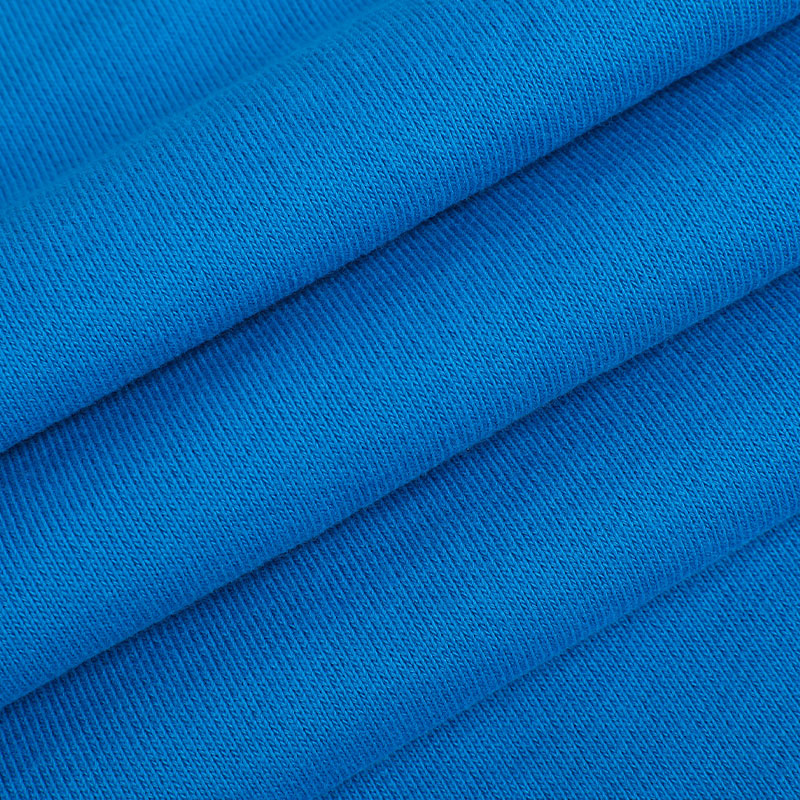
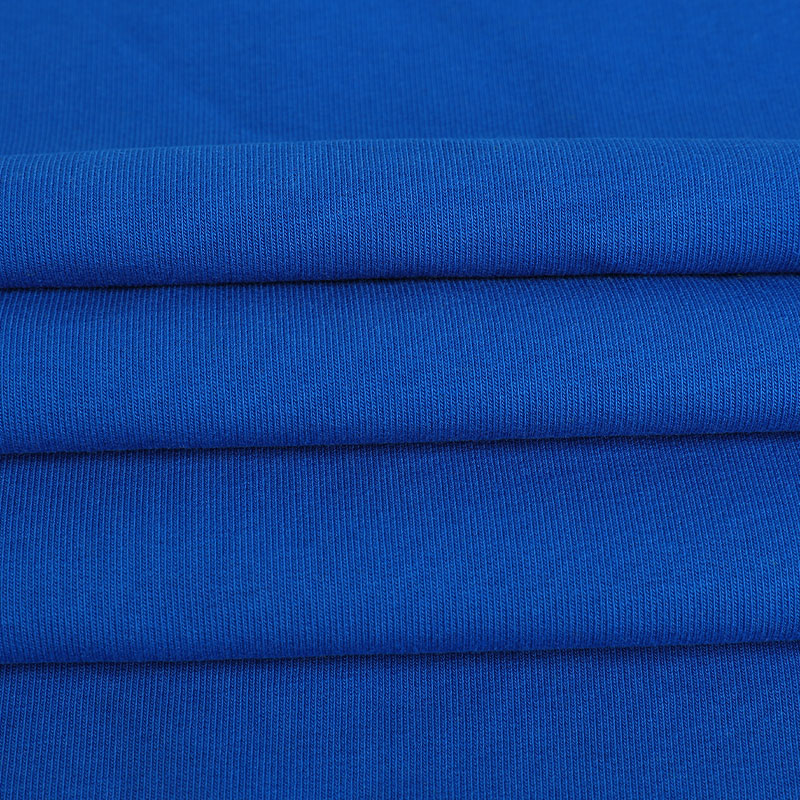
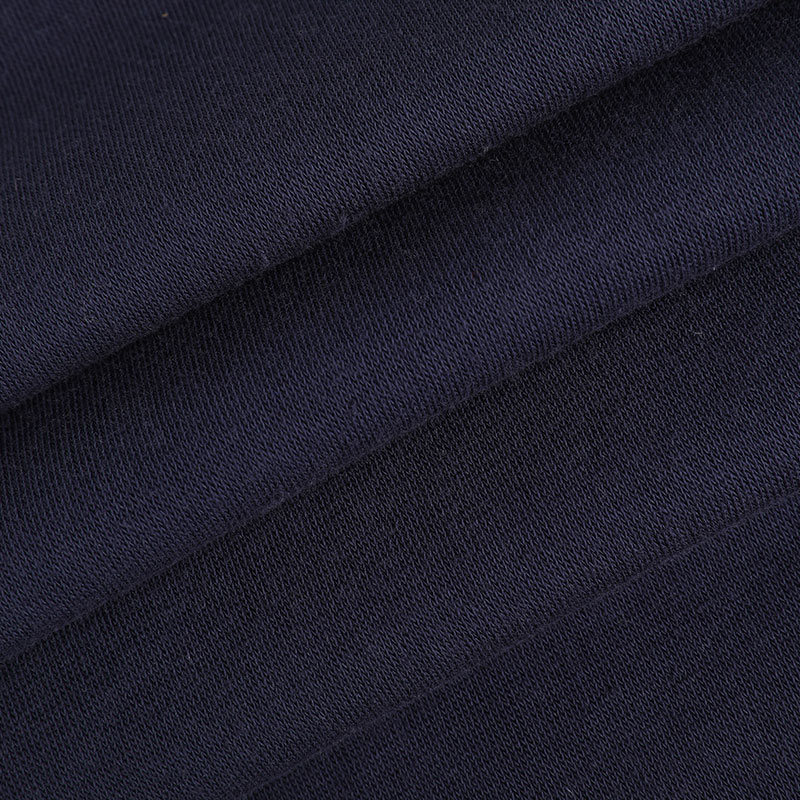
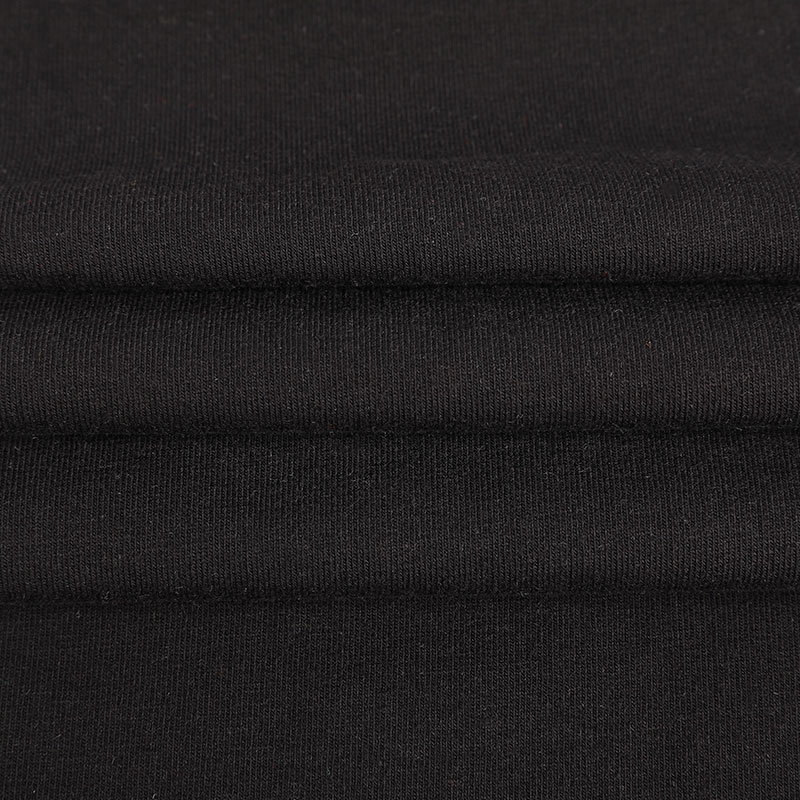
Contact Us for more details
Want to know more? Message Us Right Now!
A sourcer opens a courier parcel and pulls out a swatch labeled cotton knit. The tech pack says 100% cotton. The lab report on the next page reads 94.6% cotton and 5.4% elastane. The color is right, the hand feel is right, and the order is still on hold because three words and one number do not agree with each other. ...
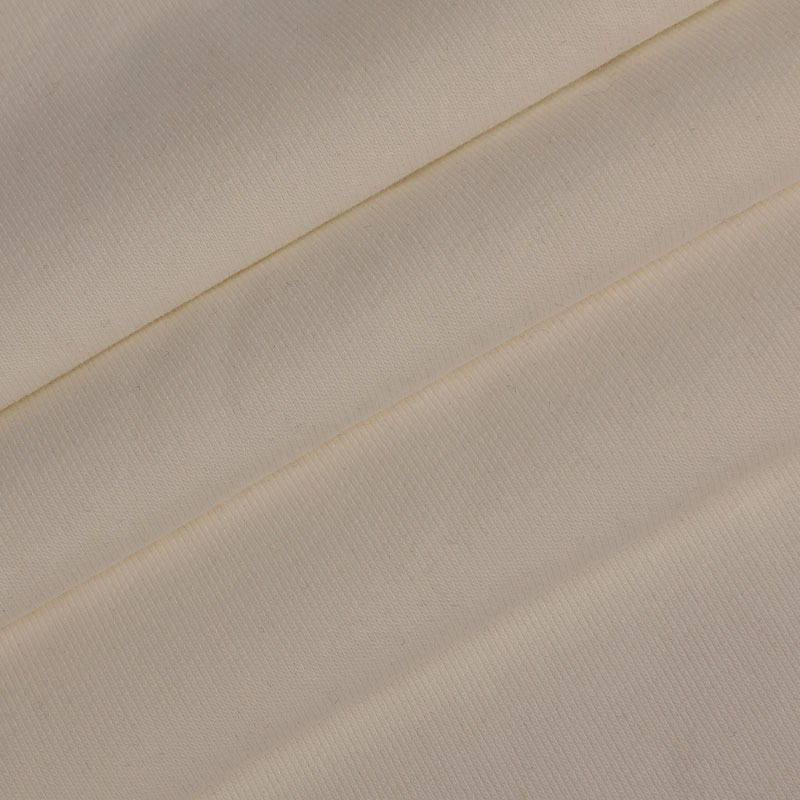
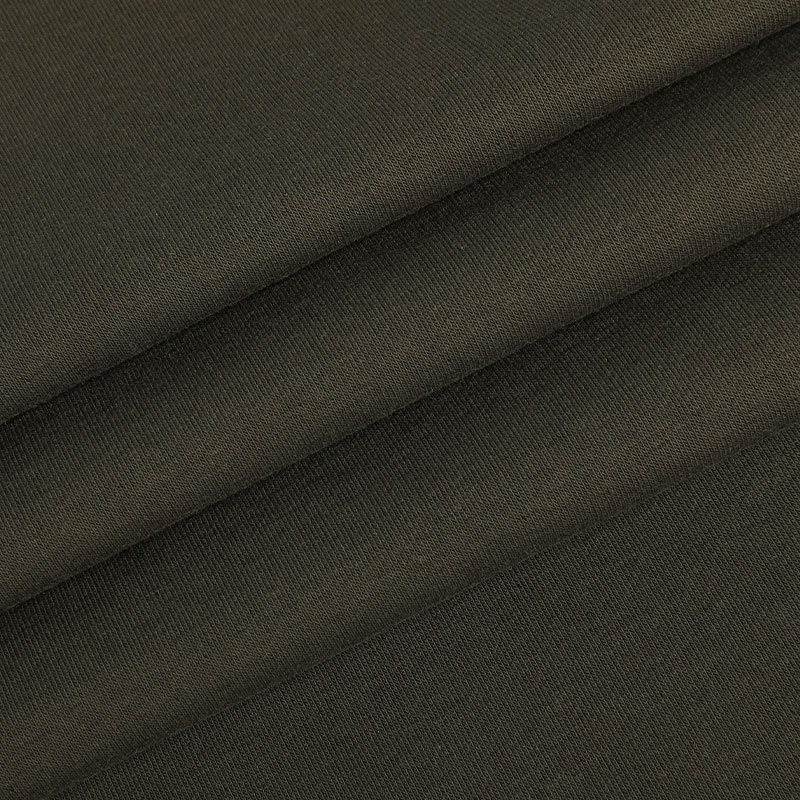
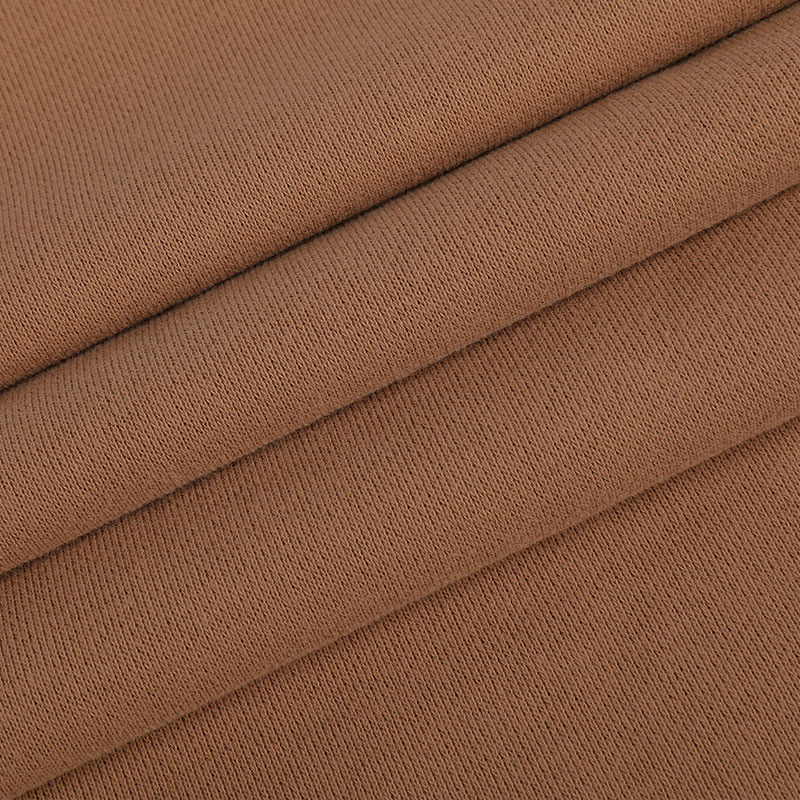
Cotton knit is a soft, stretchy fabric made by looping cotton yarns together rather than weaving them over and under. That single structural fact explains most of what buyers, designers, and product developers notice in the material: it stretches, it breathes, it drapes, and it can be engineered into very different we...
A Portuguese buyer sends a 40-metre sample request with one line attached: what is jersey knit cotton fabric, and can you knit it at 180 gsm? That single question usually hides three more. How much will it shrink after three home washes? How much will it stretch across the width? Will the tenth container match the lab...
Want to know more? Message Us Right Now!
The global apparel landscape in 2026 continues to lean heavily into the "quiet luxury" ethos, a design philosophy that prioritizes understated elegance, textile substance, and minimal branding. Within this paradigm, fashion houses and sourcing managers are shifting away from synthetic blends in favor of authentic, tactile fabrics that convey comfort through texture alone. Among these materials, 100% cotton terry knit has emerged as a preferred substrate for high-end resort wear, elevated loungewear, and premium casual collections. The dominance of this fabric rests on its unique structural weight, natural fiber profile, and its ability to balance casual utility with a sophisticated visual aesthetic.
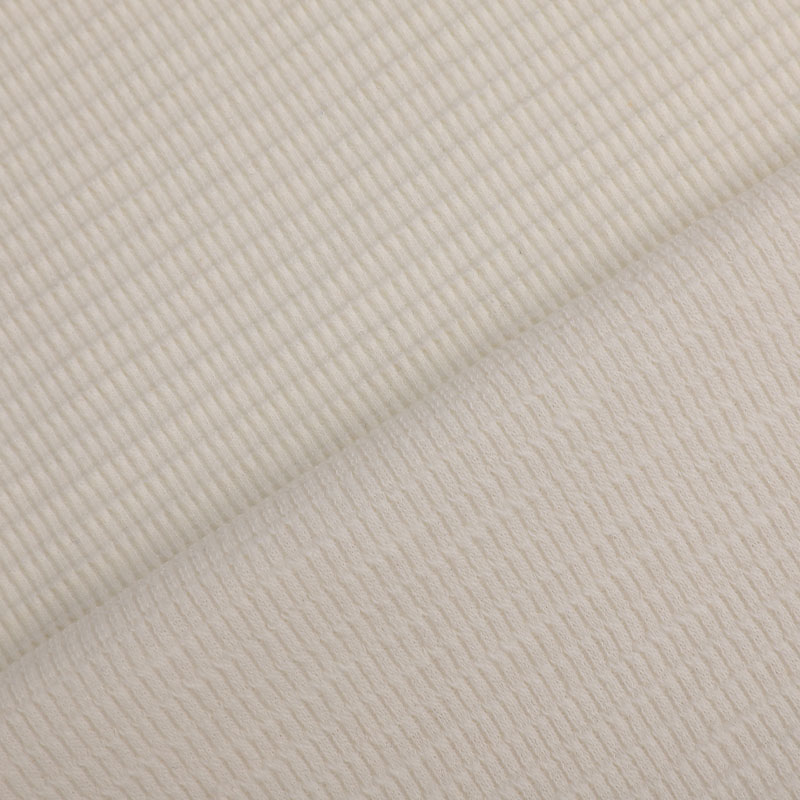
The physical composition of a 100% cotton terry knit is fundamental to its position in the premium market. Unlike woven terry cloth, which can feel rigid and bulky, the knitted variant incorporates unbroken loops of yarn on the surface while maintaining the fluid drape and crosswise stretch of a knit textile. This loop architecture creates a multi-dimensional surface texture that catches light softly, offering an organic appearance that flat fabrics cannot replicate. Sourcing teams select this material because the density of the loops provides inherent body to garments, allowing sweatshirts, shorts, and unstructured blazers to hang with a relaxed yet tailored silhouette. This structural integrity ensures the garment looks intentional rather than sloppy, satisfying a core requirement of modern luxury consumers.
When evaluators examine options for high-tier collections, they weigh physical performance alongside raw aesthetics. The table below illustrates how 100% cotton terry knit stands relative to other premium materials frequently considered in the 2026 market, highlighting the specific trade-offs inherent to each textile choice.
| Fabric Type | Fiber Content | Tactile Property | Weight Density | Market Positioning |
| Premium Terry Knit | 100% Cotton | Soft, looped surface texture | Medium to Heavy | Resort wear, elevated loungewear |
| Roma Fabric | Rayon/Nylon/Spandex Blend | Smooth, compact double-knit | Heavy | Structured tailoring, casual suiting |
| Pearl Fleece | Polyester or Cotton Blend | Dense, granular brushed face | Medium | Technical sportswear, cozy mid-layers |
| Fine Interlock | 100% Cotton or Silk Blend | Flat, silky double-sided face | Light to Medium | Base layers, minimalist T-shirts |
The contemporary luxury consumer increasingly demands monomateriality—garments made from a single fiber type rather than multi-fiber synthetic blends. This shift is driven partly by circularity considerations and partly by the tactile superiority of unblended plant fibers. A 100% cotton composition allows the terry knit to breathe naturally, absorbing moisture efficiently while regulating body temperature in temperate or tropical climates. Synthetic additions often alter the aging process of a garment, leading to surface pilling or an unnatural sheen over time. By utilizing pure cotton, mills ensure that the textile develops a soft patina with age, enhancing its vintage appeal and alignment with long-term wardrobe sustainability.
Successfully manufacturing high-grade cotton terry knit requires precise machine calibration and deep mechanical expertise. Controlling yarn tension during the loop-formation phase is critical; uneven tension can result in skipped loops or a streaky fabric face that ruins the minimalist aesthetic demanded by the market. Mills like Tongxiang Ruicheng Knitting Co., Ltd., which operate across the entire knitting industry, manage these complexities by leveraging specialized machinery capable of handling heavy yarn feeds without distorting the backing matrix. This technical capability ensures that when the fabric moves to cutting tables, it retains its dimensional stability, minimizing waste and ensuring consistency across large production runs.
While standard cotton terry knit remains a bedrock material, the evolution of the market has prompted premium manufacturers to introduce subtle yarn variations to differentiate their offerings. Recent developments include blending cotton with wool or cashmere fibers within the terry framework, or experimenting with single-sided fleece techniques for specific lamination processes. These innovations allow brands to transition the casual terry silhouette into colder seasons, expanding the functional footprint of the fabric. Experienced entities with broad product portfolios are able to navigate these shifting preferences smoothly, offering buyers options that range from traditional striped knit terry to experimental small jacquard iterations that feature micro-textured surface designs.
Sourcing a pure cotton terry knit involves navigating specialized supply chains where yarn quality directly dictates the final product value. Long-staple cotton fibers must be selected to avoid surface shedding and to ensure the loops remain intact after commercial laundering. Working with a textile producer that possesses established business channels and decades of operational history minimizes the risks of material variance. A knowledgeable manufacturing partner understands how the fabric behaves during industrial dyeing processes, ensuring deep, uniform color penetration that resists fading, thereby securing the understated, long-lasting quality that defines the current luxury market.
Q: How does the dimensional stability of cotton terry knit compare to structured double-knits like Roma fabric during garment manufacturing?
A: Cotton terry knit features a unique loop structure on one or both sides, which provides a plush texture but inherently offers more mechanical stretch and less rigid stability than a double-knit configuration like Roma fabric. To ensure high-quality garment construction, textile manufacturers carefully control the knitting tension and often utilize post-knitting finishing processes. This balancing act allows the fabric to maintain its characteristic loop pile loft without suffering from the edge curling or distortion commonly associated with looser, single-knit constructions.
Q: In what ways can blending polyester or wool with a cotton terry knit enhance the performance of activewear and loungewear?
A: While a 100% cotton terry knit offers exceptional natural absorbency and softness, incorporating other fibers alters its physical properties for specific end-uses. Introducing polyester creates a polyester-cotton blend that improves the tensile strength, reduces drying time, and minimizes shrinkage in industrial laundering. On the other hand, integrating wool into a cotton-wool terry blend enhances thermal insulation and moisture-wicking capabilities, making the textile highly suitable for premium, multi-season outerwear.
Q: What specific machinery considerations must an experienced producer like Tongxiang Ruicheng Knitting Co., Ltd. manage when transitioning production from a fine single jersey to a heavier terry cloth?
A: Transitioning production lines from fine textiles like single jersey to a looped terry cloth requires significant adjustments to the knitting elements. Technicians must modify the cylinder gauge, yarn feed rates, and sinker settings to accommodate the creation of the pile loops without snapping the ground yarns. Leveraging a deep history in the production of diverse knitted products ensures that the needle selection and machine timing are precisely calibrated, preventing skipped stitches and guaranteeing a uniform loop height across the entire fabric width.
Q: How does the moisture absorption mechanism of a classic cotton terry knit differ from a synthetic air layer fabric?
A: The moisture management of a cotton terry knit relies primarily on mechanical surface area and the natural hydrophilic properties of cotton fibers; the exposed loops create a vast surface that traps and absorbs liquid directly into the yarn matrix. Conversely, a synthetic air layer fabric manages moisture and temperature through an internal structural pocket or specialized polyester filaments designed to channel vapor away rather than storing fluid. This makes terry knit the preferred choice for direct blotting and high-absorbency applications like bathrobes or sportswear linings.
Q: What finishing techniques are applied to a single-sided cotton terry knit to prepare it for fleece lamination?
A: For a single-sided cotton terry knit intended for lamination or transformation into a fleece product, the technical focus shifts to surface modification. The looped side can undergo a precise shearing or raising process to open up the yarn fibers, creating a consistent, brushed texture often referred to as pearl fleece or single-sided fleece. Additionally, the flat technical back of the fabric must be kept free of oil residues and surface fuzz to ensure maximum adhesion when bonding it to functional membranes or secondary technical textiles.

 CONTACT US