English
 中文简体
中文简体Content
- 1 What Kind of Fabric Is Cotton Knit? A Direct Answer
- 2 How Cotton Knit Fabric Is Made: Yarn, Loops, and Machines
- 3 The Main Types of Cotton Knit Fabric
- 4 Cotton Jersey vs Rib vs Interlock vs Pique: A Structural Comparison
- 5 Yarn Count, Weight, Width, and Stretch: Reading a Cotton Knit Spec Sheet
- 6 Common Cotton Blends and Specialty Cotton Knits
- 7 Performance Factors: Shrinkage, Pilling, Colorfastness, and Hand Feel
- 8 How to Choose the Right Cotton Knit for a Product
- 9 Sourcing and Manufacturing Considerations for Cotton Knit Fabrics
- 10 Sustainability and Traceability in Cotton Knit Supply
- 11 FAQ: Cotton Knit Fabric Questions Buyers Ask
- 11.1 Is cotton knit the same as cotton jersey?
- 11.2 What is the most common cotton knit fabric?
- 11.3 Does cotton knit stretch?
- 11.4 What is the difference between cotton knit and woven cotton?
- 11.5 Which cotton knit is best for T-shirts?
- 11.6 What does 32s mean in cotton knit?
- 11.7 How much does cotton knit shrink?
- 11.8 Can cotton knit be dyed in many colours?
- 11.9 What are the main risks when buying cotton knit fabric?
- 11.10 How should I specify cotton knit fabric for bulk production?
- 11.11 Is cotton knit suitable for all seasons?
- 11.12 What is the difference between cotton terry and cotton fleece?
Cotton knit is a soft, stretchy fabric made by looping cotton yarns together rather than weaving them over and under. That single structural fact explains most of what buyers, designers, and product developers notice in the material: it stretches, it breathes, it drapes, and it can be engineered into very different weights and surfaces depending on the knitting machine, yarn count, and finishing route. The most common types include cotton jersey, cotton rib, cotton interlock, cotton pique, cotton terry, cotton fleece, cotton air layer, and cotton waffle knit. Each one behaves differently in cutting, sewing, washing, and wear.
If you are choosing a cotton knit for apparel, home textiles, or accessory production, the practical question is not simply “what is it?” but “which cotton knit structure and specification will perform in my end product?” A 32s cotton jersey for a summer T-shirt, a 32s cotton spandex 1x1 rib for cuffs, and a 32s cotton terry for a hoodie may all begin with cotton yarn, yet they are not interchangeable. This guide explains the fabric family, the main structures, the spec sheet language, the performance risks, and the sourcing decisions that matter when cotton knit fabric moves from a sample table to bulk production.
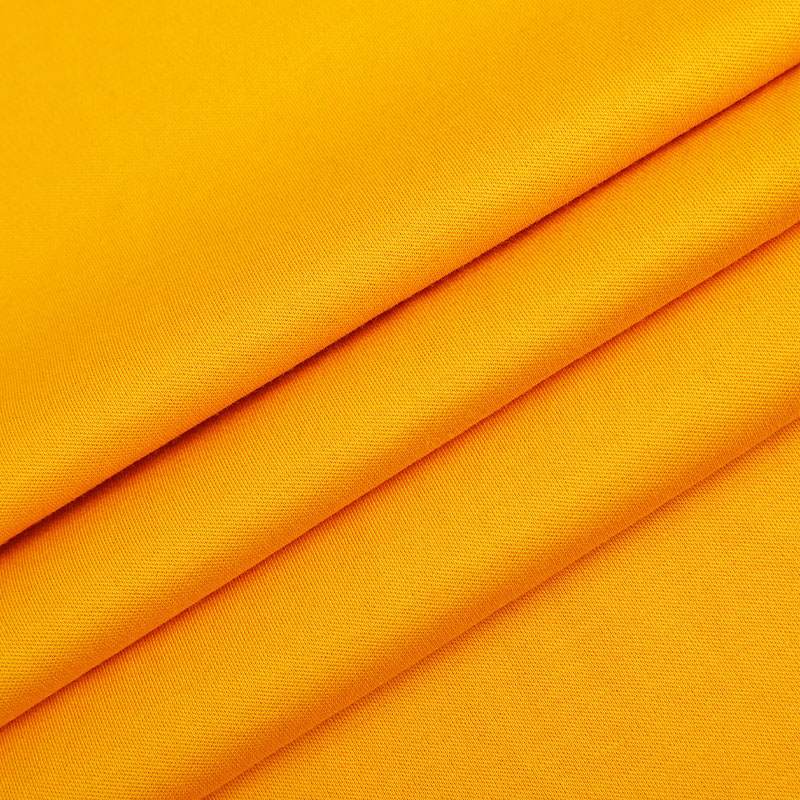
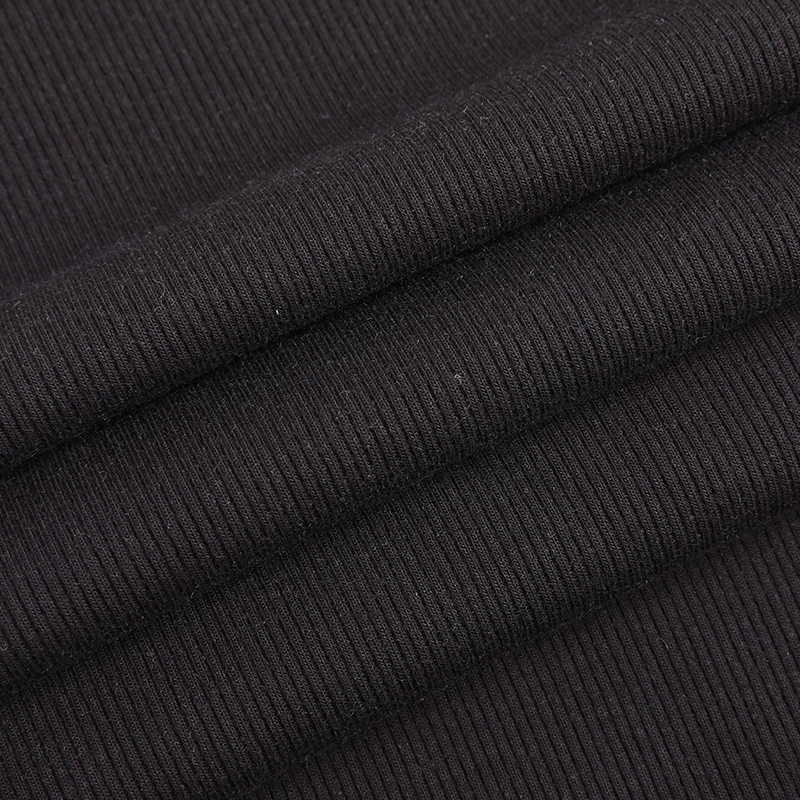
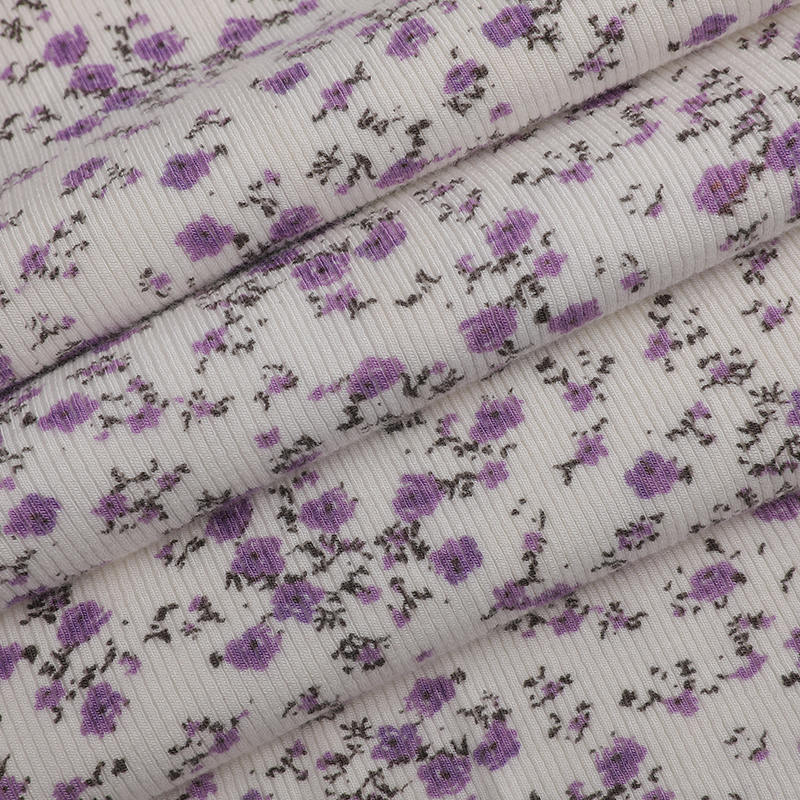
 40s JC BCI Imported Yarn + 30D Spandex Single JerseyCotton-spandex jersey deftly combines the soft comfort of cotton with the elastic properties of spandex. This blend gives the fabric both good breathability and moistu...View Product →
What Kind of Fabric Is Cotton Knit? A Direct Answer
Cotton knit is a knitted fabric in which the primary yarn is cotton or a cotton-rich blend. It belongs to the weft-knitted family, meaning the loops run horizontally across the fabric width and interlock with loops from the next row. This is different from woven cotton, where warp and weft yarns cross at right angles. The loop structure gives cotton knit its natural elasticity, air permeability, and soft hand feel. It also means the fabric can recover from stretching, although the amount of recovery depends on whether elastane is added and how the fabric is finished.
The term “cotton knit” covers a wide range. A lightweight single jersey at 140 gsm and a heavy three-thread fleece at 320 gsm are both cotton knits, but they serve different purposes. A plain jersey may be used for a T-shirt or underwear; a rib may be used for neckbands and cuffs; an interlock may be used for a stable, two-sided garment; a pique may be used for a polo shirt; a terry may be used for sweatshirts; and an air layer may be used for a structured, warm fabric with a gap between two surfaces. The fibre content also varies: 100% cotton, cotton with spandex, cotton with polyester, cotton with Lenzing Modal, cotton with Tencel, cotton with linen, and cotton with bamboo are all possible.
A useful definition for sourcing is this: cotton knit is a looped cotton-based fabric whose final character is defined by four variables. First, the yarn: fibre length, spinning method, count, and blend. Second, the knit structure: jersey, rib, interlock, pique, terry, fleece, air layer, waffle, or jacquard. Third, the machine gauge and finishing route: tubular or open width, mercerized, brushed, sheared, calendered, or laminated. Fourth, the performance target: drape, opacity, warmth, stretch, recovery, moisture handling, or surface texture.
Buyers often ask whether cotton knit is the same as jersey. Jersey is one type of cotton knit, not the whole category. Cotton knit is the family; jersey is a member of that family. The same distinction applies to rib, interlock, pique, terry, fleece, and waffle. When a supplier quotes “cotton knit,” always ask for the specific structure, yarn count, weight, width, composition, and finish. The generic term is a starting point, not a purchase specification. For a broader comparison of knitted and woven cotton fabrics, see this cotton knit versus woven fabric guide.
How Cotton Knit Fabric Is Made: Yarn, Loops, and Machines
Cotton knit production begins with cotton yarn. The yarn may be carded, combed, compact-spun, open-end spun, or blended with other fibres. Combed cotton removes short fibres and creates a smoother, stronger yarn, which is why 40s combed cotton jersey often feels cleaner and more refined than a comparable carded cotton. Yarn count matters because finer yarns produce lighter, smoother fabrics, while coarser yarns produce heavier, more textured fabrics. Common counts in cotton knit include 21s, 26s, 30s, 32s, 40s, and 50s. A 21s cotton jersey is generally heavier and more textured; a 40s cotton jersey is lighter and smoother; a 50s cotton interlock can be very fine and silky.
The knitting machine forms loops with needles. In a single jersey machine, one set of needles creates loops on one side, producing a fabric with a face and a back. In a rib machine, two sets of needles work in opposite directions, creating vertical ridges and greater stretch. In an interlock machine, two sets of needles produce a balanced, two-sided fabric with less curl and more stability. Pique machines create a textured surface with raised cells or mesh effects. Terry machines draw extra yarn into loops on one or both sides, creating absorbency and warmth. Fleece machines produce a raised, brushed back for insulation. Air layer machines knit two fabric surfaces and connect them with yarns, trapping air for warmth without heavy weight.
- Fibre preparation: cotton is cleaned, carded, combed if required, and spun into yarn.
- Yarn preparation: yarns are wound, sometimes dyed, and blended with elastane or other fibres.
- Knitting: the yarn is looped on a circular or flat knitting machine to form greige fabric.
- Dyeing and finishing: the fabric is scoured, bleached, dyed, washed, and treated for shrinkage, hand feel, or function.
- Inspection and packing: the fabric is checked for width, weight, defects, shade, and roll length before shipment.
After knitting, finishing can change the fabric dramatically. Mercerization increases lustre, strength, and dye uptake. Brushing raises fibres for a softer, warmer surface. Shearing cuts the surface for a cleaner look. Calendering presses the fabric for a smoother, flatter hand. Compacting controls shrinkage and stabilizes dimensions. Enzymatic washing can soften the fabric and reduce surface hairiness. These steps are not cosmetic details; they influence yield, sewing behaviour, and the final garment’s appearance after repeated laundering.
For a deeper look at how knit loops form jersey and related structures, this complete guide to jersey and cotton knit fabrics is a useful reference. The key point for buyers is that two fabrics with the same fibre content can behave differently if the yarn count, machine gauge, loop length, or finishing route differs. That is why a spec sheet should always accompany a cotton knit sample.
The Main Types of Cotton Knit Fabric
Cotton knit is not one fabric but a family of structures. The table below summarizes the most common types, their typical construction, and their usual applications. The weight ranges are indicative and can vary by mill, yarn, and finish.
| Cotton Knit Type | Structure | Typical Weight | Common Uses |
|---|---|---|---|
| Cotton jersey | Single knit, one face and one back | 120–200 gsm | T-shirts, underwear, dresses, linings |
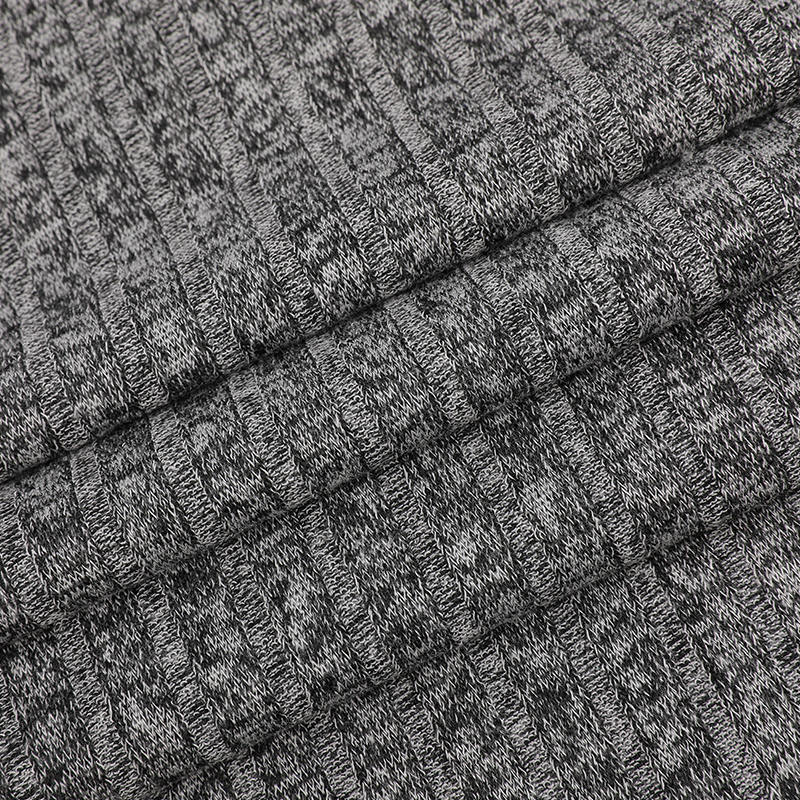
| Cotton rib | Alternating knit and purl wales | 180–320 gsm | Cuffs, collars, neckbands, fitted tops |
| Cotton interlock | Two interlocked single knits | 180–280 gsm | Polos, babywear, stable tops, two-sided garments |
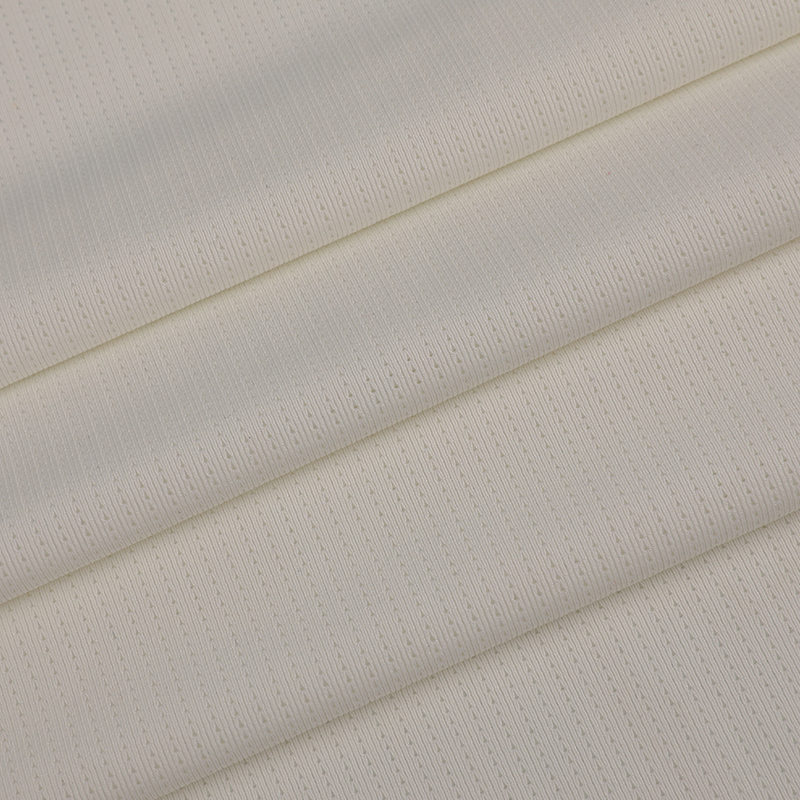
| Cotton pique | Textured knit with raised cells or mesh | 160–240 gsm | Polo shirts, sportswear, collared knits |
| Cotton terry | Loop pile on one or both sides | 220–360 gsm | Sweatshirts, hoodies, towels, loungewear |
| Cotton fleece | Brushed or sheared back | 240–400 gsm | Warm sweatshirts, joggers, winter casualwear |
| Cotton air layer | Two surfaces connected by spacer yarns | 220–380 gsm | Structured jackets, warm tops, mattress covers |
| Cotton waffle | Textured grid or honeycomb surface | 200–320 gsm | Thermal wear, robes, blankets, textured tops |
Jersey
The lightest and most common cotton knit. It stretches across the width, curls slightly at the edges, and takes print well. Good for high-volume basics.
Rib
Highly elastic and dimensional. Used where fit and recovery matter, especially cuffs, collars, and body-hugging panels. Often contains spandex for better memory.
Interlock
Two-sided, stable, and smooth. Less curl than jersey and less stretch than rib. A strong choice for garments that need a clean face on both sides.
Terry
Looped surface for absorbency and warmth. Can be French terry, loop terry, or mini terry. The loop height and yarn count determine whether it feels light or heavy.
Specialty versions extend the family further. Cotton slub jersey introduces irregular thick and thin yarns for a natural, textured look. Cotton jacquard knit creates patterns in the loop structure rather than by printing. Cotton spandex jersey adds 20d or 30d elastane for stretch and recovery. Cotton-CVC blends combine cotton with polyester for strength and cost control. Cotton-Modal, cotton-Tencel, and cotton-linen blends improve drape, moisture management, or temperature feel. Cotton-bamboo blends offer a soft, cool hand. Each variation changes the sourcing conversation because fibre blend affects dyeing, shrinkage, and care requirements.
Cotton Jersey vs Rib vs Interlock vs Pique: A Structural Comparison
When buyers compare cotton knits, they often focus on weight and price first. Structure deserves equal attention because it determines stretch direction, recovery, curl, opacity, and sewing behaviour. The comparison below uses typical commercial ranges, not absolute limits. A mill can produce a heavier jersey or a lighter rib, but the structural tendencies remain useful.
| Property | Cotton Jersey | Cotton Rib | Cotton Interlock | Cotton Pique |
|---|---|---|---|---|
| Stretch direction | Widthwise mainly | Widthwise, high | Widthwise, moderate | Widthwise, moderate |
| Recovery without spandex | Low to moderate | Moderate | Moderate | Low to moderate |
| Edge curl | High | Low | Low | Low to moderate |
| Surface | Smooth, plain | Ridged, elastic | Smooth, two-sided | Textured, cellular |
| Typical use | T-shirts, tops | Cuffs, collars, fitted tops | Polos, stable tops | Polos, sport shirts |
Jersey is the workhorse. It is economical, printable, and comfortable, but it curls at the cut edges and can stretch out at the neckline if not stabilized. Rib solves some of that problem with high elasticity and excellent recovery, especially when 20d or 30d spandex is added. Interlock is more stable than jersey because two loop layers balance each other; it resists curling and gives a clean look on both sides. Pique adds texture and airiness, which helps with breathability and visual interest, but its surface can be more prone to snagging depending on the yarn and finish.
For garment engineers, the choice affects pattern making, sewing, and finishing. A jersey T-shirt may need ribbed neck tape or a self-fabric collar with enough recovery. A ribbed cuff needs consistent elasticity so it does not bag out after washing. An interlock polo benefits from a stable body panel that holds its shape after repeated wear. A pique polo may need a tighter gauge to reduce distortion at the placket. These are not minor details; they determine whether the garment looks acceptable after five washes or after twenty.
How to Read the Stretch and Recovery Signals
- If the fabric snaps back quickly after stretching, it has good recovery; if it stays stretched, it may need more elastane or a tighter knitting structure.
- If the cut edge curls strongly, plan for more careful handling, edge stabilization, or a different structure.
- If the fabric feels heavy but thin, check the yarn count and loop length; weight alone does not indicate durability.
- If the surface looks uneven after dyeing, check for yarn variation, tension issues, or insufficient finishing control.
Yarn Count, Weight, Width, and Stretch: Reading a Cotton Knit Spec Sheet
A cotton knit specification is a compact technical story. When you read “40s JC 30d spandex single jersey,” you are looking at yarn count, fibre type, elastane linear density, and knit structure in one line. “40s” means a finer cotton yarn; “JC” usually indicates combed cotton; “30d spandex” means 30 denier elastane is added; “single jersey” names the structure. A buyer who can decode these terms can compare quotations more accurately and avoid approving a sample that cannot be reproduced in bulk.
Yarn count influences weight, smoothness, opacity, and cost. Finer counts such as 40s and 50s produce lighter, smoother fabrics with a softer hand, but they may be less durable in high-abrasion applications. Coarser counts such as 21s and 26s produce heavier, more textured fabrics with greater cover and often lower cost per kilogram. Weight, measured in grams per square metre, affects warmth, drape, and yield. Width, measured in centimetres or inches, affects cutting efficiency and marker planning. Stretch and recovery depend on the loop structure and elastane content. A 95% cotton / 5% spandex jersey may stretch comfortably and recover well, while a 100% cotton jersey may stretch but not fully return.
| Spec Term | Meaning | Practical Effect |
|---|---|---|
| 21s, 26s, 32s, 40s | Yarn count; higher number means finer yarn | Finer yarn gives smoother, lighter fabric; coarser yarn gives heavier, more textured fabric |
| JC / combed cotton | Combed cotton yarn with short fibres removed | Smoother, stronger, cleaner surface; usually higher cost |
| CVC | Chief value cotton, usually cotton-rich with polyester | Better strength and shape retention, often lower cost than 100% cotton |
| 20d, 30d, 40d spandex | Elastane denier; higher number means thicker elastane | More stretch and recovery, but also more care needed in dyeing and finishing |
| GSM | Grams per square metre | Indicates weight, warmth, and yield; must be checked against tolerance |
| Width | Usable fabric width | Affects cutting efficiency and garment panel size |
Weight tolerance is a common source of dispute. A fabric quoted at 180 gsm may be acceptable within plus or minus 5%, but the buyer must state that tolerance in the purchase order. The same applies to width, shrinkage, and colour. A mill that controls these variables consistently is more valuable than one that offers the lowest initial price but delivers variable rolls. For cotton knits with spandex, relaxation and heat-setting are critical because the elastane can continue to shrink or recover after dyeing if the finishing route is not controlled.
The chart above is a relative illustration, not a weight scale. It shows how finer yarn counts generally move a cotton knit toward a lighter, smoother profile. The exact values must come from the mill’s test report. When comparing suppliers, ask for the same test method and the same finished fabric state.
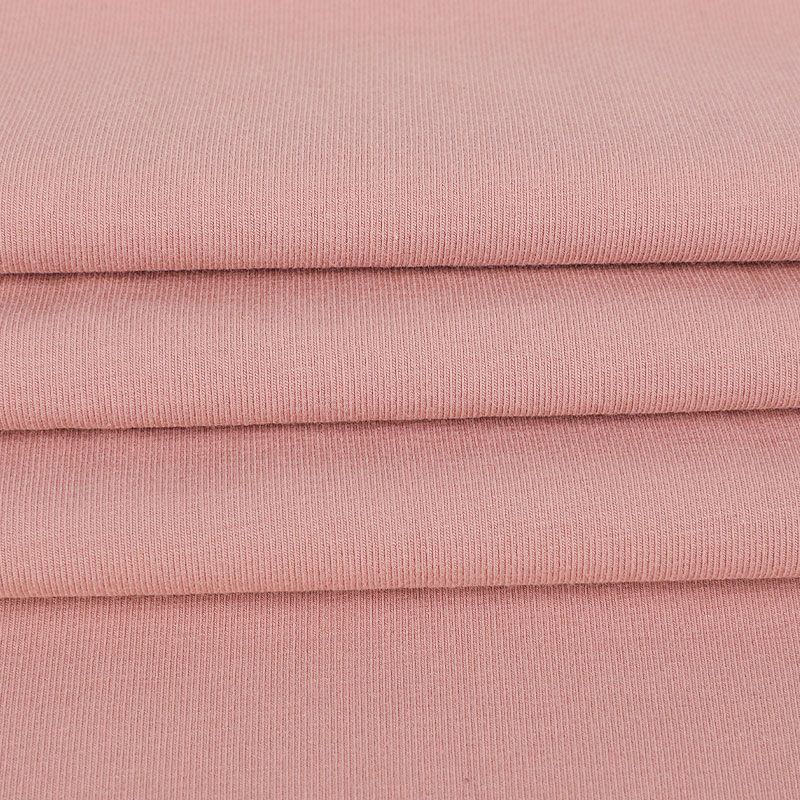
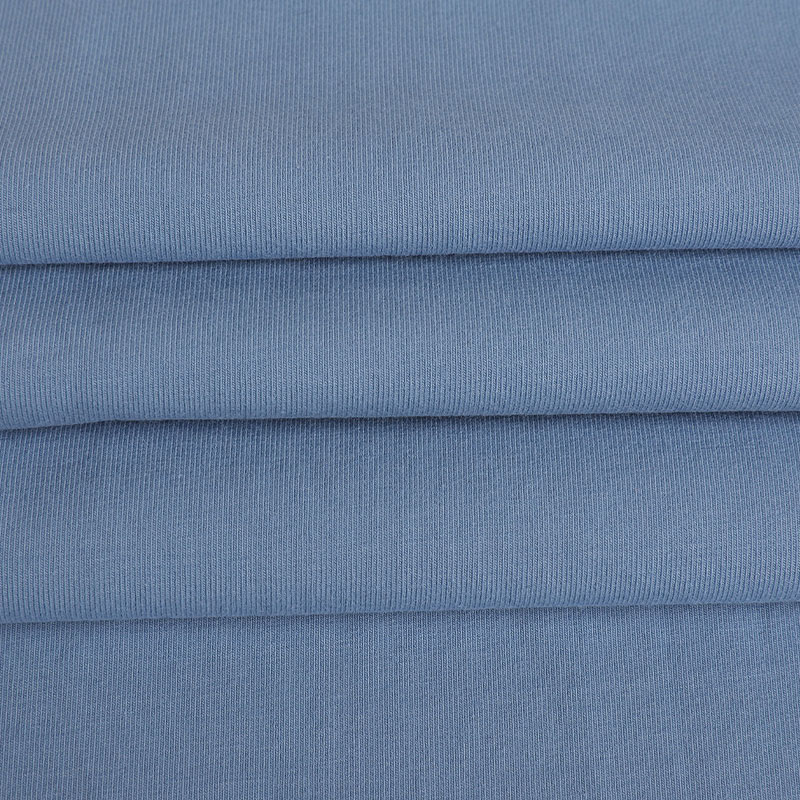 40s JC + 30D Spandex Single JerseyCotton spandex jersey combines the comfort of cotton and the elasticity of spandex, making the fabric not only have good breathability and moisture absorption, but als...View Product →
Common Cotton Blends and Specialty Cotton Knits
100% cotton knit is comfortable and breathable, but it is not always the best technical choice. Blending cotton with other fibres can improve strength, drape, moisture management, shape retention, or cost. The blend ratio and the fibre type must be stated clearly because they affect dyeing, shrinkage, care labelling, and hand feel. A 60% cotton / 40% polyester jersey behaves differently from a 95% cotton / 5% spandex jersey, even if both are called cotton knit.
Cotton + Spandex
Adds stretch and recovery. Common in fitted tops, rib cuffs, and garments that need to hold shape. Elastane content usually ranges from 3% to 8%.
Cotton + Polyester
Improves strength, abrasion resistance, and shape retention. Often used in CVC or TC blends for cost control and durability.
Cotton + Modal
Lenzing Modal adds softness, drape, and moisture handling. A 40s cotton-Modal jersey can feel silkier and cooler than 100% cotton.
Cotton + Tencel
Lenzing Tencel brings smoothness and strength. Blends with cotton are used in premium T-shirts, loungewear, and breathable tops.
Cotton + Linen
Creates a textured, breathable fabric with a natural look. Often used in summer shirts and relaxed knitwear.
Cotton + Bamboo
Offers a soft, cool hand and good drape. Bamboo-cotton jersey and rib are common in underwear and casualwear.
Specialty cotton knits also include BCI cotton, organic cotton, recycled cotton, and slub cotton. BCI cotton refers to cotton sourced through the Better Cotton Initiative, which focuses on more sustainable cotton farming practices. Organic cotton avoids synthetic pesticides and fertilisers under certified systems. Recycled cotton reduces reliance on virgin fibre, although it may have shorter fibres and different strength characteristics. Slub cotton uses irregular yarn thickness to create a natural, vintage-style surface. These options can support a brand’s sourcing story, but they must be verified with transaction certificates or mill documentation if the claim is going to appear on a label or marketing page.
Functional cotton knits are another growing category. Cotton can be blended with nylon or polyester to improve durability, or finished with treatments for moisture wicking, odour control, or mosquito repellency. A 40d nylon odour-eliminating 30d spandex mosquito-repellent fullplated interlock is an example of how far the category can extend. These fabrics are not ordinary commodity knits; they require close communication between the buyer, the mill, and the finishing partner because the functional effect must survive washing and wear.
Performance Factors: Shrinkage, Pilling, Colorfastness, and Hand Feel
Cotton knit performance is judged after washing, wearing, and repeated use, not only on the inspection table. Four factors matter most in commercial programs: shrinkage, pilling, colourfastness, and hand feel. Each one can be controlled, but control costs money and requires a clear specification. A buyer who does not state tolerances should expect variability.
| Performance Factor | Why It Matters | Practical Control |
|---|---|---|
| Shrinkage | Garments can become too small or twisted after laundering | Compacting, pre-shrinking, controlled relaxation, and agreed wash tests |
| Pilling | Surface balls make the fabric look worn | Better yarn quality, lower surface hairiness, appropriate finishing, and pilling tests |
| Colourfastness | Colour can bleed, fade, or transfer during wear and washing | Reactive dyeing for cotton, proper soaping, shade approval, and wash/light tests |
| Hand feel | Softness affects comfort and perceived quality | Combed yarn, enzyme wash, silicone finishing, or brushing depending on the target |
| Spirality | Garment seams can twist after washing | Balanced loop length, appropriate yarn twist, and relaxation before cutting |
Shrinkage is especially important for cotton knit because the loop structure can relax and contract. A 100% cotton jersey may shrink 5% to 8% in the width and length if it is not properly compacted. A cotton-spandex knit may shrink less but can still distort if the elastane is not heat-set correctly. Buyers should request wash test results for the exact finished fabric, not a generic data sheet. The test should state the wash temperature, drying method, and number of cycles.
Pilling is influenced by fibre length, yarn twist, knitting tension, and finishing. Short fibres migrate to the surface and form pills. Combed cotton reduces this risk because short fibres are removed. Brushed fabrics are more prone to pilling because the surface fibres are raised. Colourfastness depends on dye selection and washing. Reactive dyes form strong bonds with cotton and generally give good wash fastness, but poor soaping or insufficient fixation can leave loose dye on the surface. Hand feel is subjective, but it can be measured through softness panels or instrumental tests. For a T-shirt, a soft, smooth hand may be the priority; for a workwear polo, durability and colour retention may matter more.
How to Set Tolerances
- Define the end use and the expected number of wash cycles.
- Choose the test method and acceptance level before sampling.
- Test the finished fabric, not the greige fabric.
- Record the shade, weight, width, and shrinkage results on the approved sample card.
- Reference those values in the purchase order so bulk production has a clear target.
 32s CVC + 32s CVC + 30D Spandex Terry FabricComing From China, Marketing To The World.View Product →
How to Choose the Right Cotton Knit for a Product
The right cotton knit is the one that satisfies the product’s functional and commercial requirements at an acceptable cost. Start with the end use, then work backwards to structure, weight, composition, and finish. A summer T-shirt has different needs from a winter hoodie, a baby bodysuit, or a pair of fitted leggings. The following decision path helps reduce sampling rounds and avoid mismatched expectations.
For Lightweight Tops
Choose 32s or 40s cotton jersey, optionally with 20d or 30d spandex for recovery. Target 140–180 gsm and a smooth, printable surface.
For Polo Shirts
Choose 32s or 40s cotton pique, or a cotton-CVC pique for durability. Target 180–220 gsm with a stable, textured surface.
For Cuffs and Collars
Choose 32s cotton rib with 20d or 30d spandex. Test recovery after repeated stretching and washing.
For Warm Casualwear
Choose cotton terry, fleece, or air layer. Target 260–360 gsm and confirm warmth, weight, and shrinkage.
For Babywear
Choose soft combed cotton interlock or jersey with gentle finishing. Avoid rough surfaces and verify fibre safety requirements.
For Textured Fashion
Choose slub jersey, waffle knit, jacquard, or mercerized cotton for visual interest and a premium hand.
After selecting a structure, define the specification in writing. Include fibre composition with tolerances, yarn count, knit structure, finished weight, finished width, shrinkage limits, colourfastness requirements, hand feel target, and packing details. Attach a physical sample or a sealed swatch. If the product has a specific care label, make sure the fabric can support it. A “machine wash cold, tumble dry low” claim is not compatible with a fabric that has high residual shrinkage or poor colourfastness.
Cost should be evaluated on a total-cost basis, not only price per kilogram. A cheaper fabric may have lower yield, higher shrinkage, more defects, or poor dye consistency, which increases cutting waste, sewing repairs, and customer returns. A slightly more expensive cotton knit with stable width and controlled shrinkage can reduce total garment cost. The same logic applies to minimum order quantity, lead time, and payment terms. In many programs, reliability is worth more than the lowest quotation.
When possible, run a pilot production before bulk. Cut, sew, wash, and evaluate a small number of garments. This reveals how the cotton knit behaves in the real manufacturing process. It also gives the design and production teams a shared reference. The pilot can expose problems such as edge curling, needle damage, seam slippage, or shade variation that are difficult to see on a flat swatch.
Sourcing and Manufacturing Considerations for Cotton Knit Fabrics
Sourcing cotton knit fabric is a balance of technical fit, capacity, quality consistency, and communication. Many buyers begin with a price inquiry, but the more effective approach is to send a complete specification and a target application. A mill that understands the end use can recommend the right yarn count, structure, and finishing route instead of quoting a generic fabric that may not perform. This is especially true when the product needs stretch, recovery, softness, or specific functional properties.
- Confirm the mill’s knitting capacity, machine gauge, and available yarn counts before committing to a structure.
- Ask for finished fabric test reports covering weight, width, shrinkage, colourfastness, and pilling.
- Clarify minimum order quantity, lead time, sample lead time, and whether lab dips or bulk dyeing are included.
- Agree on inspection standards, defect definitions, roll length, and packaging requirements.
- Check how the mill controls shade consistency across multiple dye lots.
- Discuss contingency plans for yarn shortages, dyeing delays, or finishing capacity limits.
For buyers working with a manufacturer that also develops and trades fabrics, the advantage is technical support from fibre selection through finished rolls. A vertically integrated or semi-integrated supplier can coordinate yarn, knitting, dyeing, and finishing more closely, which reduces the risk of mismatched specifications. It also makes it easier to develop new structures, such as cotton-Modal blends, cotton-linen knits, or functional cotton fabrics with odour control or moisture management.
Geographic location affects logistics and communication. A mill in the Yangtze River Delta region, for example, has access to major ports, highways, and textile supply chains. That can shorten raw material lead times and simplify export shipping. Buyers should still verify the mill’s actual production capability, quality system, and export experience rather than relying on location alone. Factory audits, sample testing, and reference checks remain essential.
If you are looking for a knit fabric manufacturer that can discuss cotton jersey, rib, interlock, pique, terry, fleece, air layer, and blended cotton knits in technical terms, start with a clear brief. Include the end product, target weight, stretch requirement, colour standard, and expected order quantity. A focused inquiry usually receives a faster and more accurate response than a general request for “cotton knit fabric price.” For an overview of the supplier’s capabilities, see the knit fabric manufacturer home page.
Sustainability and Traceability in Cotton Knit Supply
Sustainability claims in cotton knit sourcing must be specific and verifiable. “Eco-friendly cotton” is not a useful specification. BCI cotton, organic cotton, recycled cotton, and Lenzing fibres each have different requirements and documentation. A buyer who plans to use a sustainability claim on a hangtag or website should request the relevant certificate or transaction record. Without traceability, the claim creates legal and reputational risk.
BCI Cotton
Supports more sustainable cotton farming practices. It is a mass-balance approach, not a guarantee that the final fabric contains only BCI cotton.
Organic Cotton
Grown under certified organic standards. Requires chain-of-custody documentation if the final product will carry an organic claim.
Recycled Cotton
Reduces virgin fibre demand but may have shorter fibres. Blending with virgin cotton or polyester can improve strength and spinability.
Lenzing Fibres
Modal, Tencel, and viscose from Lenzing are traceable and have documented fibre origins. They can improve softness and drape in cotton blends.
Dyeing and finishing also affect the environmental profile of cotton knit. Reactive dyeing is common for cotton because it gives good colourfastness, but it consumes water and energy. Low-liquor dyeing machines, cold pad-batch dyeing, and improved wastewater treatment can reduce impact. Finishing chemicals should be reviewed for compliance with buyer restricted substance lists. If the fabric will be used in children’s products, additional safety requirements may apply.
Traceability is not only about fibre. It covers yarn spinning, knitting, dyeing, finishing, inspection, and packing. A responsible supply chain can identify where each step occurred and provide records when needed. This level of documentation is increasingly requested by brands that publish sustainability reports or make specific product claims. For cotton knit buyers, the practical step is to ask early: what evidence can the mill provide, and at what cost? If the answer is vague, the claim should not proceed.
FAQ: Cotton Knit Fabric Questions Buyers Ask
Is cotton knit the same as cotton jersey?
No. Cotton knit is the broader family of looped cotton fabrics. Jersey is one specific knit structure within that family. Cotton rib, interlock, pique, terry, fleece, air layer, and waffle are other types of cotton knit. When a supplier says “cotton knit,” ask for the exact structure and specification.
What is the most common cotton knit fabric?
Single jersey is the most common. It is used in T-shirts, underwear, dresses, and lightweight tops. It is economical, comfortable, and easy to print or dye. However, it curls at the edges and may not recover well without spandex. Rib and interlock are also common, especially where fit and stability matter.
Does cotton knit stretch?
Yes, cotton knit stretches because of its loop structure. The amount depends on the knit type and elastane content. Single jersey usually stretches more in the width than in the length. Rib stretches significantly in the width. Interlock stretches moderately. Adding 20d or 30d spandex improves recovery and helps the garment keep its shape.
What is the difference between cotton knit and woven cotton?
Cotton knit is made from interlocking loops, so it stretches, breathes, and drapes. Woven cotton is made from crossing warp and weft yarns, so it is more stable, less stretchy, and often crisper. Shirts, trousers, and bedding are often woven; T-shirts, sweatshirts, and leggings are often knit.
Which cotton knit is best for T-shirts?
For a standard T-shirt, 32s or 40s cotton jersey at 140–180 gsm is a good starting point. If the shirt needs shape recovery, choose a cotton-spandex jersey with 20d or 30d spandex. If a heavier, more structured look is required, consider 26s or 30s jersey, but test the hand feel and drape first.
What does 32s mean in cotton knit?
32s refers to the yarn count. It means the yarn is relatively fine compared with 21s and relatively coarse compared with 40s. A 32s cotton jersey usually has a balanced combination of softness, weight, and durability. It is one of the most widely used counts for casual knitwear.
How much does cotton knit shrink?
Shrinkage depends on the fabric, finishing, and washing conditions. A properly compacted 100% cotton jersey may shrink about 3% to 5%. Without compaction, it can shrink more. Cotton-spandex knits usually shrink less if they are heat-set correctly. Always request wash test results for the finished fabric and state your acceptable tolerance in the purchase order.
Can cotton knit be dyed in many colours?
Yes. Cotton knit can be dyed with reactive dyes, which bond well with cellulose fibres and provide good wash fastness. Colour consistency across dye lots depends on the mill’s dyeing control, yarn quality, and finishing. Buyers should approve lab dips and bulk shade bands before production.
What are the main risks when buying cotton knit fabric?
The main risks are shrinkage beyond tolerance, shade variation, width variation, weight variation, pilling, spirality, and late delivery. These risks can be reduced by a clear specification, approved sample, defined test methods, and a supplier with consistent production controls. Price alone is not a reliable indicator of quality.
How should I specify cotton knit fabric for bulk production?
Provide the fibre composition, yarn count, knit structure, finished weight, finished width, colour standard, shrinkage limits, colourfastness requirements, hand feel target, and packing instructions. Attach a sealed sample or swatch. State the end use so the mill can recommend the right finishing route. If functionality is required, specify the test method and performance level.
Is cotton knit suitable for all seasons?
Cotton knit can be adapted to different seasons. Lightweight jersey and pique are suitable for warm weather. Terry, fleece, and air layer are better for cooler conditions. Blends with Modal, Tencel, linen, or bamboo can change the temperature feel and moisture handling. The structure and weight are often more important than the fibre alone.
What is the difference between cotton terry and cotton fleece?
Cotton terry has visible loops on one or both surfaces. Cotton fleece usually has a brushed or sheared back that creates a soft, warm surface. Both are heavier than jersey and are used in sweatshirts, hoodies, and loungewear. The choice depends on whether you want a looped texture, a brushed surface, or a combination of both.