English
 中文简体
中文简体Content
- 1 How They Are Made: Structure Is Everything
- 2 Side-by-Side Comparison: Key Properties
- 3 Types of Cotton Knit Fabrics You Need to Know
- 4 Types of Woven Cotton and Their Applications
- 5 Comfort and Wearability: Which Feels Better?
- 6 Sewing With Cotton Knit Fabrics vs. Woven Cotton: Practical Differences
- 7 Care and Laundering: Shrinkage, Washing, and Longevity
- 8 Applications: Which Fabric Belongs Where?
- 9 Environmental and Sustainability Considerations
- 10 Buying Guide: How to Choose Between Cotton Knit and Woven Cotton
- 11 Final Summary: The Bottom Line
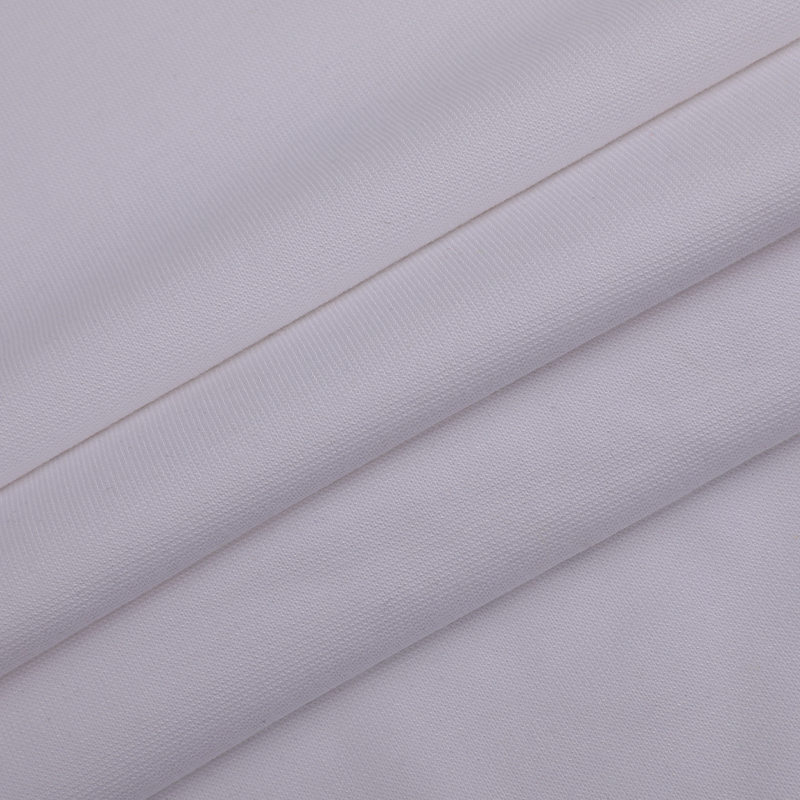
The core difference: cotton knit fabrics are made from interlocking loops of yarn, giving them stretch and flexibility, while woven cotton is constructed from threads crossing at right angles, producing a stable, structured material with little to no stretch. This single structural distinction drives nearly every practical difference between them — from how they feel against your skin to how they behave on a sewing machine. Whether you're a fashion designer, a home sewer, or a buyer sourcing materials, understanding these differences will save you time, money, and frustrating mistakes.
How They Are Made: Structure Is Everything
To truly understand the difference between cotton knit fabrics and woven cotton, you need to start at the construction level. The way each fabric is built at the loom or knitting machine determines virtually all of its downstream properties.
Cotton Knit Fabrics: Loops That Move
Cotton knit fabrics are produced by creating a series of interlocking loops from a continuous yarn. This loop-within-loop construction is similar in concept to hand knitting, but done industrially at high speed. The loops can flex and open under tension, which is precisely why knit fabrics stretch. There are two primary knitting directions:
- Weft knitting — yarn runs horizontally, forming rows of loops. This is the most common method for garment fabrics like jersey and rib knit.
- Warp knitting — multiple yarns run vertically in parallel. More stable than weft knitting, used in fabrics like tricot and mesh.
A standard single-jersey cotton knit fabric can stretch up to 50–75% in the crosswise direction without losing its original shape, making it ideal for fitted garments.
Woven Cotton: Threads That Lock
Woven cotton is produced on a loom where two sets of threads — the warp (running lengthwise) and the weft (running crosswise) — are interlaced at 90-degree angles. The pattern of over-and-under crossing determines the weave type. Common examples include plain weave (used for poplin and muslin), twill weave (used for denim and chino), and satin weave (used for cotton sateen). Because the threads are locked in place, woven fabrics have very little stretch — typically only 2–5% on the bias, and almost none on the grain.
Side-by-Side Comparison: Key Properties
The table below summarizes the most important practical differences between cotton knit fabrics and woven cotton across the properties that matter most to designers, manufacturers, and consumers.
| Property | Cotton Knit Fabrics | Woven Cotton |
|---|---|---|
| Structure | Interlocking loops | Interlaced perpendicular threads |
| Stretch | High (50–75% crosswise) | Minimal (2–5% on bias) |
| Drape | Soft, fluid, conforms to body | Structured, holds shape |
| Raw edges | Curls, may roll | Frays but lies flat |
| Breathability | Very high (open loop structure) | Good to high (varies by weave) |
| Shrinkage risk | Higher (up to 5–10%) | Lower (1–3% with pre-washing) |
| Sewing difficulty | Moderate to high (stretchy) | Low to moderate (stable) |
| Typical uses | T-shirts, leggings, underwear | Shirts, pants, denim, quilts |
| Price range (per yard) | $3–$12 (retail) | $2–$15 (retail) |
Types of Cotton Knit Fabrics You Need to Know
"Cotton knit fabric" is not a single material — it's a broad category with multiple distinct subtypes, each suited to different applications. Choosing the wrong type is one of the most common mistakes in fabric sourcing.
Jersey Knit
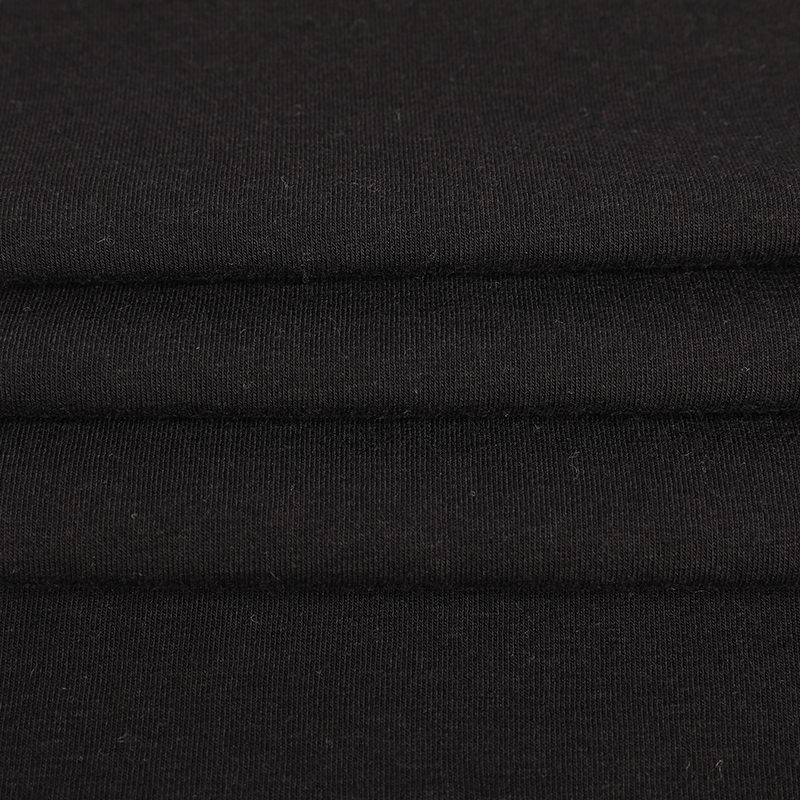
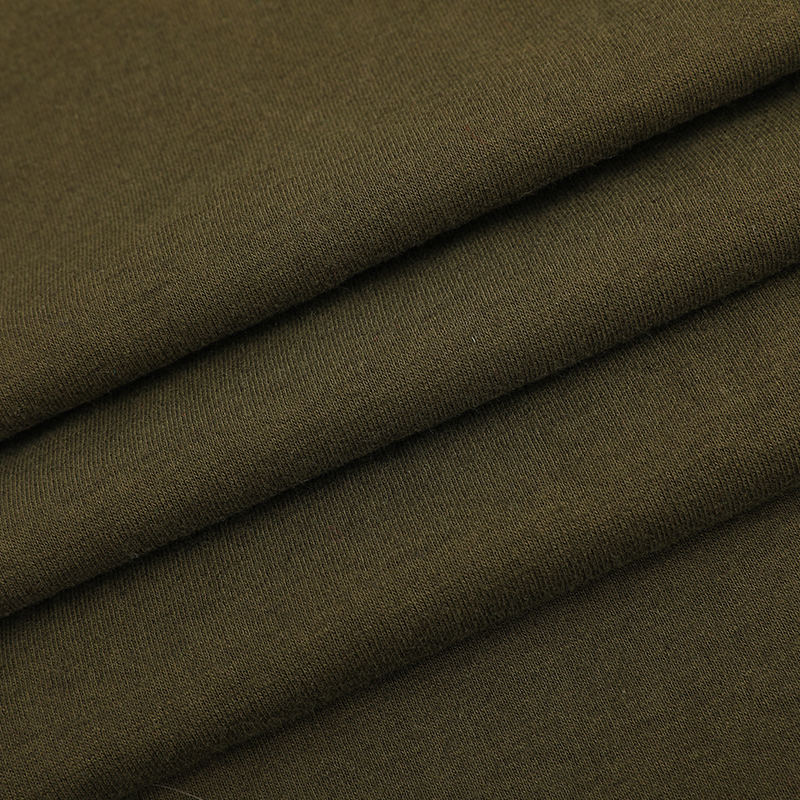
The most widely used cotton knit fabric in the world. Single jersey has a smooth face and a looped back, stretches primarily in one direction (crosswise), and is used for the vast majority of everyday T-shirts. A 100% cotton single jersey typically weighs between 140–180 gsm (grams per square meter). Double jersey, also called interlock, is thicker and more stable, with a smooth face on both sides — common in polo shirts and baby garments.
Rib Knit
Rib knit has vertical columns of loops alternating on the front and back, creating a distinctive ridged texture. It has excellent two-way stretch and strong recovery, meaning it springs back to its original shape. You'll find it in cuffs, neckbands, waistbands, and form-fitting tops. A common spec is 1x1 rib (alternating one knit, one purl column) or 2x2 rib (two and two), with the latter offering slightly more bulk and stability.
French Terry
French terry has a smooth outer surface and looped inner surface, giving it warmth and moisture-absorbing properties. It's heavier than standard jersey — typically 220–300 gsm — and is the standard fabric for sweatshirts, hoodies, and loungewear. Unlike regular terry cloth (used in towels), French terry loops are only on one side, keeping the garment exterior smooth.
Fleece Knit
Cotton fleece starts as a knit base that is then brushed mechanically to raise a soft nap on the inner surface. The result is an insulating, plush fabric ranging from 250–400 gsm, used for athletic wear, winter loungewear, and children's pajamas. Cotton fleece blended with polyester (80/20 or 50/50) is common for improved durability.
Waffle Knit
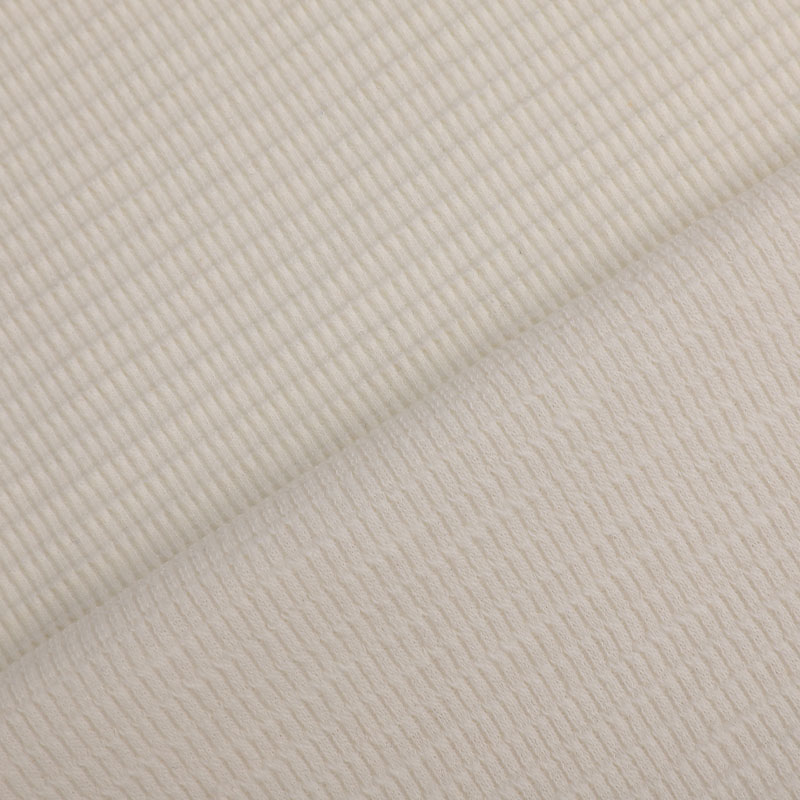
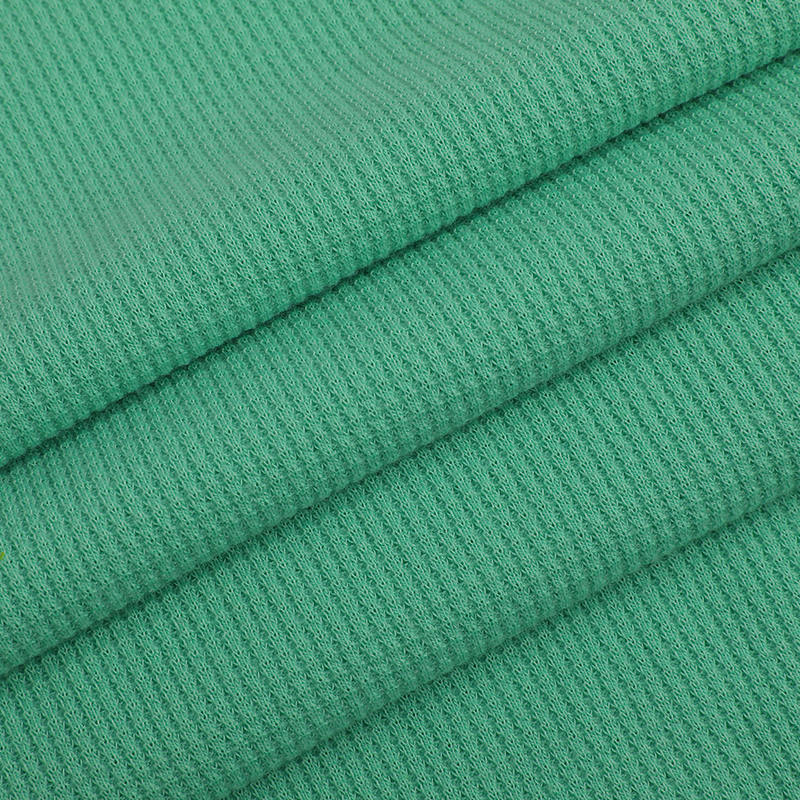
Named for its grid-like textured surface, waffle knit is constructed with a combination of knit and purl stitches arranged to create small square indentations. It is highly breathable due to the increased surface area, and its texture traps air for insulation. Common in thermal underwear, henleys, and casual tops.
Types of Woven Cotton and Their Applications
Woven cotton is equally diverse. Different weave patterns produce dramatically different fabric personalities, even when the same cotton yarn is used.
- Poplin / Broadcloth — A plain weave with a fine, smooth surface. Used for dress shirts and blouses. Typically 90–120 gsm.
- Denim — A 3×1 twill weave, traditionally yarn-dyed with indigo. Known for its diagonal rib texture and durability. Ranges from 8 oz (lightweight) to 14+ oz (heavyweight) per square yard.
- Muslin — A loose plain weave, inexpensive, and used heavily in garment prototyping (toile making). Thread count is low at 70–80 per inch.
- Twill — Diagonal weave lines create a strong, durable fabric used for chinos, workwear, and upholstery.
- Canvas / Duck — A heavy plain weave fabric with a thread count of 50–60 per inch. Used for bags, shoes, and outerwear.
- Sateen — A 4-over-1-under satin weave that produces a smooth, lustrous surface. Used in bedding and eveningwear.
- Quilting Cotton — A tight plain weave with vivid prints, 44–45 inches wide, and a weight of approximately 110 gsm. The standard fabric for patchwork and quilting projects.
Comfort and Wearability: Which Feels Better?
For most people, the most immediate question is: which one is more comfortable to wear? The answer depends on the intended use, but there are clear patterns.
Cotton knit fabrics generally win on body comfort for skin-close and active wear. Their stretch allows them to move with the body rather than against it, eliminating the binding or pulling sensation that can occur with structured wovens. The loop structure also creates a softer surface, which is why virtually all T-shirts, underwear, and baby onesies are made from knit rather than woven cotton. A 2019 consumer preference study by a major European textile institute found that 78% of respondents rated knit fabrics as more comfortable than wovens in casual and sleepwear categories.
However, woven cotton has distinct advantages in other wear scenarios:
- It resists deformation better — a crisp cotton poplin shirt maintains its shape throughout a workday, while a knit tee may stretch at the collar or hem over time.
- Wovens are easier to iron and hold a pressed crease, which matters for formal and professional garments.
- High thread-count woven cotton (e.g., 400 TC sateen) can feel exceptionally soft and luxurious, particularly for bedding.
Breathability and Moisture Management
Both fabric types breathe well because cotton itself is naturally moisture-absorbent, capable of absorbing up to 27 times its weight in water. However, knit fabrics tend to have slightly better airflow because the open loop structure allows more air circulation. This is why athletic and warm-weather garments consistently use knit cotton over woven cotton.
Sewing With Cotton Knit Fabrics vs. Woven Cotton: Practical Differences
For home sewers and garment manufacturers alike, cotton knit fabrics and woven cotton require fundamentally different techniques. Treating them the same is a guaranteed path to frustration.
Sewing Knits: What You Must Know
Because cotton knit fabrics stretch, your stitches must stretch with them or they will pop. Key requirements include:
- Stitch type: Use a zigzag stitch, stretch stitch, or a serger (overlock machine). A standard straight stitch on a knit will break when the seam is pulled. A 3-thread serger seam is the industry standard for knitwear.
- Needle: Use a ballpoint or stretch needle (size 75/11 or 90/14). A sharp needle can punch through loops and cause runs or holes in the fabric.
- Presser foot: A walking foot or Teflon foot reduces friction and prevents the fabric from being stretched as it feeds through the machine.
- Edge curling: Cotton knit raw edges naturally curl toward the face of the fabric. This is a structural property of weft knits, not a defect. Handle edges carefully and consider cutting larger seam allowances (at least ⅝ inch).
- Pattern adjustments: Knit patterns usually require less ease (extra room) than woven patterns because the fabric stretches to fit the body. A knit T-shirt pattern typically calls for 0–2 inches of ease, versus 3–4 inches in a comparable woven shirt pattern.
Sewing Wovens: More Forgiving, Different Rules
Woven cotton is more forgiving for beginners. Key guidelines include:
- Stitch type: A standard straight stitch works perfectly. Set your stitch length to 2.2–2.5 mm for most weights.
- Needle: A universal sharp needle (size 80/12 for lightweight, 90/14 for medium, 100/16 for heavy) works for most woven cottons.
- Fraying: Raw woven edges fray readily. Finish seams with a serger, zigzag stitch, or French seam to prevent unraveling.
- Grain line: Cutting on the straight grain is critical for wovens. Off-grain cutting leads to garments that twist or hang unevenly after washing.
Care and Laundering: Shrinkage, Washing, and Longevity
How you care for cotton knit fabrics vs. woven cotton differs significantly, and mistreating either can permanently damage your garment.
Shrinkage: The Biggest Risk with Knits
Cotton knit fabrics are more prone to shrinkage than wovens because their loop structure relaxes and contracts with heat and agitation. An unwashed 100% cotton jersey can shrink 5–10% in length after the first wash. This is why pre-washing your knit fabric before cutting patterns is essential. Best practice:
- Wash the fabric at the temperature you intend to use for the finished garment.
- Dry it the same way (tumble dry or air dry).
- Repeat once more if you want maximum pre-shrinkage before cutting.
Woven cotton also shrinks, but typically only 1–3% with proper pre-washing, and its more stable structure means it recovers shape better.
Washing Temperature Guidelines
| Fabric Type | Recommended Wash Temp | Drying Method | Ironing Temp |
|---|---|---|---|
| Cotton Jersey Knit | Cold or 30°C (86°F) | Air dry flat | Medium (150°C) |
| French Terry / Fleece Knit | Cold or 30°C (86°F) | Low tumble dry | Medium (150°C) |
| Cotton Poplin / Broadcloth | 40°C (104°F) | Tumble dry or hang | Hot (200°C) |
| Denim (Woven) | Cold (to preserve color) | Air dry inside out | High (210°C) |
| Canvas / Duck (Woven) | 40°C (104°F) | Air dry | High (210°C) |
Pilling and Wear Over Time
Cotton knit fabrics, especially lower-quality jersey with shorter fiber length, are more prone to pilling (the formation of small fiber balls on the surface) than tightly woven cottons. Long-staple cottons like Pima (extra-long staple, ELS) or Egyptian cotton resist pilling significantly better because longer fibers are less likely to break free from the yarn and tangle. When purchasing cotton knit fabric, look for combed cotton specifications, which indicate that short fibers have been removed during processing, resulting in a smoother, stronger, more pill-resistant yarn.
Applications: Which Fabric Belongs Where?
Knowing which fabric to choose for a specific application is not just about preference — it directly affects the performance, durability, and marketability of the finished product.
Best Uses for Cotton Knit Fabrics
- T-shirts and casual tops — Single jersey or interlock is the global standard. The T-shirt market alone represents over $45 billion USD annually, and virtually all of it is cotton knit.
- Underwear and intimates — Soft, stretchy, and gentle on skin. Rib knit and jersey dominate.
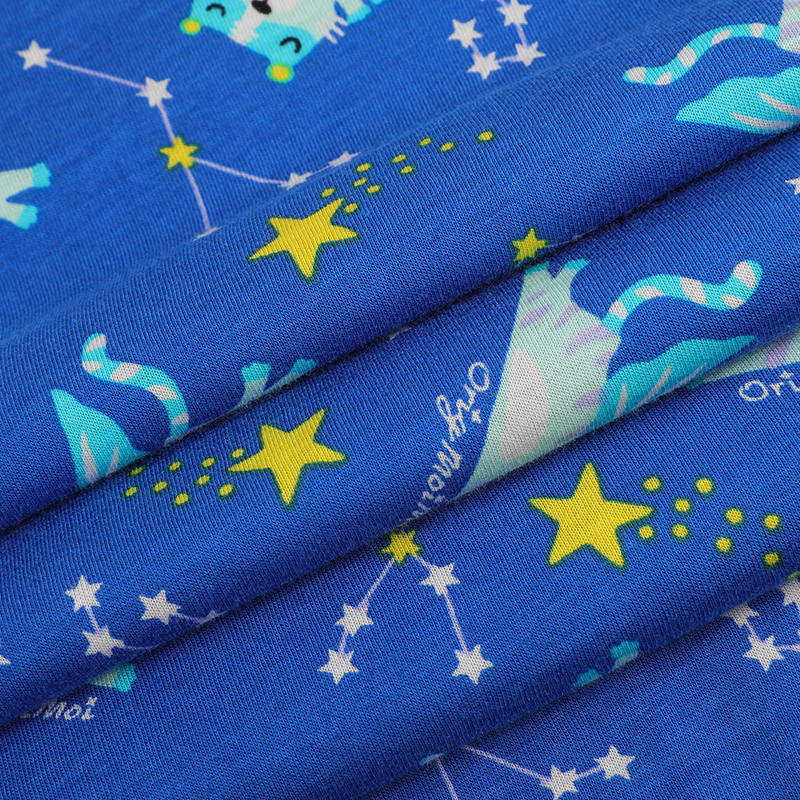
- Baby and children's clothing — The softness and stretch of knit fabrics make dressing easier and reduce skin irritation for sensitive baby skin.
- Athletic and activewear — Cotton knit blended with spandex (typically 95/5 cotton-spandex) provides stretch and recovery for gym wear and yoga clothing.
- Sweatshirts and loungewear — French terry and fleece knit are the primary fabrics for the global athleisure category, a market projected to exceed $550 billion globally by 2028.
- Nightwear and pajamas — Soft and breathable, knit cotton is ideal for sleepwear, especially in warm climates.
Best Uses for Woven Cotton
- Dress shirts and blouses — Poplin and broadcloth provide a crisp, professional appearance that knits cannot replicate.
- Trousers and chinos — Twill and canvas-weight wovens hold a clean drape and structure required for tailored bottoms.
- Denim garments — Jeans, jackets, and denim skirts rely on the rigidity and durability of woven denim.
- Quilting and crafts — Quilting cotton is exclusively a woven fabric; knits cannot be used for traditional patchwork.
- Home textiles — Woven cotton is used for curtains, tablecloths, upholstery fabric, and pillow covers where dimensional stability is required.
- High-end bedding — Cotton sateen and percale weaves are the standard for premium bed linens, with thread counts from 200 to 1000.
Environmental and Sustainability Considerations
As sustainability becomes a central concern in the textile industry, understanding the environmental profile of cotton knit fabrics versus woven cotton matters more than ever — both for brands positioning themselves as eco-conscious and for consumers making purchasing decisions.
Both fabric types share the same base raw material — cotton — so many of the environmental concerns are identical:
- Water usage: Conventional cotton production requires approximately 10,000–20,000 liters of water per kilogram of fiber, making it one of the most water-intensive crops in the world.
- Pesticide use: Conventional cotton accounts for approximately 6% of global pesticide use despite covering only 2.5% of arable land. Organic cotton certifications (GOTS, OCS) address this concern for both knit and woven fabrics.
- Biodegradability: Both 100% cotton knit and woven fabrics are biodegradable, decomposing within 1–5 months under composting conditions — a significant advantage over synthetic fabrics.
One key difference: knitting is generally more energy-efficient than weaving during manufacturing. Circular knitting machines can produce fabric at speeds of up to 30 rpm with lower energy input than shuttle looms. However, this advantage can be offset if the knitting process uses blended yarns with synthetic content that reduce biodegradability.
Certifications to Look For
- GOTS (Global Organic Textile Standard) — Covers the entire supply chain from fiber to finished fabric for both knit and woven cotton.
- OEKO-TEX Standard 100 — Tests for harmful substances in the finished fabric. Widely used for both knit baby products and woven textiles.
- Better Cotton Initiative (BCI) — A mass-balance certification program addressing water, soil, and labor practices in cotton growing.
- Fair Trade Certified — Ensures ethical labor practices in the growing and manufacturing process.
Buying Guide: How to Choose Between Cotton Knit and Woven Cotton
Use these decision criteria to choose the right fabric confidently for any project or purchase.
Choose Cotton Knit Fabrics When:
- The garment needs to stretch and recover — fitted tops, leggings, underwear, sportswear.
- Comfort is the primary requirement — everyday casual wear, sleepwear, baby clothing.
- You want soft, fluid drape against the body.
- You are designing for a market where athleisure, loungewear, or casual fashion dominates.
- You need to produce a garment quickly using a serger — knit garments often have fewer pattern pieces.
Choose Woven Cotton When:
- Structure and shape retention are important — dress shirts, trousers, tailored jackets, bags.
- The project requires precise cutting and sewing without stretch distortion — quilts, home décor, structured garments.
- You want the fabric to hold a pressed crease or maintain clean lines.
- You are sewing as a beginner and want more forgiving, stable fabric behavior.
- The end product will be subjected to significant abrasion or heavy daily use — workwear, denim, canvas bags.
Key Questions to Ask When Sourcing
- What is the fabric's gsm (grams per square meter) or oz/yd²? This determines weight and suitability for the end use.
- What is the fiber content? 100% cotton vs. cotton-polyester or cotton-spandex blends have significantly different stretch, care, and cost profiles.
- Has the fabric been pre-shrunk (Sanforized) or do I need to pre-wash before cutting?
- What is the fabric's stretch percentage and recovery? Ask for a swatch and test it before ordering in bulk.
- Does the supplier provide any certifications (GOTS, OEKO-TEX) relevant to your brand's sustainability positioning?
Final Summary: The Bottom Line
Cotton knit fabrics and woven cotton are not interchangeable — they are fundamentally different materials built for different purposes. Knit fabrics, with their loop-based structure and inherent stretch, dominate the casual, activewear, and intimate apparel markets. Woven cotton, with its stability and structure, is the backbone of tailored, formal, and craft applications.
The most successful designers and manufacturers are those who know instinctively when to use each — not just by appearance, but by understanding how each fabric's structure will affect pattern making, sewing technique, care instructions, final fit, and longevity. Whether you are building a sustainable fashion brand, managing a garment production line, or sewing at home, mastering this distinction is one of the highest-value investments of time you can make in your textile knowledge.
When in doubt: if it needs to stretch, use a knit. If it needs to hold its shape, use a woven. Everything else follows from that rule.