

 English
 中文简体
中文简体 +86-13967368270
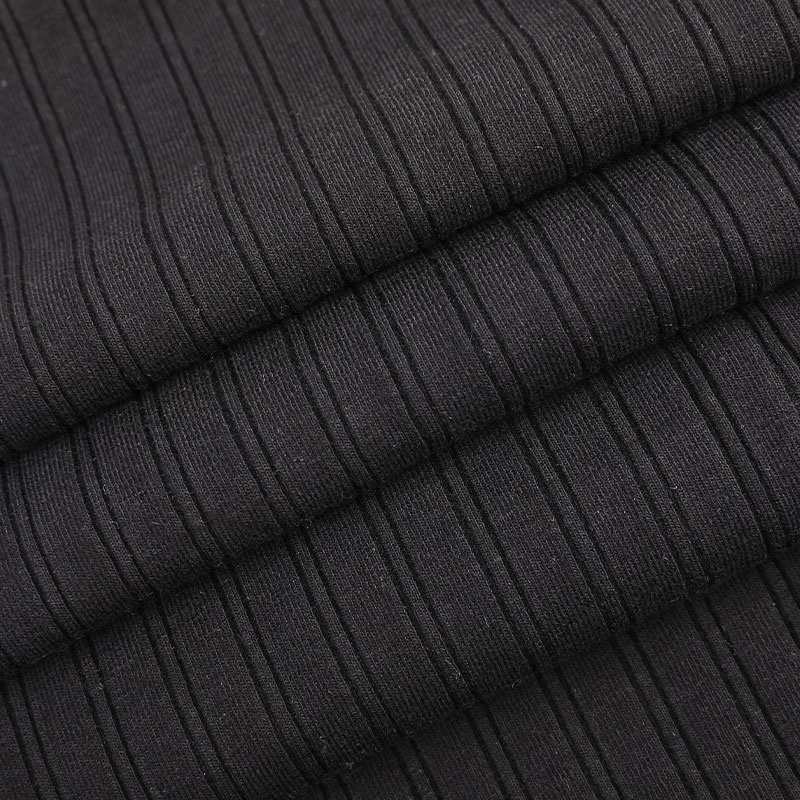
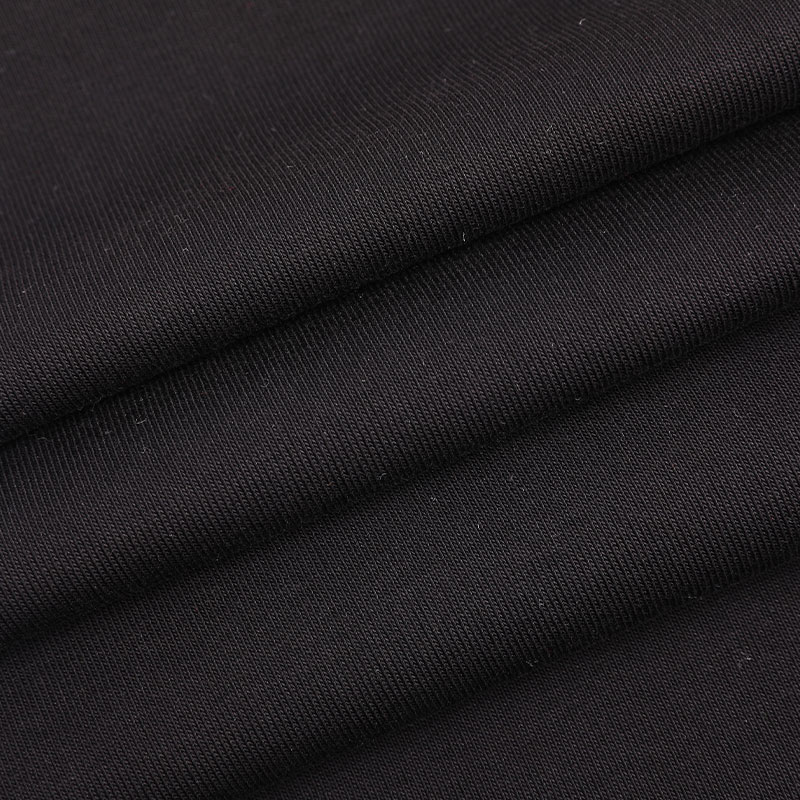
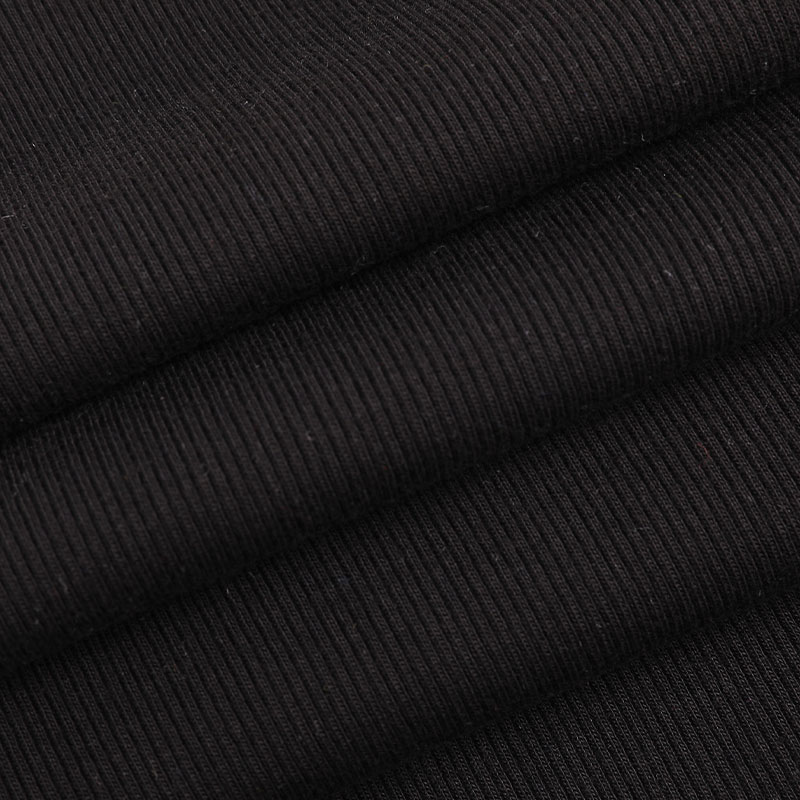
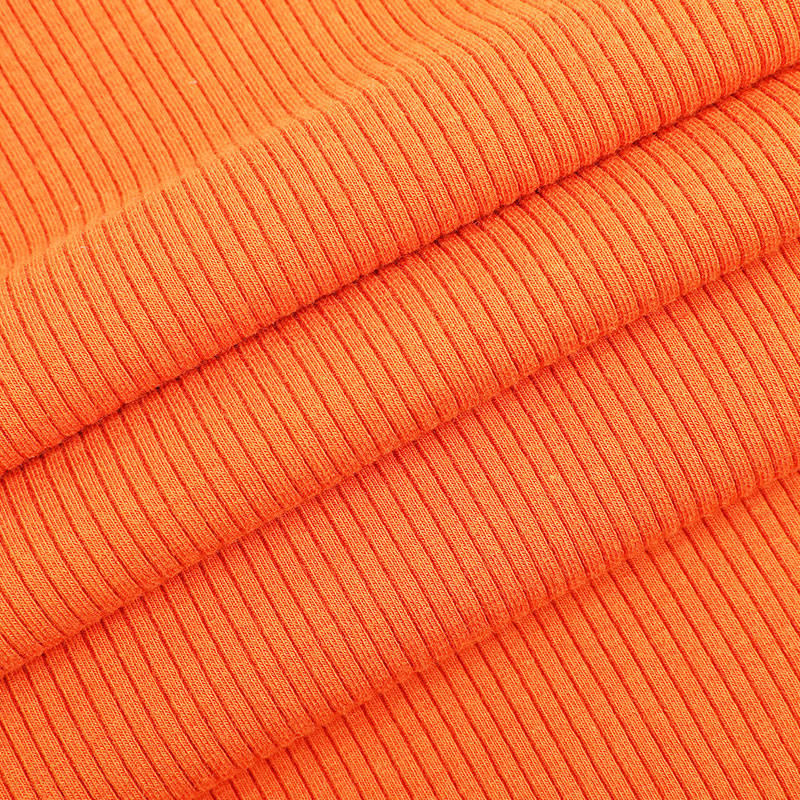
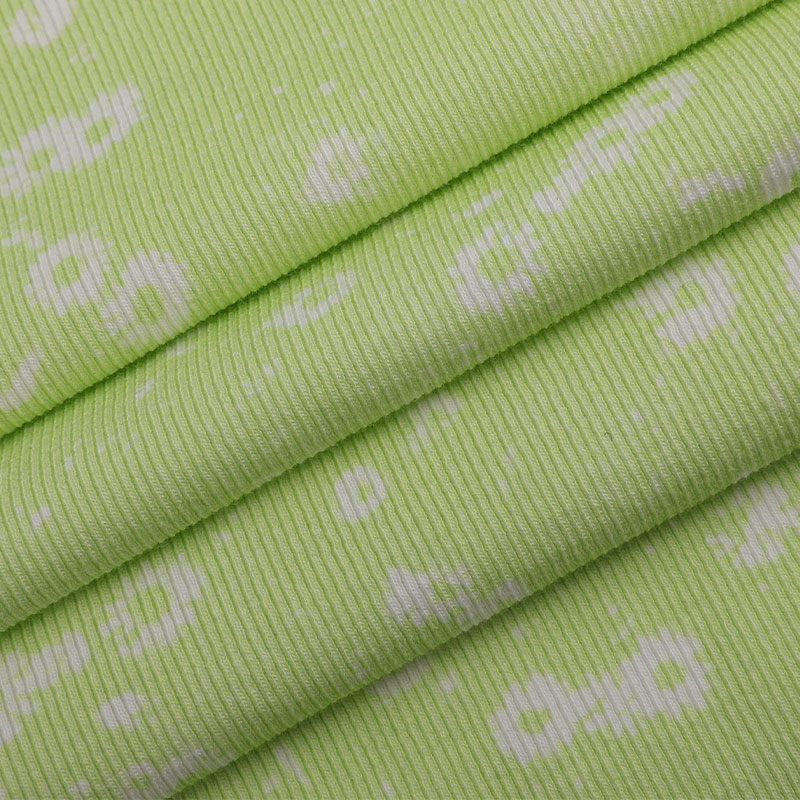
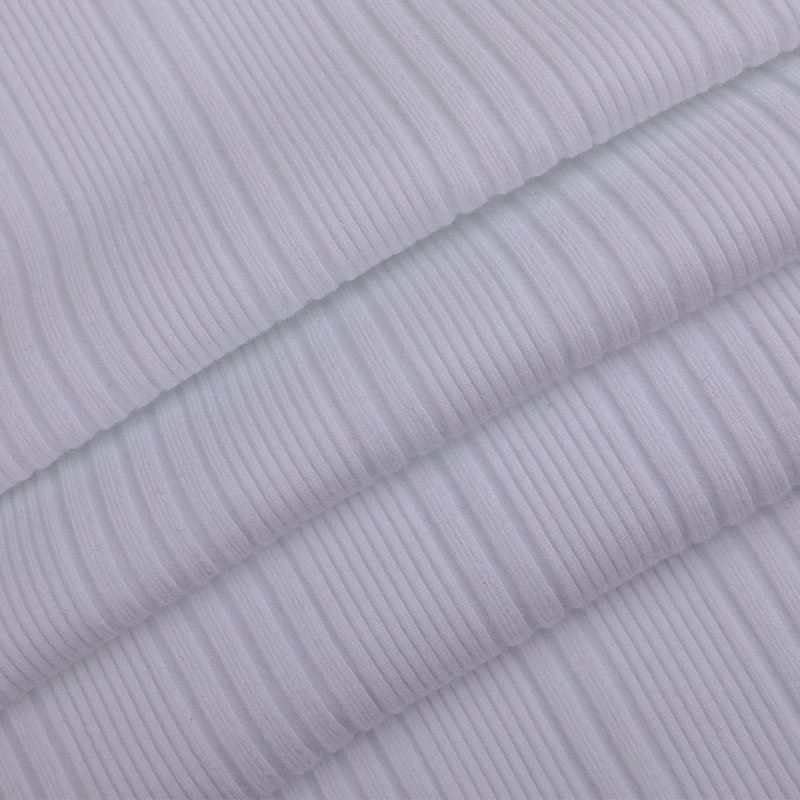
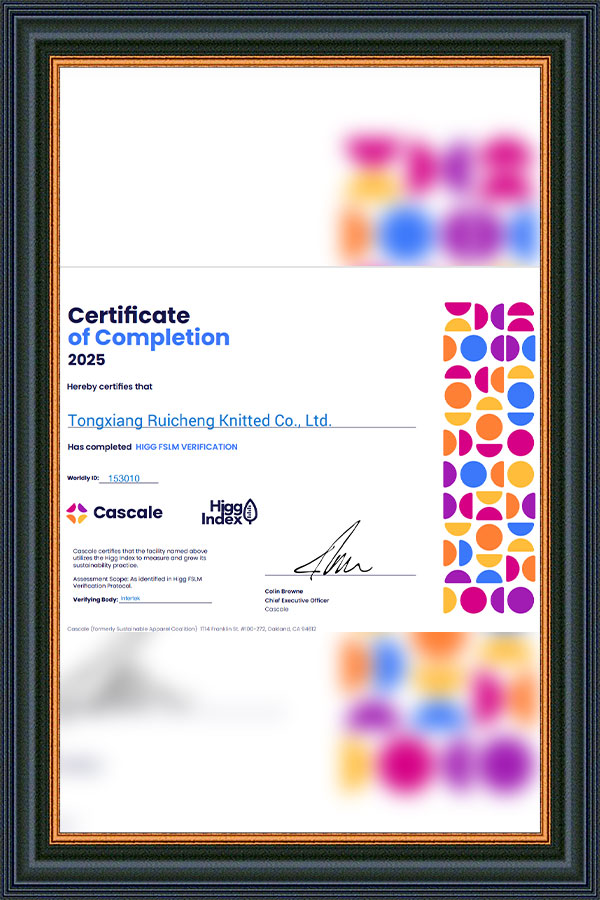
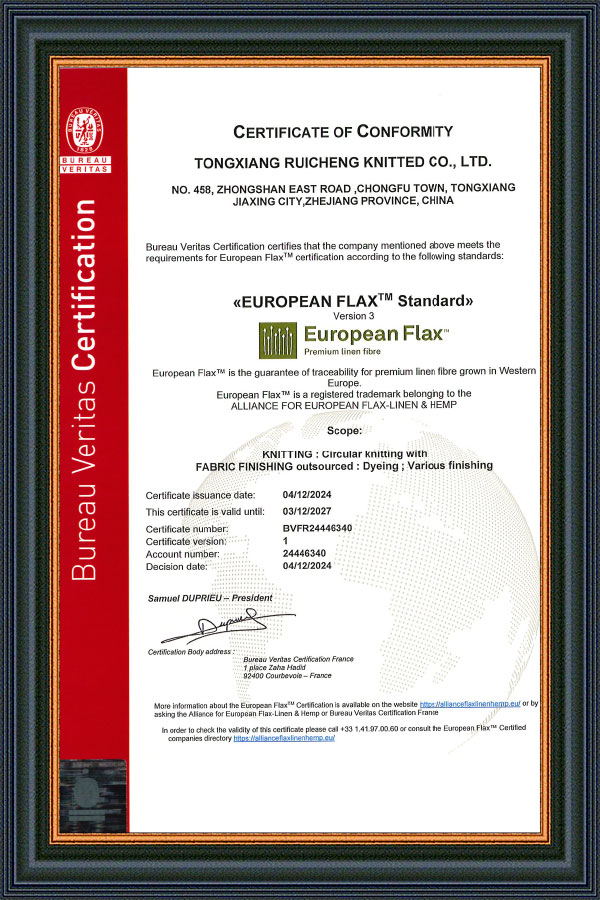
Contact Us for more details
Want to know more? Message Us Right Now!
A sourcer opens a courier parcel and pulls out a swatch labeled cotton knit. The tech pack says 100% cotton. The lab report on the next page reads 94.6% cotton and 5.4% elastane. The color is right, the hand feel is right, and the order is still on hold because three words and one number do not agree with each other. ...
Cotton knit is a soft, stretchy fabric made by looping cotton yarns together rather than weaving them over and under. That single structural fact explains most of what buyers, designers, and product developers notice in the material: it stretches, it breathes, it drapes, and it can be engineered into very different we...
A Portuguese buyer sends a 40-metre sample request with one line attached: what is jersey knit cotton fabric, and can you knit it at 180 gsm? That single question usually hides three more. How much will it shrink after three home washes? How much will it stretch across the width? Will the tenth container match the lab...
Want to know more? Message Us Right Now!
The physical performance of a double-knit rib structure is fundamentally different from that of a single-knit jersey. While single jersey utilizes a single set of needles to produce a fabric with a distinct face and back, rib fabrics require two independent sets of needles operating in a coordinated mechanical arrangement. This double-needle bed configuration alters the structural geometry of the knitted loops, giving the material its unique elastic properties and excellent dimensional stability.
To manufacture a high-quality Cotton Rib Knit, a circular knitting machine must be equipped with both a cylinder needle bed and a dial needle bed. These two beds are positioned at right angles to one another, with the cylinder needles running vertically and the dial needles running horizontally. During the knitting process, the needles in the cylinder and the dial operate alternately. This intermeshing action draws the yarn to the front and back of the fabric in an alternating pattern, creating a series of vertical ridges known as ribs.
The most common configurations are the 1x1 rib and the 2x2 rib. In a 1x1 rib structure, one cylinder needle and one dial needle operate alternately, resulting in a fabric where the vertical wales on the face and back are of equal width. In a 2x2 rib structure, two cylinder needles alternate with two dial needles, creating more prominent vertical ridges. Because the loops are pulled in opposite directions on alternate wales, the sinker loops that connect the wales are drawn into the interior of the fabric structure. This unique geometric arrangement hides the connecting loops when the fabric is at rest, exposing only the vertical wales on both the face and back of the material.
The defining characteristic of a Cotton Rib Knit is its exceptional crosswise elasticity, which is achieved primarily through mechanical loop geometry rather than the addition of synthetic elastomeric fibers. When a rib fabric is subjected to lateral tension, the hidden sinker loops within the structure unfold, allowing the vertical wales to slide outward and separate. This unfolding action allows the fabric to expand to several times its resting width under minimal pulling force.
Once the lateral tension is removed, the elastic potential energy stored within the bent configuration of the knitted loops is released. The loops naturally seek to return to their lowest-energy state, pulling the vertical wales back into their tightly nested, resting positions. This natural mechanical recovery is highly resilient, ensuring that the fabric snaps back to its original dimensions over hundreds of wash and wear cycles. This makes the material highly popular for collar bands, cuffs, waistbands, and close-fitting garments where a secure, comfortable fit is required without the potential skin irritation or heat-setting limitations associated with synthetic rubber or spandex filaments.
A major technical challenge when working with single-knit jersey fabrics is the natural tendency of the cut edges to curl. This phenomenon is caused by the unbalanced internal stresses within the face and back loops of the single jersey structure. When the fabric is cut into garment panels, these internal forces release, causing the fabric edges to roll tightly toward the face along the courses and toward the back along the wales. This edge-curling defect complicates the automated cutting and sewing processes, often requiring manual alignment that slows down production and increases garment rejection rates.
In a Cotton Rib Knit, the alternating arrangement of face and back loops perfectly balances the internal physical forces. Because the loops are drawn alternately to the front and back of the fabric, the curling forces counteract one another. Consequently, the fabric remains completely flat when cut into panels, allowing for high-speed automated cutting and precise sewing. This structural stability is a massive operational benefit for high-volume apparel factories, directly reducing material waste and accelerating the overall garment assembly timeline.
Selecting the right manufacturing partner is a critical step in securing high-quality knitted textiles for international distribution. Sourcing directors must evaluate not only the raw machine capacity of a mill but also its history of material innovation, quality control protocols, and supply chain integration. A competent manufacturer must demonstrate deep technical proficiency in yarn selection, machine calibration, and wet-finishing processes to prevent common defects such as wale spirality and excessive relaxation shrinkage.
The foundation of a premium ribbed fabric lies in the quality of the yarn used during the knitting process. Combed ring-spun cotton yarns are highly preferred for high-end applications, as the combing process removes short fibers and impurities, resulting in a smooth, high-strength yarn with minimal hairiness. Utilizing combed cotton ensures that the finished rib fabric exhibits a soft, luxurious hand feel and outstanding resistance to pilling and fuzzing during wear.
In addition to pure cotton options, modern apparel designs often require sophisticated fiber blends to enhance the performance and aesthetic properties of the fabric. Tongxiang Ruicheng Knitting Co., Ltd. has established extensive business channels and developed proficient product expertise over a history of more than ten years in the production and operation of knitted products. The specific varieties produced cover the entire knitting industry, including various single jersey, spandex single jersey, interlock fabric, spandex interlock fabric, Roma fabric, terry cloth, striped fabric, rib fabric, mesh fabric, air layer, small jacquard fabric, and single-sided fleece for lamination.
In recent years, the technical team has successfully developed premium, high-end options such as cotton-cashmere fabric, cotton-wool fabric, pure wool fabric, pure linen fabric, and pearl fleece fabric. Combining cotton with wool or cashmere fibers introduces a luxurious warmth, a subtle luster, and an enhanced drape to the rib structure, making it highly attractive for premium autumn and winter knitwear collections.
Furthermore, blending natural cotton with technical synthetics represents an exceptional method for engineering high-performance apparel. In 2009, the company launched the latest memory knitted fabric mainly made of PPT fiber, featuring styles such as waffle fabric, mesh fabric, and elastic plain cloth, which are widely utilized for casual and sportswear series. PPT fiber, known for its unique helical molecular structure, provides outstanding elastic recovery, shape memory, and resistance to pilling and friction. When knitted into a rib structure, the PPT fiber enhances the mechanical recovery of the fabric, ensuring that cuffs and collars resist stretching out of shape over long periods of wear and repeated laundering.
Because of its highly elastic, open-loop structure, rib knit is naturally susceptible to relaxation shrinkage and wale skewing if the wet-finishing stages are not managed with extreme precision. When the fabric is removed from the circular knitting machine, it is under significant physical tension from the take-up rolls. If the greige fabric is dyed and dried under tension, the loops will remain locked in an elongated, unstable state. Upon first washing by the consumer, the fibers will relax, causing the garment to shrink dramatically in length and expand in width.
To prevent this issue, professional manufacturers utilize tensionless processing equipment during the dyeing, washing, and drying stages. The fabric must be allowed to shrink naturally and reach its dimensional equilibrium state in a tensionless relax dryer. Following the drying stage, the fabric is passed through a mechanical compactor, which uses moisture, heat, and pressure to pre-shrink the material in a controlled manner. This comprehensive finishing process ensures that the residual shrinkage of the finished Cotton Rib Knit remains well within standard commercial limits, typically under five percent, preventing garment distortion after consumer laundering.
To help product development and sourcing teams choose the most appropriate fabric construction for their collections, the table below highlights the structural characteristics and ideal applications of various rib knit styles.
|
Rib Knit Structure Style |
Fiber Blend Composition Options |
Primary Aesthetic and Structural Properties |
Ideal Target Applications |
|---|---|---|---|
|
Classic 1x1 Rib |
100% Cotton or Cotton-Spandex |
Flat surface appearance, equal face and back wales, high crosswise stretch |
Fitted t-shirts, tank tops, underwear, and lightweight cuffs |
|
Structured 2x2 Rib |
Cotton-Wool or Cotton-Cashmere |
Deep vertical ridges, substantial thickness, excellent mechanical elasticity |
Premium sweaters, heavy seasonal loungewear, and collar trims |
|
Derby Rib |
Pure Linen or Cotton-Linen Blend |
Alternating wale widths, unique textured surface, excellent drape |
Casual fashion knitwear, lightweight summer tops, and cardigans |
|
Cardigan Rib |
Pure Wool or Acrylic-Wool Blend |
Semi-double knit thickness, highly plush and insulating touch |
Heavy-weight winter cardigans, outer jackets, and warm blankets |
|
Elastic Rib with Spandex |
Cotton, PPT, and Spandex Blend |
Maximum recovery force, compact structure, excellent shape memory |
High-performance activewear, waistband bands, and sportswear trims |
By selecting the appropriate rib structure and fiber blend, designers can tailor the garment weight, elasticity, and thermal properties to meet the precise requirements of their target market.
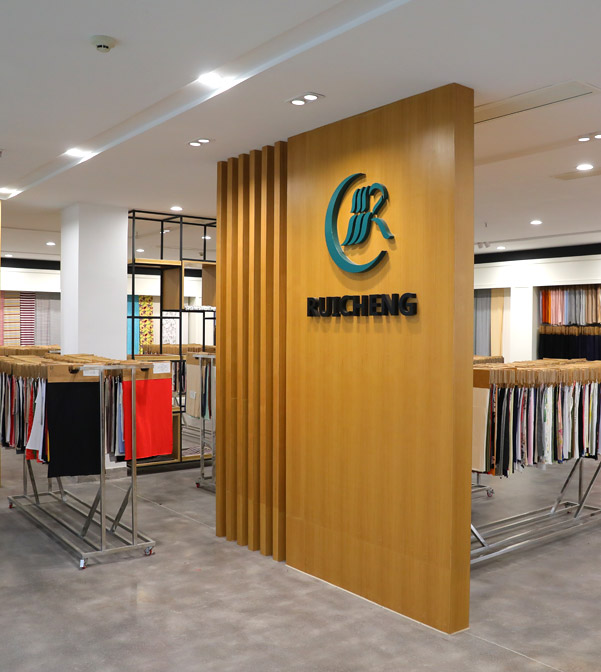
Sourcing high-volume textile orders requires a manufacturing partner with the physical assets and logistical capabilities to ensure consistent quality and timely delivery. Tongxiang Ruicheng Knitting Co., Ltd. represents a highly capable enterprise specializing in the development, design, production and trade of knitted fabrics. Currently, the company has more than 50 large circular knitting machines and over 100 employees, with an annual output value exceeding 200 million yuan.
This extensive machinery footprint allows the technical team to dedicate multiple double-needle bed circular knitting machines to a single production run under identical environmental conditions of temperature and relative humidity. Maintaining a stable manufacturing environment is critical, as fluctuations in moisture can alter the friction coefficient of cotton yarns, directly affecting the stitch density and weight uniformity of the finished fabric.
Since China's accession to the WTO, the company has actively explored domestic and foreign textile markets, and its products are exported to European, American, Southeast Asian, and other international markets. Operating within the well-integrated industrial hub of Chongfu Town allows the manufacturing team to rapidly source raw materials from local yarn spinning mills and coordinate with nearby specialized dye houses. This dense regional network minimizes domestic transportation costs and drastically reduces production lead times, helping international fashion brands meet tight seasonal delivery windows while maintaining the highest quality standards.
A: The superior crosswise stretch of a rib knit is a direct result of its unique loop geometry and double-needle bed construction. In a single-knit jersey, the loops are all drawn to one side of the fabric, creating an unbalanced structure with limited mechanical stretch. When pulled laterally, the loops in a single jersey can only stretch until the yarn tension reaches its limit, which happens relatively quickly because there is no structural reserve of yarn between the wales.
In a rib structure, the loops are drawn alternately to the face and back of the fabric. This alternate placement allows the connecting sinker loops to remain hidden within the thickness of the fabric when at rest. When lateral tension is applied, these hidden loops unfold and slide relative to one another, allowing the fabric to expand dramatically without straining the individual fibers. Once the pulling force is released, the loops naturally return to their nested positions, providing excellent elastic recovery without requiring synthetic elastomeric yarns.
A: Wale skewing, which causes the vertical ridges of a rib knit to run diagonally across the fabric rather than perpendicular to the horizontal courses, is caused by the residual torque within the twisted cotton yarn. When yarn is spun, twist is inserted to give it tensile strength. This twist stores elastic energy within the fibers. When the yarn is knitted into a fabric, this stored torque can cause the loops to tilt in the direction of the yarn twist, distorting the alignment of the vertical wales.
To prevent wale skewing, manufacturers utilize precise technical countermeasures on the production floor. Before knitting, the yarn packages are placed in high-temperature steam autoclaves to pre-condition and relax the residual torque within the fibers. Additionally, the circular knitting machines can be configured to feed alternating feeds of Z-twist and S-twist yarns, effectively neutralizing the torque forces within the double-knit structure. Precise calibration of the take-up roll tension and the use of mechanical pin-tenter frames during the finishing stage are also critical to ensure that the vertical wales remain perfectly straight and dimensionally stable.
A: The choice between a 1x1 rib and a 2x2 rib structure depends on the intended aesthetic and functional requirements of the garment. A 1x1 rib features alternating single wales of face and back loops, resulting in a relatively smooth, flat surface texture on both sides of the fabric. It is thinner, more lightweight, and offers a more uniform, subtle appearance. In terms of performance, a 1x1 rib has excellent crosswise stretch with a highly uniform recovery force, making it ideal for lightweight next-to-skin garments, fitted t-shirts, and underwear.
A 2x2 rib features alternating pairs of face and back wales, which creates much deeper vertical ridges and a highly textured surface. This double-loop structure makes the fabric thicker, heavier, and more insulating than a 1x1 rib of identical yarn count. A 2x2 rib also exhibits a higher degree of localized elasticity and recovery, making it the preferred choice for heavy seasonal knitwear, premium sweaters, and robust collar and cuff trims that must withstand repeated stretching without losing their shape.
A: Blending natural cotton with premium animal fibers like wool or cashmere significantly improves the thermal properties, luster, and hand feel of the rib fabric. The hollow structure of wool and cashmere fibers traps air within the knit, providing superior insulation and warmth without adding excessive weight. These premium fibers also introduce a natural resilience and drape that enhances the elegant silhouette of the finished garment.
Nevertheless, incorporating wool or cashmere requires careful management of the washing and drying processes to prevent felting and shrinkage. Under the mechanical friction and heat of standard machine laundering, the microscopic scales on wool and cashmere fibers can lock together, causing the fabric to shrink and become stiff. To improve durability and ease of care, manufacturers often utilize machine-washable treated wool or combine the natural fibers with stable cotton and technical synthetics. Technical teams conduct extensive wash-cycle testing to verify that the finished blends maintain their soft texture, elasticity, and shape retention over long periods of consumer wear.
A: PPT fiber, which represents polytrimethylene terephthalate, is an advanced technical synthetic fiber with a unique helical, spring-like molecular structure. When woven or knitted into a textile, this molecular spring allows the fiber to stretch easily under tension and return to its original shape with exceptional recovery force when the tension is released. This unique molecular behavior gives the fiber outstanding shape memory and mechanical stretch without requiring the addition of traditional spandex or elastane.
Knitting PPT fibers into a cotton rib structure results in a material that is highly resistant to sagging, bagging, and deformation at high-stress areas such as necklines, cuffs, and waistbands. The PPT fiber also exhibits a remarkably soft, comfortable hand feel that is far less harsh than traditional polyester, along with outstanding dyeability at lower temperatures. This combination of shape retention, durability, and comfort makes PPT-blended rib knits highly popular for premium casual wear and active sportswear lines that must withstand continuous movement and frequent laundering.
A: Sourcing from an industrial hub like Chongfu Town, which is the largest town in Tongxiang City and a key industrial and trade town in Zhejiang Province, provides massive logistical and operational benefits to global apparel buyers. These specialized industrial zones operate as fully integrated ecosystems, bringing together raw material spinners, advanced knitting facilities, specialized dye houses, and international shipping agencies within a tight geographical area. This close proximity minimizes domestic transportation costs, reduces raw material transit times, and allows for rapid sample development.
When a large-volume order is placed, a well-equipped manufacturer operating in this zone can quickly coordinate with local suppliers to secure raw materials and reserve capacity at nearby finishing plants. Information flows seamlessly between the material design team, the circular knitting operators, and the quality control laboratory. If custom adjustments are required for a specific blend or colorway, they can be implemented quickly on the production floor, eliminating the communication bottlenecks and quality variations that often occur when manufacturing steps are outsourced to multiple third-party suppliers.
ALL RIGHTS RESERVED:Tongxiang Ruicheng Knitting Co., Ltd.
 Wholesale Cotton Rib Knit Fabric Manufacturers

 CONTACT US