

 English
 中文简体
中文简体 +86-13967368270
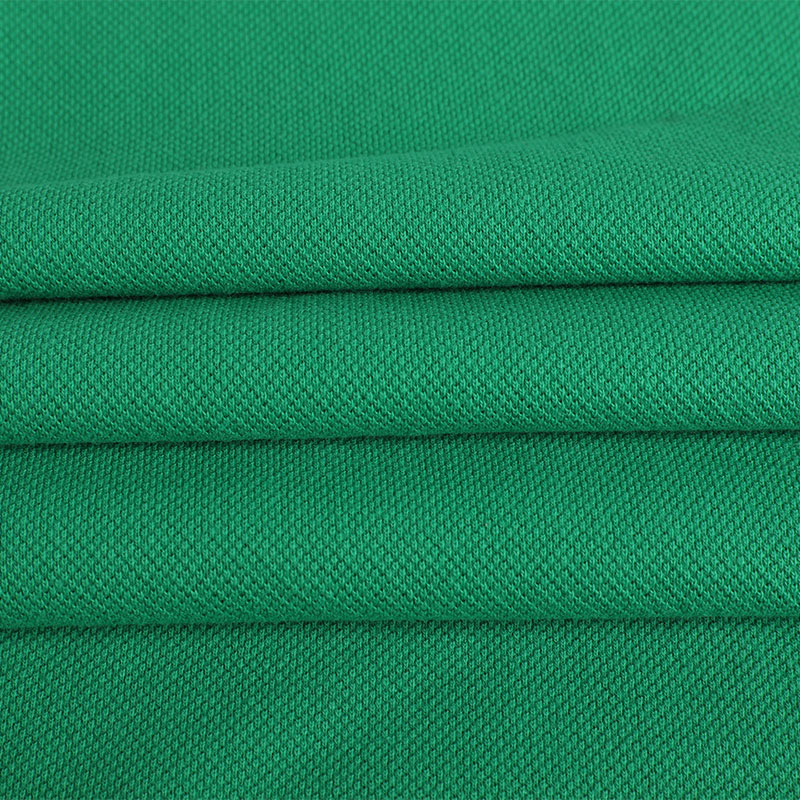
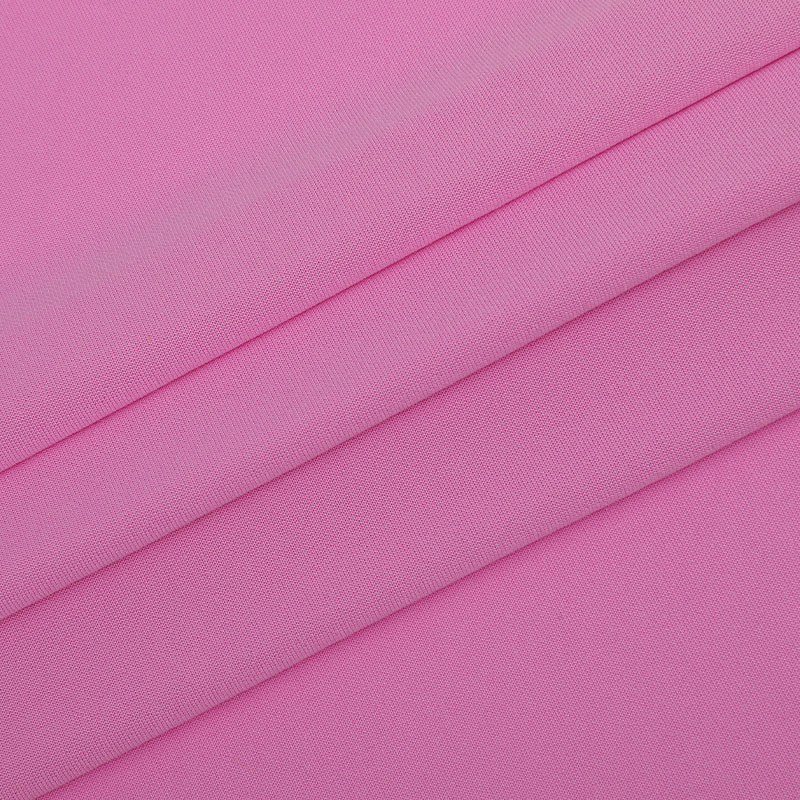
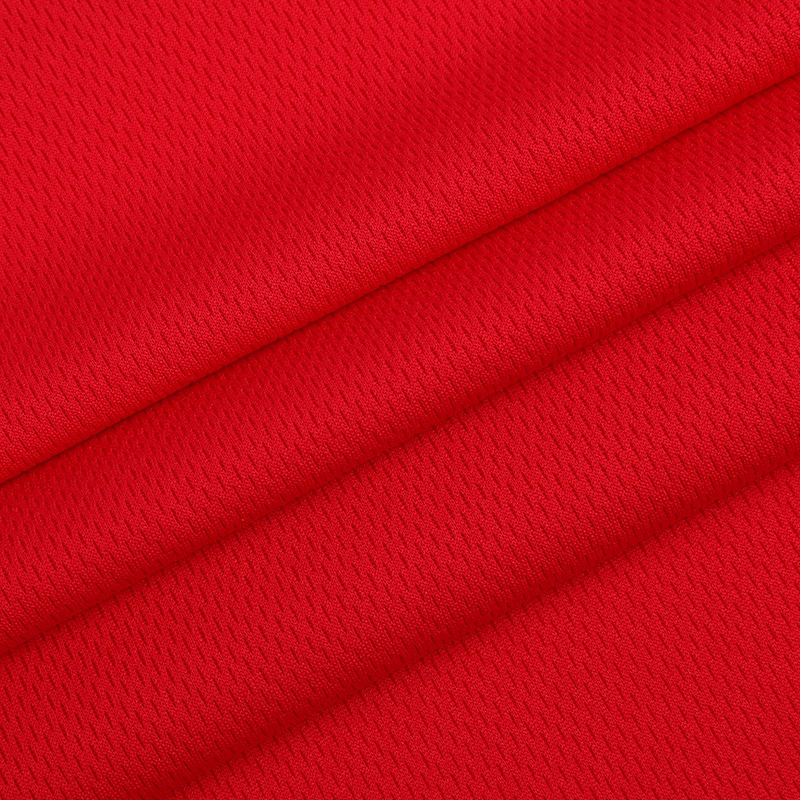
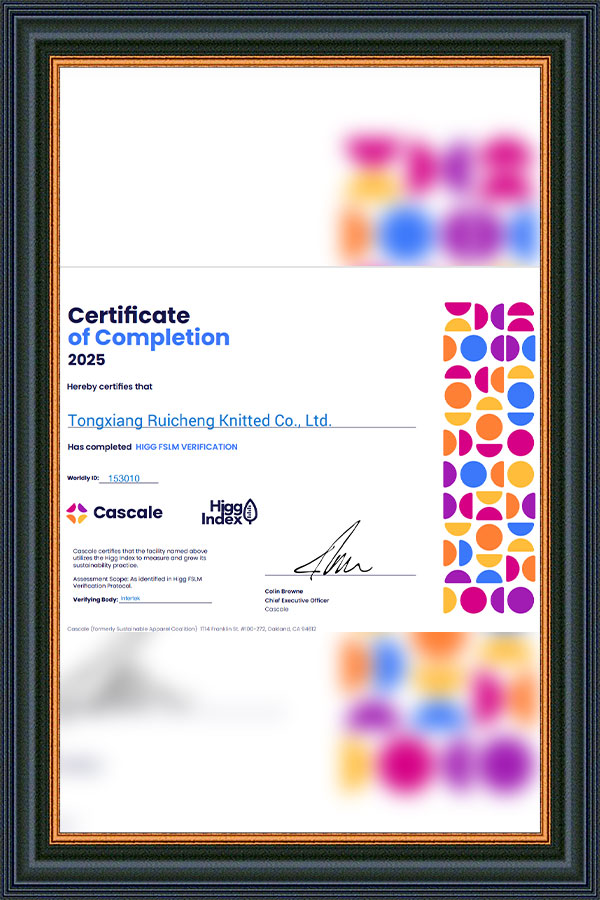
Contact Us for more details
Want to know more? Message Us Right Now!
A sourcer opens a courier parcel and pulls out a swatch labeled cotton knit. The tech pack says 100% cotton. The lab report on the next page reads 94.6% cotton and 5.4% elastane. The color is right, the hand feel is right, and the order is still on hold because three words and one number do not agree with each other. ...
Cotton knit is a soft, stretchy fabric made by looping cotton yarns together rather than weaving them over and under. That single structural fact explains most of what buyers, designers, and product developers notice in the material: it stretches, it breathes, it drapes, and it can be engineered into very different we...
A Portuguese buyer sends a 40-metre sample request with one line attached: what is jersey knit cotton fabric, and can you knit it at 180 gsm? That single question usually hides three more. How much will it shrink after three home washes? How much will it stretch across the width? Will the tenth container match the lab...

Want to know more? Message Us Right Now!
The selection of raw materials within the activewear sector dictates not only the final performance metrics of a garment but also its market positioning and consumer acceptance. As fitness apparel transitions between high-intensity training environments and everyday casual wear, jersey knit structures remain a fundamental textile platform. Within this domain, polyester jersey knit continues to serve as the industry standard due to its hydrophobic properties, durability, and resistance to chemical degradation. However, a major choice facing technical designers and sourcing managers is the structural composition of the polyester yarn itself: filament polyester vs. spun polyester. Both variations offer specific performance values, and determining the appropriate option requires a close evaluation of fiber engineering, tactile response, and manufacturing realities.
Filament polyester jersey is constructed from long, continuous strands of synthetic polymer extruded through a spinneret. These smooth, unbroken fibers are knitted directly into a single jersey configuration, creating a textile face that is flat, uniform, and reflective. The absence of short fiber ends across the fabric surface eliminates friction points, which means filament jersey minimizes chafing during repetitive athletic movements. From a structural standpoint, continuous filaments provide high tensile strength and burst resistance, allowing the fabric to withstand intense mechanical stress without tearing. The resulting textile is lightweight and compact, which facilitates high velocity cutting during garment assembly. For production entities like Tongxiang Ruicheng Knitting Co., Ltd., which operate across the full spectrum of the knitting industry, managing filament yarn involves precise control of feed tension to avoid static buildup and needle lines on the sleek fabric surface.
Spun polyester represents a completely different approach to synthetic yarn engineering, designed to mimic the tactile attributes of organic cotton. In this process, continuous polyester filaments are deliberately chopped into short staple lengths, which are then carded and spun together in a manner identical to traditional cotton yarn spinning. The resulting yarn features millions of tiny fiber ends projecting from its core, which break up the smooth surface of the synthetic material. When knitted into a single jersey structure, these protruding fibers scatter light, removing the characteristic synthetic shine and creating a matte, textured hand feel often called "cotton-feel" or "peach-skin" jersey. This texture provides a barrier against the cold, clammy sensation sometimes associated with synthetic clothes, making it highly desirable for lifestyle activewear and casual athletic collections.
To assist product development teams in choosing the correct yarn format for specialized athletic apparel lines, the core physical characteristics of filament and spun polyester jersey are contrasted below along with relevant structural alternatives.
| Fabric Designation | Yarn Structure Type | Tactile Surface Quality | Pilling Propensity | Moisture Evaporation Rate |
| Filament Polyester Jersey | Continuous extrusion strands | Slick, cool, low friction | Low to non-existent | Rapid surface spreading |
| Spun Polyester Jersey | Short staple fibers spun together | Soft, fuzzy, cotton-like | Moderate over extended wear | High absorption, moderate release |
| Spandex Single Jersey | Core-spun elastomeric filament | Smooth, tight compression | Low | Variable based on base fiber |
| Polyester Interlock Fabric | Double-knit filament mesh | Dense, identical dual-face | Low | Moderate to rapid |
The method by which a textile handles perspiration is a primary factor in athletic wear engineering. Filament polyester does not absorb moisture into the fiber itself; instead, liquid travels along the smooth outer walls of the long filaments through capillary action. This allows sweat to spread rapidly across a wide surface area on the outer face of the garment, speeding up evaporation when exposed to moving air. Spun polyester manages moisture differently because the small spaces between the twisted staple fibers act as mechanical storage zones, pulling fluid away from the skin but retaining it within the yarn core slightly longer. While filament jersey keeps the athlete feeling lighter during sustained cardiovascular exertion, spun polyester provides an insulating layer of dry air that prevents rapid cooling during rest periods, making it highly functional for low-intensity training routines.
The conversion of raw polyester into stable, marketable roll goods involves navigating distinct industrial challenges during the knitting and dyeing phases. Spun polyester yarns carry a higher level of surface lint, which can accumulate inside the sinker tracks and needle gates of circular knitting machines, necessitating regular cleaning cycles to avoid knitting defects. Filament yarns, while cleaner, are sensitive to thermal variations during the heat-setting phase, where uneven temperature exposure across a stenter frame can cause shaded bands or structural skewing. Textile producers possessing comprehensive processing knowledge, such as Tongxiang Ruicheng Knitting Co., Ltd., utilize their history of more than ten years in knitted products to counter these tendencies. This manufacturing familiarity enables precise adjustment of machine rotation speeds and thermal parameters, ensuring that whether a run consists of 100% polyester filament or complex polyester-cotton blends, the final product exhibits reliable dimensional stability.
The longevity of activewear under frequent washing cycles determines its commercial viability. Filament polyester jersey maintains its original surface appearance over long periods because there are no loose fiber ends to break away or tangle into pills. Spun polyester, due to its staple construction, will eventually experience surface fuzzing and localized pilling in areas subject to high abrasion, such as under the arms or where backpack straps rub against the chest. Sourcing agents must weigh this aesthetic degradation against the comfort preferences of their target demographic. Partnering with a manufacturer that commands diverse business channels and proficient technical expertise ensures access to proper anti-pilling chemical finishes and specialized enzyme treatments that stabilize the loose fibers of spun variants, allowing apparel brands to offer cotton-feel comfort alongside the functional endurance required for sportswear distribution.
A: The characteristic sheen of filament polyester jersey knit occurs because the synthetic fibers are extruded as continuous, smooth cylinders that reflect light uniformly. To alter this surface aesthetic and produce a matte finish, the raw filaments can undergo mechanical texturing processes such as draw-texturing. This introduces crimps and loops into the fiber structure, which scatters light and results in a softer hand feel that closely resembles natural fibers while retaining the quick-drying performance of polyester.
Q: How do the tension settings on a circular knitting machine need to be adjusted when transitioning from a pure 100% polyester jersey to a spandex single jersey?A: Transitioning from a stable 100% polyester fiber to an elastomeric blend requires a complete re-calibration of the machine's yarn feeding mechanism. Spandex single jersey requires a positive yarn feeding device that delivers the elastic filament under uniform, minimal tension to the needle bed alongside the polyester yarn. Failure to synchronize this tension will cause the spandex to retract unevenly, leading to structural defects like localized puckering, irregular fabric density, and compromised crosswise stretch.
Q: Why is polyester jersey knit frequently chosen as a backing substrate for fabric lamination over unstructured open-mesh fabric options?A: Polyester jersey knit provides a continuous, smooth, and compact surface that maximizes the contact area for polyurethane adhesives during the lamination process. This uniform contact ensures a secure bond with functional membranes or single-sided fleece layers without the risk of adhesive strike-through. An open-mesh fabric, by contrast, lacks the required surface density, which can cause glue to bleed through the pores, resulting in a stiff, uneven hand feel and poor delamination resistance.
Q: In what ways does a yarn-dyed striped polyester jersey knit present more technical challenges during heat setting than a solid-dyed variant?A: A yarn-dyed striped polyester jersey knit contains alternating bands of differently processed or colored yarns, which can absorb thermal energy at varying rates inside a stenter frame. During the high-temperature heat-setting phase, these thermal variations can cause uneven fabric shrinkage across the patterns, leading to bowed or distorted stripes. Technical teams must continuously monitor the overfeed rates and tension profiles to ensure the horizontal stripes remain perfectly aligned across the entire roll width.
Q: What adjustments are necessary during mechanical finishing to prevent a fine-gauge polyester jersey knit from developing static charge during packing and shipping?A: Synthetic fibers like polyester possess low natural moisture regain, making them highly susceptible to static electricity buildup from mechanical friction during industrial rolling and packing. To counter this, finishing plants treat the fabric with specialized hydrophilic softening agents during the final wet processing stage. These finishing agents attract micro-molecules of moisture from the air to the fabric surface, creating a conductive path that safely dissipates static charges and improves the overall handling characteristics for garment manufacturers.

 CONTACT US