

 English
 中文简体
中文简体 +86-13967368270
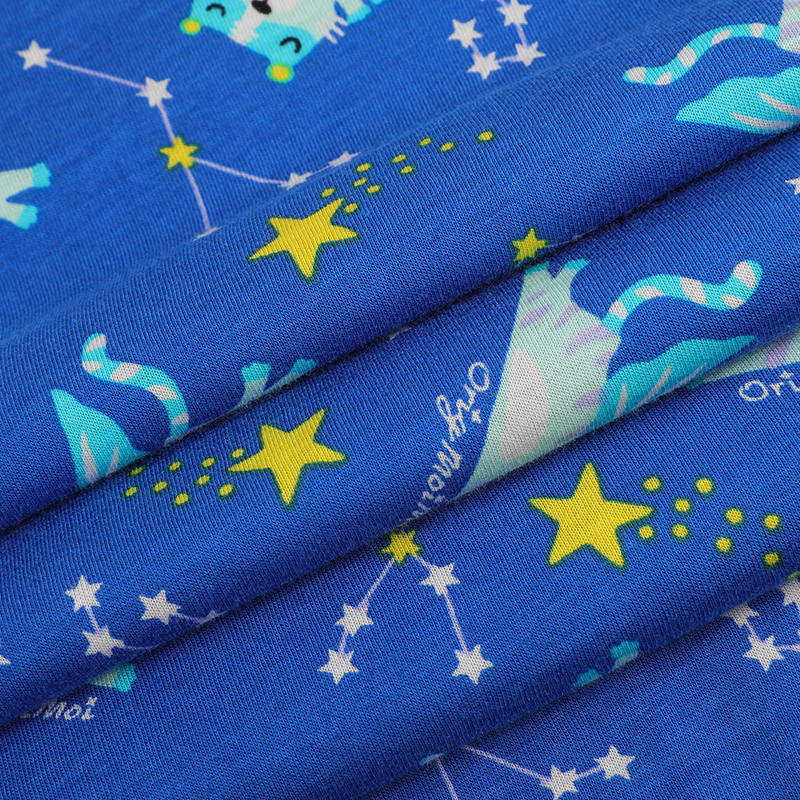
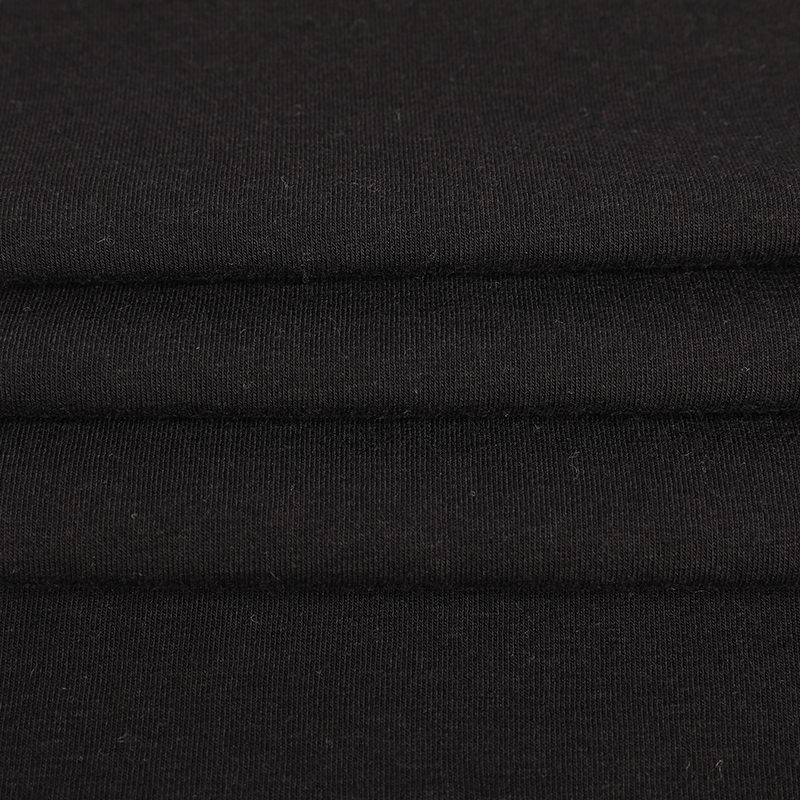
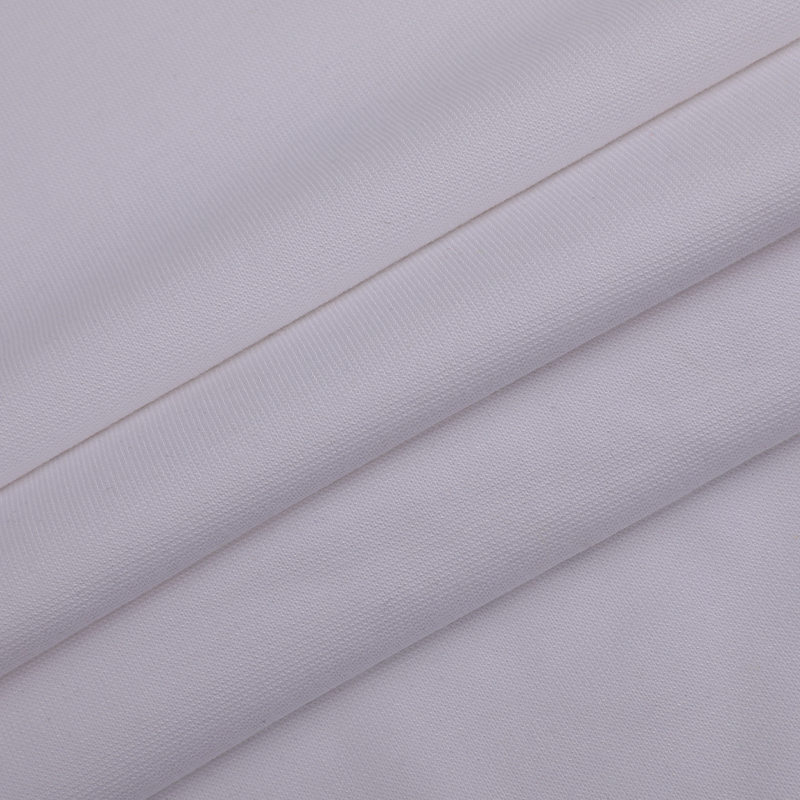
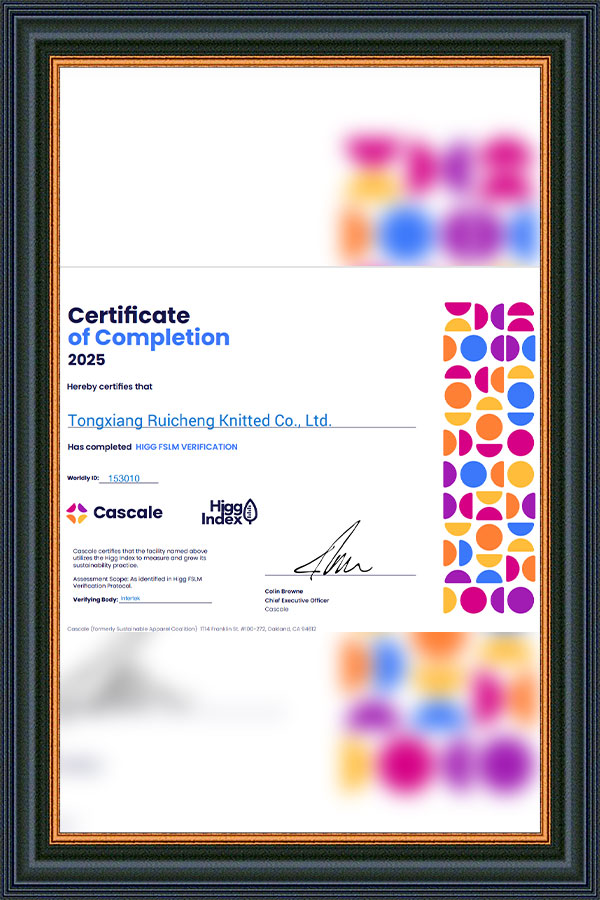
Contact Us for more details
Want to know more? Message Us Right Now!
A sourcer opens a courier parcel and pulls out a swatch labeled cotton knit. The tech pack says 100% cotton. The lab report on the next page reads 94.6% cotton and 5.4% elastane. The color is right, the hand feel is right, and the order is...
Cotton knit is a soft, stretchy fabric made by looping cotton yarns together rather than weaving them over and under. That single structural fact explains most of what buyers, designers, and product developers notice in the material: it st...
A Portuguese buyer sends a 40-metre sample request with one line attached: what is jersey knit cotton fabric, and can you knit it at 180 gsm? That single question usually hides three more. How much will it shrink after three home washes? H...
Cotton knitwear is a fabric formed by turning cotton yarn into a series of interconnected loops, rather than crossing yarns at right angles the way woven cotton is made. That single structural difference explains almost everything people n...
Want to know more? Message Us Right Now!
The rising prominence of Bamboo Knit Fabrics in the global marketplace is not merely a passing trend but a structural shift in how product development teams select materials. Sourcing departments are under constant pressure to identify textiles that perform exceptionally under diverse physical conditions while maintaining a clean, efficient production profile. Bamboo pulp fibers possess inherent structural advantages that distinguish them from conventional synthetic fibers and traditional cotton knits.
At the microscopic level, bamboo regenerated cellulose fibers feature a highly porous cross-section. This unique physical structure allows the fibers to exhibit extraordinary capillary action, drawing moisture away from the skin and dispersing it across a wide surface area for rapid evaporation. In practice, this means apparel crafted from these materials remains dry and comfortable even during prolonged wear or moderate physical exertion. The natural micro-gaps in the fiber also facilitate superior breathability, allowing air to circulate freely and helping to regulate body temperature across changing environmental conditions.
Beyond moisture management, the tactile profile of these materials is remarkably soft, often compared to premium silk or cashmere. This characteristic makes them highly suitable for next-to-skin wear, reducing friction and preventing localized skin irritation. For apparel designers developing sensitive-skin lines, infant wear, or premium sleepwear, the smooth surface of the knit is a critical selling point. Additionally, the material exhibits natural resistance to odor retention, which is a major advantage for athletic wear and travel collections where garments are worn for extended periods.
The transformation of raw bamboo timber into premium knitted textiles is a highly sophisticated chemical and mechanical journey. The process begins with the harvesting of mature bamboo stalks, which are processed into a high-purity dissolving pulp. This pulp is then extruded through spinnerets into a regenerating bath to form continuous cellulose filaments, which are subsequently cut into staple fibers for spinning. The quality of the final knitted fabric depends heavily on the precision of this fiber extrusion process and the subsequent yarn spinning techniques.
Once the staple fibers are secured, they undergo spinning processes to create yarns with optimal tensile strength, minimal hairiness, and uniform twist distribution. High-performance circular knitting machinery then converts these yarns into stable fabric structures. The mechanical calibration of these knitting machines is vital. Tension must be monitored continuously to prevent yarn breakage and structural unevenness, which can cause spirality or skewing in the finished fabric. By employing advanced feeding systems and automated monitoring, manufacturers ensure that the weight, density, and elasticity of the fabric remain completely consistent across massive production runs.
Navigating the global supply chain requires rigorous evaluation of manufacturing partners. Sourcing professionals must look past simple price-per-yard metrics to evaluate the technical capacity, material versatility, and operational reliability of potential suppliers. A dependable Bamboo Knit Fabrics Manufacturer must demonstrate not only raw output capacity but also the ability to innovate and customize blends to meet specific performance targets.
While pure bamboo fabrics offer unmatched softness and drape, blending bamboo with other fibers allows textile engineers to create materials tailored to specific applications. For example, blending bamboo with combed cotton introduces additional structural integrity and durability, making the fabric more resilient to frequent laundering. Adding spandex or elastane to the blend creates a highly elastic material with excellent recovery properties, perfect for activewear and form-fitting garments.
To provide a clear picture of how different blend structures serve distinct product categories, the table below highlights key non-parameter composition characteristics and their typical commercial applications.
|
Fabric Structure |
Fiber Blend Composition |
Primary Aesthetic and Tactile Characteristics |
Ideal Apparel Applications |
|---|---|---|---|
|
Single Jersey |
Bamboo and Cotton with Spandex |
High elasticity, excellent shape recovery, smooth face |
Activewear, fitted t-shirts, and athleisure |
|
Interlock Fabric |
Pure Bamboo or Bamboo Polyester |
Double-knit construction, identical face and back, substantial drape |
Premium loungewear, dresses, and children's apparel |
|
Roma Fabric |
Bamboo, Nylon, and Spandex Blend |
Structured weight, elegant matte finish, minimal stretch |
Corporate casual wear, structured trousers, and light jackets |
|
Terry Cloth |
Bamboo and Cotton Blend |
Uncut loops on one side, highly absorbent, plush hand feel |
Premium bathrobes, beachwear, and luxury towels |
|
Air Layer |
Bamboo, Polyester, and Spandex |
Three-dimensional pocket structure, lightweight warmth, smooth surface |
Technical hoodies, structured sportswear, and casual outerwear |
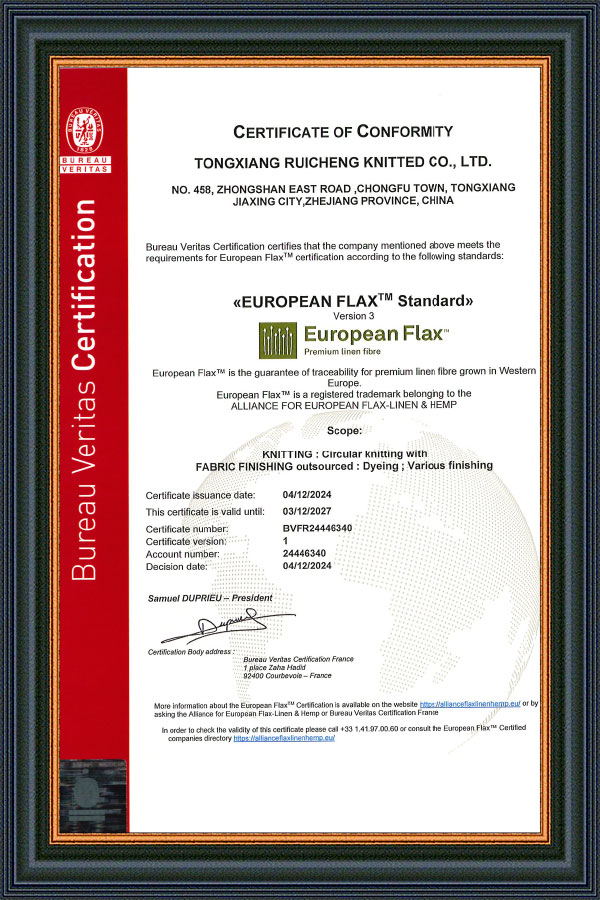
In recent years, the industry has seen significant innovations in luxury and performance blends. For instance, advanced production lines have successfully developed cotton-cashmere fabric, cotton-wool fabric, pure wool fabric, pure linen fabric, and pearl fleece fabric. In 2009, the development team at Tongxiang Ruicheng Knitting Co., Ltd. launched the latest memory knitted fabric mainly made of PPT fiber, featuring styles such as waffle fabric, mesh fabric, and elastic plain cloth, which are widely utilized for casual and sportswear series. This continuous commitment to material engineering allows brands to develop unique product lines that stand out in crowded retail environments.
In high-volume apparel manufacturing, production delays can cascade through the supply chain, causing missed delivery windows and substantial financial losses. Consequently, the physical capacity of the textile mill is a critical factor during the vendor qualification phase. A facility equipped with a small number of machines will struggle to maintain consistency and meet deadlines during peak production seasons.
Partnering with a supplier that maintains over 50 large circular knitting machines ensures that bulk orders can be processed simultaneously without sacrificing quality. This scale of operation also provides the flexibility to run multiple fabric types, from lightweight single jersey to heavy-duty Roma fabrics and complex jacquards, under the same roof. This integrated approach minimizes the risk of batch-to-batch variation, as all yarns are knitted under identical environmental and mechanical conditions.
A: Bamboo regenerated cellulose fibers possess a natural tendency to swell when wet, which can lead to higher potential shrinkage compared to conventional stable fibers like polyester or heavily treated cotton. In its unfinished state, a pure bamboo knit can experience significant dimensional changes after washing. To mitigate this issue, professional manufacturers employ advanced finishing processes during the tentering and compacting stages. The fabric is subjected to controlled mechanical tension and thermal settings that relax the knitted loops, effectively pre-shrinking the material before it is rolled and shipped.
Additionally, blending bamboo with combed cotton or polyester significantly improves dimensional stability. The cotton or synthetic fibers act as a stabilizing framework within the knit structure, restricting the movement of the bamboo fibers when exposed to moisture and heat. Quality manufacturers perform rigorous wash-test protocols on every batch, ensuring that the residual shrinkage remains within standard commercial tolerances, which is typically under five percent, allowing apparel brands to design patterns with confidence.
A: Sourcing textile products from a manufacturer situated in an established industrial zone like Chongfu Town in Zhejiang Province offers immense logistical and operational advantages. These specialized industrial zones function as complete ecosystems where raw material sourcing, yarn spinning, dyeing facilities, and knitting mills are geographically consolidated. This proximity minimizes transportation costs and drastically reduces transit times between the different stages of production, allowing for faster turnaround times on bulk orders.
Furthermore, a vertically integrated manufacturer that handles everything from the initial material design to the final knitting and international trade can maintain a much tighter grip on quality control. Information flows seamlessly between the development team and the machine operators on the production floor. If a custom blend or unique colorway is required, the adjustments can be made rapidly in-house, eliminating the communication bottlenecks and quality discrepancies that frequently occur when production steps are outsourced to multiple third-party vendors.
A: Blending bamboo fibers with high-performance synthetics is an excellent method for engineering advanced textiles that cater to the demanding activewear and athleisure markets. Polyester, nylon, and PPT fibers are highly valued for their exceptional tensile strength, abrasion resistance, and quick-drying capabilities. When these synthetic filaments are combined with the natural softness, breathability, and odor-resistant properties of bamboo, the resulting knit possesses the best attributes of both fiber families.
These performance blends are highly durable and resistant to pilling, making them suitable for garments subjected to repetitive friction and intense physical activity. The synthetic component helps the garment retain its shape and structure over long periods, while the bamboo component ensures that the fabric remains incredibly soft and comfortable against the skin, avoiding the harsh synthetic feel common in pure polyester activewear. This makes the material highly popular for premium sportswear, outdoor apparel, and travel clothing collections.
A: Bamboo regenerated cellulose fibers exhibit excellent dye affinity due to their highly porous physical structure and the abundance of hydroxyl groups within the cellulose molecules. This structural characteristics allows the fibers to absorb dyestuffs more rapidly and thoroughly than conventional cotton fibers, resulting in exceptionally vibrant colors and rich, deep shades with lower dye consumption. The material is highly compatible with reactive dyes, which form strong covalent bonds with the fiber molecules, ensuring excellent color yield.
To ensure that these vibrant colors do not bleed or fade during consumer laundering, manufacturers must carefully manage the washing and soaping stages post-dyeing. This process removes any unfixed dye particles from the surface of the fibers. When processed correctly, bamboo knits achieve high ratings for color fastness to washing, perspiration, and rubbing, meeting the strict standards required by premium international fashion brands in European and American markets.
A: Preventing defects in circular knitting requires a combination of high-precision machinery and rigorous operational oversight. The most common defects in knitted fabrics, such as dropped stitches, oil spots, needle lines, and yarn contamination, are almost entirely preventable through systematic maintenance and real-time monitoring. Circular knitting machines must be equipped with automated yarn-stop motions and optical fabric inspection systems that immediately halt production if a yarn breaks or a needle fails.
In addition to automated systems, manual inspections are conducted by skilled operators who continuously check the yarn tension and feed rates. The ambient environment of the knitting floor must be carefully controlled, as fluctuations in temperature and humidity can affect yarn elasticity and machine lubrication. Regular cleaning cycles are scheduled to prevent airborne fiber lint from settling on the machines and getting knitted into the fabric, which is particularly important when producing high-purity white or light-colored bamboo knits.
A: The lead time for bulk fabric orders typically ranges from twenty to forty days, depending on the complexity of the fabric structure, the availability of specialized yarns, and the size of the order. Once the initial color lab dips are approved by the sourcing team, the yarn preparation and knitting processes can begin. Dyeing and finishing add several days to the timeline, followed by final quality control inspections and packaging. The fabrics are typically rolled on sturdy cardboard tubes, wrapped in protective plastic film, and packed into woven bags to prevent damage during transit.
For international distribution, goods are dispatched from major regional ports such as Shanghai or Ningbo, which are highly accessible from production facilities in Zhejiang Province. Shipping via ocean freight is the most cost-effective method for large-volume orders destined for Europe, North America, and Southeast Asia. Sourcing partners receive all necessary shipping documents, including bills of lading, commercial invoices, packing lists, and certificates of origin, ensuring smooth customs clearance and timely arrival at the destination garment manufacturing facilities.
ALL RIGHTS RESERVED:Tongxiang Ruicheng Knitting Co., Ltd.
 Custom Bamboo Knits Fabric Manufacturers

 CONTACT US