

 English
 中文简体
中文简体 +86-13967368270
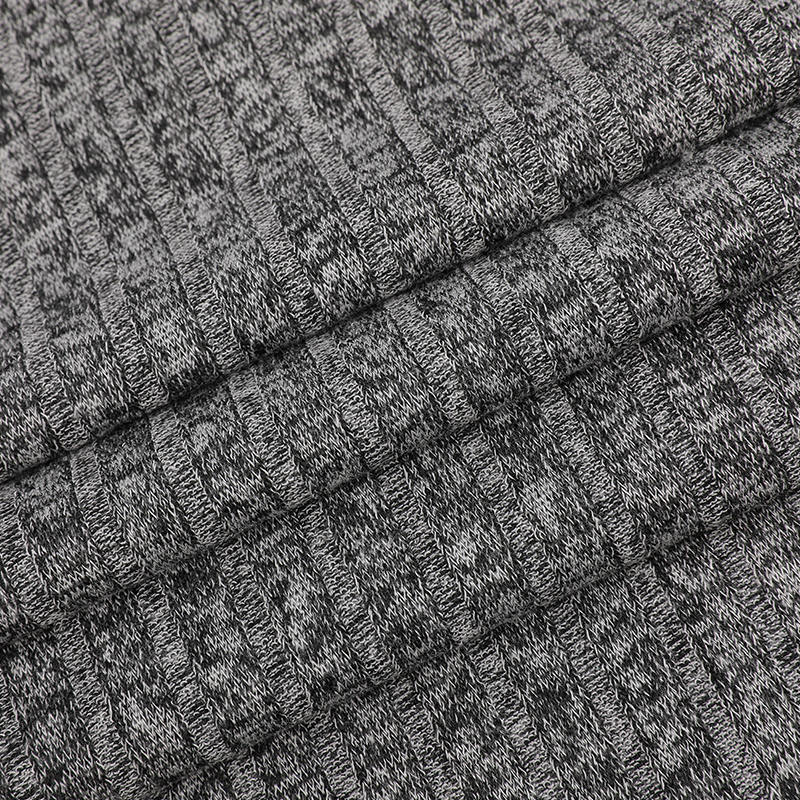
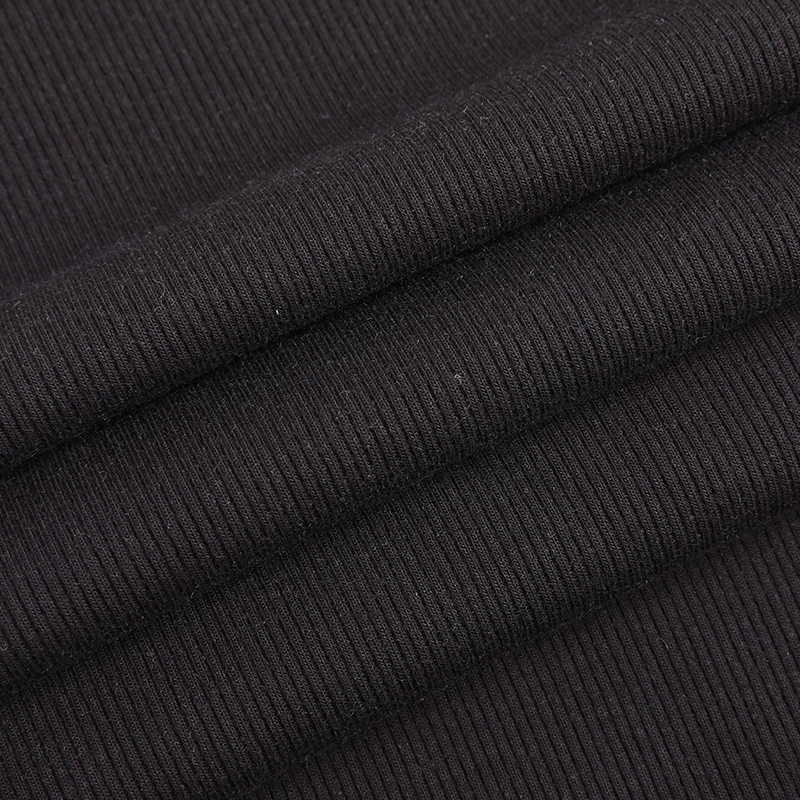
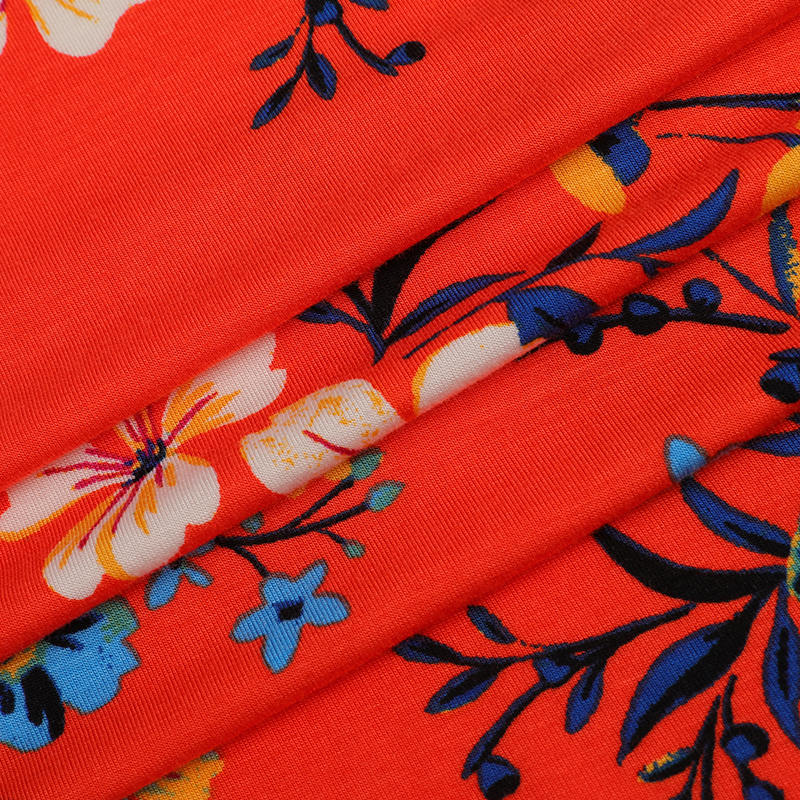
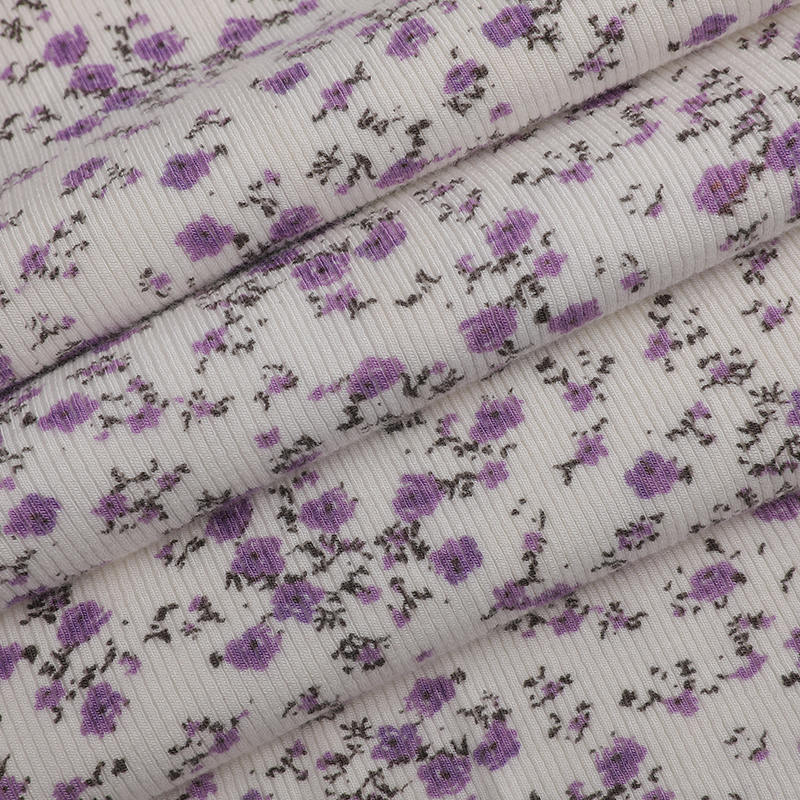
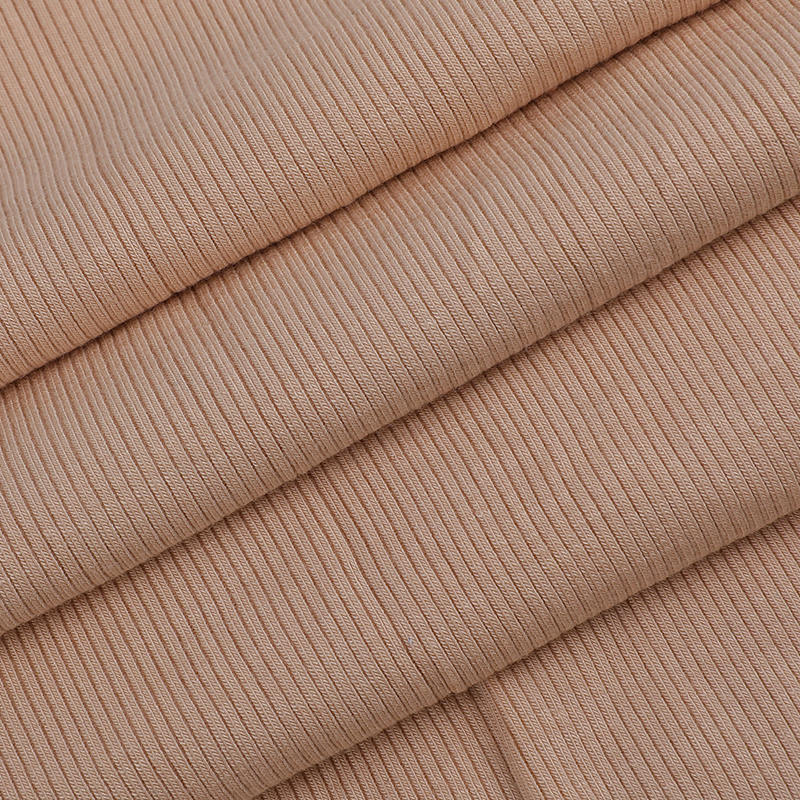
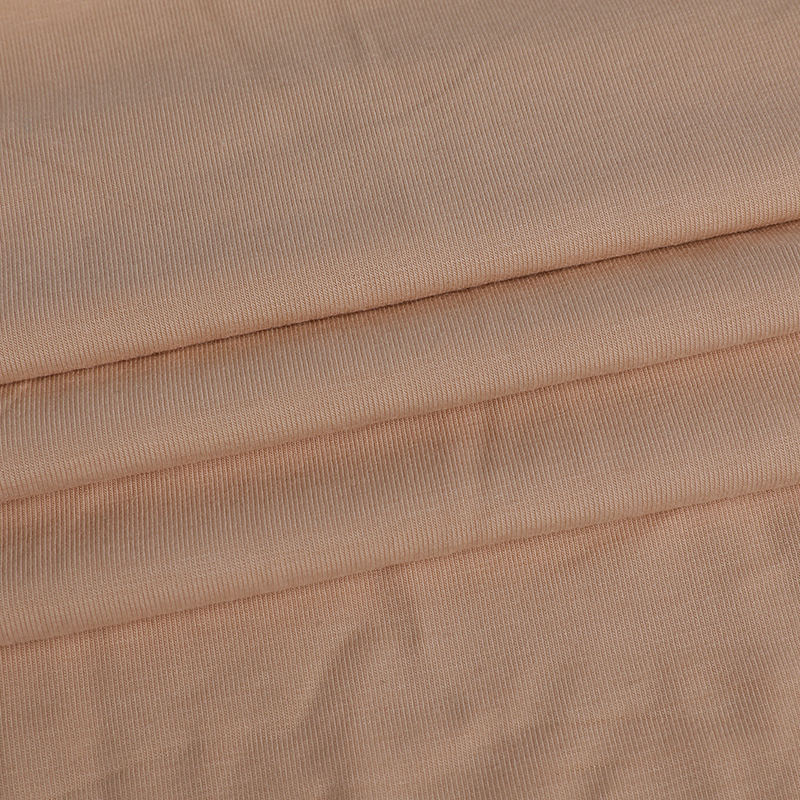
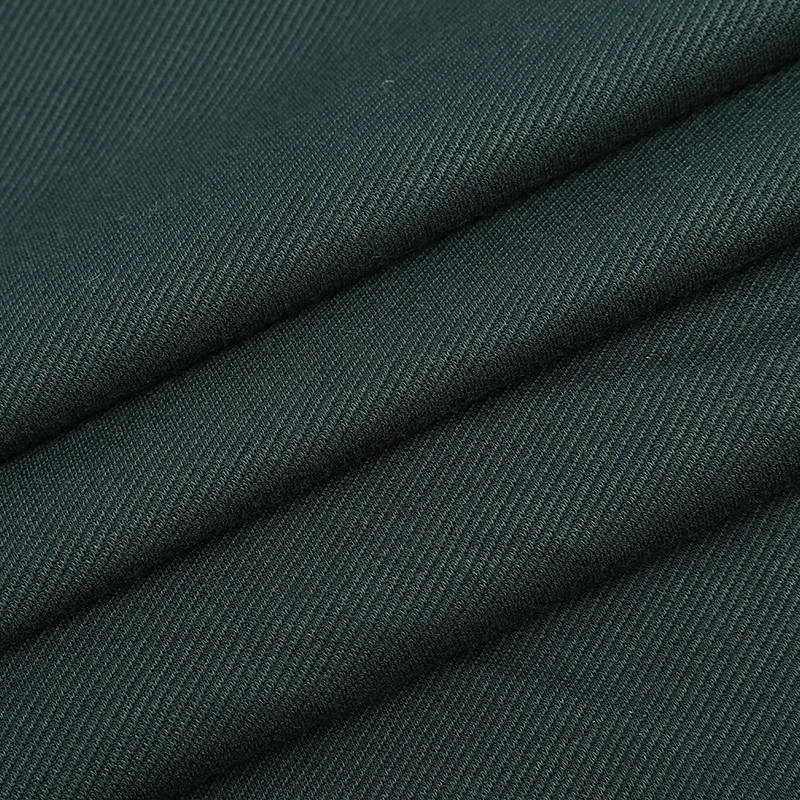
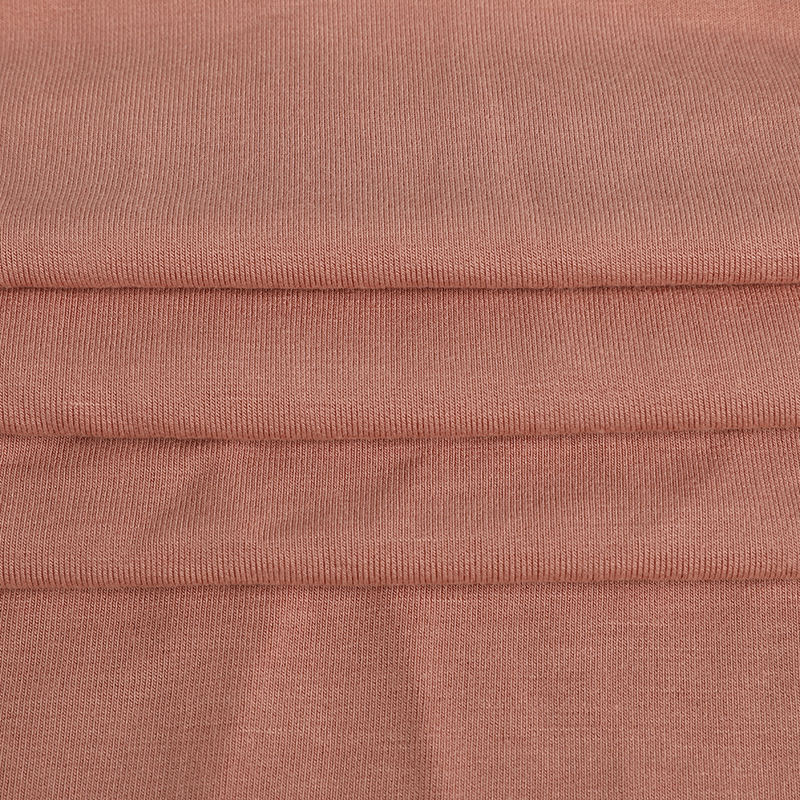
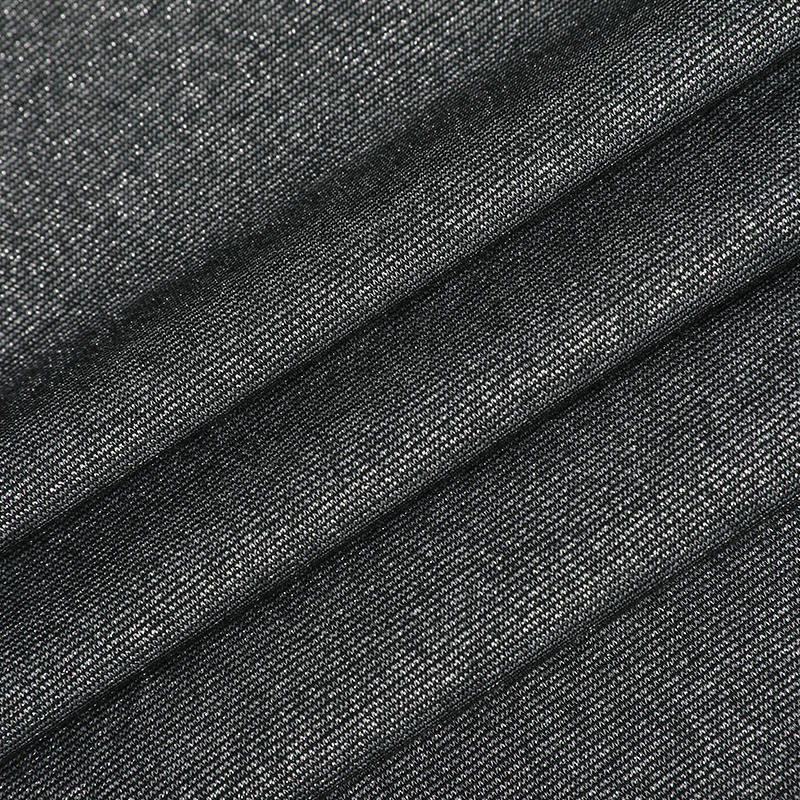
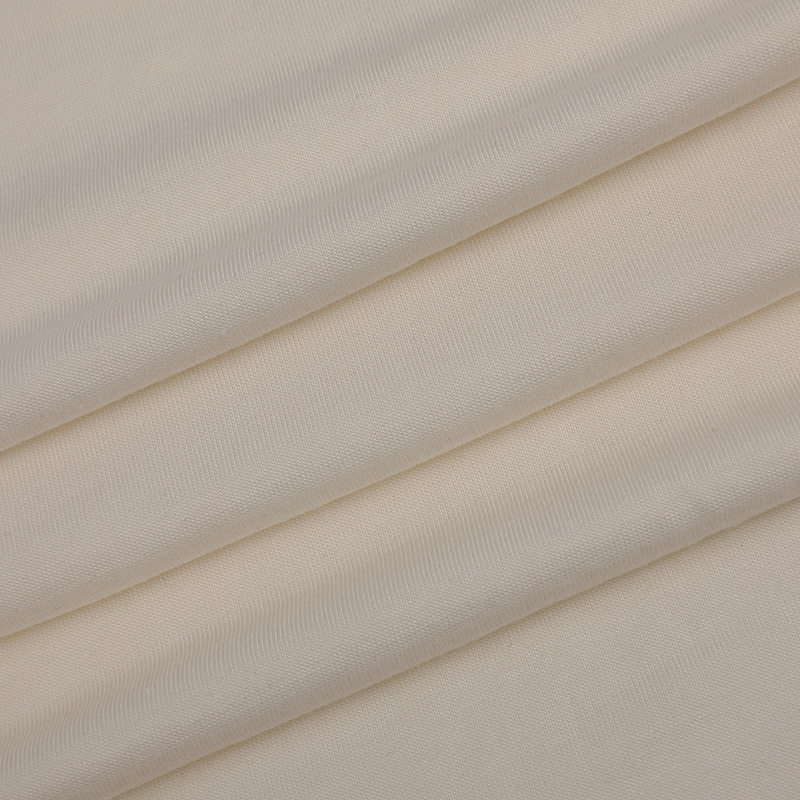
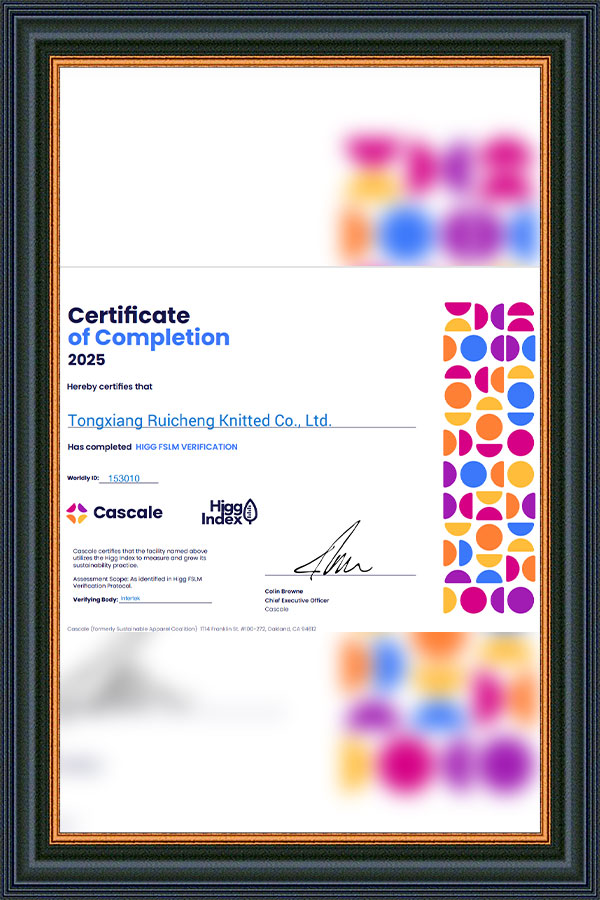
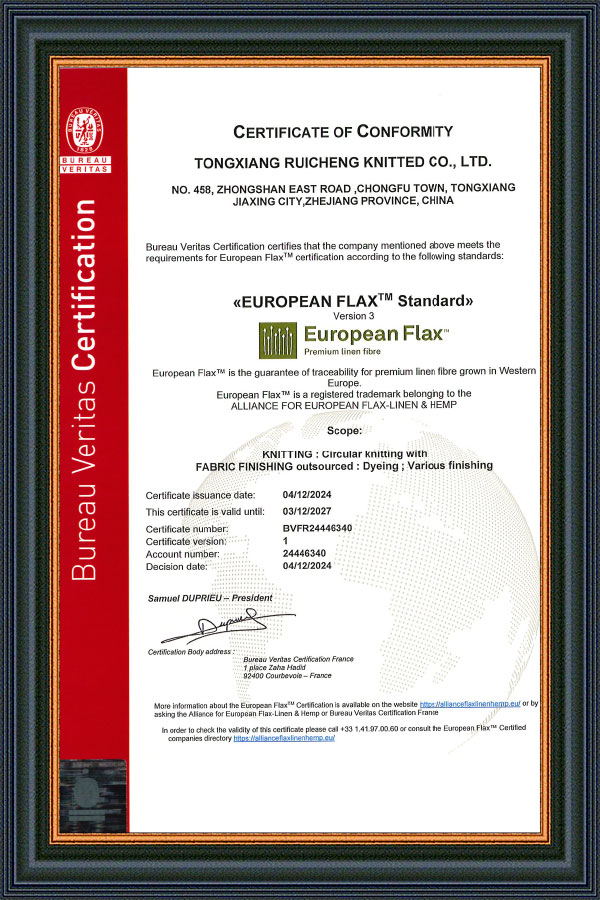
Contact Us for more details
Want to know more? Message Us Right Now!
Ten Knit Fabric Types: The Short Answer Ask ten mills to name the ten types of knit fabric and you will get ten slightly different lists. The list used here is the one that maps onto real production floors: single jersey, rib, interlock, pique, terry and fleece, ponte de Roma, waffle, bird's eye mesh, air layer and ja...
A sourcer opens a courier parcel and pulls out a swatch labeled cotton knit. The tech pack says 100% cotton. The lab report on the next page reads 94.6% cotton and 5.4% elastane. The color is right, the hand feel is right, and the order is still on hold because three words and one number do not agree with each other. ...
Cotton knit is a soft, stretchy fabric made by looping cotton yarns together rather than weaving them over and under. That single structural fact explains most of what buyers, designers, and product developers notice in the material: it stretches, it breathes, it drapes, and it can be engineered into very different we...
Want to know more? Message Us Right Now!
Lenzing viscose is a high-quality regenerated cellulose fiber produced from natural wood pulp, which is sourced from certified and sustainably managed forests. Unlike petroleum-based synthetic fibers such as polyester or nylon, Lenzing viscose originates from renewable natural resources, making it an important material in the global transition toward sustainable textiles. It is classified as a semi-synthetic fiber because although its raw material is natural cellulose, it undergoes a controlled chemical process to transform it into a spinnable fiber suitable for textile applications.
In the modern textile industry, Lenzing viscose is highly valued for its soft hand feel, excellent breathability, and skin-friendly properties. It closely resembles natural fibers like cotton and silk, but offers more consistent quality and better dyeing performance in industrial production. As consumers increasingly prioritize comfort and sustainability, viscose fibers have become widely used in fashion apparel, home textiles, and functional clothing.
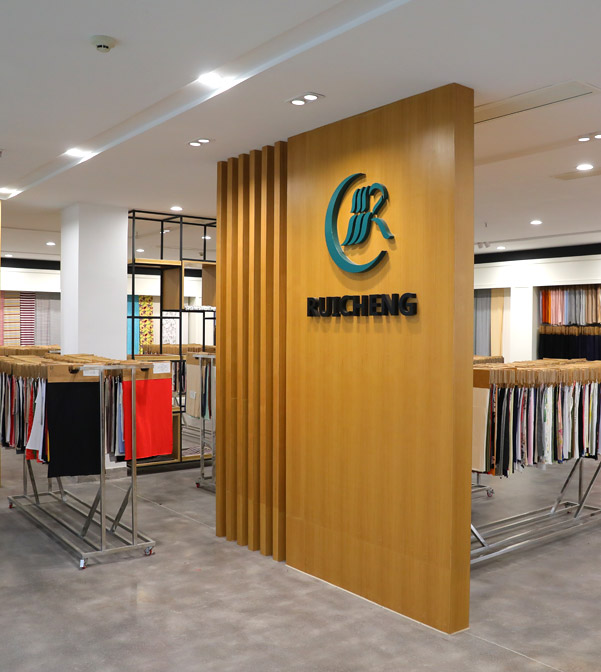
As a professional Lenzing Viscose Factory, enterprises like Tongxiang Ruicheng Knitting Co., Ltd. play an important role in integrating viscose fibers into knitted fabric production. Located in Chongfu Town Industrial Zone, Zhejiang Province, the company benefits from a strong textile manufacturing ecosystem and excellent logistics connectivity—145 km from Shanghai, 110 km from Suzhou, and 45 km from Hangzhou. With over 50 circular knitting machines and more than 100 employees, Ruicheng specializes in producing a wide range of knitted fabrics including viscose blends, jersey, rib, interlock, terry, and air layer fabrics.
| Feature | Description |
|---|---|
| Raw Material | Natural wood pulp |
| Fiber Type | Regenerated cellulose fiber |
| Hand Feel | Soft, smooth, breathable |
| Moisture Absorption | High |
| Sustainability Level | High (certified sourcing) |
Because of its natural origin and refined processing technology, Lenzing viscose is widely used in garments that require comfort and drape, such as dresses, shirts, innerwear, and lightweight fashion fabrics. It is also increasingly used in blended knitted fabrics to enhance softness and wearing comfort.
Lenzing viscose offers a unique combination of natural comfort and industrial performance, making it one of the most widely used regenerated fibers in modern textile manufacturing. Its structure allows it to combine the softness of natural cellulose with the consistency and scalability required for global textile production.
One of the most important advantages is its excellent moisture absorption ability. Lenzing viscose can absorb moisture significantly better than most synthetic fibers, helping to maintain skin comfort by reducing humidity buildup. This makes it particularly suitable for warm-weather clothing and garments worn close to the skin.
Another key advantage is its superior softness and drape quality. Fabrics made from viscose have a smooth surface and flowing appearance, which enhances garment aesthetics. This is especially important in fashion applications such as dresses, blouses, skirts, and lightweight trousers where visual elegance is essential.
| Property | Lenzing Viscose | Cotton | Polyester |
|---|---|---|---|
| Softness | Very High | High | Medium |
| Moisture Absorption | Very High | High | Low |
| Breathability | High | High | Medium |
| Strength (Wet) | Medium | High | High |
| Drape | Excellent | Medium | Low |
Lenzing viscose also has strong dyeing performance, allowing it to absorb dyes evenly and produce vibrant, long-lasting colors. This is highly beneficial for fashion designers who rely on color accuracy and consistency across collections.
From a manufacturing perspective, Tongxiang Ruicheng Knitting Co., Ltd. integrates viscose fibers into various knitted fabric structures such as single jersey, interlock, rib, and blended stretch fabrics. The company’s advanced circular knitting machines ensure stable fabric construction and consistent quality across different fiber compositions. In addition to viscose-based fabrics, Ruicheng also produces polyester, cotton blends, fleece, and terry fabrics, providing customers with a comprehensive textile solution.
By combining viscose fibers with modern knitting technology, manufacturers can produce fabrics that balance softness, elasticity, durability, and comfort—meeting the diverse requirements of global apparel markets.
Lenzing viscose is widely used across multiple textile sectors due to its versatility, comfort, and sustainability advantages. As global consumers become more environmentally conscious and demand more comfortable fabrics, the market for viscose-based textiles continues to expand rapidly.
In the fashion apparel industry, Lenzing viscose is commonly used in dresses, shirts, blouses, skirts, and lightweight suits. Its smooth texture and elegant drape make it a preferred material for high-end fashion design. Designers often choose viscose because it enhances garment flow and creates a premium visual effect.
In the home textile sector, viscose is used in bedding fabrics, curtains, cushion covers, and decorative textiles. Its breathable structure and soft touch improve indoor comfort, while its excellent dyeing properties ensure long-lasting color vibrancy in interior design applications.
In the intimate apparel and baby textile industry, Lenzing viscose is especially valued for its skin-friendly properties. It is gentle on sensitive skin and provides excellent moisture management, making it ideal for underwear, loungewear, baby clothing, and sleeping garments.
| Industry | Product Types | Key Advantages |
|---|---|---|
| Fashion Apparel | Dresses, shirts, skirts | Softness + drape |
| Home Textiles | Curtains, bedding | Comfort + aesthetics |
| Intimate Wear | Underwear, loungewear | Skin-friendly + breathable |
| Baby Products | Clothing, blankets | Gentle touch + safety |
As a professional Lenzing Viscose Factory partner and knitted fabric manufacturer, Tongxiang Ruicheng Knitting Co., Ltd. supplies viscose-blended fabrics to global markets including Europe, America, and Southeast Asia. The company’s strong production capacity—supported by more than 50 circular knitting machines—ensures stable supply and flexible customization for different customers.
Located in Chongfu Town Industrial Zone, a key textile hub in Zhejiang Province, Ruicheng benefits from a complete industrial chain and efficient logistics network. This allows the company to respond quickly to international orders and maintain competitive delivery schedules.
The company’s philosophy emphasizes customer satisfaction, mutual benefit, and long-term cooperation, ensuring stable partnerships with global textile buyers.
The production of Lenzing viscose involves a sophisticated process that transforms natural wood pulp into regenerated cellulose fibers. This process includes multiple stages such as pulp preparation, alkaline treatment, xanthation, dissolution, filtration, spinning, and washing. Each stage must be carefully controlled to ensure fiber consistency, purity, and performance stability.
High-quality viscose production depends heavily on both raw material selection and environmental management. Certified wood pulp from sustainably managed forests is essential to ensure traceability and reduce environmental impact. Modern viscose production also relies on closed-loop manufacturing systems, which recover and recycle chemicals used during processing.
At the downstream textile level, companies like Tongxiang Ruicheng Knitting Co., Ltd. ensure quality by integrating viscose fibers into stable knitted fabric structures. The company uses advanced circular knitting machines and strict quality control procedures to ensure uniform fabric density, elasticity, and softness.
| Stage | Key Focus | Quality Objective |
|---|---|---|
| Raw Material | Wood pulp selection | Sustainability |
| Fiber Processing | Spinning & purification | Purity & consistency |
| Knitting | Fabric formation | Uniform structure |
| Finishing | Dyeing & treatment | Softness & durability |
In addition to viscose-based fabrics, Ruicheng continues to expand its product range into fleece, terry, rib, interlock, and air-layer fabrics. This diversification allows the company to meet various market demands while maintaining strong competitiveness in the global textile industry.
With continuous investment in innovation and sustainable production practices, Tongxiang Ruicheng Knitting Co., Ltd. is committed to supporting the development of eco-friendly textile solutions. The company aims to combine material innovation with manufacturing excellence to provide high-quality knitted fabrics for global customers.
Q1: Is Lenzing viscose the same as regular viscose?
No. Lenzing viscose is produced under stricter environmental and quality standards, offering better consistency and sustainability.
Q2: Is Lenzing viscose eco-friendly?
Yes. It is made from renewable wood pulp and uses environmentally responsible closed-loop production systems.
Q3: Does Lenzing viscose shrink after washing?
It may shrink slightly if not properly finished, but high-quality processing reduces this risk significantly.
Q4: What fabrics can Lenzing viscose be blended with?
It can be blended with cotton, polyester, spandex, and other fibers to improve comfort and performance.
Q5: What industries use Lenzing viscose most?
It is widely used in fashion apparel, home textiles, intimate wear, and baby clothing due to its softness and breathability.
ALL RIGHTS RESERVED:Tongxiang Ruicheng Knitting Co., Ltd.
 Wholesale Lenzing Viscose Fabric Manufacturers

 CONTACT US