

 English
 中文简体
中文简体 +86-13967368270
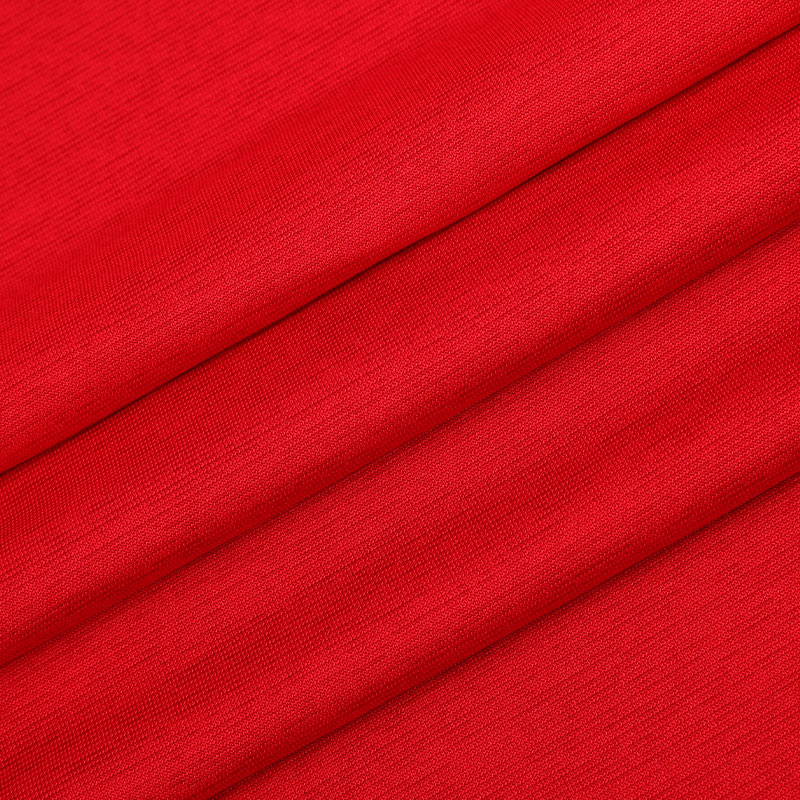
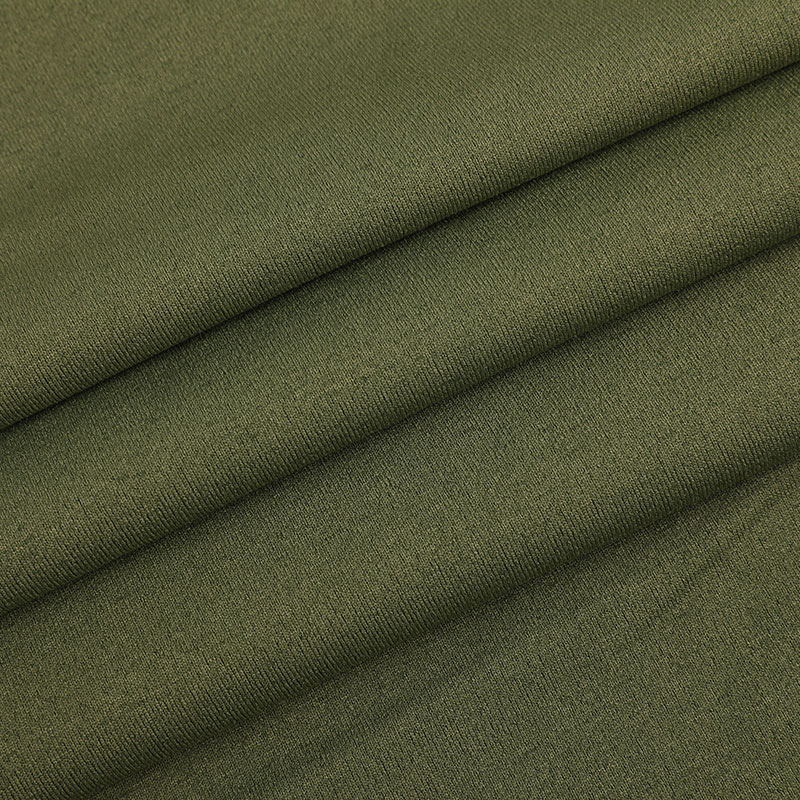
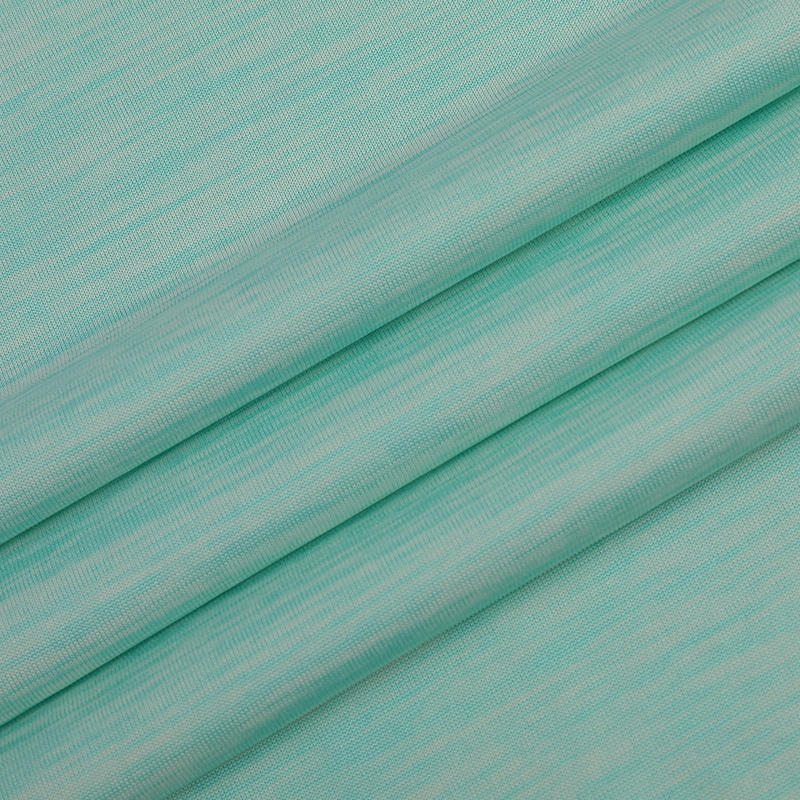
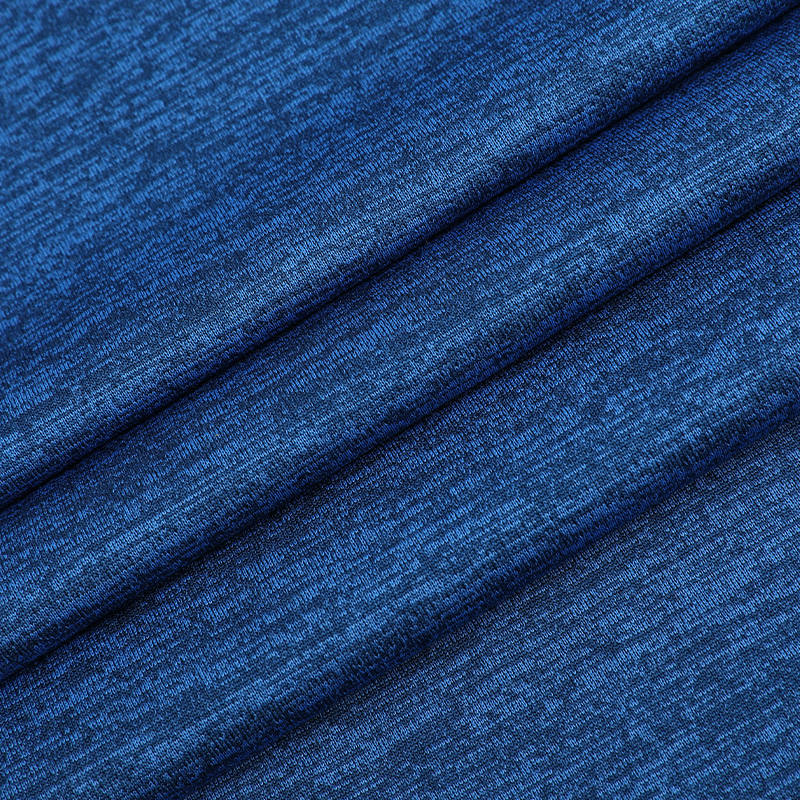
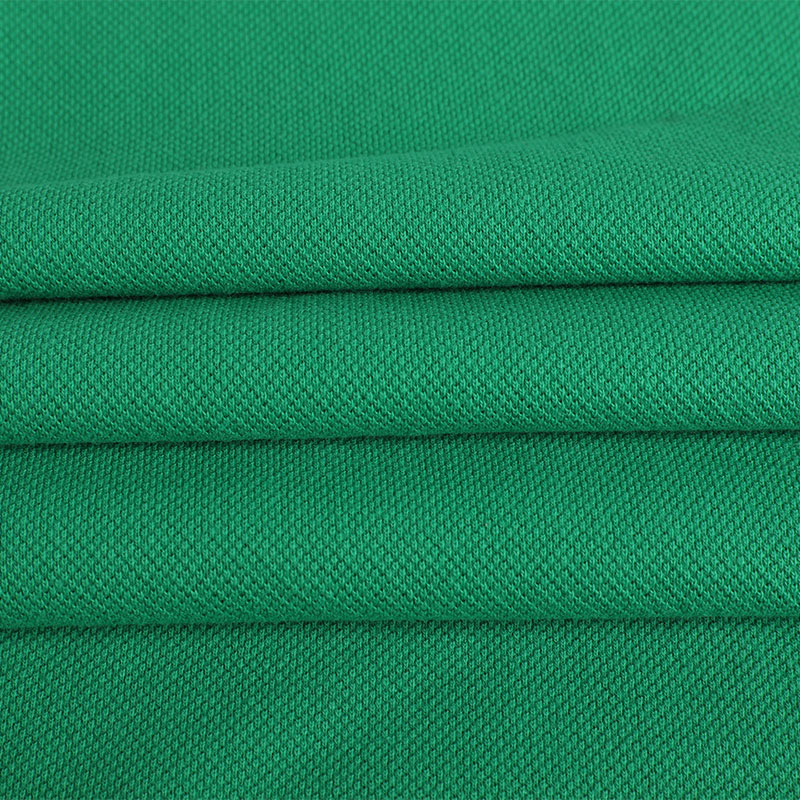
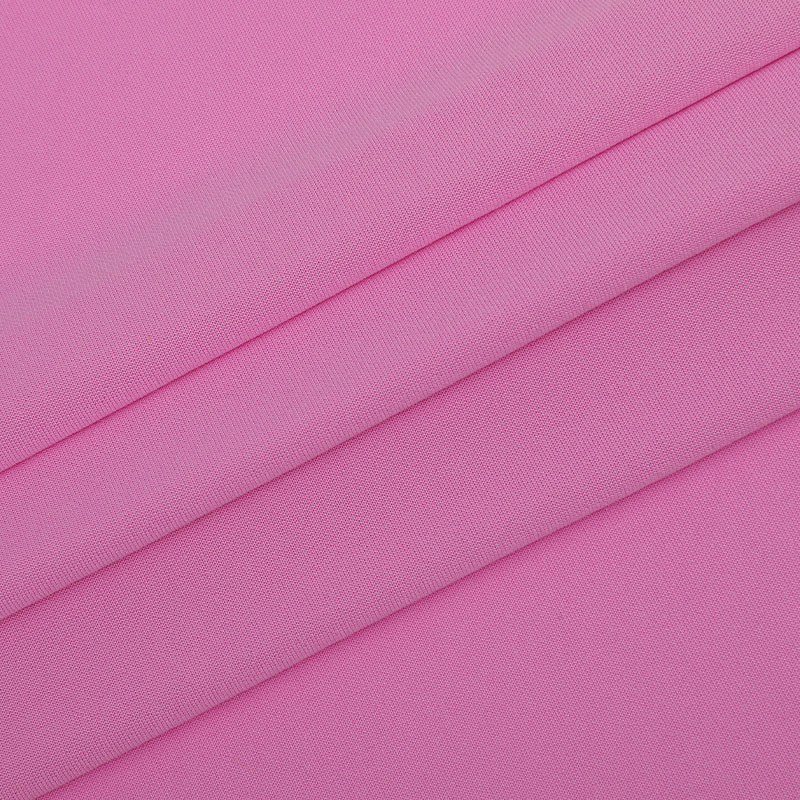
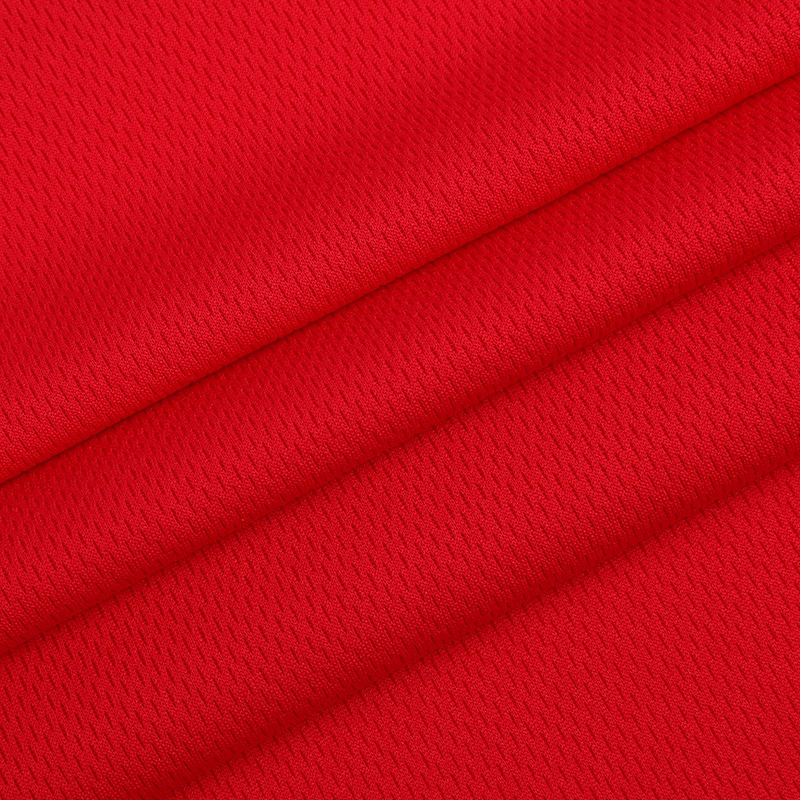
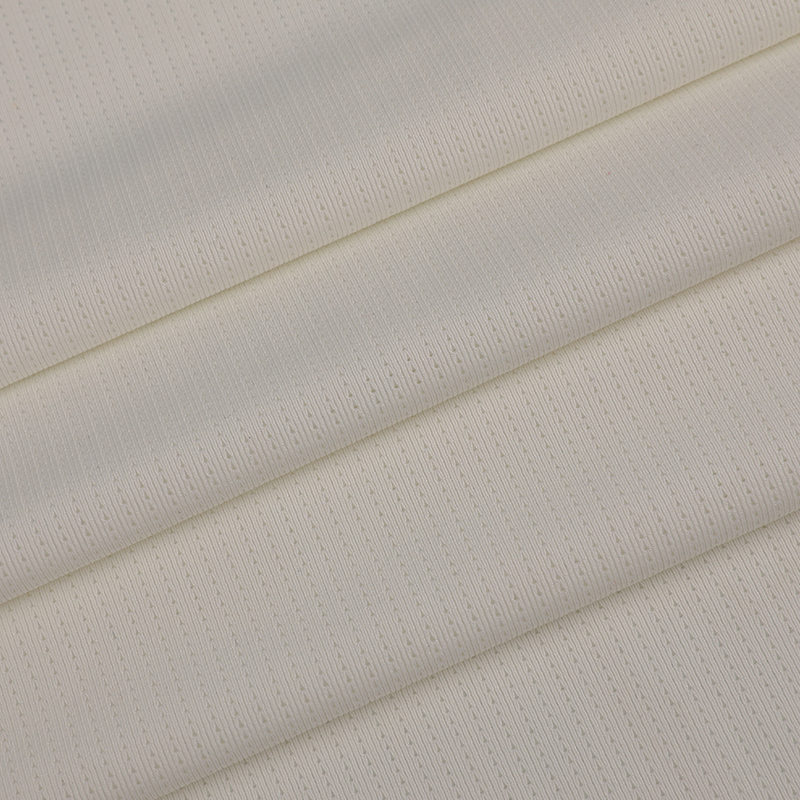
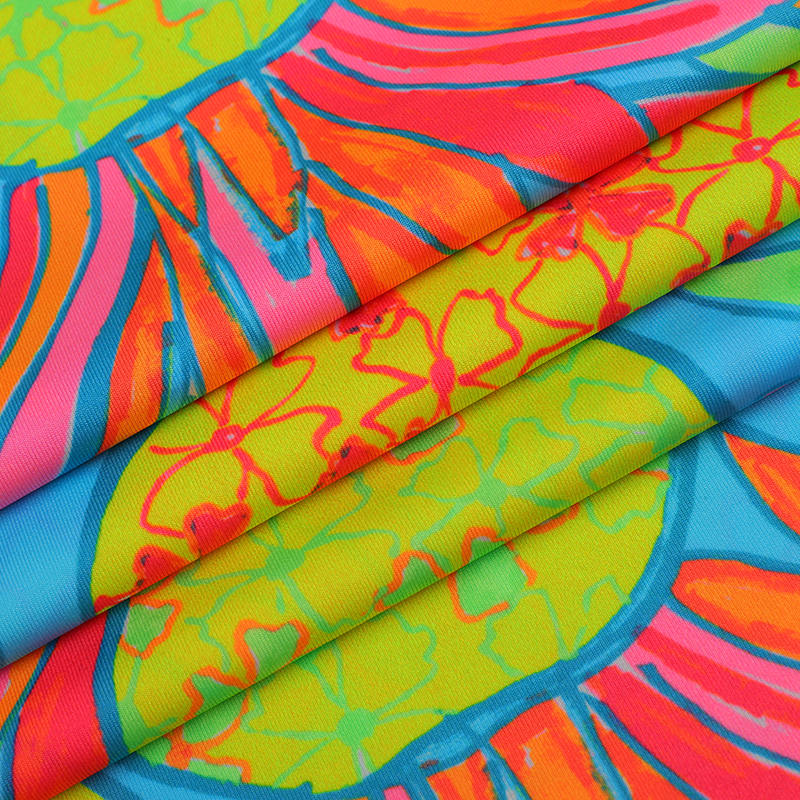
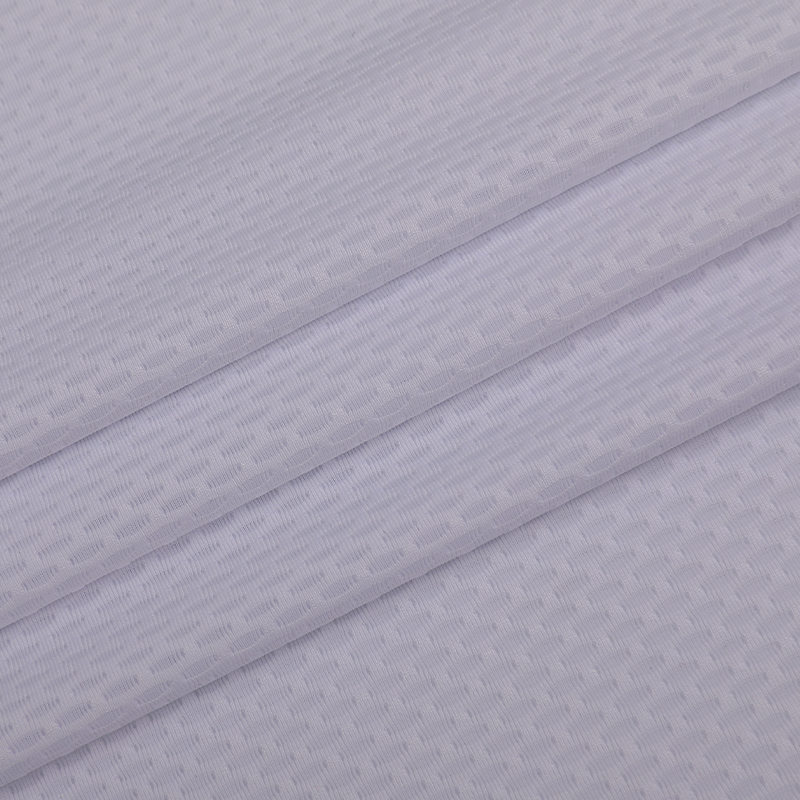
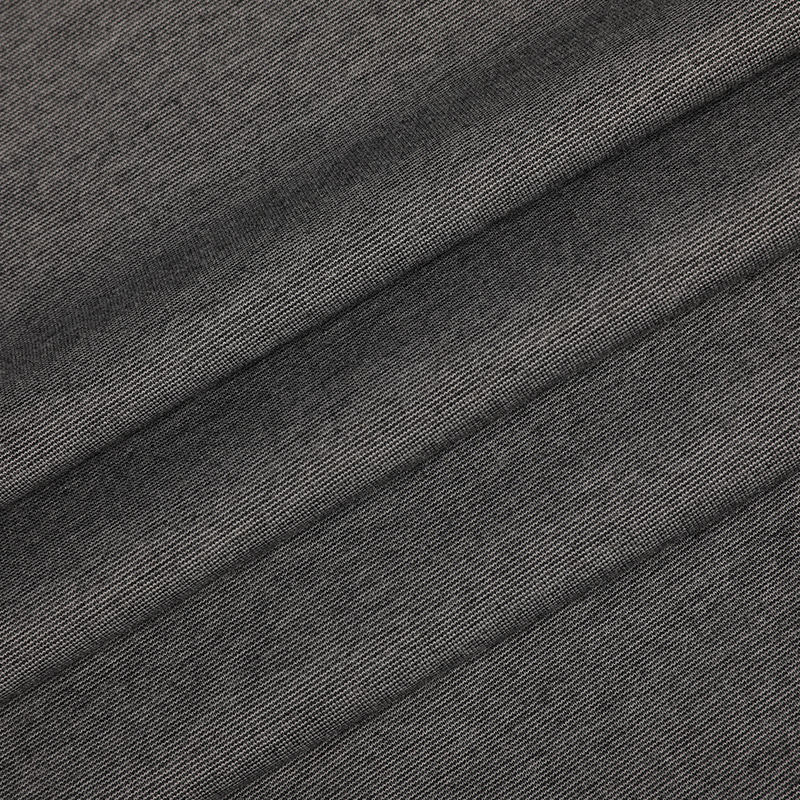
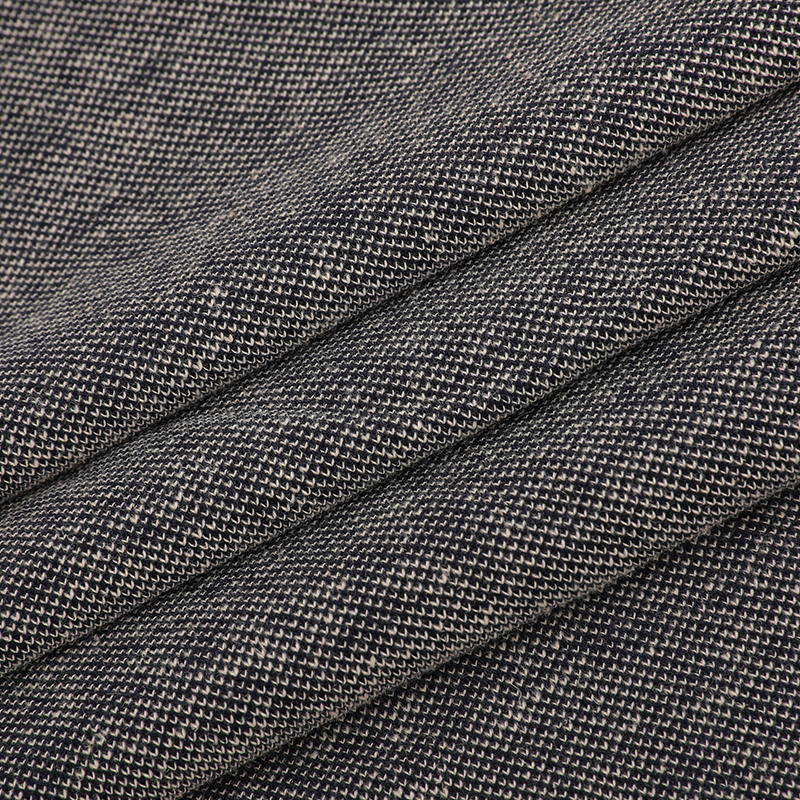
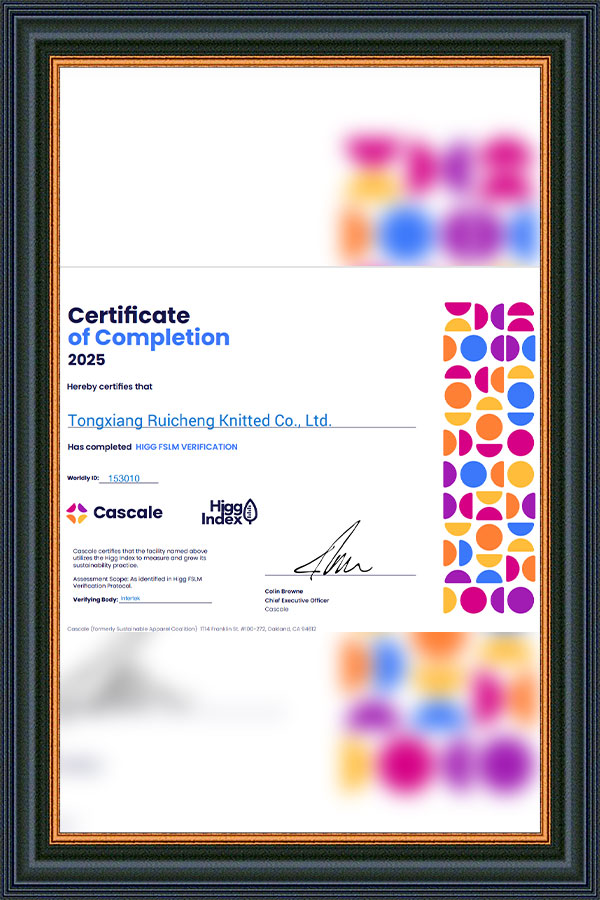
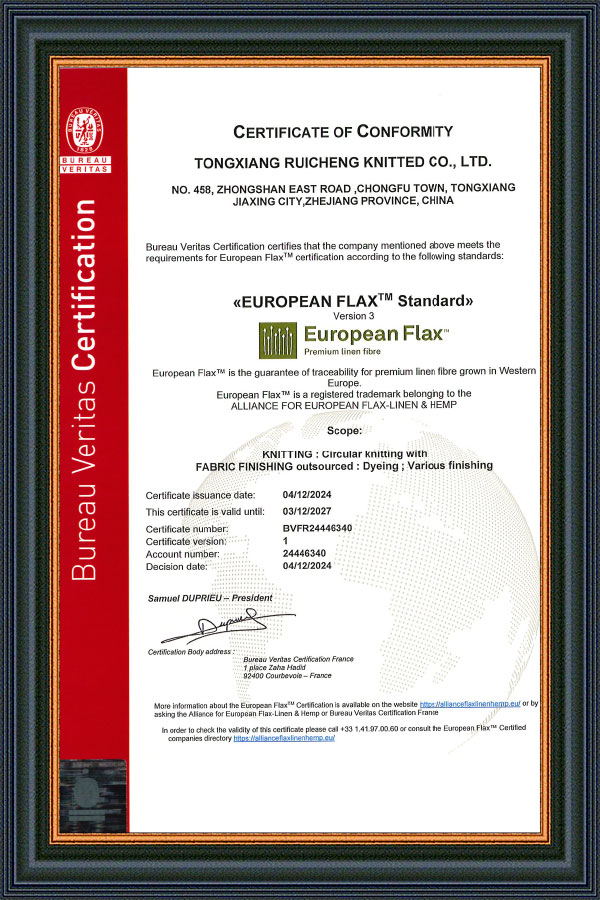
Contact Us for more details
Want to know more? Message Us Right Now!
A sourcer opens a courier parcel and pulls out a swatch labeled cotton knit. The tech pack says 100% cotton. The lab report on the next page reads 94.6% cotton and 5.4% elastane. The color is right, the hand feel is right, and the order is...
Cotton knit is a soft, stretchy fabric made by looping cotton yarns together rather than weaving them over and under. That single structural fact explains most of what buyers, designers, and product developers notice in the material: it st...
A Portuguese buyer sends a 40-metre sample request with one line attached: what is jersey knit cotton fabric, and can you knit it at 180 gsm? That single question usually hides three more. How much will it shrink after three home washes? H...
Cotton knitwear is a fabric formed by turning cotton yarn into a series of interconnected loops, rather than crossing yarns at right angles the way woven cotton is made. That single structural difference explains almost everything people n...
Want to know more? Message Us Right Now!
Polyester Knit Fabrics represent the backbone of modern textile engineering, blending chemical innovation with precise mechanical interlooping. Unlike woven fabrics, which rely on a rigid intersection of warp and weft yarns, these materials are created by interlocking loops of yarn, a process that inherently provides the fabric with a degree of natural stretch and flexibility.
At the microscopic level, polyester is a synthetic polymer derived from petroleum-based raw materials, extruded into continuous filaments. When processed into Polyester Knit Fabrics, these filaments are engineered to achieve specific performance outcomes—ranging from high-tenacity industrial strength to the soft hand-feel required for high-end activewear. For manufacturers like Tongxiang Ruicheng Knitting Co., Ltd., the focus is on controlling the relationship between denier (D) and filament count. A lower denier often translates to a more delicate, supple drape, while higher denier yarns are selected for fabrics intended for high-friction industrial environments.
To provide a clearer understanding of how these specifications influence the final product, we can look at the typical classification based on technical parameters:
| Parameter | Specification | Primary Benefit |
| Fiber Denier | 50D – 150D | Balance of softness and structural strength |
| Filament Count | 48F – 144F | Higher counts improve softness and drape |
| Loop Density | Measured by Gauge (E) | Determines the tightness and wind resistance |
| Elasticity | 5% – 20% (w/ Spandex) | Provides recovery and prevents sagging |
The technical expertise required to manage these variables is significant. Located in the Chongfu Town Industrial Zone, Tongxiang Ruicheng Knitting Co., Ltd. has spent over a decade refining these production techniques. The facility utilizes more than 50 large circular knitting machines, a scale of operation that allows for precise control over yarn tension and loop consistency. This level of technical oversight is essential because, in the world of Polyester Knit Fabrics, even a minor deviation in the knitting tension can compromise the material's dimensional stability, leading to uneven stretching or premature wear in the final garment.
By integrating traditional knitting expertise with modern production standards, industrial manufacturers ensure that their Polyester Knit Fabrics meet the rigorous demands of global trade, whether for casual sportswear or heavy-duty industrial applications. Understanding these fundamental mechanical properties is the first step for any procurement professional looking to source materials that offer both longevity and functional versatility.
The global preference for Polyester Knit Fabrics in both technical apparel and industrial sectors is driven by a unique set of mechanical and chemical advantages. The most critical of these is the material’s inherent hydrophobic nature, which prevents the fiber from absorbing moisture. In practical terms, this allows the fabric to wick sweat away from the body—or industrial agents away from surfaces—facilitating rapid evaporation. Unlike natural fibers that hold moisture and become heavy or prone to mold, high-quality polyester knits remain light and dimensionally stable.
Structural integrity is another hallmark of these fabrics. Because they are knit rather than woven, they possess a natural "memory"—the ability to return to their original shape after being stretched. This is vital for garments and technical covers that undergo frequent mechanical stress. At Tongxiang Ruicheng Knitting Co., Ltd., the engineering of this performance is achieved through the precise calibration of circular knitting machines. By adjusting the loop structure and the yarn tension, the technical team can produce fabrics that balance breathability with high abrasion resistance.
The following table highlights the performance superiority of engineered polyester knits compared to standard alternatives in high-demand environments:
| Performance Metric | Polyester Knit Fabric | Traditional Cotton Knit |
| Moisture Regain | < 0.5% (Very Low) | 8% – 10% (High) |
| Shrinkage Resistance | Excellent (Heat-set stable) | Moderate (Prone to distortion) |
| Abrasion Resistance | High (Durable) | Low (Prone to thinning) |
| UV Resistance | High (Inherent protection) | Low (Fades/Degrades) |
| Drying Speed | Rapid | Slow |
For professional buyers, the importance of "Dimensional Stability" cannot be overstated. A fabric that maintains its shape across large-scale production runs is essential for maintaining supply chain reliability. Tongxiang Ruicheng Knitting Co., Ltd. has built its reputation on this very concept. With an annual output value exceeding 200 million yuan, the company manages the complex interplay between knitting density and thermal finishing processes. By ensuring that the polyester fibers are correctly heat-set during the production phase, the finished fabric avoids the common pitfalls of pilling or excessive elongation, even after repeated exposure to the harsh conditions often found in industrial or international trade settings.
This commitment to technical consistency is how Tongxiang Ruicheng Knitting Co., Ltd. supports its clients across Europe, America, and Southeast Asia. When a product is designed for high-performance usage, the fabric’s ability to resist mechanical deformation—while maintaining its intended texture—becomes the primary differentiator in the marketplace.
The performance profile of Polyester Knit Fabrics is not solely determined by the fiber itself, but significantly influenced by the geometry of the knit construction. Selecting the correct structure is a technical decision that dictates how a fabric will perform in end-use applications, whether for high-performance sportswear or durable industrial linings.
Each construction method offers distinct advantages in terms of weight, breathability, and structural density. For instance, Tongxiang Ruicheng Knitting Co., Ltd. leverages its fleet of over 50 large circular knitting machines to differentiate these structures, ensuring that the fabric's physical properties align with client specifications. From simple single-sided knits to complex jacquards, the construction defines the product's ultimate utility.
Below is a technical breakdown of common constructions and their primary engineering applications:
| Knit Construction | Technical Characteristics | Typical Application |
| Single Jersey | Lightweight, high drape, porous structure | Casual tops, athletic linings, soft-touch apparel |
| Interlock Fabric | Double-sided, smooth, higher density | Premium polo shirts, structured workwear |
| Roma Fabric | Complex double-knit, stable, thickness | Jackets, heavy-duty industrial apparel |
| Mesh Fabric | High permeability, open-loop geometry | Athletic ventilation zones, industrial filtration linings |
| Air Layer | Multi-layer construction, thermal retention | Thermal performance gear, protective layers |
Understanding these distinctions is critical for procurement. For example, when a client requires a material that balances thickness with breathability, Tongxiang Ruicheng Knitting Co., Ltd. might recommend an air layer or a specific mesh variant, depending on the thermal management requirements. The company’s ability to pivot between these varieties—including advanced memory knitted fabrics made of PPT fiber—demonstrates the depth of expertise required to maintain consistent quality across different product categories.
Furthermore, the versatility of these structures allows for specialized finishes. Whether it is a single-sided fleece designed for lamination or a small jacquard meant for aesthetic detail, the underlying knit structure serves as the foundation for the final material performance. With their extensive experience in producing everything from basic rib fabrics to complex cotton-cashmere and pure wool blends, the technical team at Tongxiang Ruicheng Knitting Co., Ltd. ensures that the knitting parameters are optimized for the specific end-use, reducing the risk of structural failure in demanding export markets. By matching the correct knit geometry to the intended operational environment, manufacturers can significantly enhance the lifecycle and functional reliability of the finished textile.
In the international B2B textile market, the difference between a mediocre product and a high-performance material lies in strict adherence to standardized manufacturing metrics. For procurement managers, evaluating Polyester Knit Fabrics requires looking past the surface finish and focusing on data-driven quality benchmarks. These standards ensure that the fabric will not only perform well during the initial application but also maintain its integrity throughout its intended lifespan.
When assessing these fabrics, the primary technical indicators focus on weight, color stability, and physical consistency. Tongxiang Ruicheng Knitting Co., Ltd. integrates these quality control procedures directly into their production cycle in Chongfu Town. With a modernized facility and over 100 skilled employees, the company emphasizes the importance of these parameters to ensure that their output meets the rigorous demands of global buyers.
The following technical indicators are standard benchmarks used to evaluate the quality consistency of Polyester Knit Fabrics:
| Quality Metric | Testing/Measurement Standard | Importance to B2B Procurement |
| GSM (Weight) | Measured in grams per square meter | Defines opacity, thickness, and material cost |
| Colorfastness | Gray Scale (1-5 Grade) | Ensures resistance to fading under UV/washing |
| Pilling Resistance | Martindale Abrasion Test | Predicts longevity and surface appearance |
| Dimensional Stability | % Change in length/width after wash | Guarantees fit and shape retention in garments |
| Bursting Strength | Measured in kPa | Indicates durability under mechanical tension |
Achieving these standards requires more than just high-quality raw materials; it requires rigorous process management. For example, the tension control on circular knitting machines must be constant to prevent uneven loop distribution, which could lead to inconsistent fabric performance across a single batch. By utilizing advanced equipment to monitor these variables, Tongxiang Ruicheng Knitting Co., Ltd. ensures that every shipment—whether it is specialized mesh fabric, Roma fabric, or standard spandex jersey—maintains uniform elongation and structural integrity.
Moreover, compliance with international safety and quality thresholds is non-negotiable for exports to Europe, America, and Southeast Asia. Whether the application is for protective workwear or casual apparel, the fabric must undergo standardized testing to confirm it meets the specific mechanical requirements of the destination market. Through a decade of production experience, Tongxiang Ruicheng Knitting Co., Ltd. has developed internal quality control workflows that align these metrics with global expectations. This systematic approach allows the company to minimize batch-to-batch variance, providing buyers with the assurance that the Polyester Knit Fabrics they receive are standardized, reliable, and prepared for high-volume industrial processing.
The versatility of Polyester Knit Fabrics stems from their ability to be engineered for specific functional requirements, ranging from the high-performance demands of professional sportswear to the rigorous structural needs of industrial workwear. By adjusting the knitting density and fiber composition, manufacturers can tailor these materials to excel in diverse environments.
In the realm of activewear, the focus is typically on moisture management and thermal regulation. Here, the priority is to create structures that facilitate rapid evaporation while maintaining structural resilience. Tongxiang Ruicheng Knitting Co., Ltd. has successfully navigated these requirements by supplying advanced knitted series that support the technical needs of athletic brands globally. Their expertise in managing spandex blends allows for the creation of fabrics that offer a four-way stretch, essential for athletic range-of-motion.
Conversely, for industrial workwear and protective gear, the technical focus shifts toward durability and resistance to environmental stress. The following comparison illustrates how fabric construction is selected based on the specific requirements of the end-use sector:
| Application Sector | Preferred Construction | Key Performance Requirement |
| High-Performance Activewear | Single Jersey / Spandex Blend | Moisture-wicking, elasticity, lightweight |
| Heavy-Duty Industrial Workwear | Interlock / Roma Fabric | High abrasion resistance, tear strength |
| Protective/Technical Lining | Mesh / Air Layer | Breathability, thermal insulation, structural rigidity |
| Contract Home Textiles | Rib / Jacquard | Dimensional stability, tactile comfort, color longevity |
Beyond standard apparel, the application of Polyester Knit Fabrics extends into niche industrial fields. For instance, the use of memory knitted fabrics made of PPT fiber, a development pioneered by Tongxiang Ruicheng Knitting Co., Ltd. in 2009, opened new doors for functional casual and sportswear. This material provides an enhanced level of shape memory, ensuring that garments retain their tailored silhouette even after intensive use.
Operating out of their strategically located facility in the Chongfu Town Industrial Zone, Tongxiang Ruicheng Knitting Co., Ltd. leverages its proximity to major logistics hubs—only 145 kilometers from Shanghai—to supply these diverse sectors efficiently. By maintaining an annual output value exceeding 200 million yuan, the company is able to manage large-scale, customized orders that require specific fabric properties. Whether it is a breathable mesh for ventilation in industrial environments or a dense, double-knit fabric for protective workwear, the ability to translate technical specifications into high-quality bulk output is what defines their role in the international textile trade. For procurement professionals, identifying a manufacturer that understands these sector-specific nuances is the key to ensuring that the chosen Polyester Knit Fabrics will provide the intended functional benefits in their final application.
The long-term performance of Polyester Knit Fabrics is heavily dependent on how the material is handled, both in industrial processing and at the end-user stage. While these fabrics are engineered for high durability, improper cleaning cycles can diminish specialized finishes—such as moisture-wicking coatings or flame-retardant treatments—that are often applied to technical knits.
For industrial-grade applications, the lifecycle management of these fabrics begins with understanding the thermal tolerance of the specific knit construction. Tongxiang Ruicheng Knitting Co., Ltd. emphasizes that heat-setting during the production phase is crucial for ensuring that the fabric maintains its dimensions under varying temperatures. When cleaning or processing, manufacturers must adhere to specific guidelines to prevent fiber distortion.
The following table provides a guideline for maintenance and lifecycle expectations, comparing common industrial care methods:
| Maintenance Factor | Recommended Practice | Impact on Fabric Integrity |
| Water Temperature | 40°C to 60°C | Preserves fiber structure; prevents thermal stress |
| Drying Cycle | Low-heat tumble dry or air dry | Prevents fiber breakage and prevents shrinkage |
| Chemical Handling | Neutral detergents; no chlorine bleach | Protects dye consistency and prevents chemical degradation |
| Storage Conditions | Dry, ventilated, away from direct sunlight | Prevents UV-induced brittleness and color fading |
At Tongxiang Ruicheng Knitting Co., Ltd., the internal technical team provides material-specific care instructions based on the yarn composition and knit structure. With over a decade of experience in the textile industry, the company recognizes that the durability of their exported products depends on clear communication regarding care protocols. For instance, while their standard Polyester Knit Fabrics are designed to be robust, fabrics that incorporate cotton or wool blends, such as their newer cotton-cashmere and pure wool lines, require distinct handling to prevent fiber abrasion and felting.
Understanding the expected wear-and-tear cycle is equally important for procurement. Fabrics used in high-friction environments, such as safety gear or industrial workwear, will naturally show degradation after a certain threshold of use. By selecting Polyester Knit Fabrics that are specifically optimized for these conditions—through a combination of high-tenacity yarns and stable circular knit construction—companies can significantly extend the effective lifecycle of their products. Through its comprehensive trade channels, Tongxiang Ruicheng Knitting Co., Ltd. ensures that buyers have access to these durable, low-maintenance materials, backed by professional expertise that supports the product through its entire commercial lifespan. By balancing high-performance manufacturing with sound maintenance practices, organizations can maximize the return on their textile investment while ensuring consistent quality in every garment or industrial application.
Navigating the specifications of Polyester Knit Fabrics can be complex, especially when sourcing for specialized industrial or garment applications. To assist procurement professionals and manufacturers, we have compiled answers to common technical queries based on industry standards and the production expertise maintained by Tongxiang Ruicheng Knitting Co., Ltd.
A: Yes. Breathability is not solely determined by the fiber, but by the knit structure and the moisture-wicking technology applied during finishing. Fabrics such as mesh or specific open-loop single jerseys allow for excellent air permeability. Tongxiang Ruicheng Knitting Co., Ltd. often modifies the loop geometry of these knits to ensure that while the fabric remains durable, it also facilitates rapid heat dissipation, making it suitable for high-activity or hot-weather use.
A: Pilling is primarily a function of fiber length, yarn tension, and the degree of friction during use. High-quality Polyester Knit Fabrics are designed with continuous filament yarns, which are far more resistant to pilling than staple fibers. In the production process, ensuring correct tension on the circular knitting machines—a priority at the Tongxiang Ruicheng Knitting Co., Ltd. facility—is critical to prevent loose fiber ends from forming "pills."
A: The difference lies in the mechanical creation of the fabric. Weft-knitted (circular) fabrics, which comprise the bulk of production at Tongxiang Ruicheng Knitting Co., Ltd., are created by a single yarn running horizontally, resulting in excellent stretch and drape. Warp-knitted fabrics use multiple yarns running vertically, creating a more stable, ladder-resistant structure often used for industrial liners or technical support materials.
| Technical Comparison | Weft-Knitted (Circular) | Warp-Knitted |
| Stretchability | High (Multi-directional) | Low (Mainly longitudinal) |
| Edge Fraying | More prone to laddering | Resistant to laddering |
| Production Speed | High | Very High |
| Typical Use | Apparel, Activewear | Technical Linings, Industrial |
A: GSM (Grams per Square Meter) is the primary indicator of fabric "heaviness" and density. For an industrial manufacturer, selecting the right GSM is a balance between opacity and utility.
Lightweight (< 150 GSM): Ideal for base layers, lining, and moisture-wicking athletic gear.
Mid-weight (150 – 250 GSM): The "sweet spot" for most casual apparel and standard workwear.
Heavyweight (> 250 GSM): Chosen for structured jackets, upholstery, or protective industrial layers where durability is the priority.
With their deep expertise and history of producing everything from thin jerseys to thick, stable Roma fabrics, the team at Tongxiang Ruicheng Knitting Co., Ltd. advises clients to align GSM requirements with the final mechanical demands of their product. This ensures that the material provides the necessary thermal retention or structural support without adding unnecessary weight. If you have specific requirements regarding these technical parameters for your next procurement project, the team is equipped to provide data-backed recommendations based on their extensive business channels and over a decade of production practice.
ALL RIGHTS RESERVED:Tongxiang Ruicheng Knitting Co., Ltd.
 Custom Polyester Knits Fabric Manufacturers

 CONTACT US