

 English
 中文简体
中文简体 +86-13967368270
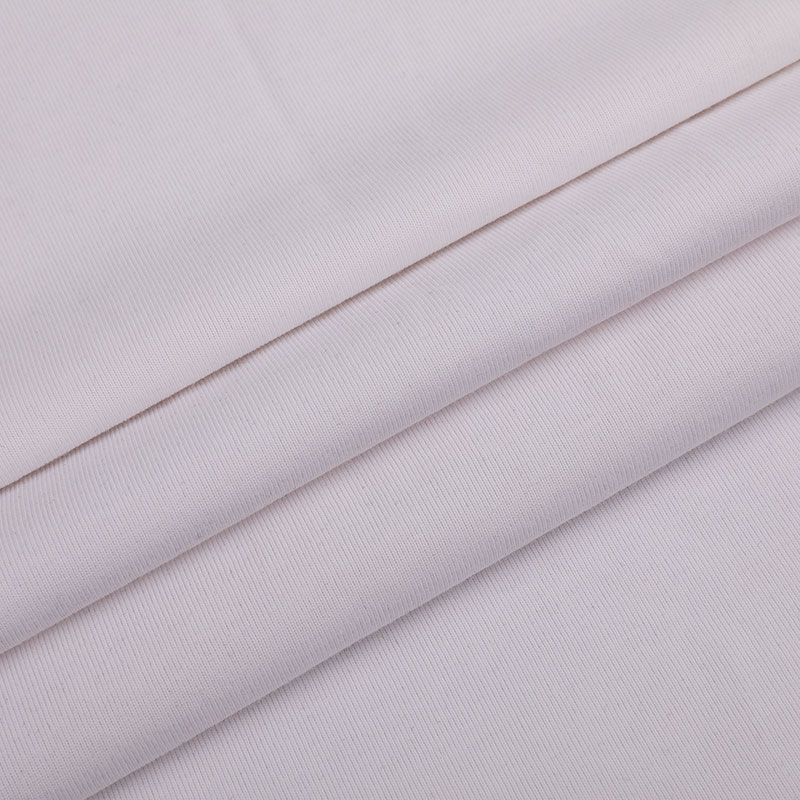
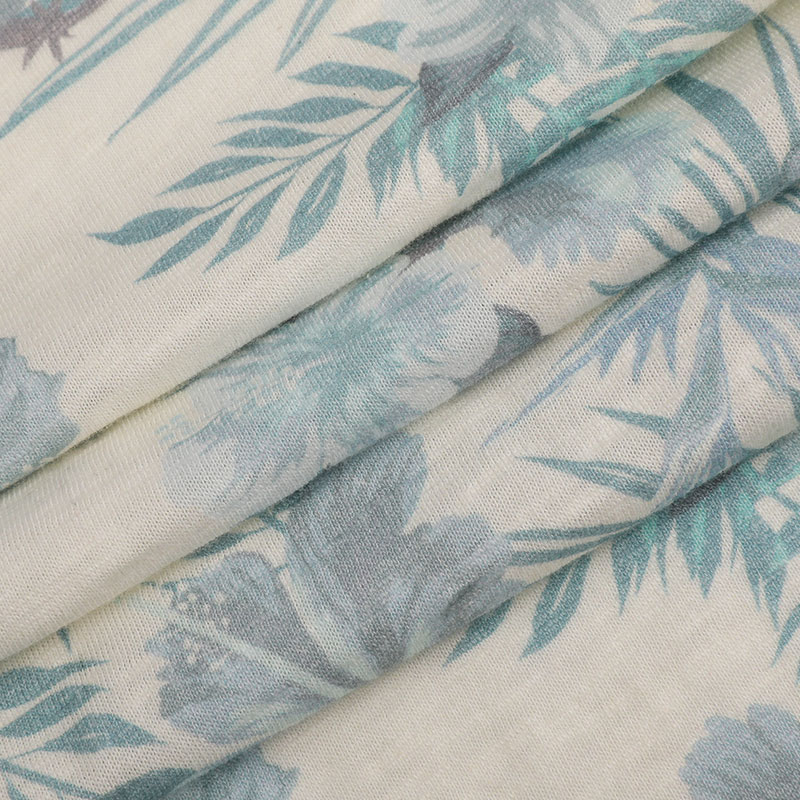
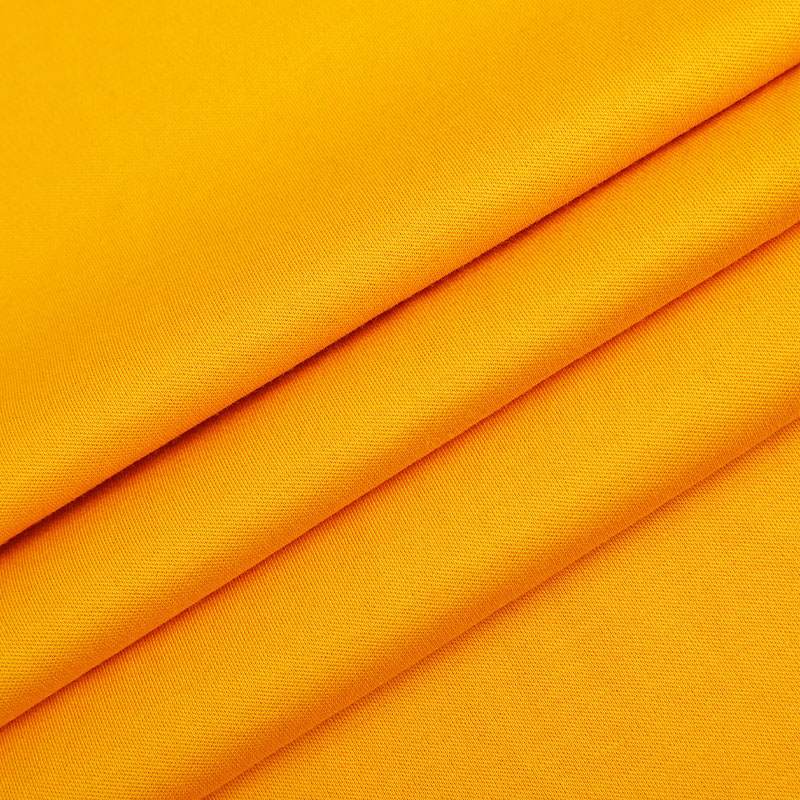
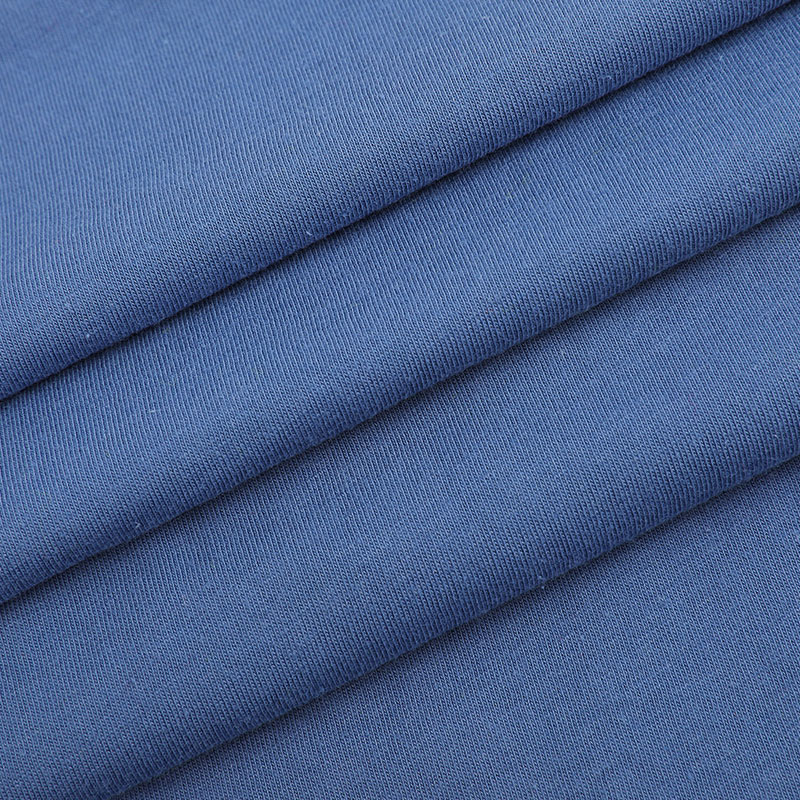
Contact Us for more details
Want to know more? Message Us Right Now!
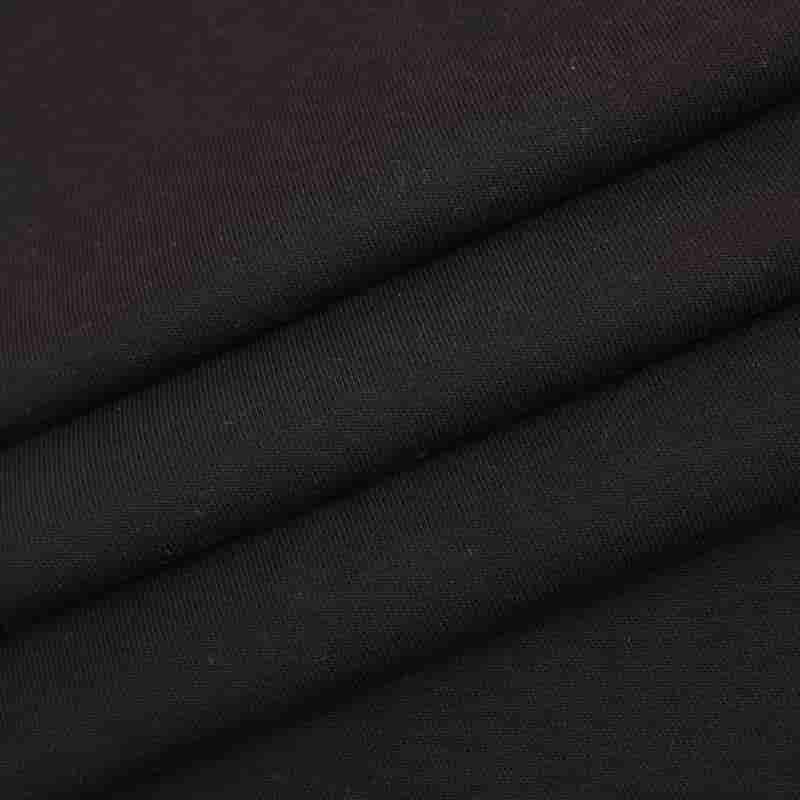
A sourcer opens a courier parcel and pulls out a swatch labeled cotton knit. The tech pack says 100% cotton. The lab report on the next page reads 94.6% cotton and 5.4% elastane. The color is right, the hand feel is right, and the order is still on hold because three words and one number do not agree with each other. ...
Cotton knit is a soft, stretchy fabric made by looping cotton yarns together rather than weaving them over and under. That single structural fact explains most of what buyers, designers, and product developers notice in the material: it stretches, it breathes, it drapes, and it can be engineered into very different we...
A Portuguese buyer sends a 40-metre sample request with one line attached: what is jersey knit cotton fabric, and can you knit it at 180 gsm? That single question usually hides three more. How much will it shrink after three home washes? How much will it stretch across the width? Will the tenth container match the lab...
Want to know more? Message Us Right Now!
Understanding the physical performance of Cotton Jersey Knit requires a deep technical look at the raw cotton fibers, the yarn spinning methods, and the loop formation mechanics of single-knit circular machinery. Unlike woven textiles that rely on intersecting warp and weft yarns, a knitted fabric is constructed from a series of interlocking loops. This structural configuration gives the material its natural elasticity, excellent drape, and breathability, while also introducing specific mechanical challenges that must be controlled during the manufacturing process.
The engineering of a high-quality Cotton Jersey Knit begins with the raw cotton fiber itself. Cotton is a natural seed hair fiber consisting of high-purity cellulose. Under a microscope, mature cotton fibers exhibit a flat, ribbon-like structure with natural twists known as convolutions. These convolutions are critical because they increase the friction between fibers during the spinning process, allowing them to cling together and form strong, cohesive yarns.
To produce a premium Cotton Jersey Knit, manufacturers must carefully select the appropriate yarn spinning method, as this determines the hairiness, tensile strength, and uniformity of the yarn. Combed cotton yarns are highly preferred for premium apparel applications. During the combing process, the raw cotton card sliver is passed through a series of fine combs to remove short fibers, typically those under twenty-two millimeters in length, as well as tiny seed coat fragments and fiber nests known as neps. This process aligns the remaining long-staple fibers in a highly parallel formation, resulting in a yarn with exceptional smoothness, minimal hairiness, and superior tensile strength.
In contrast, carded yarns, which bypass this intensive combing step, retain a higher proportion of short fibers, leading to a fuzzier surface texture and a higher propensity for pilling over time. For high-speed circular knitting, combed ring-spun yarns are essential to minimize mechanical downtime caused by yarn breakage and to ensure a flawless fabric surface.
Once the high-grade cotton yarn is prepared, it is fed into circular knitting machines to form the classic single jersey structure. This construction is characterized by a distinct face side showing vertical V-shaped stitches, known as wales, and a back side showing horizontal loops, known as courses. The single-knit configuration is highly valued for its lightweight drape, soft hand feel, and natural crosswise stretch.
Nevertheless, single-knit structures are inherently unbalanced, making them susceptible to a common textile defect known as fabric spirality or torque. This phenomenon occurs when the knitted wales skew diagonally instead of remaining perpendicular to the courses, causing twisted side seams in finished garments. The root cause of spirality lies in the residual torque of the yarn, which is a physical consequence of the twist inserted during spinning to give the yarn its strength. When the yarn is knitted into a single-feed system, the elastic recovery forces of the twisted fibers cause the loops to tilt in the direction of the yarn twist, usually a Z-twist or S-twist.
To prevent this distortion, a professional Cotton Jersey Knit Manufacturer must implement precise technical countermeasures on the production floor. This includes utilizing steam autoclaving systems to pre-condition and relax the residual torque in the yarn packages before knitting. Additionally, circular knitting machines can be set up to feed alternating feeds of Z-twist and S-twist yarns, effectively neutralizing the torque forces within the fabric structure. Precise control over the knitting tension, stitch length, and take-up roll speed is also critical to ensure that the fabric loops remain perfectly balanced and dimensionally stable.
The raw fabric coming off the circular knitting machine, known as greige fabric, must undergo a series of chemical and mechanical finishing processes to unlock its full functional potential and achieve a luxurious hand feel. The first critical step is scouring and bleaching, which removes natural cotton waxes, pectins, and seed coat remnants, rendering the fabric highly absorbent and ready for dyeing.
For premium apparel lines, the cotton knit often undergoes mercerization, a chemical treatment where the fabric is exposed to a concentrated solution of sodium hydroxide under high tension. This causes the flat, ribbon-like cotton fibers to swell into a circular cross-section and untwist, significantly increasing the fiber strength, luster, and dye affinity. Mercerized cotton absorbs reactive dyes much more efficiently, resulting in vibrant, deep colors that resist fading over repeated washing cycles.
Another advanced finishing method is bio-polishing, which utilizes cellulase enzymes to selectively digest the protruding micro-fibrils and loose fiber ends on the fabric surface. This enzymatic treatment results in an exceptionally smooth, clean surface appearance, greatly reducing the risk of fuzzing and pilling during consumer wear. Finally, the fabric is passed through a mechanical compactor, which uses heat, moisture, and pressure to pre-shrink the material, ensuring that the residual shrinkage of the finished Cotton Jersey Knit remains well within strict commercial limits.
Selecting the right manufacturing partner is a multi-dimensional decision that directly impacts an apparel brand's product quality, cost structure, and supply chain agility. Sourcing directors must look beyond basic price quotes and conduct a thorough analysis of a supplier's machinery assets, product diversification history, quality control standards, and international logistics experience.
In volume apparel production, a manufacturer's physical machinery footprint is a reliable indicator of their capacity to meet tight deadlines and deliver consistent quality. A mill operating with outdated or limited equipment will inevitably struggle to scale production during peak seasons, leading to delivery delays and batch-to-batch variations.
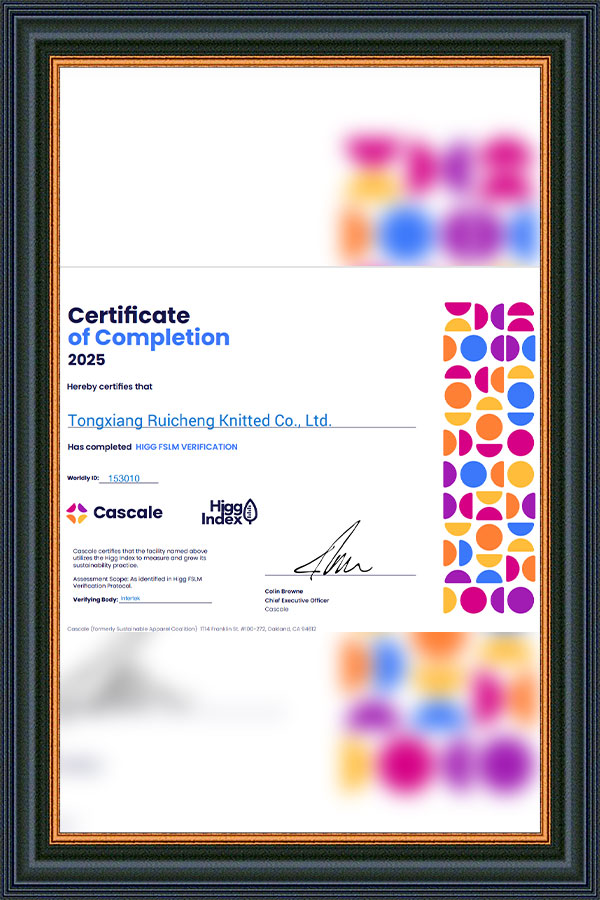
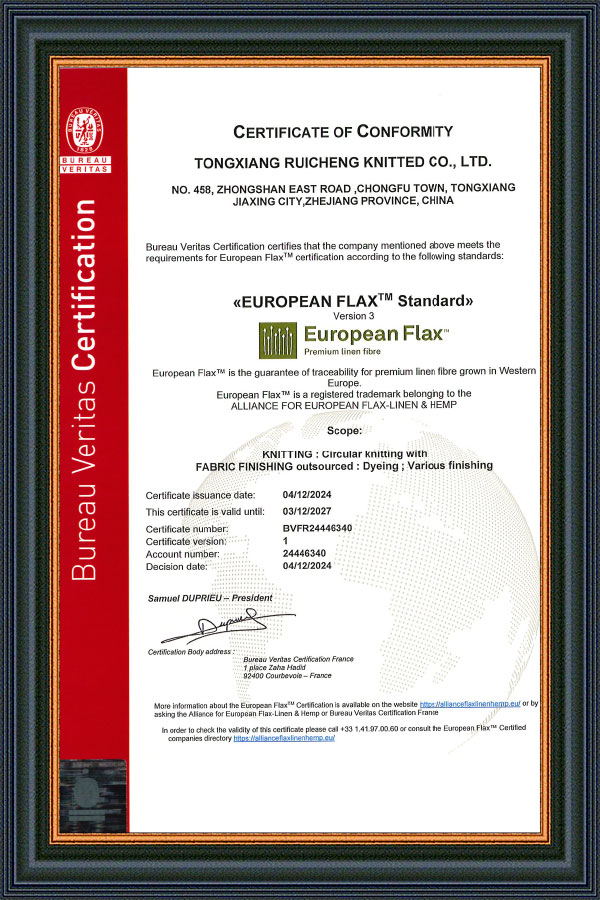
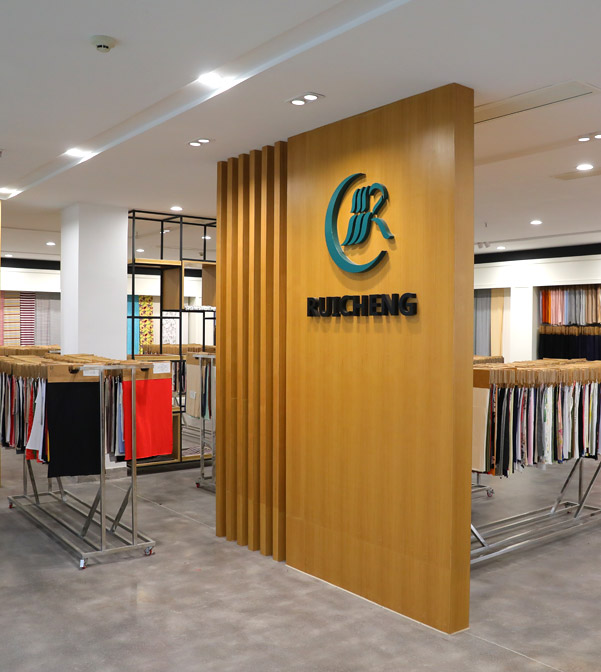
A premier manufacturing partner must possess a modern, high-capacity knitting facility. Tongxiang Ruicheng Knitting Co., Ltd. represents a highly capable enterprise specializing in the development, design, production and trade of knitted fabrics. Currently, the company has more than 50 large circular knitting machines and over 100 employees, with an annual output value exceeding 200 million yuan. This substantial machinery base allows the technical team to dedicate multiple knitting machines to a single production run under identical ambient conditions of temperature and relative humidity. Maintaining a stable environment is crucial, as fluctuations in moisture can alter the elasticity and friction coefficient of cotton yarns, directly affecting the stitch density and weight uniformity of the finished Cotton Jersey Knit.
To provide a clear view of how different knit configurations serve diverse apparel lines, the table below outlines the primary structural styles and fiber blend options available for high-volume procurement.
|
Knit Fabric Structure |
Common Fiber Compositions |
Primary Aesthetic and Tactile Characteristics |
Ideal Target Applications |
|---|---|---|---|
|
Combed Single Jersey |
100% Cotton or Cotton-Spandex |
Smooth surface, high crosswise stretch, lightweight drape |
T-shirts, underwear, next-to-skin activewear, and children's clothing |
|
Classic Interlock Fabric |
100% Cotton or Cotton-Polyester |
Identical face and back, double-knit stability, substantial weight |
Premium polo shirts, high-end loungewear, and infant sleepwear |
|
Structured Roma Fabric |
Cotton, Polyester, and Spandex |
Heavy weight, double-knit structure, excellent recovery and matte finish |
Casual blazers, structured knit trousers, and light seasonal jackets |
|
Absorbent Terry Cloth |
Cotton-Polyester Blend |
Loop-pile back, highly plush and absorbent touch, excellent warmth |
Luxury hoodies, leisure sweatshirts, and premium beachwear |
|
Technical Air Layer |
Cotton, Polyester, and Spandex |
Three-dimensional pocket structure, light warmth, smooth outer faces |
High-performance activewear hoodies and structured sports apparel |
By matching the correct fabric structure to the target garment style, design teams can ensure optimal performance and comfort for the end consumer.
While pure cotton fabrics offer timeless comfort and breathability, modern consumer lifestyles demand enhanced performance features such as shape memory, quick-drying capabilities, and premium luxury textures. High-capacity manufacturers must demonstrate proficiency in blending natural cotton with technical synthetics and luxury animal fibers to create innovative, value-added textiles.
With a history of more than ten years in the production and operation of knitted products, the development team at Tongxiang Ruicheng Knitting Co., Ltd. has established extensive business channels and developed proficient product expertise. The specific varieties produced cover the entire knitting industry, including various single jersey, spandex single jersey, interlock fabric, spandex interlock fabric, Roma fabric, terry cloth, striped fabric, rib fabric, mesh fabric, air layer, small jacquard fabric, and single-sided fleece for lamination.
In recent years, the company has successfully developed premium, high-end options such as cotton-cashmere fabric, cotton-wool fabric, pure wool fabric, pure linen fabric, and pearl fleece fabric. Combining cotton with cashmere or wool fibers introduces a luxurious warmth and subtle luster to the fabric, making it highly attractive for premium autumn and winter collections.
In addition to luxury blends, technical innovations play a key role in modern knitwear design. In 2009, the company launched the latest memory knitted fabric mainly made of PPT fiber, featuring styles such as waffle fabric, mesh fabric, and elastic plain cloth, which are widely utilized for casual and sportswear series. PPT fiber, known for its unique helical molecular structure, provides outstanding elastic recovery and shape memory without requiring high percentages of elastane. This prevents the fabric from bagging or sagging at the elbows and knees, ensuring that the garments maintain their original tailored shape over extended periods of wear and repeated laundering.
A: Fabric spirality, or skewing, is a common physical defect in single-knit fabrics where the vertical wales twist diagonally. This issue is caused by the residual torque of the yarn, which results from the twist inserted during spinning to give the yarn its strength. When knitted, this residual energy causes the loops to tilt, leading to twisted side seams in finished garments.
To mechanically prevent this, professional manufacturers pre-condition and relax the yarn packages using high-temperature steam autoclaves before knitting. Additionally, circular knitting machines can be calibrated to use alternating feeds of Z-twist and S-twist yarns, effectively canceling out the torque forces within the fabric structure. Precise control over the fabric take-up tension and the use of mechanical pin-tenter frames during finishing also help align the grain of the fabric, ensuring excellent dimensional stability.
A: Combed cotton jersey is made from yarns that have undergone an intensive combing process to remove short fibers, seed coat fragments, and neps. This aligns the long cotton fibers in a parallel formation, resulting in a yarn with exceptional smoothness, minimal hairiness, and superior tensile strength. The resulting fabric exhibits a luxurious, soft hand feel, a clean surface appearance, and excellent resistance to pilling.
Open-end carded cotton jersey, on the other hand, is produced using a faster spinning method that retains shorter fibers. This results in a bulkier, more textured yarn with a fuzzier surface and lower tensile strength. While carded jersey is highly cost-effective and suitable for structured, heavier streetwear styles, it is more prone to pilling and has a rougher next-to-skin feel compared to combed cotton jersey.
A: Incorporating spandex, or elastane, into a Cotton Jersey Knit significantly enhances its physical performance by introducing exceptional stretch and recovery properties. Standard cotton jersey has natural stretch but poor recovery, meaning it can easily stretch out of shape. The addition of spandex ensures that the fabric snaps back to its original dimensions, preventing bagging at the elbows and necklines.
During the knitting process, handling spandex requires high precision. Spandex yarn is highly sensitive to changes in tension and temperature, which can easily cause defects like dropped stitches, puckering, or horizontal barre lines. To prevent these issues, manufacturers equip circular knitting machines with positive feeding systems that deliver the spandex yarn at a completely constant rate and tension. The knitting facility must also maintain a strictly controlled ambient environment to ensure consistent spandex elasticity.
A: Sourcing from an industrial hub like Chongfu Town in Zhejiang Province offers massive logistical and operational advantages. These specialized industrial zones function as complete ecosystems, consolidating yarn suppliers, advanced knitting mills, specialized dye houses, and shipping agencies within a compact geographic area. This close physical proximity minimizes transportation costs and drastically reduces transit times between the different stages of production.
When a large-volume order is placed, a well-equipped manufacturer operating in this zone can quickly coordinate with local suppliers to secure raw materials and reserve capacity at nearby finishing plants. Information flows seamlessly across the local supply chain, allowing for rapid sample development, real-time production adjustments, and consistent bulk turnaround times, reducing the risks of supply chain disruption for international fashion brands.
A: Cotton regenerated fibers and natural cotton contain abundant hydroxyl groups within their cellulose molecules, which make them highly receptive to reactive dyes. These dyes form strong covalent bonds with the fiber molecules under alkaline conditions, resulting in exceptionally vibrant colors, deep black shades, and rich tones with excellent wash fastness.
To ensure consistent color uniformity and prevent dye lot variance, technical teams employ computerized color-matching spectrophotometers and automated dye dispensing machinery. These automated systems ensure that the chemical formulations are identical for every batch. Technical teams also perform strict pre-treatment steps to remove natural cotton waxes, pectins, and knitting lubricants that can block dye absorption. After dyeing, thorough washing and soaping processes are conducted to remove any unfixed dye molecules from the fabric surface, ensuring outstanding color fastness to washing, light, and perspiration.
A: Blending natural cotton with advanced technical synthetics like PPT fiber represents an exceptional method for engineering performance activewear that retains a natural, comfortable touch. PPT fiber features a unique helical molecular structure that provides outstanding elastic recovery, shape memory, and resistance to pilling and friction. When combined with the natural breathability, moisture absorption, and soft texture of combed cotton, the resulting blend offers the best characteristics of both material classes.
The cotton component keeps the fabric incredibly soft and comfortable against the skin, avoiding the harsh synthetic feel typical of traditional polyester athletic wear. Meanwhile, the synthetic PPT component ensures that the sportswear retains its shape, resists wrinkling, and maintains its elasticity over long periods of intense physical movement and repeated laundering, making it highly popular for premium casual and sportswear lines.

 CONTACT US