

 English
 中文简体
中文简体 +86-13967368270
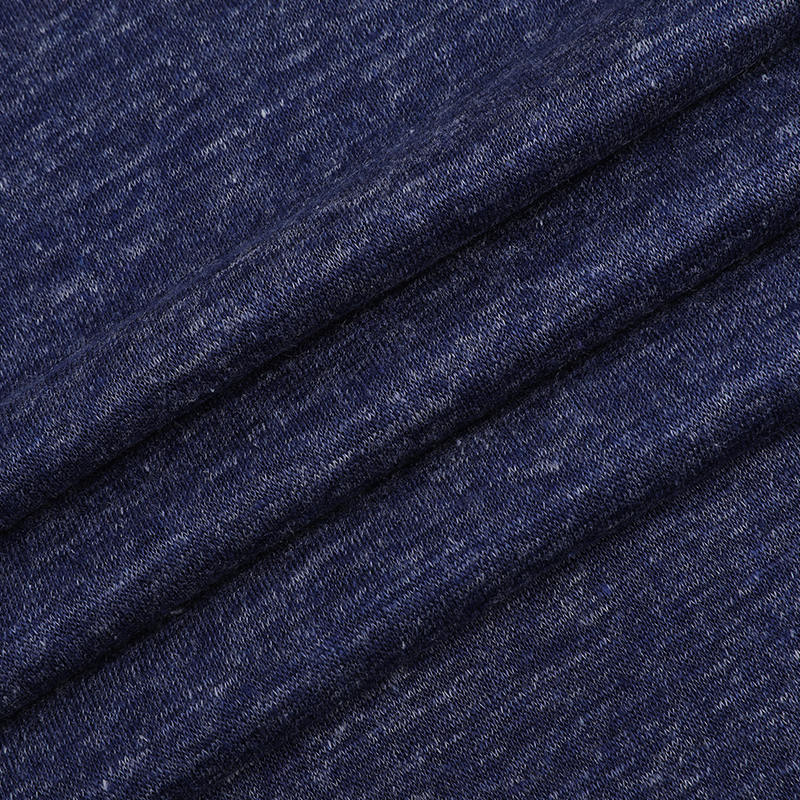
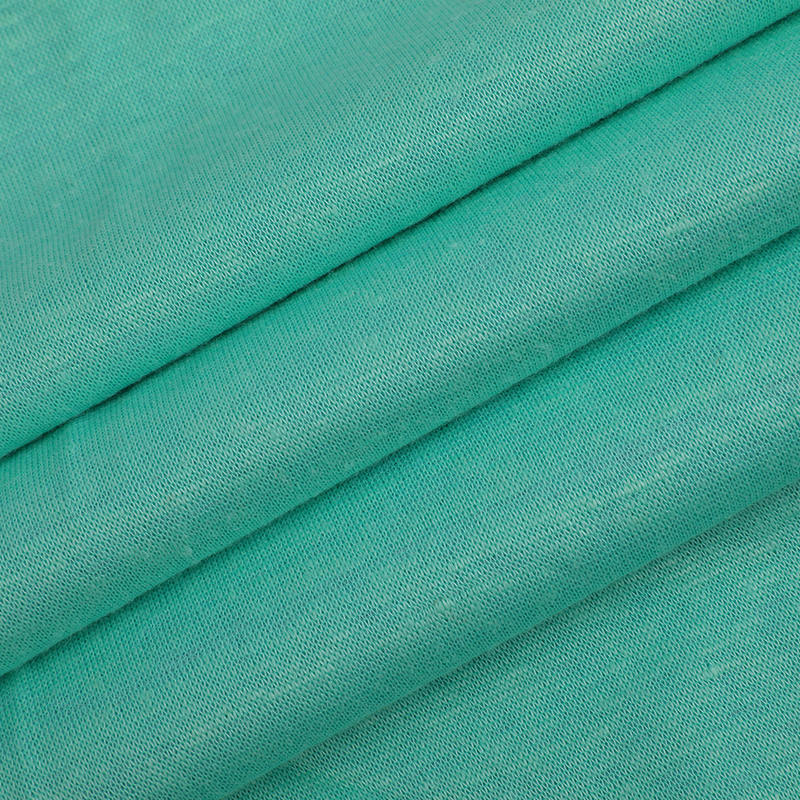
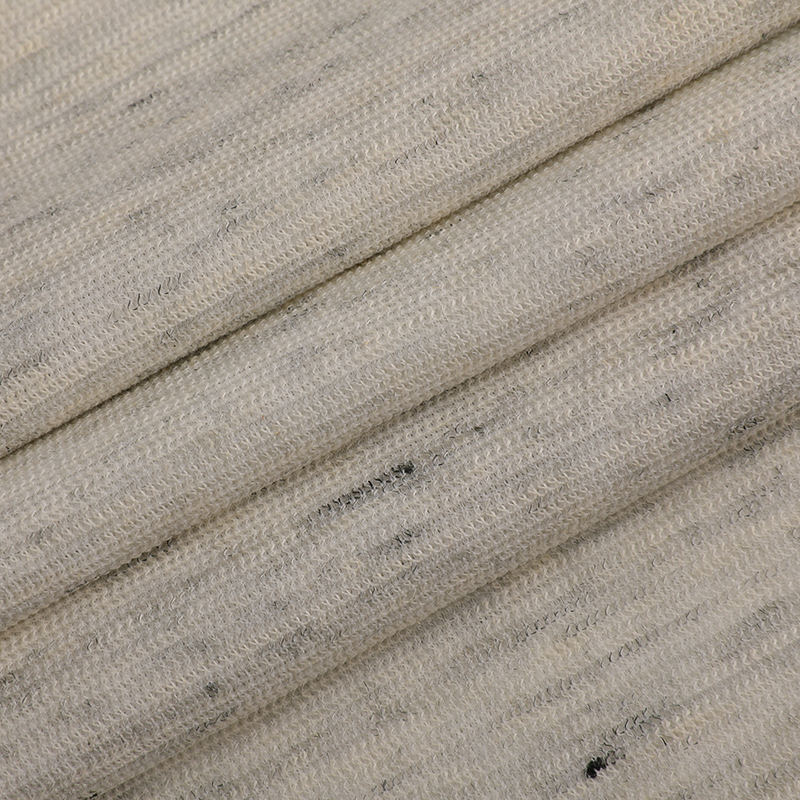
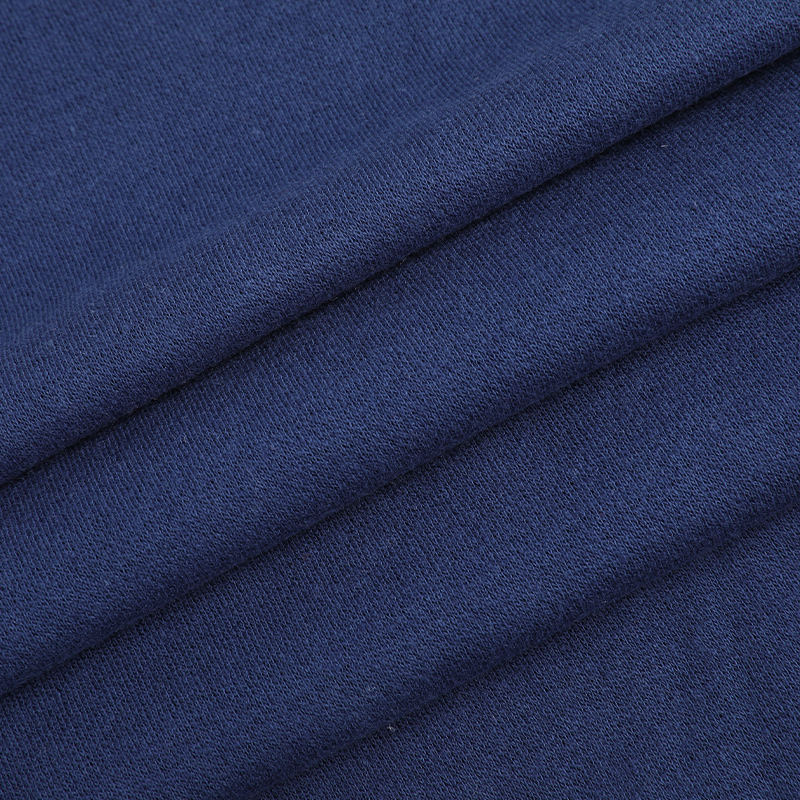
Contact Us for more details
Want to know more? Message Us Right Now!
A sourcer opens a courier parcel and pulls out a swatch labeled cotton knit. The tech pack says 100% cotton. The lab report on the next page reads 94.6% cotton and 5.4% elastane. The color is right, the hand feel is right, and the order is still on hold because three words and one number do not agree with each other. ...
Cotton knit is a soft, stretchy fabric made by looping cotton yarns together rather than weaving them over and under. That single structural fact explains most of what buyers, designers, and product developers notice in the material: it stretches, it breathes, it drapes, and it can be engineered into very different we...
A Portuguese buyer sends a 40-metre sample request with one line attached: what is jersey knit cotton fabric, and can you knit it at 180 gsm? That single question usually hides three more. How much will it shrink after three home washes? How much will it stretch across the width? Will the tenth container match the lab...
Want to know more? Message Us Right Now!
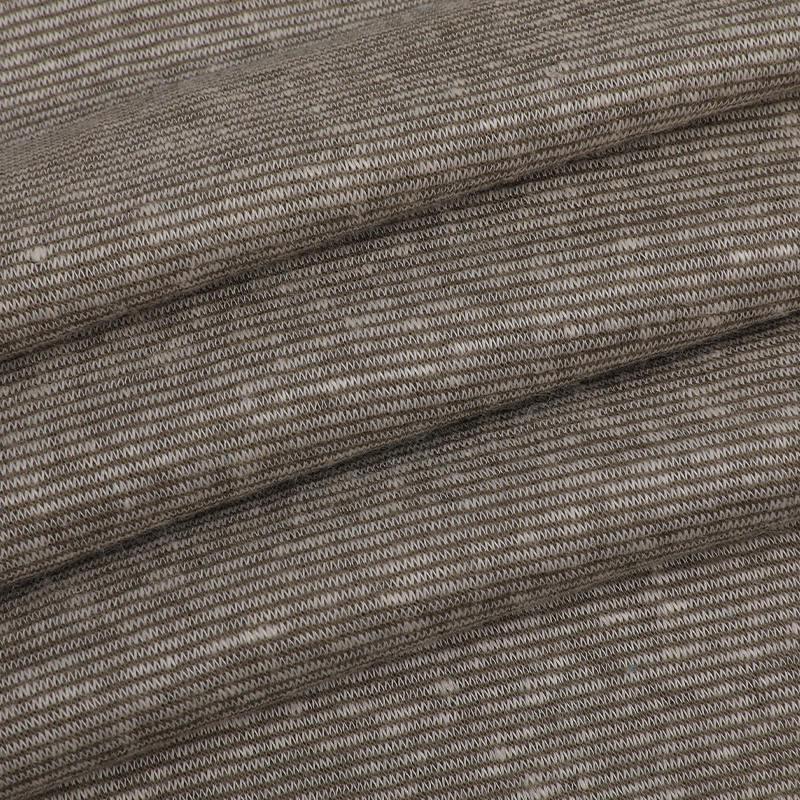
In the continuous refinement and functional diversification of global knitted fabric systems, Linen Jersey Knit has gradually evolved from a traditional summer natural textile into a core category combining comfort, breathability, and structural stability. Its primary raw material, linen fiber, offers natural moisture absorption and ventilation properties. Through spinning and knitting structure optimization, and by integrating various materials such as cotton, polyester, viscose, and DTY yarns, the fabric demonstrates richer performance in terms of handfeel, elasticity, and visual texture.
In the upstream industrial chain, yarn suppliers typically build product hierarchies around different counts such as 28s, 30s, 33s, and 36s. For example, 28s Linen Single Jersey reflects the natural texture and refreshing touch of linen, while 33s Linen Composite 40s CVC Single Jersey improves stability and wrinkle resistance through blended structures, making the fabric more controllable in garment processing. In the development process, manufacturers adjust yarn ratios and structural configurations according to end-use applications, forming a more adaptable product matrix between casual wear and urban commuting apparel.
In the global textile circulation system, collaboration between fabric suppliers and factories is particularly close. Knitting factories as the core of production systems usually undertake the entire process from raw material testing, knitting parameter setting to final finishing control, while fabric manufacturers focus more on structural innovation and market-oriented development. Within this system, enterprises such as Tongxiang Ruicheng Knitting Co., Ltd. play an important role as modern knitting manufacturers with extensive experience in Linen Jersey Knit and related product categories.
With increasing demand for functionality and aesthetic diversity, Linen Jersey Knit has expanded into more composite structures. For example, 36s Linen + 100D DTY Waffle Knit enhances air layer volume through textured structures, making it more suitable for summer garments and sportswear. Meanwhile, 30s Cotton/Linen Single Jersey balances cotton and linen properties to achieve both softness and natural crispness. In addition, 30s Cotton/Linen Yarn-Dyed Dobby Fabric uses yarn-dyed dobby structures to create stronger visual layering effects.
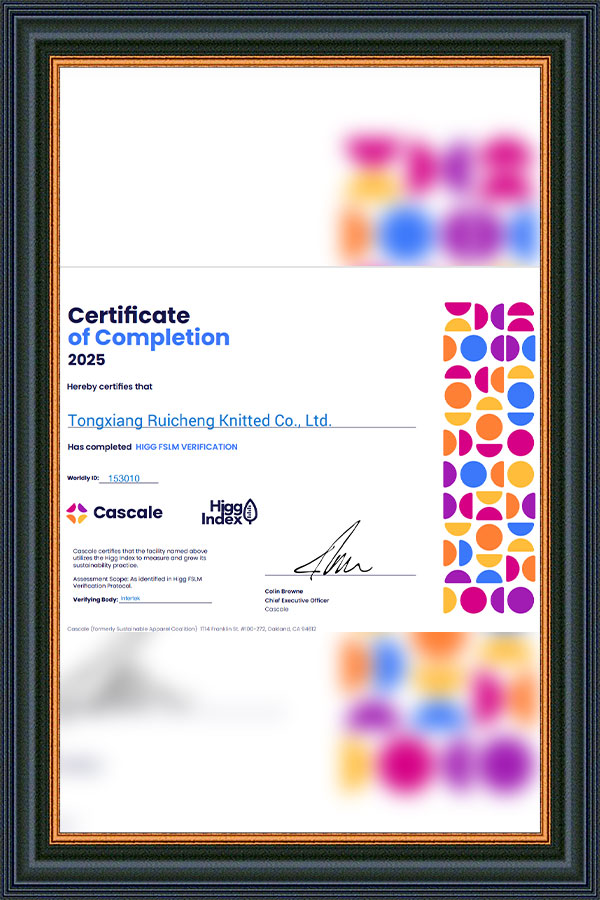
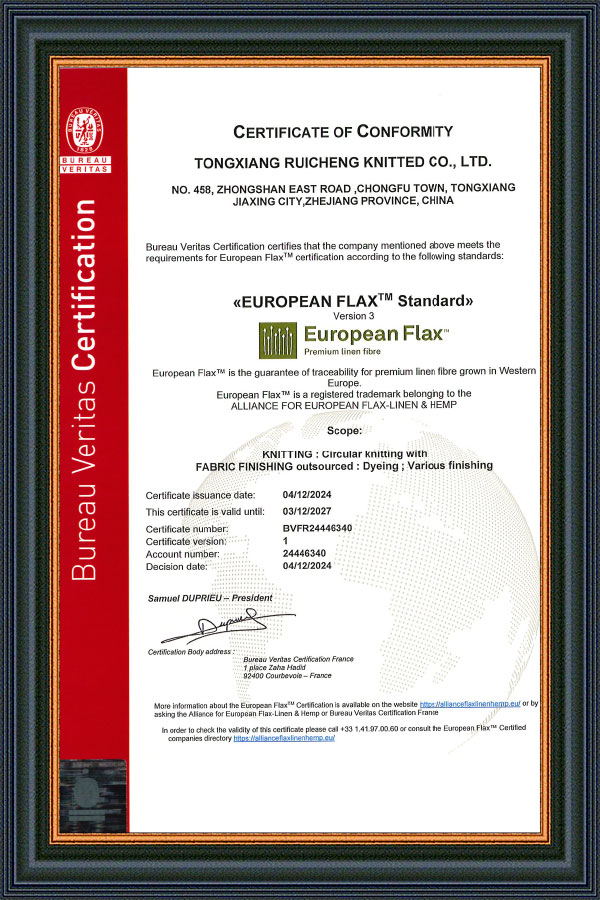
In the global textile supply chain, manufacturing factories not only undertake production tasks but also participate in the standardization of material systems. Especially under the growing requirements of the European market for environmental protection and traceability, suppliers and manufacturers are gradually forming development paths centered on low-carbon fibers, natural fiber blends, and sustainable dyeing processes, enabling Linen Jersey Knit to expand continuously into high-end casual and functional apparel sectors.
The production system of Linen Jersey Knit is built on high-precision circular knitting machinery. Core equipment typically includes large-diameter high-speed circular knitting machines, multi-system yarn feeding devices, and precise tension control systems. Modern knitting factories improve fabric uniformity and gram weight stability through equipment upgrades, thereby meeting brand requirements for consistency.
In production practice, companies such as Tongxiang Ruicheng Knitting Co., Ltd. are equipped with more than 50 large circular knitting machines and over 100 technical and production staff, forming a mature large-scale production capability. With an annual output value exceeding 200 million yuan, the company plays a significant role in the mid-to-upper stream of the knitted fabric supply chain. As a long-established knitting manufacturer, its product range includes single jersey, double knit, rib fabric, air layer, mesh fabric, jacquard structures, and various composite knitted fabrics.
In terms of process engineering, Linen Jersey Knit requires high yarn stability. Linen fibers naturally have higher rigidity, which may cause yarn breakage or hairiness during high-speed knitting. Therefore, suppliers often apply softening treatments and blending technologies to improve knit-ability. Manufacturers optimize yarn feeding tension and cylinder density configurations to achieve smoother fabric surfaces.
In product structure development, different yarn counts correspond to different fabric constructions. For instance, 28s Linen Single Jersey is more suitable for basic T-shirts and summer shirt fabrics, while 33s Linen Composite 40s CVC Single Jersey is commonly used in casual fashion collections. For air-layer structures, 36s Linen + 100D DTY Waffle Knit forms an insulating air layer that balances breathability and shape retention.
Within the supply chain system, suppliers are responsible for raw materials and yarn provision, manufacturers handle knitting and structural design, and factories complete large-scale production and quality control. This system has become well established in European, American, and Southeast Asian markets, enabling Linen Jersey Knit to respond quickly to diverse order requirements.
| Product Name | Yarn Structure | Fabric Structure | Main Features | Applications |
|---|---|---|---|---|
| 28s Linen Single Jersey | 100% linen 28s | Single jersey | Highly breathable, natural texture | Summer T-shirts, lightweight shirts |
| 33s Linen Composite 40s CVC Single Jersey | Linen/cotton-poly blend | Single jersey | Improved stability, wrinkle resistance | Urban casual wear |
| 36s Linen + 100D DTY Waffle Knit | Linen + DTY polyester | Waffle structure | 3D texture, air-layer structure | Sportswear, outdoor apparel |
| 30s Cotton/Linen Single Jersey | Cotton/linen blend 30s | Single knit | Balanced softness and crispness | Basic apparel fabrics |
| 30s Cotton/Linen Yarn-Dyed Dobby Fabric | Cotton/linen blend | Yarn-dyed dobby | Rich patterns, layered texture | Branded fashion garments |
In this system, manufacturers must not only control knitting stability but also closely cooperate with dyeing and finishing factories to ensure color fastness, shrinkage control, and consistent handfeel meet international purchasing standards.
The application of Linen Jersey Knit in end markets shows a diversified trend, expanding from traditional summer clothing to sportswear, urban commuting apparel, and designer fashion collections. In this process, suppliers, manufacturers, and factories jointly build a global circulation network, enabling fabrics to adapt to different climates and consumer cultures.
In the European market, linen knitted fabrics emphasize natural texture and environmental attributes, making 28s Linen Single Jersey and 30s Cotton/Linen Single Jersey commonly used for basic apparel development. In the United States, functionality and comfort are equally important, and 36s Linen + 100D DTY Waffle Knit is widely applied in sports and leisure categories due to its structural stability and breathability. In Southeast Asia, due to hot and humid climates, lightweight single jersey fabrics are more advantageous, making 33s Linen Composite 40s CVC Single Jersey a common choice.
In the production chain, factories not only handle manufacturing tasks but also participate in sample development and validation for brand orders. Enterprises such as Tongxiang Ruicheng Knitting Co., Ltd. cooperate with international brands and fabric buyers to complete sampling, trial knitting, and parameter adjustments, ensuring compatibility with different market standards. As both supplier and manufacturer, the company demonstrates strong flexibility in the global knitting industry chain.
In yarn-dyed and jacquard systems, 30s Cotton/Linen Yarn-Dyed Dobby Fabric represents a higher level of design freedom. Such products are usually jointly developed by fabric manufacturers and design teams, adjusting warp and weft color combinations and structures to create rich visual layering. These fabrics are widely used in high-end fashion and branded collections.
With the upgrading of knitting equipment intelligence, circular knitting machines have achieved higher speed and precision, enabling manufacturing factories to complete multi-category development in shorter cycles. Suppliers also introduce functional finishing technologies such as antibacterial treatment, UV protection, and easy-care performance, continuously enhancing the market competitiveness of Linen Jersey Knit.
In the global supply system, the pathway from raw material suppliers to manufacturing factories and then to brand customers is continuously optimized. Digital management systems are increasingly applied in production scheduling and inventory control, significantly improving order response efficiency. Knitting manufacturers are gradually transforming from pure production units into comprehensive solution providers.
Q1: Which seasons is Linen Jersey Knit suitable for?
Due to the natural breathability of linen fibers, Linen Jersey Knit is generally suitable for spring and summer, and can also extend into lightweight autumn garments through blended structures.
Q2: What is the difference between 28s Linen Single Jersey and 33s Linen Composite CVC Single Jersey?
The 28s structure emphasizes natural linen texture and breathability, while the 33s composite structure improves stability and wrinkle resistance through blending, making it more suitable for garment processing and daily wear.
Q3: What are the advantages of 36s Linen + 100D DTY Waffle Knit?
This structure forms an air layer through waffle texture, balancing breathability and warmth while enhancing 3D visual appearance.
Q4: What is the market positioning of cotton-linen blended fabrics?
Products such as 30s Cotton/Linen Single Jersey balance comfort and durability, widely used in basic apparel and mass consumer markets.
Q5: What role do knitting manufacturers play in the supply chain?
Knitting manufacturers connect suppliers and brand customers, handling core processes from knitting technology to quality control, while also participating in product development and market adaptation.

 CONTACT US