

 English
 中文简体
中文简体 +86-13967368270
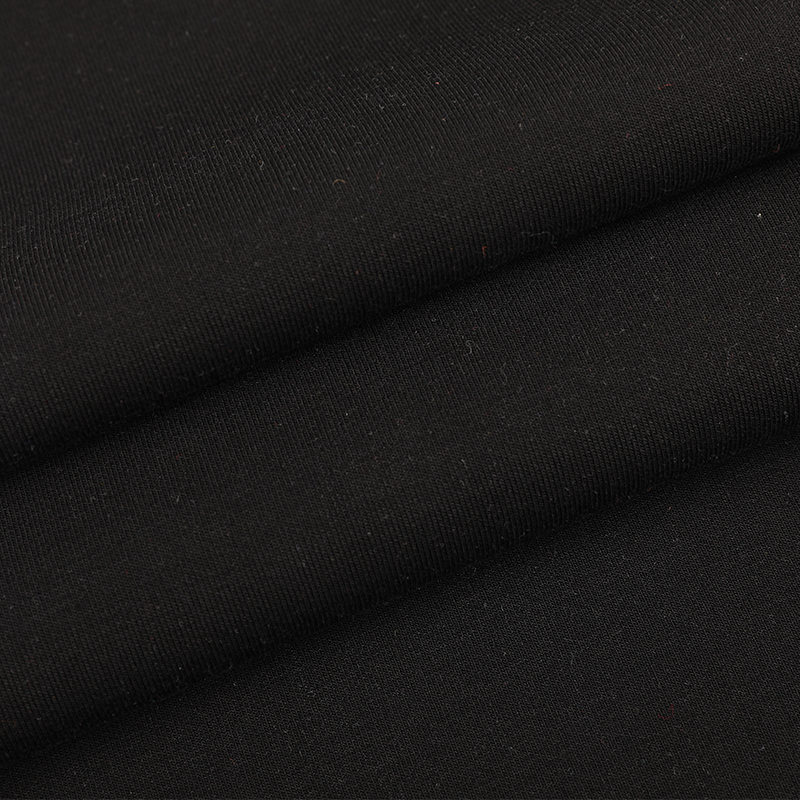
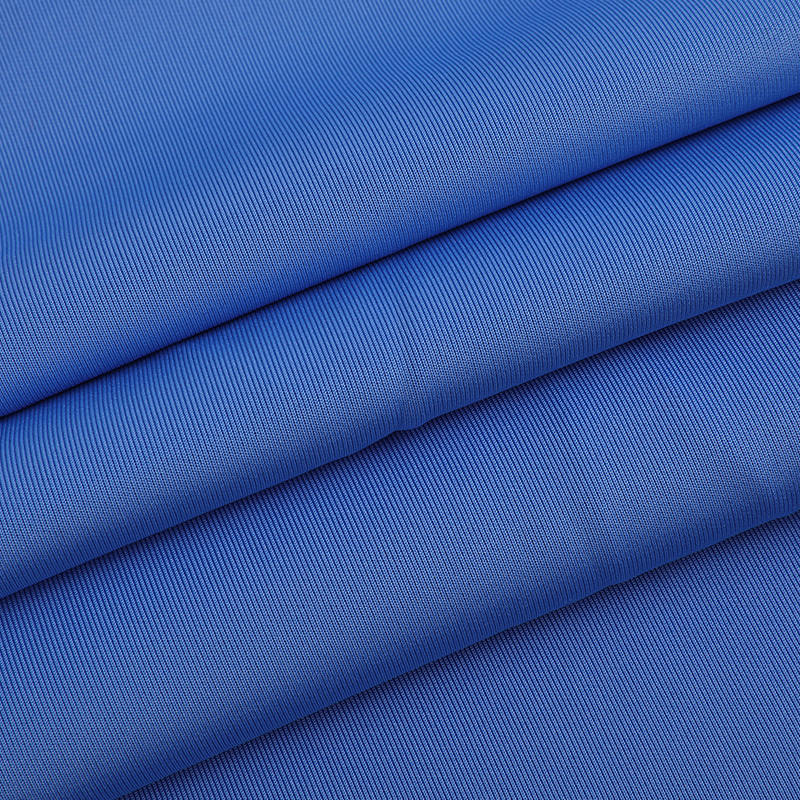
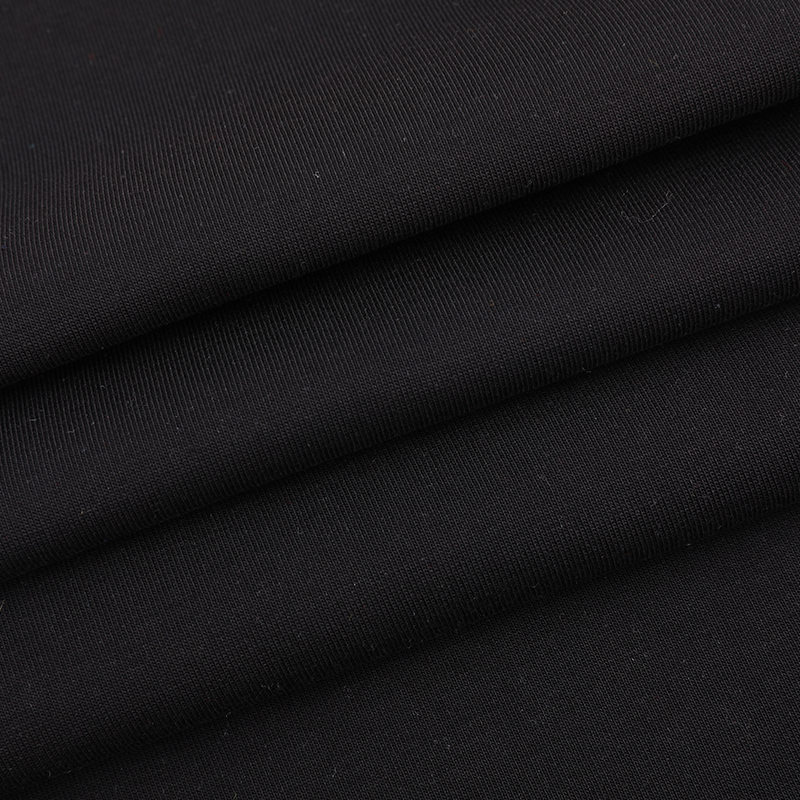
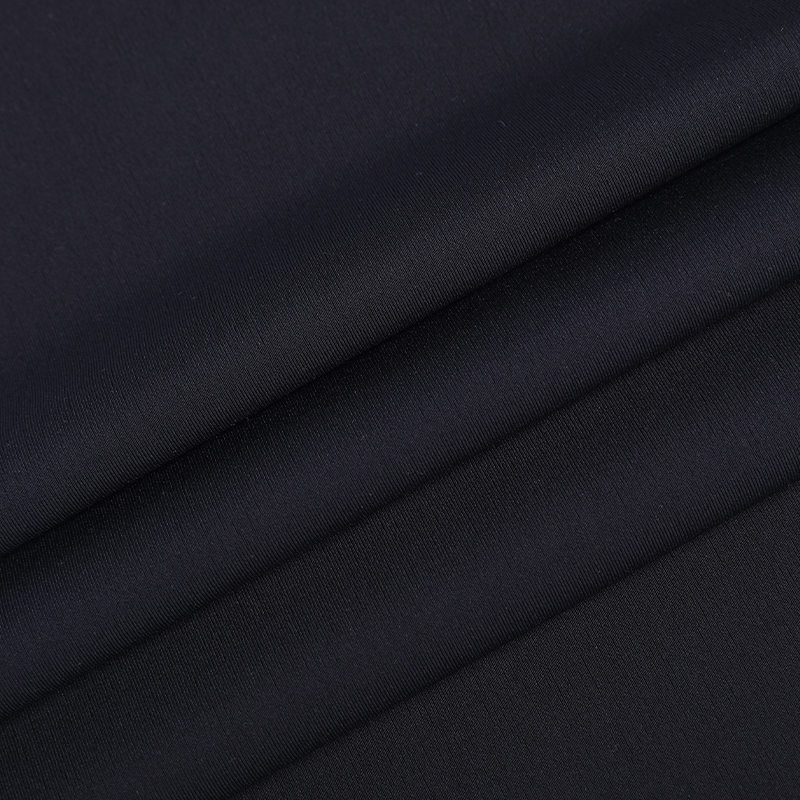
Contact Us for more details
Want to know more? Message Us Right Now!
A sourcer opens a courier parcel and pulls out a swatch labeled cotton knit. The tech pack says 100% cotton. The lab report on the next page reads 94.6% cotton and 5.4% elastane. The color is right, the hand feel is right, and the order is...
Cotton knit is a soft, stretchy fabric made by looping cotton yarns together rather than weaving them over and under. That single structural fact explains most of what buyers, designers, and product developers notice in the material: it st...
A Portuguese buyer sends a 40-metre sample request with one line attached: what is jersey knit cotton fabric, and can you knit it at 180 gsm? That single question usually hides three more. How much will it shrink after three home washes? H...
Cotton knitwear is a fabric formed by turning cotton yarn into a series of interconnected loops, rather than crossing yarns at right angles the way woven cotton is made. That single structural difference explains almost everything people n...
Want to know more? Message Us Right Now!
The engineering of performance apparel relies heavily on the physical properties of the fabrics used to construct the garments. When athletes or active consumers engage in physical exercise, their comfort depends entirely on how effectively the textile layer manages the microclimate between the skin and the fabric. This process requires a combination of moisture-wicking synthetic fibers, natural fiber blends, and three-dimensional knit structures that optimize airflow and heat retention.
In this field of textile innovation, Tongxiang Ruicheng Knitting Co., Ltd. plays a supporting role as a functional knitted fabric manufacturer based in Chongfu Town Industrial Zone, Zhejiang Province. The company focuses on developing and producing a wide range of knitted fabrics, including jersey, interlock, rib, mesh, and functional blends, which are widely used in performance and activewear applications.
The performance of any functional textile begins at the level of the individual fiber filament. To maximize moisture transport, engineered synthetic fibers such as modified polyesters feature non-round cross-sections with longitudinal channels. These channels facilitate capillary action, which draws liquid moisture away from the skin surface through the pressure difference driven by surface tension and micro-pore dimensions. In this physical relationship, capillary pressure increases as the pore radius of the fiber channel decreases, or as the contact angle between the liquid sweat and the fiber surface decreases. This means that highly refined, micro-porous fibers pull sweat away from the skin much faster than standard round-profile fibers.
To balance this rapid synthetic wicking action with tactile luxury, advanced fabric designers often blend these modified polyesters with premium natural fibers. Introducing organic cotton, wool, or linen into the yarn blend adds natural moisture absorption capacity, which prevents the fabric from feeling cold or clammy against the skin. These multi-component yarns ensure that the garment remains dry, breathable, and exceptionally soft during extended wear. By optimizing the ratio of synthetic to natural fibers, manufacturers can tailor the performance characteristics to suit specific athletic activities or lifestyle environments.
Beyond the properties of the yarn itself, the structural geometry of the knit fabric plays a vital role in thermal regulation. Double-knit configurations, such as interlock fabrics and specialized air layers, allow technical teams to engineer distinct physical properties on the face and back of the material. For example, an air layer fabric uses a three-dimensional pocket structure to trap pockets of dead air between two independent layers of fabric. This trapped air acts as a highly effective thermal barrier, shielding the wearer from ambient temperature drops without adding excessive weight to the garment.
For high-intensity training gear, lightweight mesh structures and small jacquards are utilized to maximize airflow. By programming specific open-loop patterns on circular knitting machines, manufacturers can create localized ventilation zones directly within the fabric design. These ventilation zones facilitate rapid heat dissipation in high-sweat areas, ensuring that the body remains at an optimal temperature during intense athletic training. The ability to program these patterns directly into the knit structure eliminates the need for post-processing cuts or seams, maximizing the comfort and durability of the finished apparel.
When designing garments for outdoor and unpredictable environments, functional knits must offer protection against external elements like wind and rain while remaining highly breathable. This is achieved by applying specialized chemical finishings or bonding the knit fabric to protective membranes. A prominent example is single-sided fleece designed specifically for lamination. The brushed back of the fleece creates a high-loft surface that traps body heat, while the smooth outer face provides an ideal substrate for bonding water-resistant, vapor-permeable films.
Applying these advanced lamination techniques requires precise control over the fabric surface tension and density. If the knit loop structure is too loose, the adhesive used during lamination may penetrate the fabric, causing a stiff hand feel and reducing the breathability of the membrane. Technical teams must calibrate their circular knitting processes to yield a highly uniform, stable surface that accepts laminates without compromising the natural stretch and recovery of the knit material. This careful balance of mechanical knitting and chemical bonding is essential for producing high-quality outerwear that performs under extreme conditions.
Functional knit fabrics have become an essential material category in modern textile manufacturing. Unlike traditional fabrics that focus mainly on appearance and basic comfort, functional knit fabrics are engineered to deliver specific performance features such as breathability, moisture management, elasticity, thermal regulation, or durability. This combination of structure and functionality makes them highly valuable across multiple industries.
As consumer demand shifts toward high-performance, comfortable, and versatile products, functional knit fabrics are increasingly replacing conventional materials in both everyday and technical applications. Their adaptability and engineering potential allow manufacturers to design fabrics tailored for specific end uses, making them one of the most important innovations in the textile sector today.
Functional knit fabrics are textiles produced using knitting techniques combined with advanced fiber selection or finishing processes to achieve enhanced performance characteristics. The knitted structure itself provides natural stretch, softness, and flexibility, while functional enhancements add properties such as moisture-wicking, UV resistance, anti-bacterial effects, or thermal control.
These fabrics can be made from natural fibers, synthetic fibers, or blended materials. In many cases, they are also treated with finishing technologies or engineered at the fiber level to improve performance. This makes them highly customizable for different industrial requirements.
One of the largest application areas for functional knit fabrics is the apparel and fashion industry. Modern consumers expect clothing that not only looks good but also performs well in daily life. Functional knit fabrics meet this demand by offering comfort, flexibility, and enhanced performance features.
In casual wear, these fabrics are widely used in T-shirts, leggings, hoodies, and dresses because they provide softness and ease of movement. In addition, fashion brands increasingly incorporate functional properties such as wrinkle resistance, shape retention, and breathability to improve garment quality.
Sustainable fashion is also contributing to the popularity of functional knit fabrics, especially when they are made from recycled or bio-based fibers. This allows brands to combine style, performance, and environmental responsibility in a single material solution.
The sportswear and activewear industry is one of the most important markets for functional knit fabrics. Athletes and fitness enthusiasts require clothing that supports physical performance while maintaining comfort under demanding conditions.
Functional knit fabrics are widely used in running apparel, yoga wear, gym clothing, cycling gear, and outdoor sportswear. Their key advantages in this field include excellent stretch recovery, moisture-wicking capability, and breathability. These properties help regulate body temperature, reduce sweat buildup, and allow unrestricted movement during physical activity.
In addition, many functional knit fabrics are designed with quick-dry technology and anti-odor treatments, making them ideal for high-intensity workouts and long-duration sports activities.
Functional knit fabrics are also increasingly used in the home textile industry. Consumers are looking for home products that offer both comfort and practical performance, and functional knit materials meet these expectations effectively.
Common applications include bedding, pillow covers, blankets, mattress protectors, and upholstered fabrics. In these products, functional properties such as softness, elasticity, and temperature regulation play an important role in improving sleep quality and overall comfort.
Some advanced home textile products also incorporate features like dust resistance, anti-bacterial treatment, and moisture control, making functional knit fabrics suitable for healthier and more hygienic living environments.
The medical and healthcare sector relies heavily on materials that are safe, comfortable, and functional. Functional knit fabrics are widely used in this industry due to their adaptability and performance characteristics.
They are commonly found in medical garments, compression wear, bandages, surgical apparel, and disposable healthcare products. Compression textiles, in particular, benefit from the elasticity and pressure control provided by knit structures, helping improve blood circulation and support patient recovery.
In addition, some functional knit fabrics are designed with antimicrobial properties, which help reduce the risk of infection and improve hygiene standards in clinical environments. Disposable or semi-disposable versions are also used where cleanliness and environmental safety are required.
Beyond consumer products, functional knit fabrics are also used in industrial and technical fields. These applications often require specialized performance characteristics such as high strength, heat resistance, filtration capability, or chemical resistance.
For example, functional knit fabrics are used in automotive interiors, protective clothing, filtration systems, and industrial reinforcement materials. In automotive applications, they contribute to lightweight construction and improved interior comfort. In protective clothing, they provide resistance to heat, abrasion, or environmental hazards.
Their flexibility and engineering potential make them suitable for a wide range of technical uses where traditional woven fabrics may not be sufficient.
Functional knit fabrics play a vital role across multiple industries due to their versatility, performance, and adaptability. From fashion and sportswear to healthcare, home textiles, and industrial applications, these materials are reshaping how fabrics are designed and used. Their ability to combine comfort with advanced functional properties makes them a preferred choice for modern textile development. As material science and knitting technologies continue to evolve, functional knit fabrics are expected to become even more advanced, supporting new innovations across both consumer and industrial markets.
A: Maintaining the performance characteristics of technical fabrics over their lifespan is a primary concern for apparel brands. The degradation of properties like moisture wicking or anti-pilling is typically caused by the mechanical friction and chemical exposure encountered during home laundering. To prevent this, premium manufacturers focus on physical yarn structures rather than relying solely on temporary topical chemical finishes. Using fibers with permanent, structurally engineered cross-sections ensures that the moisture-wicking capillary channels cannot be washed away over time.
Additionally, during the finishing stages, fabrics undergo precise heat-setting and compacting processes. This thermal treatment relaxes the knitted loops and stabilizes the internal molecular structure of the synthetic yarns, particularly those containing spandex or PPT fibers. Quality manufacturers conduct rigorous, multi-cycle wash tests on every production batch to verify that the residual shrinkage remains well below commercial limits, and that the fabric surface maintains its resistance to pilling and fuzzing after repeated washing.
A: PPT fiber, namely polytrimethylene terephthalate, represents a major advancement in the development of shape-memory knitted textiles. Unlike standard polyester or nylon, the molecular chain of PPT fiber features a natural, helical zig-zag conformation. When the fiber is subjected to pulling forces, this molecular spring stretches easily; once the force is released, it snaps back to its original shape with exceptional recovery force. This unique molecular behavior gives the fiber excellent stretch and recovery properties without requiring high percentages of elastane.
Knitting PPT fibers into structures like waffle fabric or mesh results in a material that is highly resistant to sagging, bagging, and deformation at the elbows or knees. Furthermore, PPT fiber exhibits a soft, comfortable hand feel that is far less harsh than traditional polyester, along with outstanding dyeability at lower temperatures. This combination of shape retention, durability, and comfort makes PPT memory knits highly popular for premium casual wear and active sportswear lines that must withstand continuous wear.
A: Chongfu Town, which is the largest town in Tongxiang City and a key industrial and trade town, provides massive logistical advantages to global apparel buyers. The town operates as a fully integrated textile ecosystem, consolidating yarn suppliers, knitting mills, dye houses, and shipping agencies within a compact geographic area. This close physical proximity minimizes the domestic transit times and transportation costs associated with moving raw materials between different processing facilities, allowing for faster sample development and bulk turnaround times.
When a large-volume order is placed, a well-equipped manufacturer operating in this zone can quickly coordinate with local yarn suppliers to secure raw materials and reserve capacity at nearby finishing plants. Information flows seamlessly across the local supply chain, allowing production teams to implement real-time adjustments on the circular knitting machines. This efficient industrial network enables manufacturers to consistently meet tight delivery windows, reducing the risks of supply chain disruption for international fashion brands.
A: Producing single-sided fleece fabrics for lamination requires meticulous control over the knitting tension and the subsequent raising and shearing finishing processes. The smooth face of the knit must be completely uniform and free of yarn defects, while the brushed back must feature a consistent loft density. If the loft is uneven or if the fabric tension varies across the roll, the adhesive applied during the lamination process will not distribute evenly, leading to localized delamination or stiffness in the finished garment.
To ensure compatibility, circular knitting machines are calibrated to produce a tight, stable loop structure that resists mechanical deformation during the intense brushing process. Technical teams continuously monitor the shearing height to maintain a completely flat, uniform fleece surface. Before lamination, the fabric undergoes a heat-setting process to stabilize its width and weight, ensuring that the bonded performance membrane remains completely flat and maintains its technical breathability and wind resistance during use.
ALL RIGHTS RESERVED:Tongxiang Ruicheng Knitting Co., Ltd.
 Custom Functional Knits Fabric Manufacturers

 CONTACT US