

 English
 中文简体
中文简体 +86-13967368270

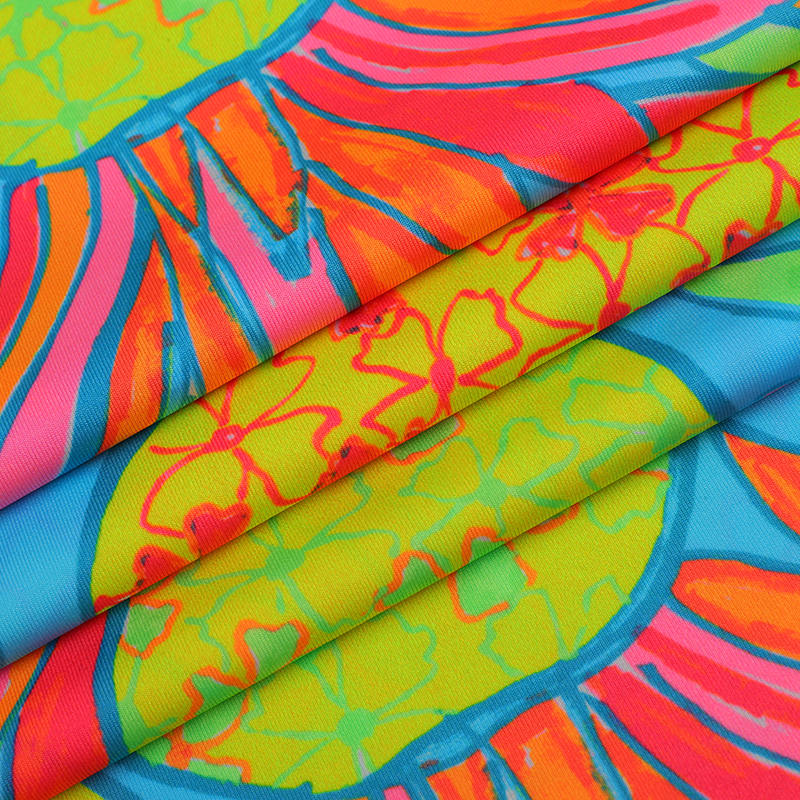
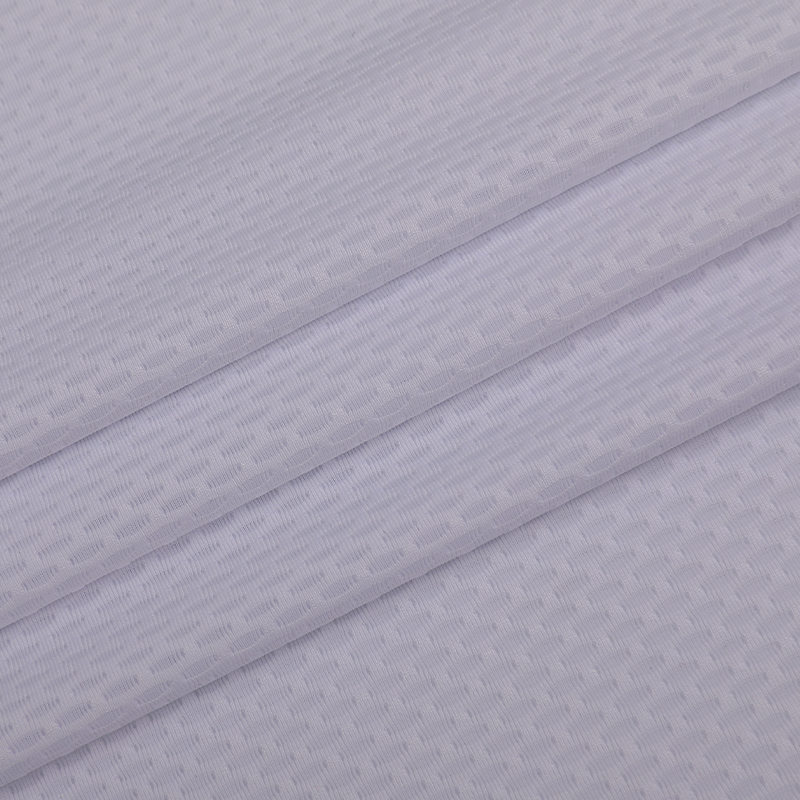
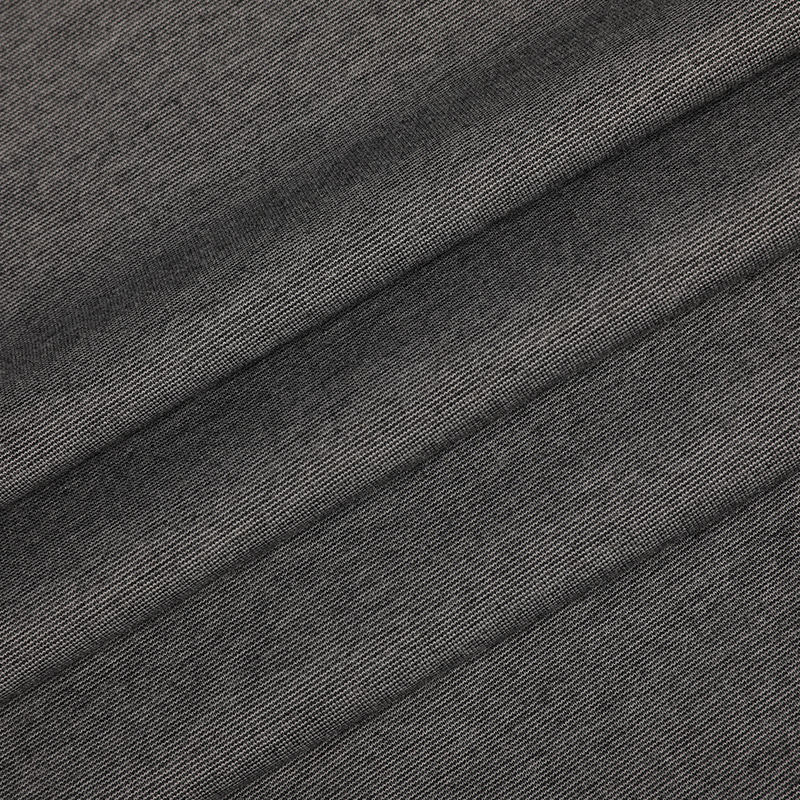

Contact Us for more details
Want to know more? Message Us Right Now!
A sourcer opens a courier parcel and pulls out a swatch labeled cotton knit. The tech pack says 100% cotton. The lab report on the next page reads 94.6% cotton and 5.4% elastane. The color is right, the hand feel is right, and the order is still on hold because three words and one number do not agree with each other. ...
Cotton knit is a soft, stretchy fabric made by looping cotton yarns together rather than weaving them over and under. That single structural fact explains most of what buyers, designers, and product developers notice in the material: it stretches, it breathes, it drapes, and it can be engineered into very different we...
A Portuguese buyer sends a 40-metre sample request with one line attached: what is jersey knit cotton fabric, and can you knit it at 180 gsm? That single question usually hides three more. How much will it shrink after three home washes? How much will it stretch across the width? Will the tenth container match the lab...

Want to know more? Message Us Right Now!
Polyester spandex jersey knit serves as a baseline textile for the global activewear, athleisure, and performance apparel sectors. By combining the durability and low moisture absorption of polyester with the high elongation and elastic recovery of spandex, this knit structure satisfies the physical requirements of modern form-fitting clothing. However, the combination of two highly dissimilar fibers introduces distinct manufacturing challenges that frequently result in finished fabric defects. When sourcing teams procure this material, they often encounter issues related to dimensional stability, color shading variation, and edge curling during garment assembly. Resolving these defects requires specialized post-knitting finishing technology, specifically calibrated stenter frames that control temperature, width tension, and feed velocity with mechanical precision.
The primary sourcing flaw observed in polyester spandex jersey is unpredictable dimensional change after standard laundering. Spandex fibers possess high elastic memory, meaning they naturally attempt to contract to their original, relaxed state after being stretched on a circular knitting machine. If the fabric is directly rolled and shipped without adequate thermal stabilization, this contraction occurs during consumer washing, leading to skewed garment seams and reduced sizing. Advanced stenter frames counter this behavior through heat-setting, where the fabric is pinned to width-adjusting chains and passed through heated zones operating between 180 and 190 degrees Celsius. This heat temporarily unlinks the molecular bonds within the polyurethane structure of the spandex, allowing it to relax and lock into a fixed dimensional state alongside the polyester yarns. For an enterprise handling diverse textile lines across the knitting industry, such as Tongxiang Ruicheng Knitting Co., Ltd., implementing a strict stenter thermal fixation protocol ensures that the final fabric maintains uniform width parameters and remains within the single-digit shrinkage percentages demanded by global apparel brands.
Another frequent defect encountered by sourcing managers is inconsistent color consistency across the fabric roll, commonly referred to as center-to-selvedge shading. Polyester is colored using disperse dyes under high pressure, but these dyes are soluble in liquid spandex at elevated temperatures. During the stenter heating process, if the air distribution nozzles apply uneven thermal energy across the width of the machine chamber, the disperse dyes migrate away from the polyester and dissolve into the spandex matrix, altering the localized light reflection of the textile. To prevent this color variation, manufacturing plants utilize modern stenter machinery equipped with independent upper and lower air circulation fans and automated temperature sensors. This configuration maintains a flat thermal profile across the entire path of the fabric, ensuring that the dye molecules remain securely bound within their intended fiber structures, eliminating dark or light bands that would otherwise cause high scrap rates during factory cutting operations.
Understanding how different weight and yarn configurations respond to thermal stabilization helps sourcing teams match the appropriate finishing control with their specific garment requirements.
| Fabric Specification | Spandex Content | Primary Sourcing Flaw | Stenter Parameter Focus | Target Application |
| Lightweight Poly Spandex | 8% to 12% | Edge curling and spirality | High overfeed, precise pinning | Running shirts, base layers |
| Midweight Jersey Knit | 12% to 18% | Post-wash width shrinkage | Extended dwell time at 185C | Yoga apparel, active lifestyle wear |
| Heavy Spandex Interlock | 18% to 25% | Thermal dye migration | Zoned cooling, lower target heat | Compression gear, athletic tights |
| Polyester-Cotton Spandex | 5% to 10% | Differential fiber shrinkage | Balanced tension, moderate drying | Premium loungewear, casual tops |
The single-knit structure of single jersey inherently contains unbalanced internal forces, causing the fabric edges to roll tightly toward the technical face when tension is released. When spandex is integrated, these curling forces increase, making it difficult for automated garment cutting tables to maintain pattern accuracy. Sourcing un-stabilized jersey leads to misaligned fabric panels and split seams during sewing. To mitigate this mechanical flaw, the exit zone of the stenter frame is equipped with chemical padding mangles and mechanical uncurling devices. A lightweight chemical auxiliary or stabilizing gum is applied directly to the fabric selvedges before entering the drying zone, pinning the edges flat. This is paired with an engineered overfeed control system that feeds the fabric into the machine faster than the take-up roller removes it, allowing the knit loops to assume a round, relaxed geometry that resists twisting and ensures the fabric remains flat for seamless industrial handling.
Minimizing these three critical defects requires a holistic understanding of how raw yarn selection interacts with subsequent mechanical processing. Sourcing from manufacturers with extensive business channels and a prolonged presence in the field allows brands to avoid common production errors. Companies backed by more than ten years of production and operation experience, such as Tongxiang Ruicheng Knitting Co., Ltd., integrate their product expertise with technical finishing controls. This balance of precise knitting adjustments and calibrated stenter processing results in a stabilized polyester spandex jersey knit that displays uniform weight distribution, reliable stretch recovery, and color depth consistency across high-volume production batches.
A: Shading variations occur because disperse dyes can migrate into the spandex component when exposed to uneven thermal zones. To counter this, production facilities closely regulate the fluid dynamics within high-pressure jet dyeing machines. Maintaining a constant, synchronized liquor ratio and a controlled heating gradient ensures uniform dye exhaustion across the entire width of the jersey roll, preventing the edge-to-center color disparities that complicate automated garment cutting.
Q: Why does a polyester spandex jersey knit require precise overfeeding adjustments on a stenter frame compared to a standard 100% polyester jersey?A: A standard 100% polyester single jersey has predictable, low-elasticity parameters, whereas adding spandex introduces strong tensile contraction forces. When passing through a heat-setting stenter frame, the fabric must be delivered using a positive overfeed system—introducing the material into the pins at a faster rate than the machine chains advance. This deliberate overfeed allows the loop geometry to relax longitudinally, relieving internal knitting stresses and stabilizing the fabric against post-wash shrinkage.
Q: How does the choice between using filament polyester versus spun polyester alter the pilling behavior of a spandex-blended jersey fabric over long-term activewear use?A: Filament polyester consists of long, continuous fibers that lack loose ends, which means a filament polyester spandex jersey knit maintains a highly smooth face that resists frictional fuzzing. Conversely, spun polyester uses short staple fibers twisted together to create a cotton-like texture. These short ends can migrate to the fabric surface during intense abrasive contact, tangling with the elastic spandex filaments and creating small pilling clusters that can prematurely degrade the clean aesthetic of the sportswear garment.
Q: What technical measures are necessary to prevent the structural edge curling of a lightweight polyester spandex jersey during the industrial cutting phase?A: Single-knit jersey structures inherently store unbalanced torque that causes the raw cut edges to roll tightly toward the technical face, a behavior amplified by the elastic recovery of spandex. To stabilize the material for efficient cutting, finishing mills apply fine water-soluble sizing polymers or localized gumming to the fabric selvedges during the final drying run. This temporarily locks the loops flat, allowing the automated cutting knifes to slice accurate pattern panels without mechanical fabric interference.
Q: How does transitioning a production line from traditional striped fabric to a high-density polyester spandex jersey affect the needle selection and cylinder gauge management?A: Standard striped knitting often utilizes coarser yarn counts and regular needle gating on medium-gauge machines. Transitioning to a compact polyester spandex jersey requires changing to a fine-gauge cylinder equipped with specialized high-flex needles capable of handling thin, multi-filament synthetic yarns alongside elastomeric threads. Leveraging deep manufacturing history and technical product expertise ensures that the cylinder gates, yarn guides, and stop-motion sensors are micro-calibrated to handle the complex double-yarn feeds without causing needle lines or tension streaks.

 CONTACT US