

 English
 中文简体
中文简体 +86-13967368270
Contact Us for more details
Want to know more? Message Us Right Now!
A sourcer opens a courier parcel and pulls out a swatch labeled cotton knit. The tech pack says 100% cotton. The lab report on the next page reads 94.6% cotton and 5.4% elastane. The color is right, the hand feel is right, and the order is...
Cotton knit is a soft, stretchy fabric made by looping cotton yarns together rather than weaving them over and under. That single structural fact explains most of what buyers, designers, and product developers notice in the material: it st...
A Portuguese buyer sends a 40-metre sample request with one line attached: what is jersey knit cotton fabric, and can you knit it at 180 gsm? That single question usually hides three more. How much will it shrink after three home washes? H...
Cotton knitwear is a fabric formed by turning cotton yarn into a series of interconnected loops, rather than crossing yarns at right angles the way woven cotton is made. That single structural difference explains almost everything people n...
Want to know more? Message Us Right Now!
To appreciate why a premium Biodegradable Fiber Knit represents a major advancement in textile design, one must examine the molecular and structural characteristics that govern its performance on the human body. Unlike traditional synthetic materials that rely on non-degradable petroleum-based polymers, biodegradable knits utilize advanced cellulosics, high-grade organic cotton, refined proteins, and bio-based polyesters. These materials are engineered to decompose naturally under compost conditions while delivering superior tactile and physical properties during their useful lifespan.
The primary physical advantage of a Biodegradable Fiber Knit lies in the microscopic architecture of the individual fibers. Advanced cellulosic filaments derived from managed wood pulp feature a highly complex longitudinal structure characterized by numerous micro-voids and channels. This naturally occurring porous profile enables exceptional capillary action, which draws liquid perspiration away from the skin surface and distributes it across the outer layer of the fabric for rapid evaporation.
Consequently, garments constructed from these materials feel remarkably cool and dry, even during intense physical exertion. Additionally, the inherent moisture retention capacity of these natural polymers helps dissipate static electricity. This dissipation prevents the fabric from clinging uncomfortably to the body and reduces the accumulation of airborne dust particles on the garment surface, which is a common issue with traditional polyester activewear.
Processing biodegradable yarns on commercial circular knitting machines requires deep technical expertise and precise machine calibration. Natural and bio-based fibers often exhibit lower elongation properties and different tensile strengths than standard petroleum-based nylon. During the knitting process, the yarn moves at high velocities through feeding guides, needles, and sinkers, which subjects the fibers to significant frictional forces.
To preserve the structural integrity of the material, advanced textile mills utilize precise electronic yarn feeding systems that maintain a completely uniform delivery tension. This precise control prevents common knitting defects such as dropped stitches, uneven loop formation, and barre lines. Proper tension management also preserves the natural elasticity of the knit, ensuring the finished material exhibits excellent shape memory and dimensional stability. By optimizing stitch length and loop density on the circular knitting machine, technical teams produce stable fabric structures that easily survive the mechanical stresses of commercial garment manufacturing and consumer laundering.
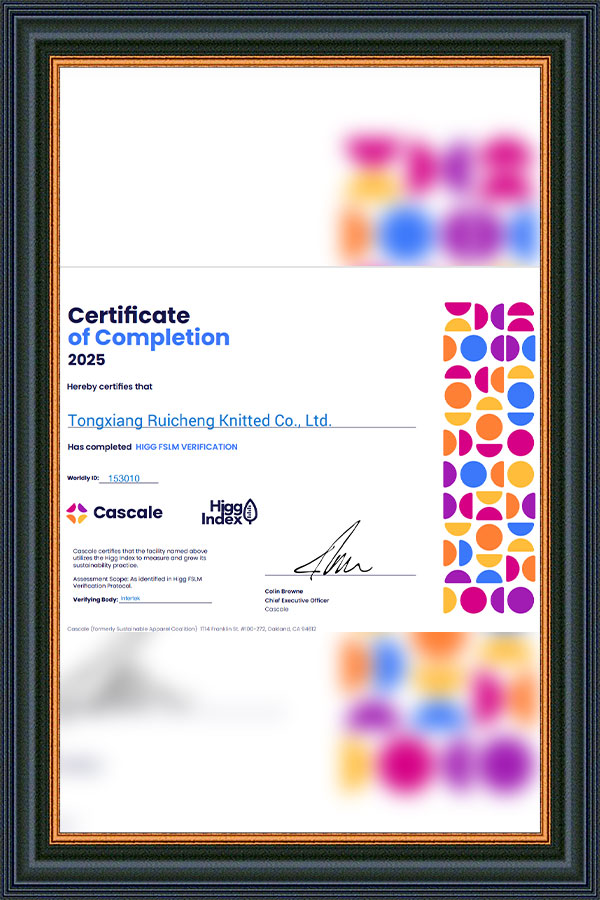
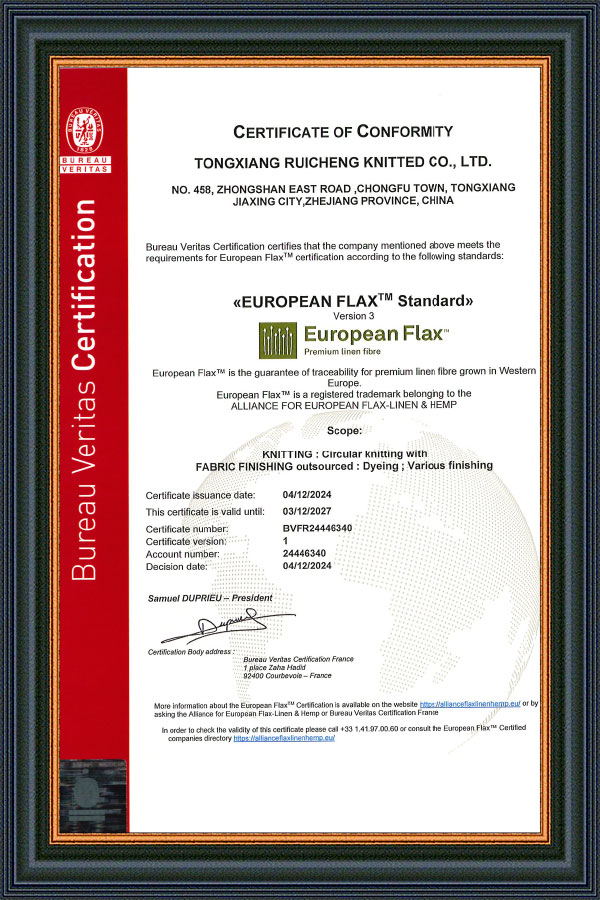
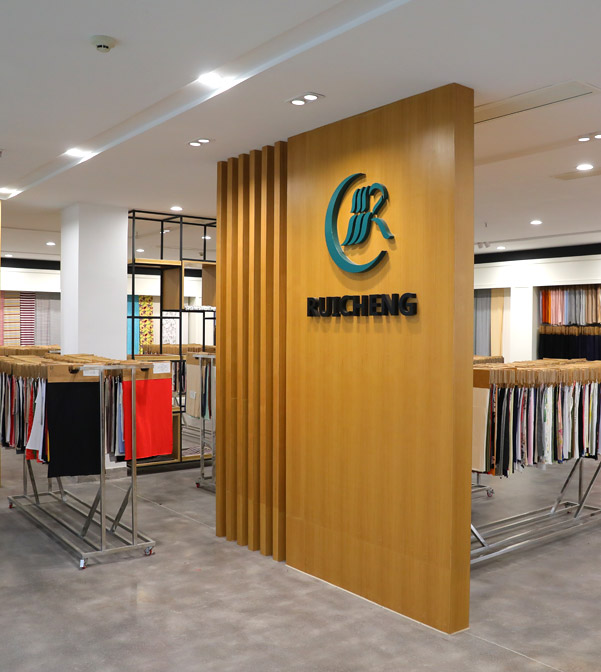
Meeting the complex design requirements of global fashion and sportswear brands requires a manufacturer with highly diversified production capabilities and a history of successful product innovation. Tongxiang Ruicheng Knitting Co., Ltd. is a modern enterprise specializing in the development, design, production and trade of knitted fabrics. Currently, the company has more than 50 large circular knitting machines and over 100 employees, with an annual output value exceeding 200 million yuan. This substantial machinery base allows the technical team to manufacture a broad spectrum of knitted structures, ensuring that advanced bio-based fibers can be integrated into any desired fabric type.
With a history of more than ten years in the production and operation of knitted products, the company has established extensive business channels and developed proficient product expertise. The specific varieties produced cover the entire knitting industry, including various single jersey, spandex single jersey, interlock fabric, spandex interlock fabric, Roma fabric, terry cloth, striped fabric, rib fabric, mesh fabric, air layer, small jacquard fabric, and single-sided fleece for lamination. This diverse product offering enables design teams to source everything from lightweight, highly breathable activewear meshes to heavy-duty, structured fleece materials from a single, reliable supplier.
The company has a strong record of developing high-end luxury and performance blends to meet changing consumer preferences. In recent years, the development team has successfully introduced premium options such as cotton-cashmere fabric, cotton-wool fabric, pure wool fabric, pure linen fabric, and pearl fleece fabric. In 2009, the company launched the latest memory knitted fabric mainly made of PPT fiber, featuring styles such as waffle fabric, mesh fabric, and elastic plain cloth, which are widely utilized for casual and sportswear series. This extensive history of material innovation ensures that brands can easily combine biodegradable elements with technical fibers to create highly customized product lines.
In recent years, the textile industry has been under increasing pressure to reduce its environmental impact while still delivering high-performance, comfortable, and durable fabrics. As sustainability becomes a central focus for both brands and consumers, biodegradable fiber knit has emerged as one of the most promising material innovations. It combines environmental responsibility with functional performance, making it highly relevant in modern textile development.
Biodegradable fiber knit refers to knitted fabrics made from fibers that can naturally decompose under specific environmental conditions after their useful life ends. These fibers are typically derived from renewable or bio-based sources such as plant materials (for example bamboo, corn-based PLA, or cellulose derivatives) or bio-engineered polymers designed to break down more efficiently than traditional synthetics.
Unlike conventional synthetic fabrics such as polyester and nylon, which are derived from fossil fuels and can remain in the environment for hundreds of years, biodegradable fiber knits are designed with end-of-life decomposition in mind. This means they can gradually return to natural elements under the right conditions, significantly reducing long-term environmental burden. As a result, they are increasingly being adopted in fashion, sportswear, home textiles, and even specialized medical applications where sustainability and disposability are important considerations.
One of the most important reasons for the rising popularity of biodegradable fiber knit is its positive environmental impact. The global textile industry is a major contributor to pollution, particularly through synthetic waste accumulation and microplastic contamination. Biodegradable fiber knit offers several key solutions to these challenges.
Reduced long-term waste:One of the most significant advantages is its ability to reduce long-term landfill waste. Because biodegradable fiber knit materials are designed to naturally decompose after use, they do not accumulate in the environment for decades or centuries like traditional synthetic textiles. Over time, this helps reduce pressure on waste management systems and supports the transition toward a more circular and sustainable textile economy where materials can safely return to nature instead of becoming permanent waste.
Lower microplastic pollution:Another major benefit is the reduction of microplastic pollution. Synthetic fabrics often shed tiny plastic particles during washing, which eventually enter waterways and marine ecosystems. Biodegradable fiber knit significantly reduces this issue because the fibers are designed to break down more safely rather than fragment into persistent plastic particles. This contributes to cleaner oceans, healthier aquatic ecosystems, and reduced long-term environmental contamination.
More sustainable lifecycle:In addition, many biodegradable fiber knits are produced from renewable resources such as plant-based raw materials or bio-engineered compounds. This reduces dependence on fossil fuels, which are heavily used in conventional synthetic fiber production. By integrating renewable inputs with end-of-life biodegradability, these materials support a more complete sustainable lifecycle—from production to disposal—helping lower the overall carbon footprint of textile manufacturing.
Beyond sustainability, biodegradable fiber knit is also highly valued for its comfort and wearability. The knitted construction naturally provides flexibility, softness, and breathability, making it ideal for garments that come into direct contact with the skin.
Soft texture:One of the most noticeable benefits is its soft and skin-friendly texture. Compared to many synthetic materials, biodegradable fiber knit tends to feel smoother and more natural against the skin. This makes it especially suitable for everyday clothing, undergarments, and garments designed for long hours of wear, where comfort is a key requirement.
Breathability:The knitted structure allows better airflow through the fabric, which improves breathability and helps regulate body temperature. Heat and moisture can escape more easily, making the fabric more comfortable to wear in warm or humid conditions. This natural ventilation effect also reduces the feeling of stickiness or overheating during extended use.
Moisture management:Biodegradable fiber knit also performs well in moisture absorption and release. It can quickly absorb sweat from the skin and allow it to evaporate efficiently, helping keep the wearer dry and comfortable. This makes it particularly useful for activewear, sports clothing, and daily wear in dynamic environments where moisture control is important.
Lightweight feel:Another advantage is its lightweight structure. These fabrics are generally less heavy and less restrictive, which improves mobility and overall comfort. The reduced weight also makes them ideal for layering systems or performance clothing where flexibility and ease of movement are essential.
Modern consumers expect textiles to be not only sustainable but also durable and functional. Biodegradable fiber knit has been engineered to meet these expectations by combining eco-friendly properties with strong performance characteristics.
Good elasticity and stretch recovery:Thanks to the natural structure of knitted fabrics, biodegradable fiber knit offers excellent elasticity, allowing it to stretch comfortably with body movement. More importantly, it also has good shape recovery, meaning it can return to its original form after stretching without becoming loose or deformed easily. This makes it highly suitable for garments that require flexibility, such as sportswear, fitted clothing, and active lifestyle apparel.
Durability in everyday use:Although biodegradable, these fibers are not fragile during their usable lifespan. In fact, many are designed to withstand regular wear, washing, and mechanical friction while maintaining their structural integrity. This ensures that garments made from biodegradable fiber knit remain functional and reliable throughout their intended use period before naturally breaking down after disposal.
Adaptability:Another key strength is its high adaptability in textile engineering. Biodegradable fiber knit can be blended with other natural fibers such as cotton, bamboo, or wool, as well as other bio-based materials, to achieve specific performance goals. These blends can improve strength, enhance moisture resistance, or adjust softness depending on the intended application. This flexibility allows manufacturers to customize fabrics for different industries, from fashion to technical textiles.
Due to its balanced combination of sustainability, comfort, and performance, biodegradable fiber knit is used in a wide range of applications across the textile industry.
In fashion apparel, it is commonly used for dresses, T-shirts, and casual wear, where softness and eco-friendly materials are highly valued. Many sustainable fashion brands are adopting it as part of their environmental commitments.
In sportswear and activewear, its breathability and moisture management properties make it ideal for yoga clothing, running gear, and fitness apparel, helping users stay comfortable during physical activity.
In home textiles, it is used in products such as bedding, cushion covers, and decorative fabrics, where comfort and sustainability are both important for everyday living environments.
In medical textiles, certain biodegradable fiber knits are applied in disposable or semi-disposable products where hygiene and environmental safety are critical. Their ability to break down naturally after use makes them suitable for reducing medical waste impact.
Biodegradable fiber knit represents a significant advancement in the evolution of sustainable textiles. It successfully combines environmental responsibility with comfort, breathability, durability, and functional performance. While there are still technical and cost-related challenges to overcome, ongoing innovation continues to improve its quality and expand its applications. As sustainability becomes a core requirement rather than an optional feature, biodegradable fiber knit is expected to play an increasingly important role in shaping the future of the textile industry. It not only addresses current environmental concerns but also provides a practical pathway toward more responsible and innovative fabric development.

 CONTACT US