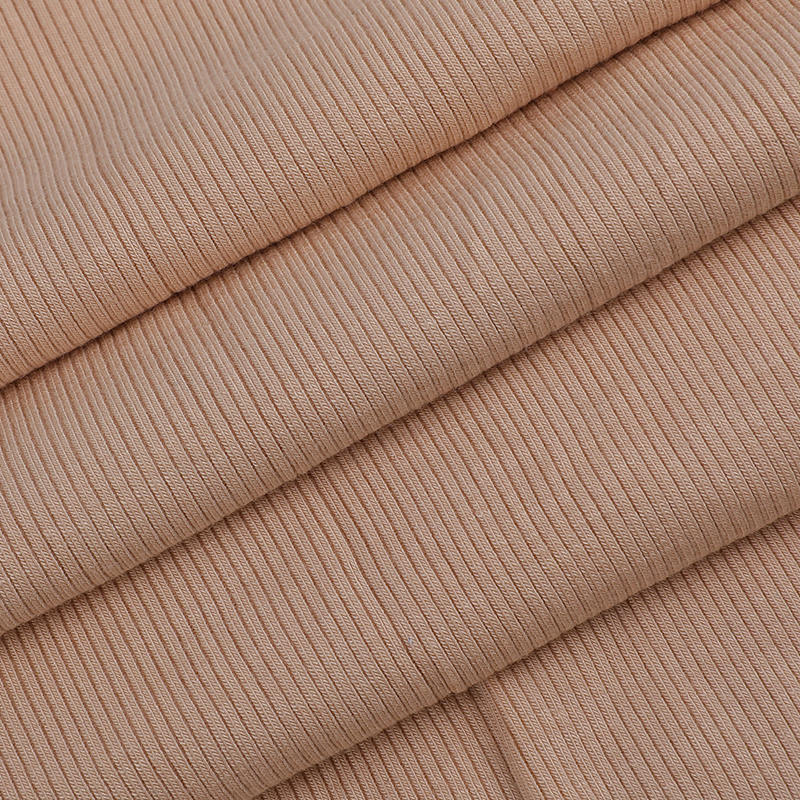
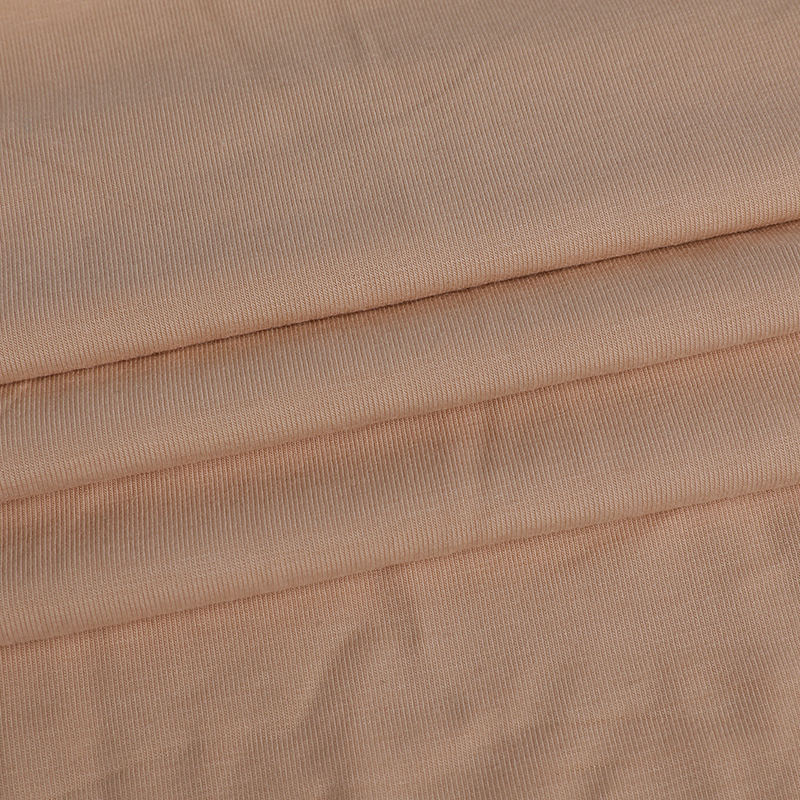
English
 中文简体
中文简体Content
- 1 What Is Cotton Knitwear?
- 2 How Cotton Knitwear Is Made
- 3 Key Properties of Cotton Knitwear
- 4 Common Types of Cotton Knit Fabric
- 5 Cotton Knitwear vs Woven Cotton: What Is the Difference?
- 6 Where Cotton Knitwear Is Used
- 7 What to Look For When Choosing Cotton Knitwear
- 8 How to Care for Cotton Knitwear
- 9 Cotton Knitwear from Our Production Line
- 10 Frequently Asked Questions About Cotton Knitwear
Cotton knitwear is a fabric formed by turning cotton yarn into a series of interconnected loops, rather than crossing yarns at right angles the way woven cotton is made. That single structural difference explains almost everything people notice about cotton knitwear: the natural stretch, the soft drape, the breathability, and the way a cotton jersey T-shirt feels against the skin. Woven cotton shirts are firmer and hold their shape; cotton knit garments move with the body and return to their original outline once the stress is released. This article explains what cotton knitwear is, how it is made, the main construction types, how it compares with woven cotton, and what matters most when choosing a cotton knit fabric for a specific end use.
What Is Cotton Knitwear?
Cotton knitwear is any fabric where cotton yarn has been knitted into loops. In a typical weft-knit structure, a single yarn travels horizontally and is pulled through the loops of the row below it. The resulting chain of loops is flexible because each stitch can move slightly in relation to its neighbours. That flexibility creates the give that woven fabric does not have.
Two words in the term matter equally. "Cotton" describes the fibre: natural, absorbent, soft, and comfortable in direct contact with the skin. "Knitwear" describes the structure: a grid of loops rather than a crisscross of threads. A fabric can be knitted from many fibres, but when the yarn is cotton the fabric gains the specific moisture management and comfort qualities for which cotton is known. A practical way to understand the combination is to compare a cotton knit T-shirt with a cotton woven dress shirt: same fibre, very different mechanical behaviour.
How Cotton Knitwear Is Made
Production of cotton knitwear follows a route from raw fibre to finished fabric. Each stage affects the final hand feel and performance. The process also determines how much the fabric will shrink, how well it resists pilling, and how evenly it takes dye.
- Yarn selection: Carded cotton is workable and inexpensive; combed cotton removes shorter fibres to produce smoother, stronger yarn. Yarn count such as 21s, 32s, or 40s controls the fineness of the fabric. A 40s combed single jersey is much finer and silkier than a 21s carded version.
- Knitting: Circular knitting machines turn the yarn into a tubular fabric by forming loops continuously around the circle. The machine gauge, the number of needles per inch, and the yarn tension decide whether the fabric is light and open or dense and compact.
- Scouring and bleaching: Natural waxes and impurities are removed so the cotton becomes clean and ready to accept colour. Bleaching is used for white and pastel shades.
- Dyeing: The fabric is dyed as a whole roll or piece-dyed after knitting. Temperature control and dye chemistry determine levelness and colourfastness.
- Finishing: Compacting reduces shrinkage by relaxing the loop structure. Mercerizing increases lustre and strength. Brushing or raising creates fleece loops for warmer winter cotton knitwear. Additional treatments can add water resistance or easy-care properties.
- Inspection: The finished fabric is checked for defects, measured for width and weight, and rolled for delivery.
The structure of the final fabric is fixed in the knitting step, but the finishing step is what makes or breaks dimensional stability. A well-finished cotton knit still holds its size after washing; a badly finished one may lose several percent of its original area.
Key Properties of Cotton Knitwear
Cotton knitwear is selected for a repeatable set of physical properties. These attributes explain its dominance in apparel, loungewear, and baby clothing.
Softness
Cotton fibres have a smooth, rounded surface that feels comfortable directly on the skin. Knitted loops add an extra layer of flex, so the fabric does not feel stiff or board-like.
Breathability
The openings between thousands of loops allow air to circulate and perspiration to evaporate. Cotton knitwear keeps the wearer cooler in warm conditions than many synthetic alternatives.
Natural stretch
Loops open under tension and close again when the tension is released. This elastic recovery gives cotton knit garments freedom of movement even before elastane is added.
Moisture absorption
Cotton can absorb a high percentage of its own weight in moisture, which delays the clammy feeling during light activity. In heavy sweat, however, cotton stays wet because it retains rather than wicks moisture away.
Durability
The interlocked loops distribute stress over a wider area. A well-knit cotton jersey withstands repeated washing and wearing; terry and interlock versions are especially resistant to abrasion.
Versatility
From sheer summer jersey to thick brushed fleece, cotton knitwear covers a wide range of weights, surface textures, and thermal values within the same family of looped constructions.
How cotton knitwear compares across physical characteristics
The lower scores for wrinkle resistance and shape retention are the trade-offs of a loop structure. They are the reason blends with polyester or elastane exist, and they are also the reason careful finishing is essential for pure cotton knitwear.
Common Types of Cotton Knit Fabric
Cotton knitwear is not one uniform material. Different loop arrangements create distinct fabrics with different hand feels, weights, and end uses. Several constructions are chosen by apparel producers again and again.
| Fabric type | Structure | Key characteristics | Typical uses |
|---|---|---|---|
| Single jersey | One set of needles forms a smooth face with small V-shaped stitches and a more textured reverse side | Light, stretchy, good drape, comfortable; curls slightly at the edges | T-shirts, dresses, nightwear, linings |
| Rib | Front and back stitches alternate in vertical columns | High elasticity across the width, excellent recovery, bulkier and more textured than jersey | Cuffs, collars, waistbands, form-fitting tops, gloves |
| Interlock | Two interlocked jersey layers, identical on both sides | Thicker and more stable than jersey, smoother surface, minimal curling, warm | Polo shirts, babywear, premium sportswear, outerwear |
| Pique | Waffle or honeycomb texture created by a combination of knit and tuck stitches | Textured, breathable, resilient, less clingy on the body | Polo shirts, tennis shirts, casual shirts |
| Terry and fleece | Loops on one side or brushed loops on the inside | Soft, absorbent, insulating; brushed fleece traps body heat | Hoodies, sweatshirts, babywear, towels |
| Air layer | Two outer layers connected by spacer yarns to create an internal air gap | Thermal, padded-like structure, firm body, good moisture movement | Winter sweatshirts, jackets, outdoor knitwear |
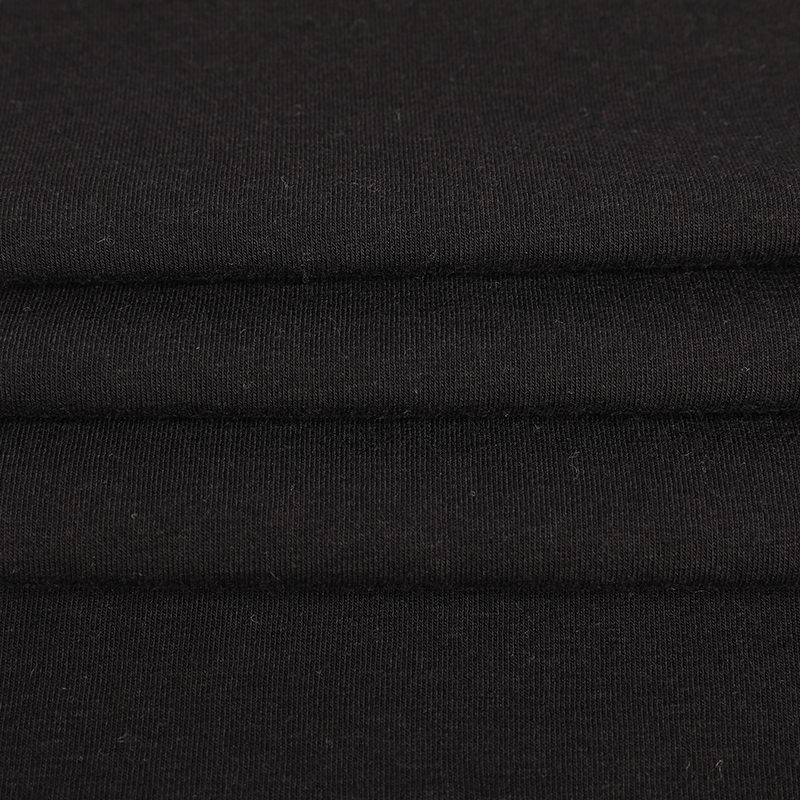
Single jersey is the workhorse of cotton knitwear and the first structure most people picture when they think of a cotton T-shirt. A 21s single jersey made with combed BCI imported yarn gives the clean surface and stable hand feel that basic garment programs rely on.
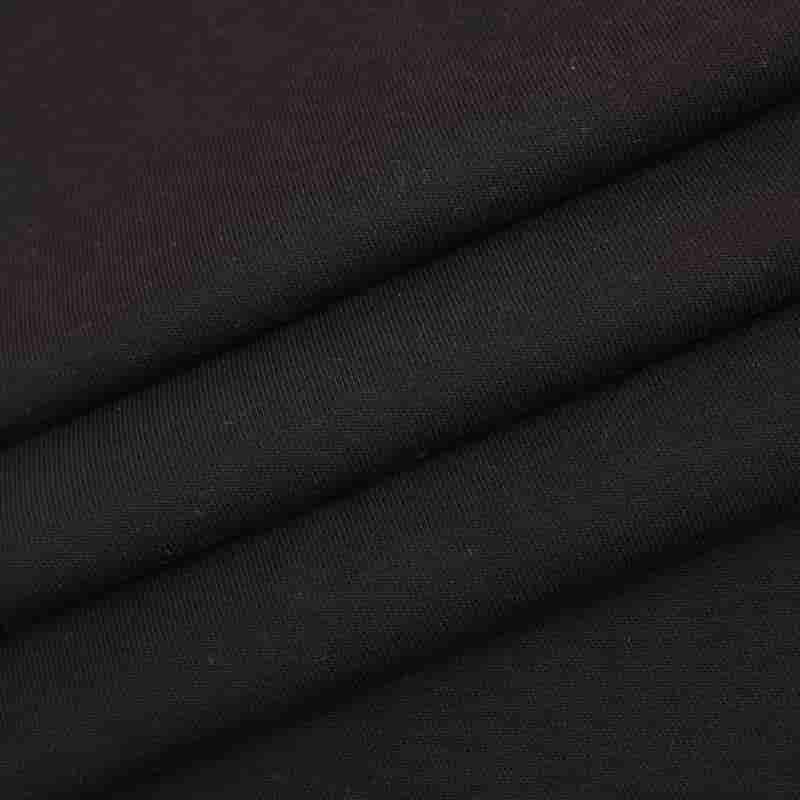 21s Combed BCI Imported Yarn Single Jersey Cotton FabricThis 100% cotton single jersey uses combed BCI certified imported yarn, offering a clean surface, stable hand feel, moisture absorption, and breathability—ideal for casual wear, sportswear, and T-shirts.View Product →
For a full introduction to jersey and the wider knit fabric family, see our complete guide to jersey cotton knit fabric.
Cotton Knitwear vs Woven Cotton: What Is the Difference?
The easiest way to understand cotton knitwear is to compare it with the other major cotton fabric family, woven cotton. In weaving, one set of yarns, the warp, runs straight up the length of the fabric, while the weft crosses over and under it. The result is a rigid, stable grid. In knitting, loops dominate, and that changes everything:
| Comparison point | Cotton knitwear | Woven cotton |
|---|---|---|
| Yarn arrangement | Interconnected loops | Crossed warp and weft yarns |
| Stretch | Natural stretch in one or both directions | Almost no stretch unless elastane is added |
| Hand feel | Soft, flexible, tends to drape | Crisp, firm, holds the body |
| Wrinkle behaviour | Wrinkles less, returns to shape more easily | Wrinkles visibly, requires ironing more often |
| Dimensional stability | More prone to shrinkage if not properly finished | More stable, easier to keep exact dimensions |
| Cutting and sewing | Edges curl and need care during garment assembly | Edges stay flat, easier to cut precisely |
| Best for | T-shirts, polos, loungewear, babywear, activewear | Shirts, trousers, jackets, formal and tailored clothing |
Where Cotton Knitwear Is Used
Because cotton knitwear balances comfort, flexibility, and easy care, it is the default fabric family for a broad range of apparel categories.
- Everyday apparel: T-shirts, polo shirts, long-sleeve tops, knit dresses, and cardigans.
- Loungewear and sleepwear: Jersey pyjamas, loungewear sets, and bathrobes where softness is the priority.
- Baby and children clothing: Rompers, bodysuits, and hats; the loop structure gives with movement, while cotton stays gentle on sensitive skin.
- Active and leisure wear: Cotton-spandex jerseys provide stretch and recovery for yoga tops, track suits, and warm-up jackets.
- Home textiles: Knitted throws, cushion covers, and soft blankets.
- Underwear and base layers: Fine combed jersey and rib knitwear that sit directly on the skin.
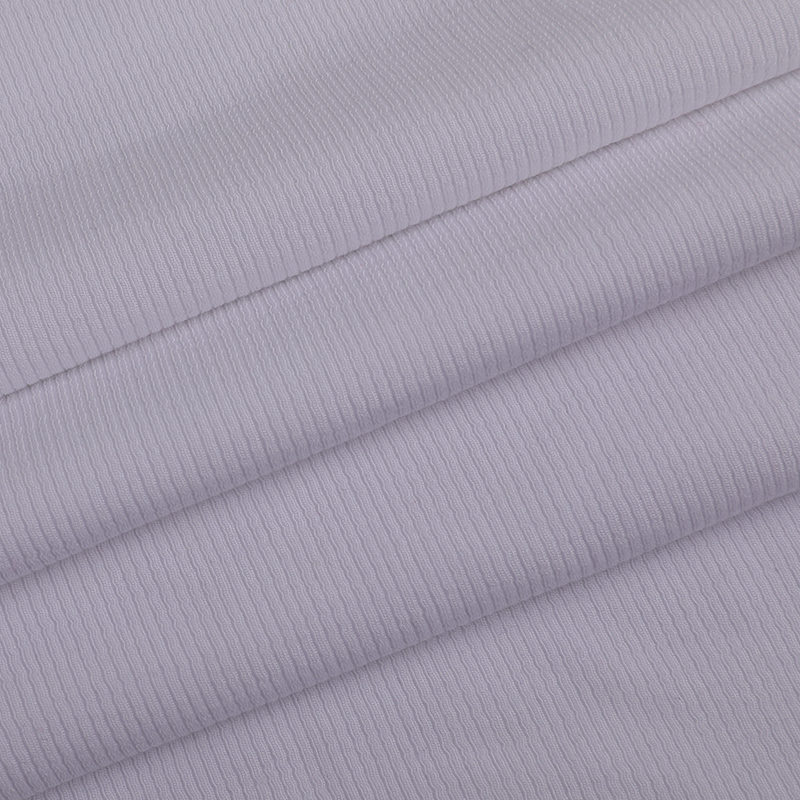
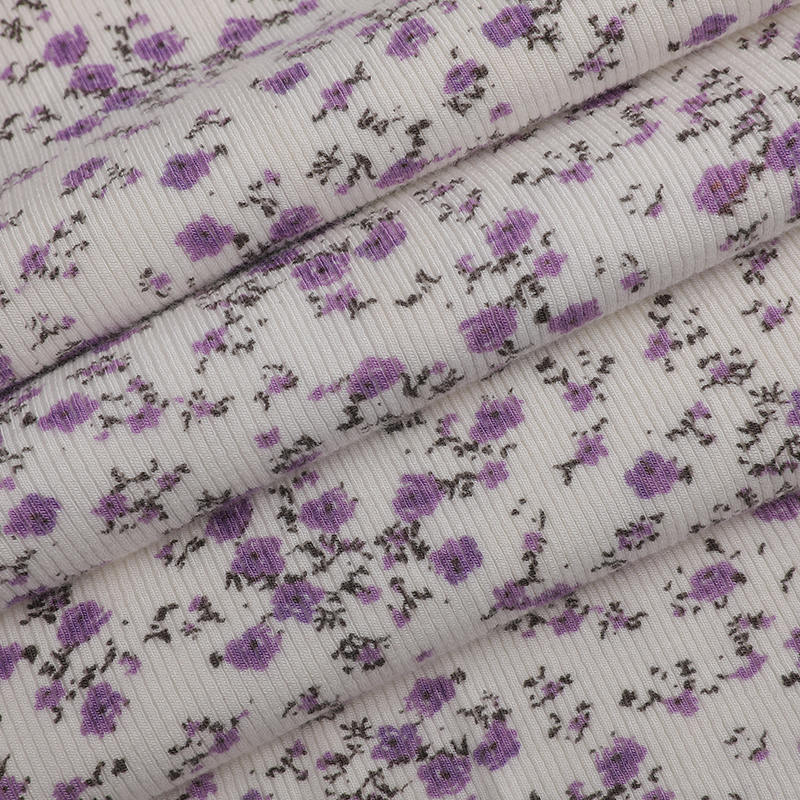
Rib knitwear plays a supporting role in almost every garment category even when it is not the main body fabric. Its elasticity makes it the default material for collars, cuffs, and waistbands, and it is also used for gloves, socks, and close-fitting tops.
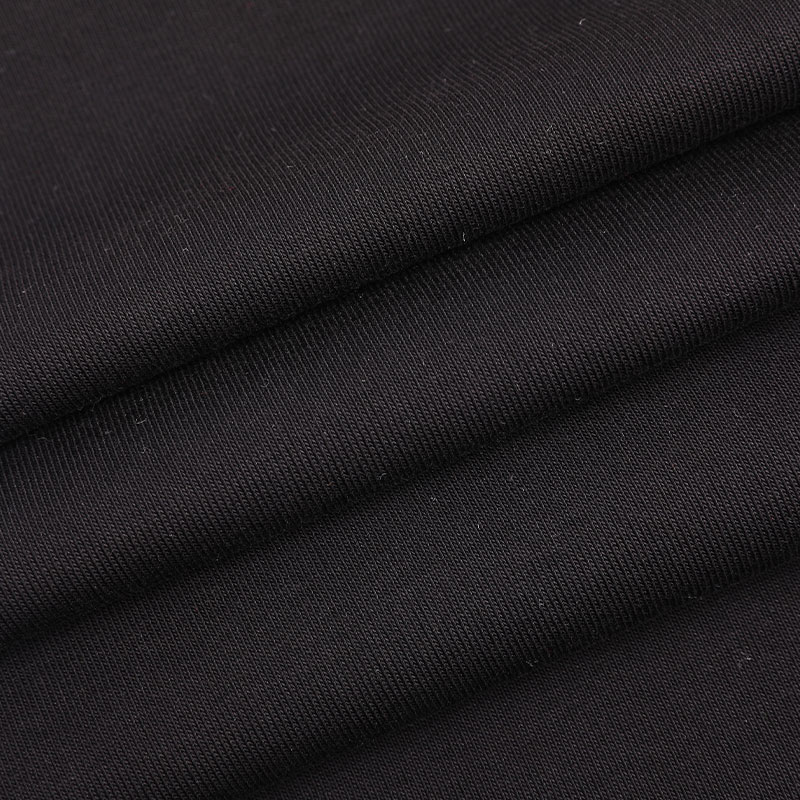 28s Combed 1x1 Rib Knit Cotton FabricThis 1x1 rib knit provides moderate elasticity and a smooth, flat surface with narrow ribs, making it well-suited for collars, cuffs, underwear, and close-fitting garments where gentle stretch is needed.View Product →
What to Look For When Choosing Cotton Knitwear
Not all cotton knitwear performs the same, and the differences usually appear after the first wash. When evaluating a cotton knit fabric, focus on the following points.
- Yarn count and fibre quality: Higher yarn counts such as 40s or 50s create finer, smoother fabrics. Combed yarns and long-staple cotton, including BCI-sourced material, improve strength and reduce pilling.
- Fabric weight (GSM): GSM, or grams per square metre, indicates density. A 150 gsm jersey is a light summer T-shirt; a 240 gsm brushed fleece is a warm winter sweatshirt. Match the weight to the intended season and garment type.
- Shrinkage control: Compacting and proper finishing should bring shrinkage below 3 to 5 percent. Fabrics that skip this step can turn a well-fitting garment into a distorted one.
- Pilling resistance: Shorter, loose fibres rub into pills on the surface. Combed cotton, higher twist yarns, and certain finishes all reduce this risk.
- Colourfastness: The dye should stay in the fibre and resist fading in washing and sunlight. Test deep shades especially, as they are more demanding.
- Stretch and recovery: Pure cotton knit stretches naturally, but a small percentage of spandex, typically 5 to 10 percent, gives faster recovery for close-fitting garments.
- Certifications and traceability: BCI, GOTS, OEKO-TEX, and similar labels show that the cotton was grown and processed under recognised environmental and safety standards.
For babywear and premium first-layer garments, interlock is often the safest choice. Its double-faced structure is smooth on both the outside and the inside, it resists curling, and it holds its shape through repeated laundering. A mercerized 40s interlock in BCI cotton takes the fabric a step further with added lustre and strength.
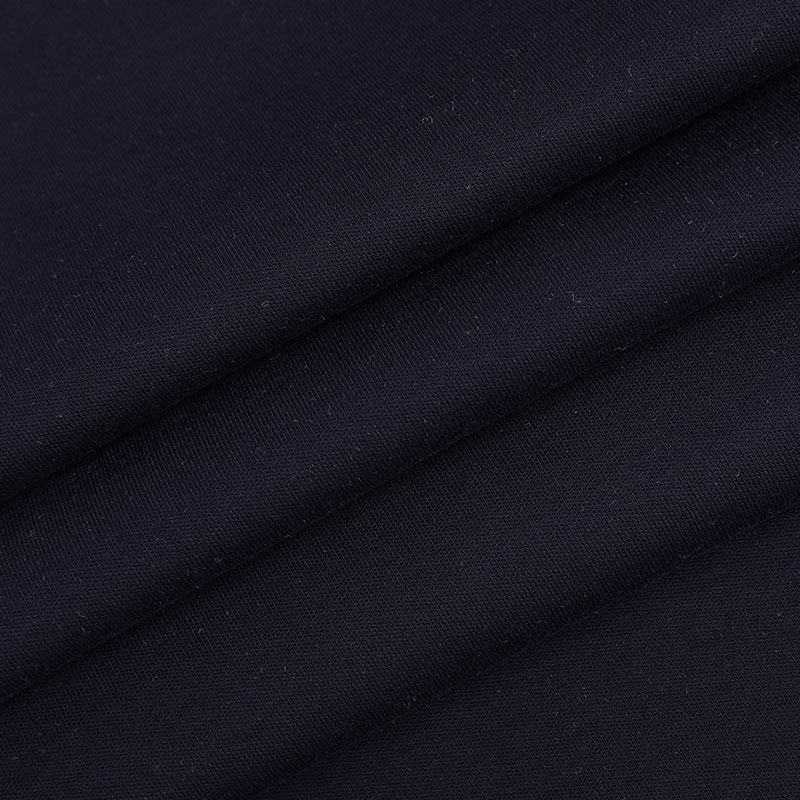 40s Mercerized Interlock Fabric with BCI Cotton and 30D YarnA double-faced interlock in mercerized BCI cotton with a 30D component, offering lustre, strength, and shape retention—an excellent choice for babywear and premium first-layer garments.View Product →
How to Care for Cotton Knitwear
Proper care extends the life of cotton knit garments and keeps the fabric looking good.
- Wash inside out in cold or lukewarm water below 30°C to protect colour and reduce fibre stress.
- Use a mild detergent and avoid bleach or heavy optical brighteners that dull deep shades.
- Dry flat or on a drying rack. High heat from a tumble dryer can cause shrinkage and distort the loop structure.
- Iron at a medium cotton setting while the garment is slightly damp, and avoid pressing hard over ribbed or jersey surfaces.
- Store folded rather than hung, since the weight of a heavy knit on a hanger can stretch its shoulder area.
Cotton Knitwear from Our Production Line
As a manufacturer of knitted fabrics, we produce cotton knitwear across a wide range of yarn counts, weights, and structures. Every roll is knitted on circular machines, then scoured, dyed, and finished on controlled production lines, with shrinkage compaction and colour consistency checked before the fabric leaves the factory.
Our cotton programme covers single jersey, rib, interlock, pique, terry, fleece, and air-layer constructions, in carded or combed yarns, with BCI cotton, slub yarns, recycled polyester blends, and spandex versions available. If you are planning a cotton knit project, the choice usually starts with three questions: the garment type, the weight and stretch needed, and the shrinkage tolerance. Once those are fixed, the appropriate structure and yarn count become clear.
You can browse the full cotton knit fabric collection on our homepage, or contact our team directly with the specifications of the fabric you need.
Frequently Asked Questions About Cotton Knitwear
Is cotton knitwear suitable for summer?
Yes. Lightweight single jersey or interlock in a high yarn count, roughly 40s and 140 to 170 gsm, lets air move through the loops and helps perspiration evaporate. Cotton absorbs the initial moisture before the skin feels damp, which keeps the garment comfortable in warm weather. Avoid heavy fleece or terry for summer; those constructions trap heat deliberately.
Does cotton knitwear shrink?
Cotton knitwear can shrink, but the amount depends on the finishing process. If the fabric is compacted or pre-shrunk during production, shrinkage can be kept below 3 to 5 percent. If it is not, the first few washes can pull the loops tighter and reduce the fabric area noticeably. Garments made with elastane shrink less because the elastane helps pull the structure back into shape.
Is cotton knitwear stretchy?
Yes, the opened loops give natural stretch in the width and, to a lesser degree, the length. The elasticity is moderate compared to elastane or nylon. Where faster recovery is required, such as fitted tops or sportswear, a small percentage of spandex, usually 5 to 10 percent, is knitted with cotton.
What is the difference between cotton knitwear and woven cotton?
The fabric structure. Cotton knitwear is made from loops of one continuous yarn set, which gives it natural stretch, a soft drape, and more wrinkle resistance. Woven cotton is formed by warp and weft yarns crossing at right angles, which makes it firm, stable, and easier to cut and sew. Both are cotton, but they behave like different materials at the garment stage.
Which cotton knit fabric is best for baby clothes?
Interlock is a common choice for babywear because it is smooth on both sides, sits against the skin without a textured reverse, and resists curling at the edges. Fine single jersey is also good for light summer garments. Look for combed or BCI cotton, 32s to 40s yarn, and a weight that suits the season; softness and low shrinkage matter more than a very high count.
Is 100% cotton knitwear better than cotton blends?
Not always. Pure cotton knitwear is soft, breathable, and easy to care for, but it tends to wrinkle, can shrink if not finished well, and has limited shape recovery. A cotton-polyester blend resists wrinkles and shrinks less; a cotton-spandex blend stretches and recovers more. Blends are practical for sportswear and fitted garments, while pure cotton remains the best choice for comfort-driven categories such as babywear and loungewear.
When a cotton knit garment is developed from scratch, a sample run is the best way to check the fabric's hand feel, shrinkage, and colour in a real product. A swatch shows the surface texture, but only after a few wash cycles does the true stability of the fabric reveal itself. This is why manufacturers who control both knitting and finishing are better placed to deliver consistent cotton knitwear.