English
 中文简体
中文简体Knit Fabric Testing Standards, Certification and Sewing Guide
What is knit fabric in terms of measurable quality assurance? Beyond raw material selection, knit fabric reliability depends on standardized laboratory testing, certification tracking and correct sewing methods. This section outlines the testing framework applied to jersey knit fabric, double knit fabric, tricot knit fabric and cotton knit fabric within our production facility, along with practical sewing guidance for downstream processing.
Laboratory Testing Equipment and Reference Standards
| Test Item | Equipment Used | Reference Standard | Applicable Fabric |
| Pilling Resistance | Martindale Abrasion Tester | ISO 12945-2 | Jersey knit fabric |
| Bursting Strength | Ball Burst Tester | ISO 13938-2 | Double knit fabric |
| Elastic Recovery | Fabric Extension Tester | ASTM D2594 | Tricot knit fabric |
| Moisture Absorption | Vertical Wicking Tester | AATCC 197 | Cotton knit fabric |
| Colorfastness to Washing | Launderometer | ISO 105-C06 | All knit fabric types |
Fabric Defect Classification System
Class A
No visible defect within a 10-meter inspection segment of knitted fabric.
Class B
Minor thread irregularity, does not affect final garment cutting layout.
Class C
Visible dye variation or loop density inconsistency, marked for downgrading.
Class D
Structural fault such as dropped stitches, excluded from shipment batches.
How to Sew Knit Fabric: Needle and Thread Selection Guide
Correct sewing technique preserves the stretch integrity of knit fabric during garment assembly. The following table summarizes needle and thread pairing recommendations by fabric category.
| Fabric Type | Recommended Needle | Stitch Type | Thread Tension |
| Jersey Knit Fabric | Ballpoint 70/10 | Zigzag / Overlock | Low-Medium |
| Double Knit Fabric | Ballpoint 80/12 | Straight / Zigzag | Medium |
| Tricot Knit Fabric | Stretch Needle 75/11 | Chain Stitch | Low |
| Cotton Knit Fabric | Ballpoint 75/11 | Zigzag / Coverstitch | Low-Medium |
Quality Certification and Batch Tracking
Incoming Yarn Certification
Each yarn batch used for knit fabric production carries a supplier test report covering tensile strength and moisture content.
In-Process Batch Number
A unique batch code is assigned to every knitted fabric roll during the knitting stage for full traceability.
Finished Fabric Test Report
A complete test report including GSM, width, colorfastness and elasticity is issued before shipment.
Retention Sample Archive
A physical sample of each knit fabric batch is retained for a defined period for quality reference.
Common Questions About Knit Fabric Testing
What is tricot knit fabric elastic recovery based on?
Elastic recovery of tricot knit fabric is measured by stretching a sample to a fixed length, releasing it, and calculating the percentage of return to its original dimension.
What is jersey knit fabric pilling grade based on?
Pilling grade for jersey knit fabric is determined through Martindale abrasion testing, comparing surface fiber balling against a standardized visual rating scale.
How is knit fabric colorfastness graded?
Colorfastness is graded on a scale from 1 to 5 based on color change and staining observed after standardized washing or rubbing cycles.
Why does double knit fabric require higher bursting strength testing?
Double knit fabric is often used in structured garments subject to greater mechanical stress, so bursting strength verification confirms its durability under pressure.
Fabric Sample Reference Service
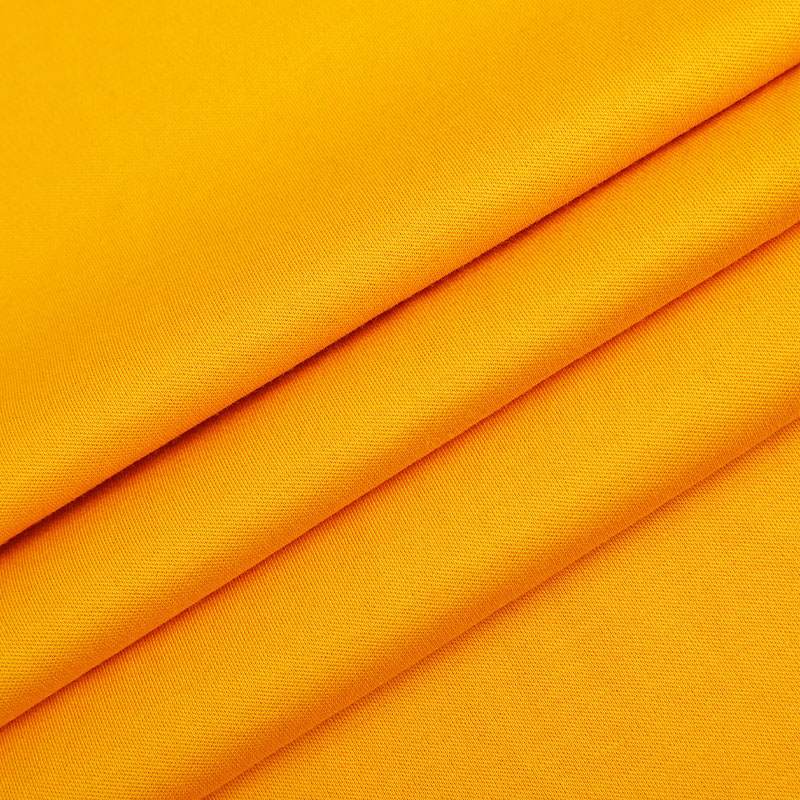
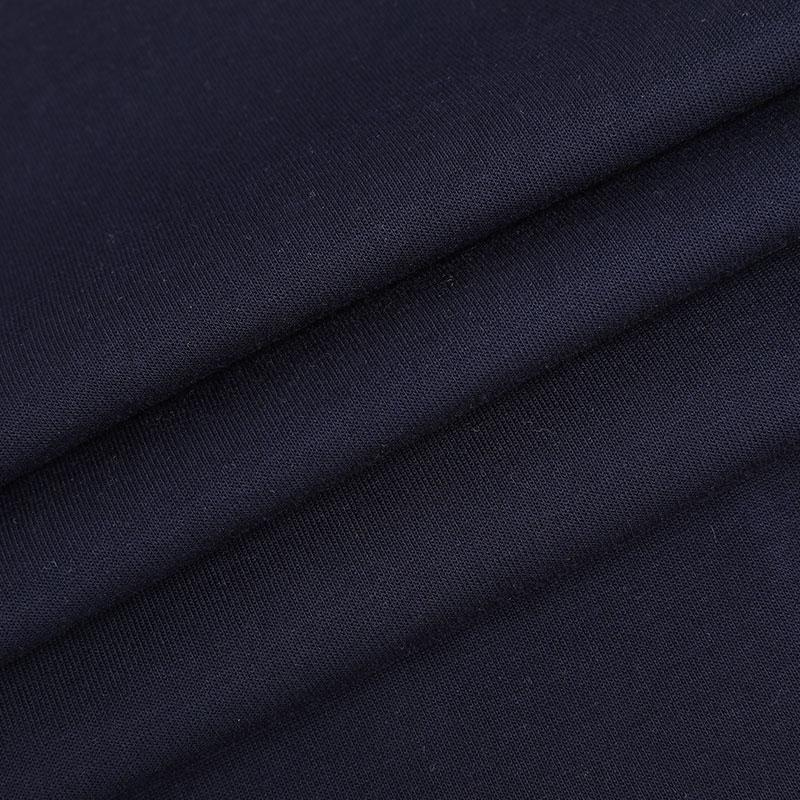
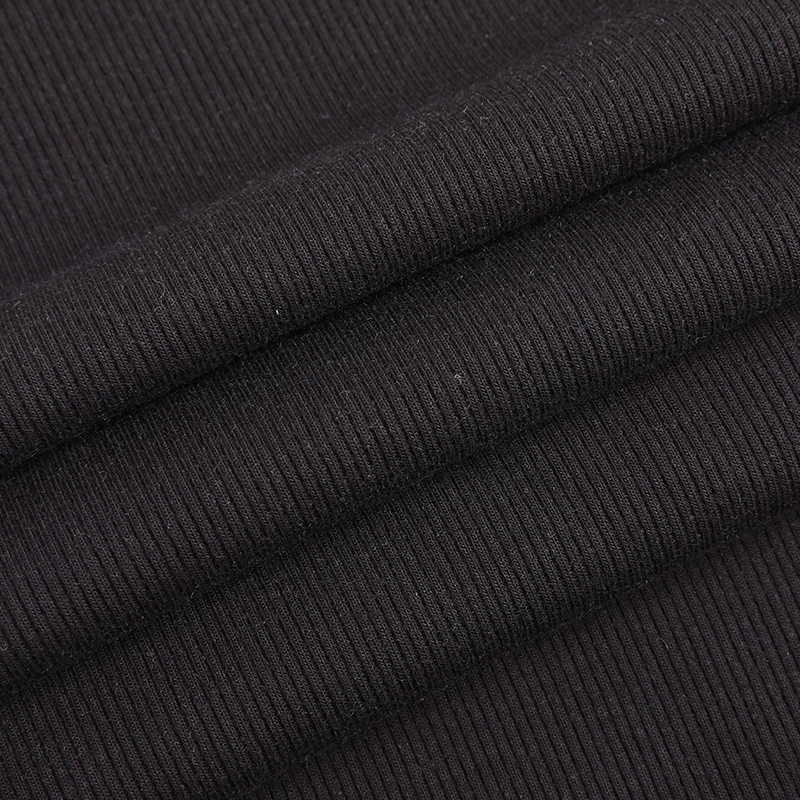
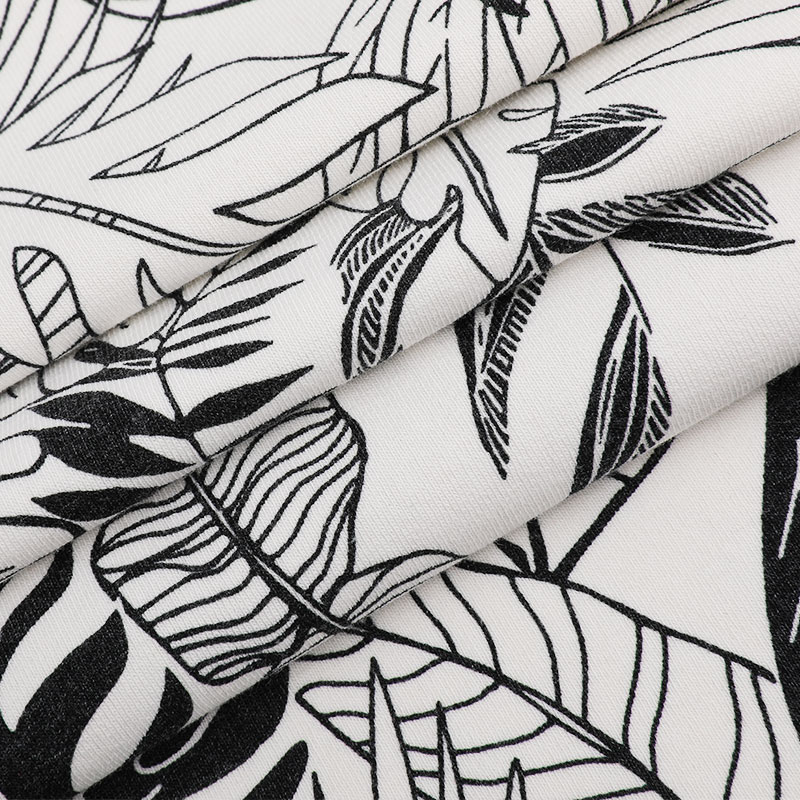
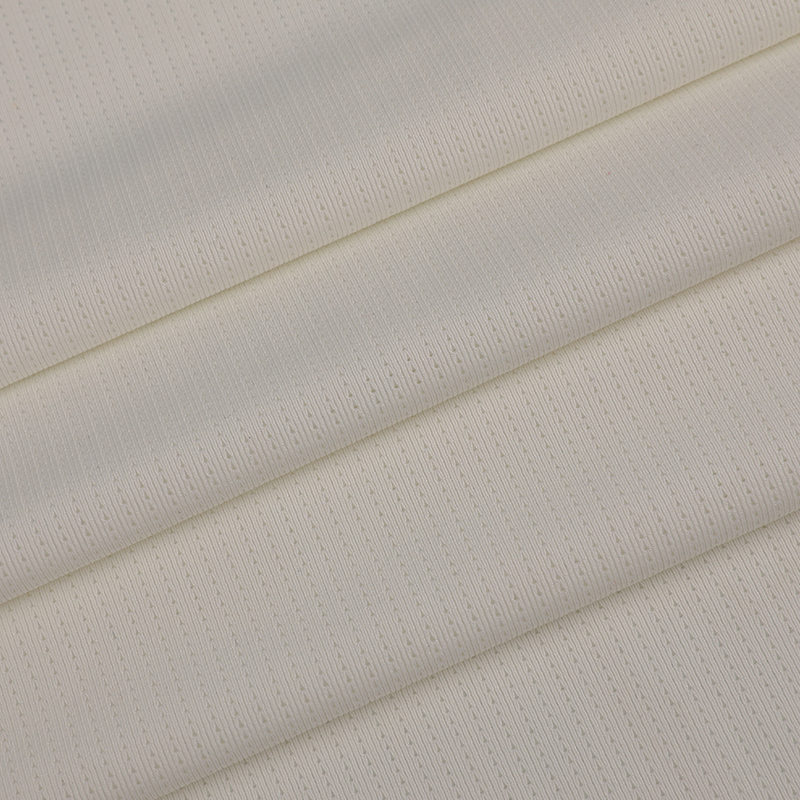
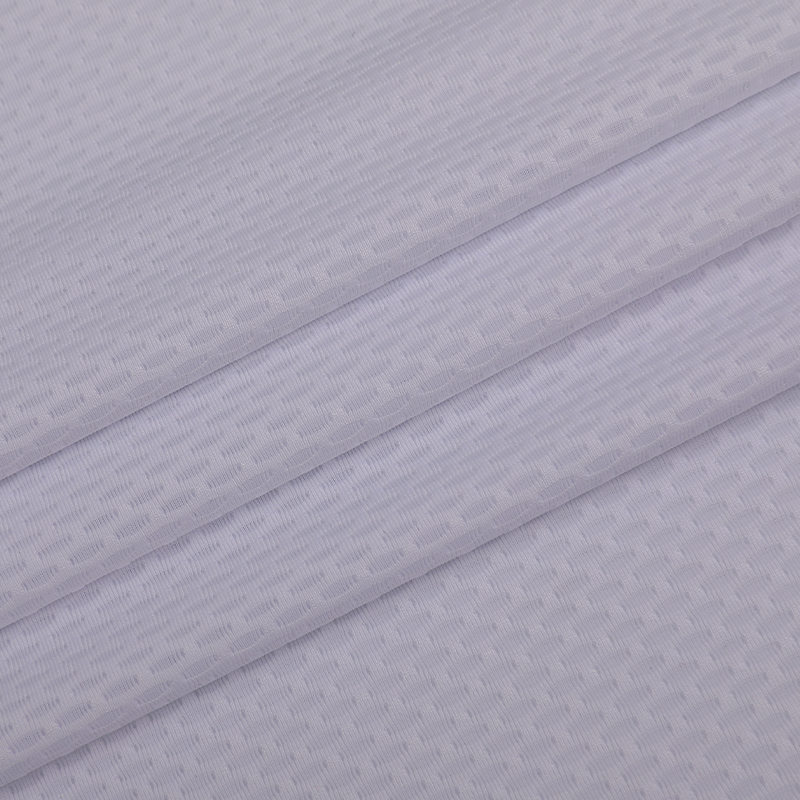
Physical swatches of cotton knit fabric, jersey knit fabric, double knit fabric and tricot knit fabric are available for hand-feel evaluation and in-house testing comparison prior to production planning. Each swatch is labeled with GSM, composition and stretch direction for accurate reference.