English
 中文简体
中文简体Content
- 1 What Does "Knitted Fabric" Actually Mean?
- 2 So, Is Knitted Fabric Cotton?
- 3 The Most Common Fiber Types Used in Knitted Fabrics
- 4 Cotton Knit vs. Other Knit Fabrics - A Quick Comparison
- 5 How to Identify Whether Your Knit Fabric Is Cotton
- 6 What to Consider When Sourcing Knit Fabrics for Your Products
- 7 Conclusion
If you have seen the term "knitted cotton fabric" and wondered whether all knitted fabrics are cotton, you are asking the right question. The answer is no. Knit describes a looped fabric structure; cotton is a plant fiber that can be knitted into that structure. This guide explains the difference, compares the fibers used in knit fabrics, and gives practical criteria for choosing and verifying materials.
What Does "Knitted Fabric" Actually Mean?
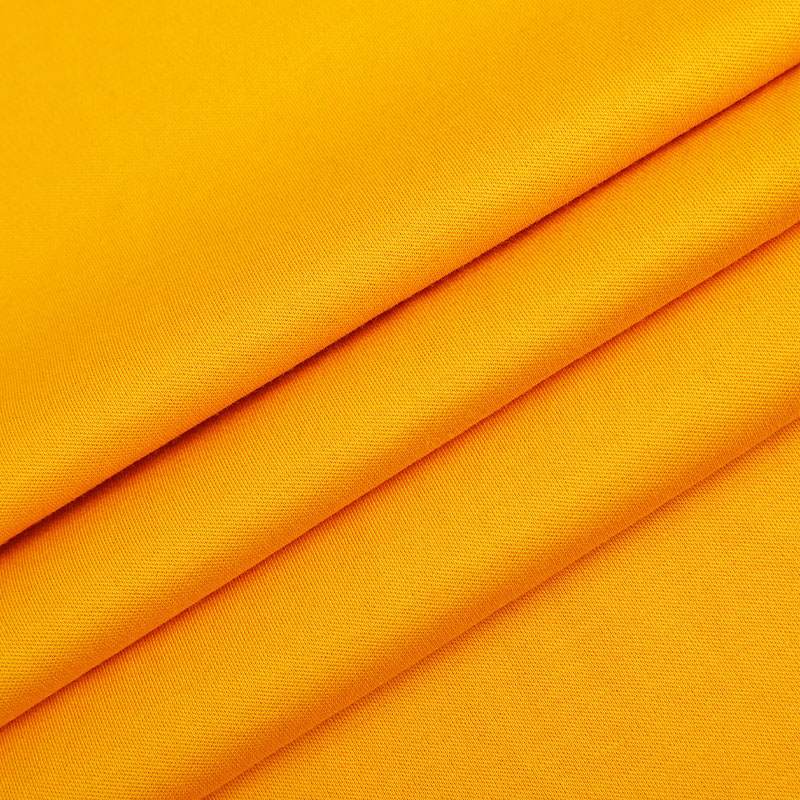
Knitting is a method of fabric construction. A continuous yarn is formed into loops, and each new loop is pulled through the previous one to create a stretchy, interconnected structure. The result is a fabric with natural elasticity, a smooth face, and a looped back.
Woven fabric, by contrast, is made by interlacing two sets of yarns at right angles. Woven cloth is more stable and less stretchy. That is why a woven cotton shirt and a knitted cotton T-shirt feel different even when both are 100% cotton.
In short, "knitted" tells you how the fabric was made, not what it is made from. Most commercial knits use one of a few core structures:
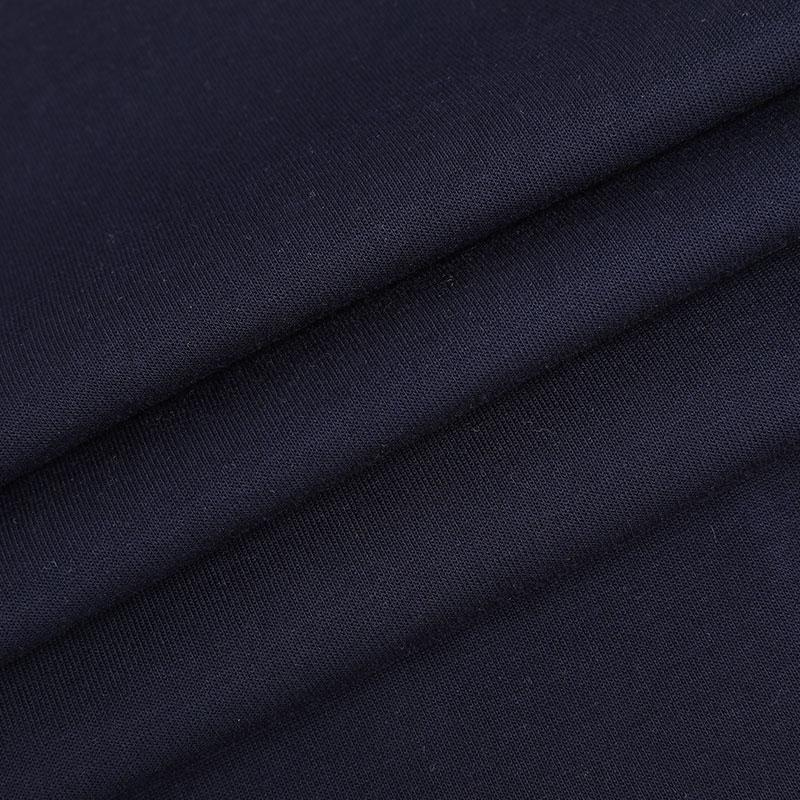
- Jersey: the most common single knit, smooth face and looped back.
- Rib: alternating knit and purl wales, excellent horizontal stretch.
- Interlock: double knit, smooth on both sides, good stability.
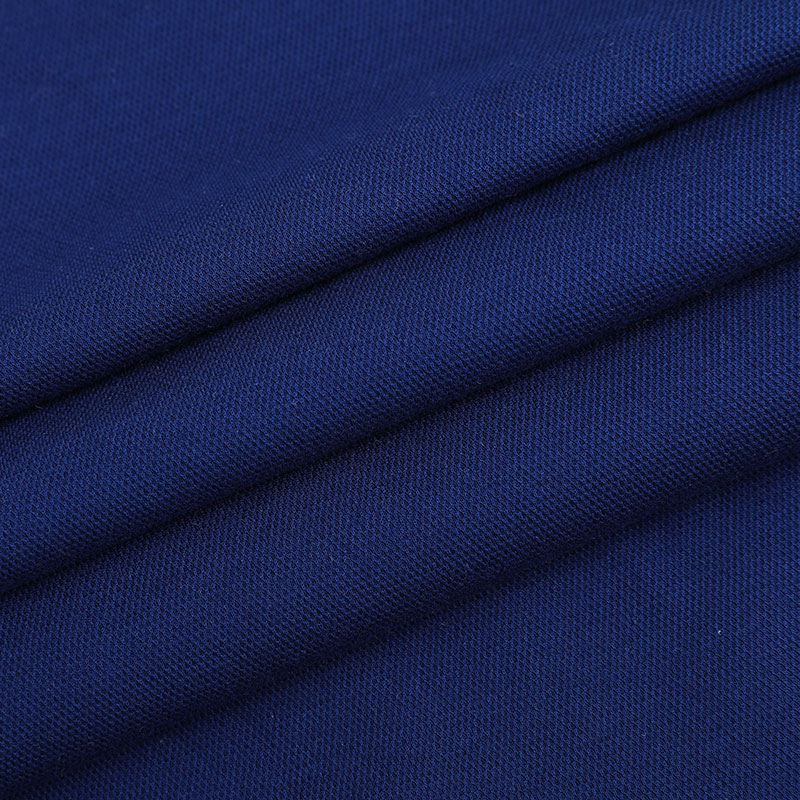
- Pique: textured and breathable, often used for polos.
- Terry: looped pile on one or both sides, for loungewear and towels.
Each structure can be knitted from cotton, polyester, modal, wool, linen, bamboo fiber, or blends. Structure controls stretch and drape; fiber controls feel, breathability, and care. For more detail on construction, our complete guide to jersey cotton and knit fabric basics covers the fundamentals.
So, Is Knitted Fabric Cotton?
To be direct: no, knitted fabric is not cotton. "Knitted" names a manufacturing method; "cotton" names a raw material. They can be combined, for example as 100% cotton knit, but they are not the same thing.
Cotton knit is the reference point for most buyers because it is so common in T-shirts, underwear, and casual wear. Cotton absorbs moisture, breathes, and softens with washing, making it the natural starting point for next-to-skin garments.
But cotton is only one knittable fiber. Commercial knit fabrics are also made from:
- Polyester, for sportswear and uniforms.
- Viscose, modal, and Tencel lyocell, for premium underwear and loungewear.
- Wool, for cold-weather garments.
- Linen, for summer clothing.
- Bamboo fiber, often blended with cotton or spandex.
Cotton is also frequently blended with other fibers. Spandex, usually 20, 30, or 40 denier, adds stretch and recovery. Polyester adds durability and easy care. A common example is CVC (chief value cotton), where cotton is the majority fiber, typically around 60% cotton to 40% polyester.
CVC jersey is widely used in workwear, loungewear, and everyday T-shirts because it combines cotton comfort with polyester strength. If you want to feel how this blend performs, our 32s CVC single jersey is a good reference point.
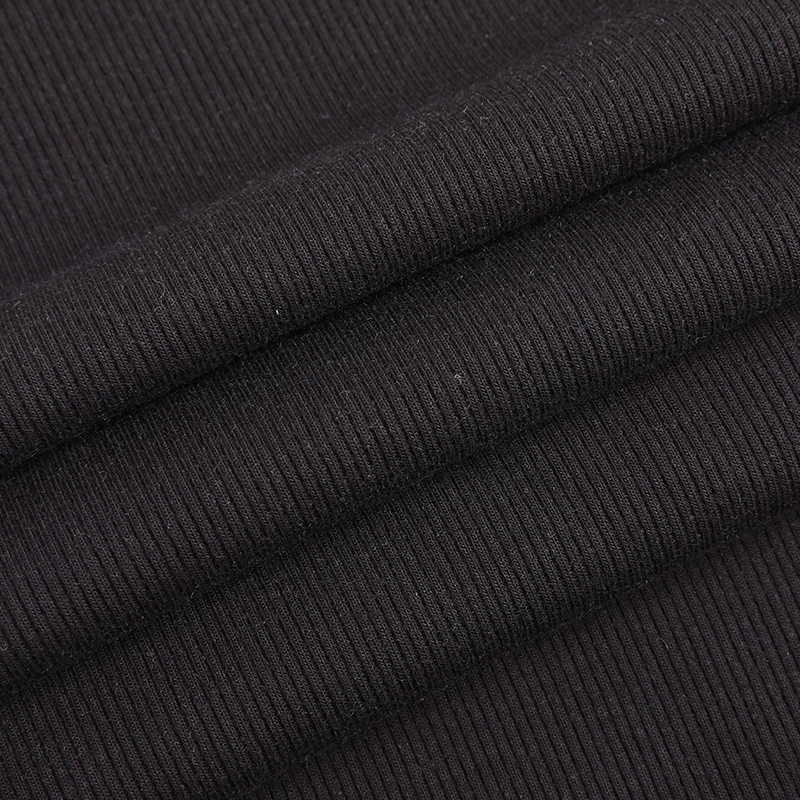
 Custom 32s CVC Single Jersey Fabric Suppliers, OEM/ODM Factory - Tongxiang RuichTongxiang Ruicheng Knitting Co., Ltd. is China 32s CVC Single Jersey Fabric Suppliers and OEM Factory, details:The blended fabric of cott...View Product →
The Most Common Fiber Types Used in Knitted Fabrics
The fiber is the starting point. The families below cover most knitted fabrics in commercial production, each with a clear performance profile.
Cotton Knit - the Classic Choice
Cotton remains the default for garments worn next to the skin. Its high absorbency pulls moisture away from the body, its breathability regulates temperature, and its softness suits sensitive skin. Cotton knits are easy to launder and durable for daily wear.
Cotton quality varies with processing. Combed cotton removes short fibers for a smoother, stronger yarn. Long-staple cotton gives finer, softer yarns. Mercerized cotton gains luster, strength, and better dye take-up.
Yarn count controls weight and fineness. Our cotton jersey range runs from 21s and 32s for heavier garments to 40s and 50s for fine, silky tops.
BCI cotton is available for sustainability-minded buyers, and because the category spans jersey, rib, pique, interlock, terry, and air-layer, our complete cotton knit fabric collection covers most garment programs.
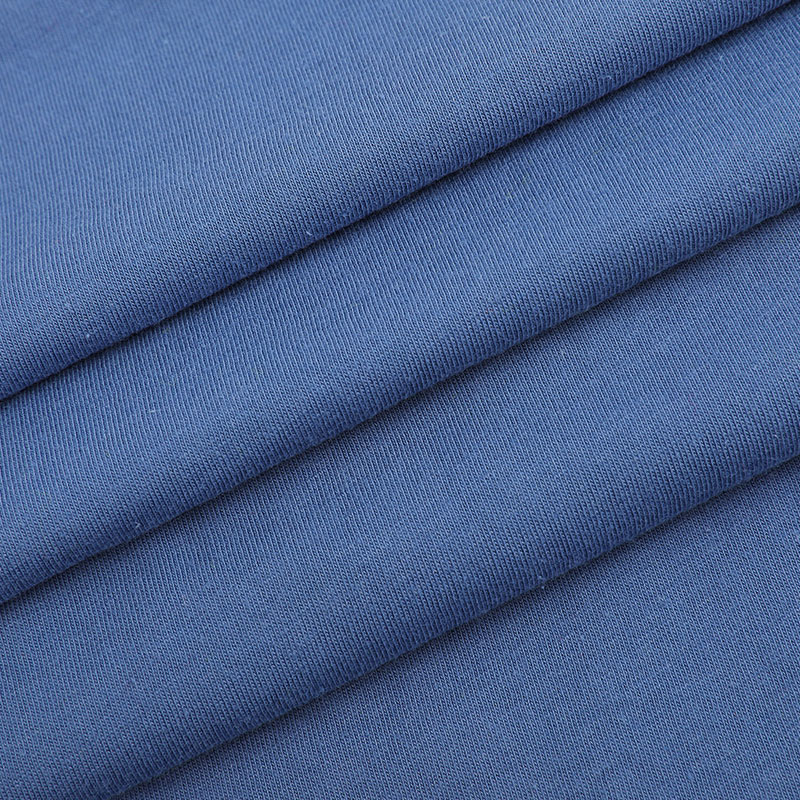
 Custom Cotton Knit Fabrics Manufacturers, SuppliersTongxiang Ruicheng Knitted Co., Ltd. is China Cotton Knit Fabrics Manufacturers and Suppliers, offer Custom Cotton Knit Fabrics soft, bre...View Product →
Polyester Knit - Performance and Durability
Polyester is the leading fiber for performance and workwear knits. It resists wrinkles, dries quickly, and holds color well. Polyester knits dominate sportswear, team uniforms, and outerwear, often blended with spandex for fitted styles.
Texturized polyester (DTY) gives a softer, more matte surface, while filament yarns give a smoother finish. Recycled polyester is increasingly specified by brands with sustainability targets.
Lenzing Fibers - Viscose, Modal, and Tencel
Lenzing is a branded producer of cellulosic fibers (viscose, modal, and Tencel lyocell), all originating from sustainably managed wood. These fibers have become benchmark materials in premium knitwear.
Modal is noticeably softer and more supple than cotton, with excellent drape and good pill resistance, making it a strong choice for underwear, loungewear, and fine tops. Tencel lyocell adds moisture management and a silky, cool hand, ideal for summer basics. Viscose offers a smooth, luxurious surface and vivid color.
Our range includes pure and blended versions, such as modal with spandex, Tencel with cotton or linen, and viscose blends. If you are developing a premium line, Lenzing modal and Tencel knit fabric options are worth reviewing.
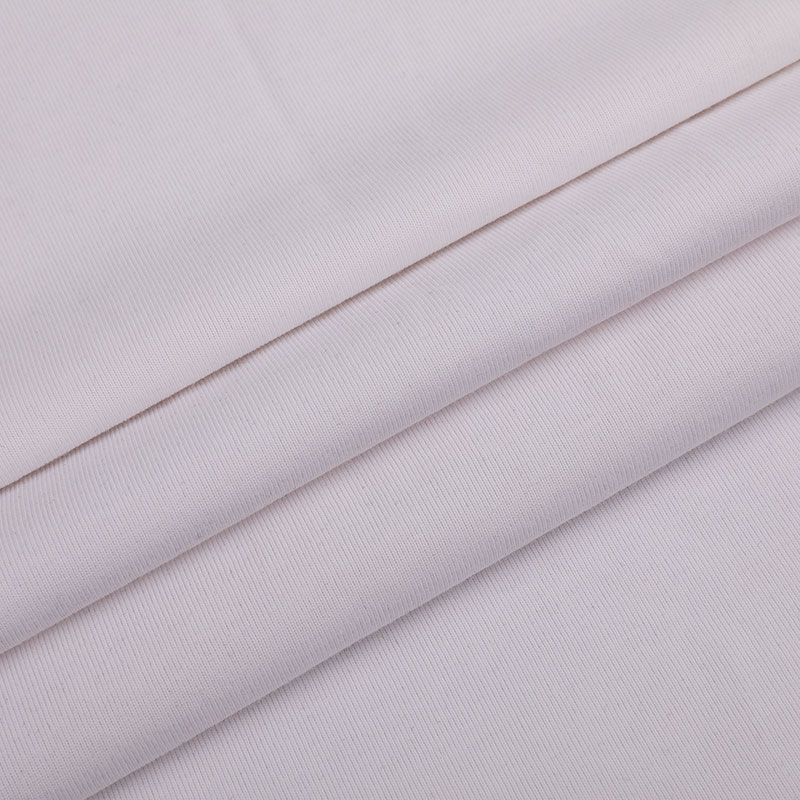
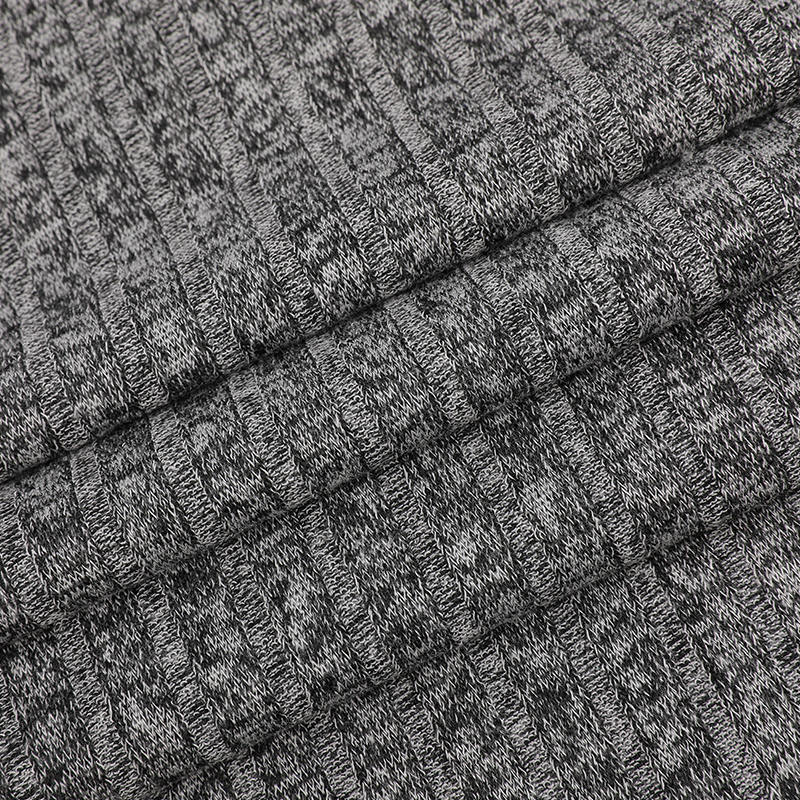 Custom Lenzing Knit Fibers Manufacturers, SuppliersTongxiang Ruicheng Knitted Co., Ltd. is China Lenzing Knit Fibers Manufacturers and Suppliers, provide Custom Lenzing Knit Fabrics made f...View Product →
Other Natural and Specialty Fibers
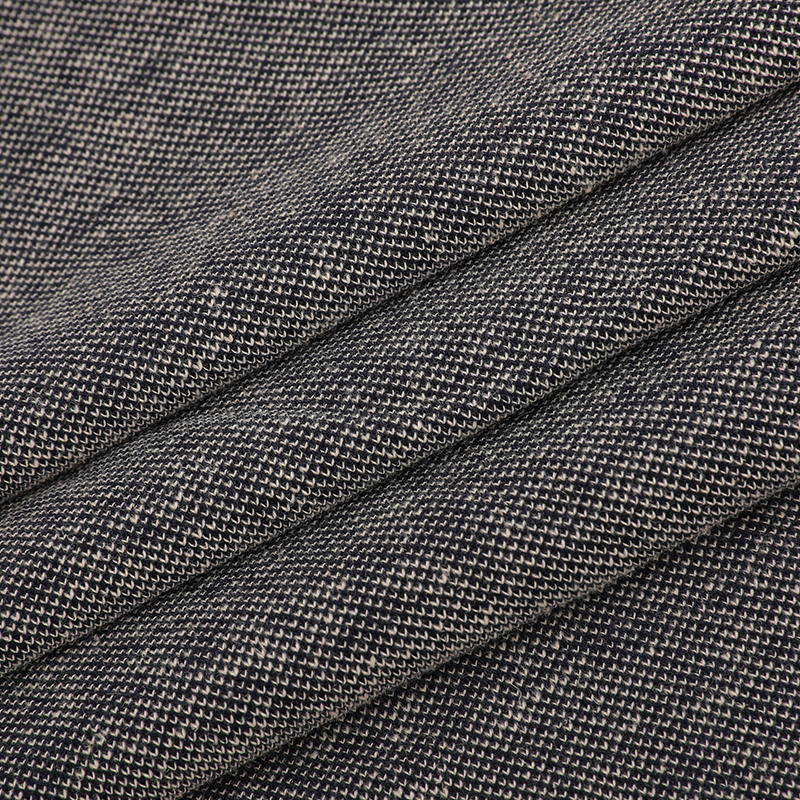
Wool brings warmth, elasticity, and odor resistance to knitwear, and fine wool is often blended with modal or cotton. Linen contributes a crisp texture and exceptional breathability; linen knits are a summer staple, often blended with Tencel or cotton to reduce wrinkles. Bamboo fiber is valued for its softness and high moisture absorption, and is commonly blended with cotton or spandex. Beyond these, biodegradable and functional fibers serve specific end uses.
Cotton Knit vs. Other Knit Fabrics - A Quick Comparison
Choosing a knit fiber is never about finding the "best" material in an absolute sense. It is about matching the fiber to the application.
| Fiber | Moisture Absorbency | Elastic Recovery | Durability | Drape | Price Position | Typical Uses |
|---|---|---|---|---|---|---|
| Cotton | High | Moderate | Good | Moderate | Low to moderate | T-shirts, underwear, casual tops |
| Polyester | Low | High | Excellent | Moderate | Low | Sportswear, uniforms, outerwear |
| Modal | High | Moderate | Moderate | Excellent | Moderate | Underwear, loungewear, fine tops |
| Tencel lyocell | High | Moderate | Moderate | Excellent | Moderate | Loungewear, dresses, premium knits |
| Linen | High | Low | Moderate | Crisp | Moderate to high | Summer tops, resort wear |
| Wool | Moderate | Good | Good | Moderate | High | Cold-weather knitwear |
| Bamboo fiber | High | Moderate | Moderate | Good | Moderate | Loungewear, underwear |
For everyday next-to-skin comfort, cotton, modal, and Tencel lead. For athletic use, polyester with spandex wins on durability and drying speed. For cold weather, wool delivers warmth without bulk. For summer, linen and Tencel offer breathability and a refined hand. A T-shirt can be made in 100% cotton, cotton-modal, or 100% polyester, and each version wears differently. The application should drive the decision.
How to Identify Whether Your Knit Fabric Is Cotton
The label is the first source of information, but labels are not always accurate. Here are the practical checks buyers use.
- Burn test. Hold a small strip with tweezers over a flame. Cotton burns steadily, smells like burning paper, and leaves fine gray ash. Polyester and other synthetics melt and form a hard bead. Do this in a ventilated area on a small sample, and remember that blends give mixed results.
- Hand and appearance. Cotton knits have a matte surface and a soft, slightly dry hand. Polyester can feel slicker; modal and Tencel feel silkier.
- Label and specification sheet. For commercial buying, confirm the fiber composition with the supplier. A credible supplier states exact percentages, for example 60% cotton and 40% polyester, on the specification sheet.
- Laboratory analysis. When volume justifies the cost, send a swatch to a testing lab for standard fiber composition analysis. This is the most reliable method, especially for blends or fiber-content claims.
What to Consider When Sourcing Knit Fabrics for Your Products
Knowing whether a knit is cotton is only the beginning. When you move from concept to production, these specifications determine whether the fabric actually works.
- Yarn count. Yarn count controls weight and hand feel. A 21s jersey is heavier and more durable; a 40s or 50s jersey is finer and lighter.
- Spandex content. Spandex denier and percentage set the stretch and recovery. A 20 denier spandex knit gives light stretch for comfort; a 40 denier knit provides firmer support for fitted styles.
- Knit structure. Match the structure to the end use. Jersey suits T-shirts and dresses; rib works for cuffs, collars, and close-fit garments; pique gives body to polos; terry and fleece suit hoodies and loungewear.
- Blend ratio. The ratio balances cost and performance. A 60/40 CVC blend is a durable workhorse; a 95/5 cotton-spandex jersey prioritizes comfort; higher polyester content favors easy care and lower cost.
- Finishing treatments. Mercerized cotton gains luster and strength; brushed finishes add softness; calendering creates a smooth, compacted surface.
- Sustainability and transparency. Look for BCI cotton, Lenzing fibers, or recycled polyester, and require traceability documents so claims can be verified.
Conclusion
To summarize: knitted fabric is not automatically cotton. Knit is a looped structure, and cotton is one of many fibers that can be knitted into that structure. The right choice depends on the garment, the season, the price point, and your brand values.
A reliable supplier translates those requirements into a concrete specification, covering yarn count, blend ratio, spandex content, structure, and finishing. If you are developing a product and need guidance on which knit fabric to choose, our team works with cotton, polyester, Lenzing fibers, wool, linen, bamboo, and specialty options, and we are happy to review your requirements.