

 English
 中文简体
中文简体 +86-13967368270
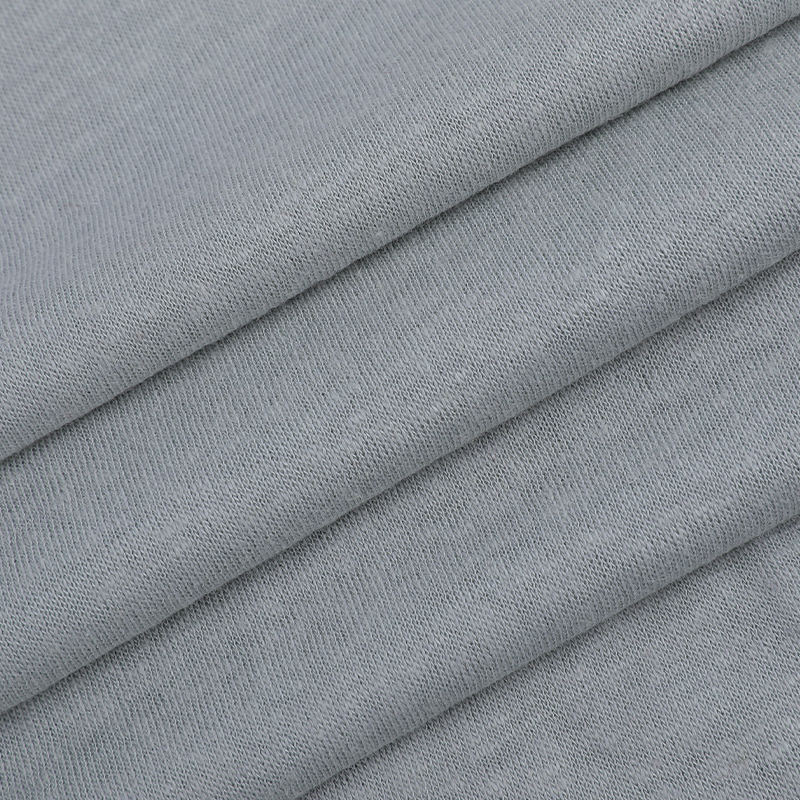
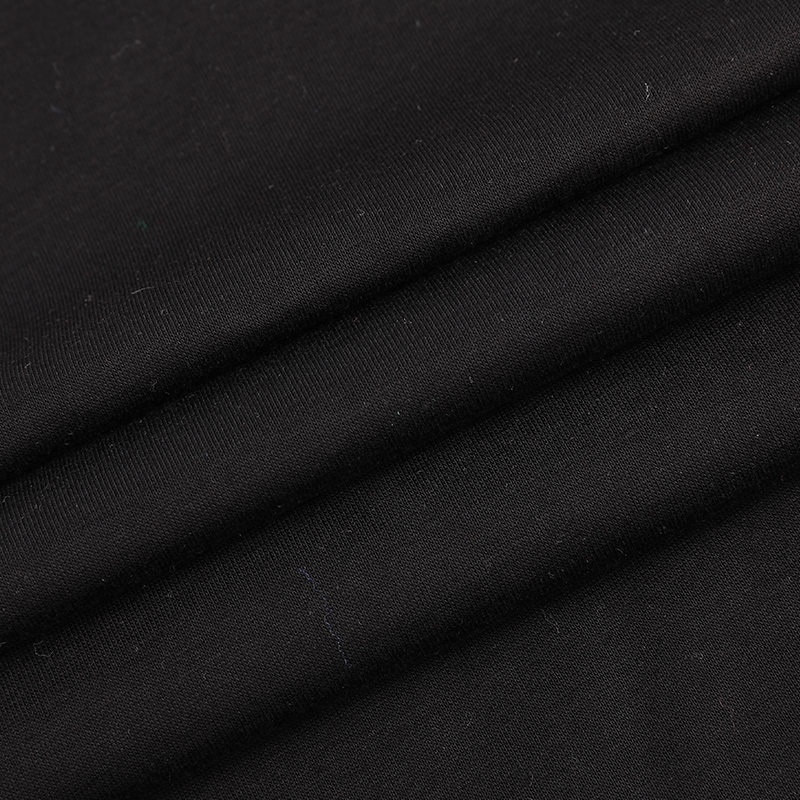
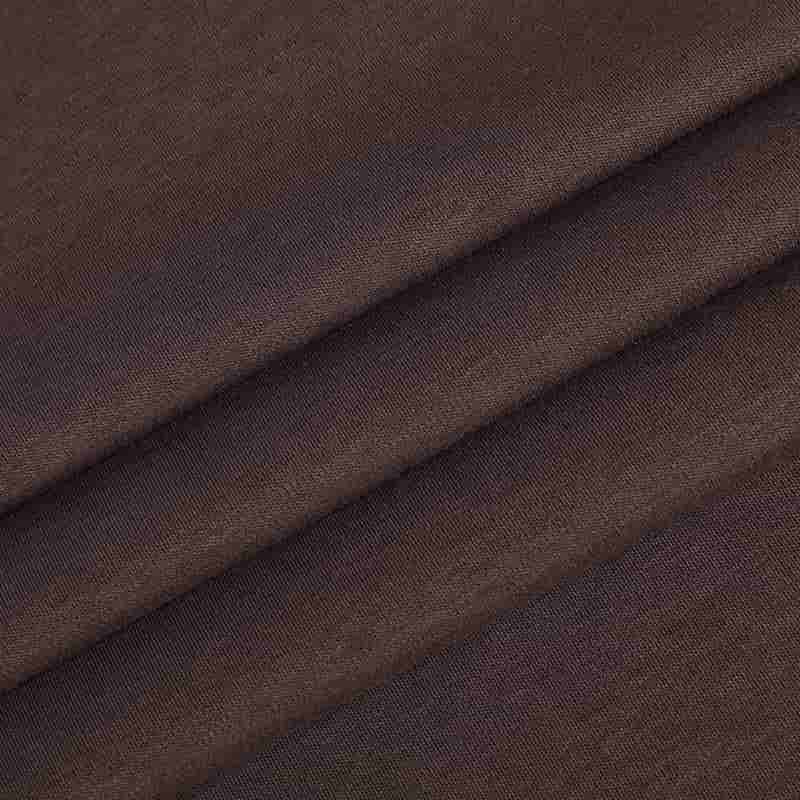
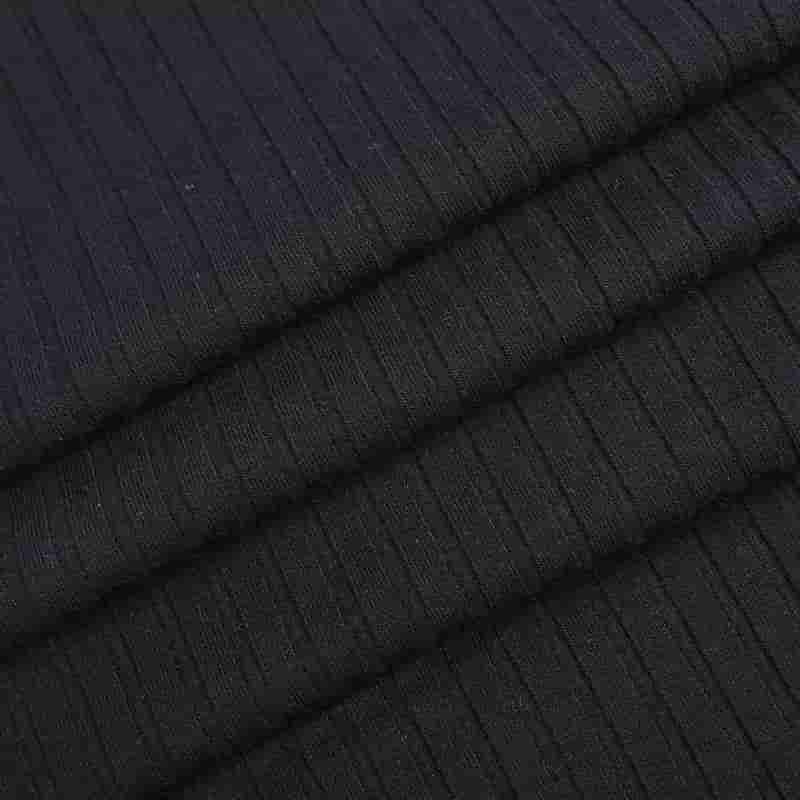
Contact Us for more details
Want to know more? Message Us Right Now!
Cotton knitwear is a fabric formed by turning cotton yarn into a series of interconnected loops, rather than crossing yarns at right angles the way woven cotton is made. That single structural difference explains almost everything people n...
Yes, 100% cotton can be a knit fabric. The word "knit" is a description of fabric construction, not a description of fiber content. Cotton is a natural fiber, and it can be spun into yarn. That yarn can be knitted into loops, or it can be ...
0.18 Thermal Resistance (m²·K/W) 100% wool knitted fabric exhibits the highest thermal resistance among common fiber types[reference:0][reference:1]. ≤15 µm Ultrafine Merino Diameter Ultrafine Merino wool fibers measure less than 15 ...
When a sourcing agent opens a fabric supplier's catalog and sees the words "cotton knit," the first question is almost always the same: is this fabric really 100% cotton, or does it contain hidden elastane or polyester? The question is fai...
Want to know more? Message Us Right Now!
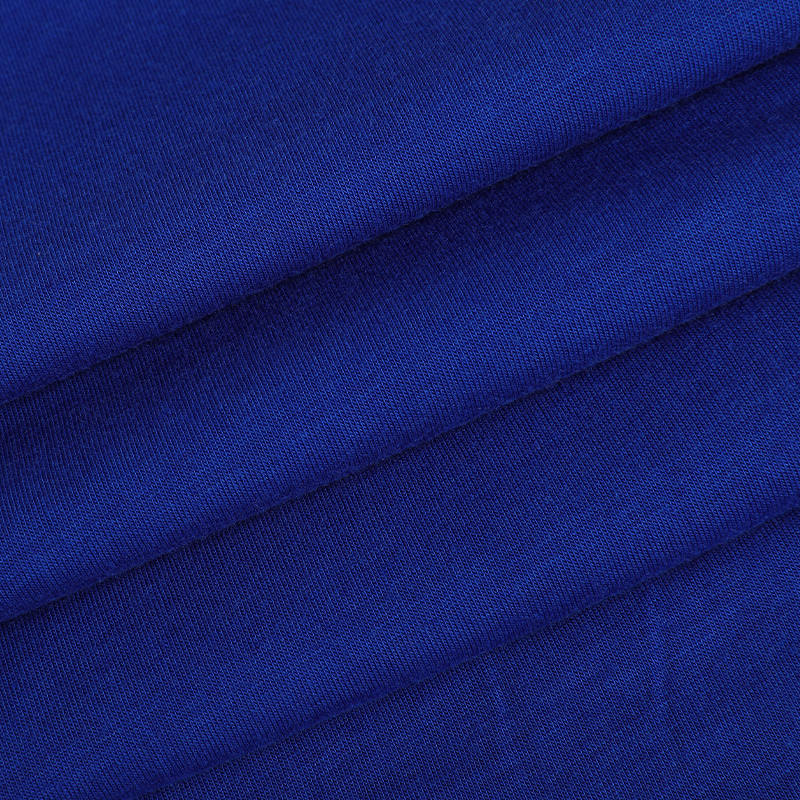
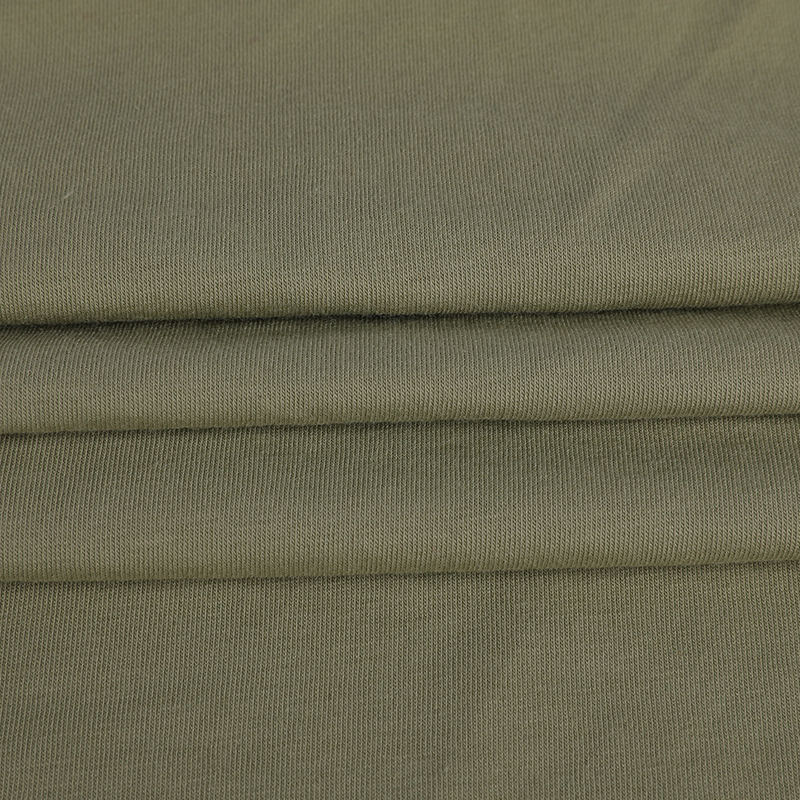
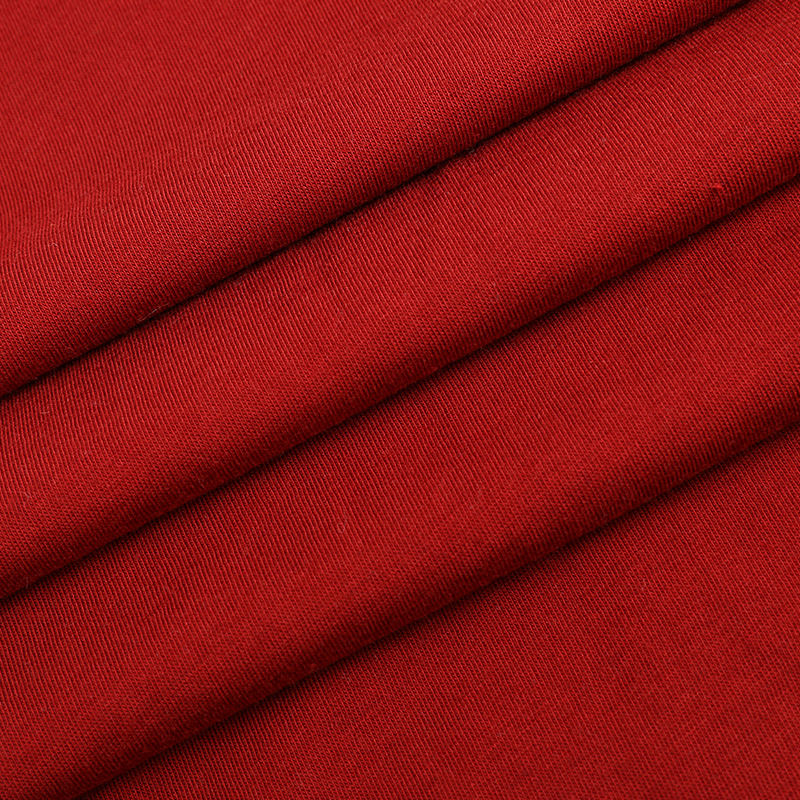
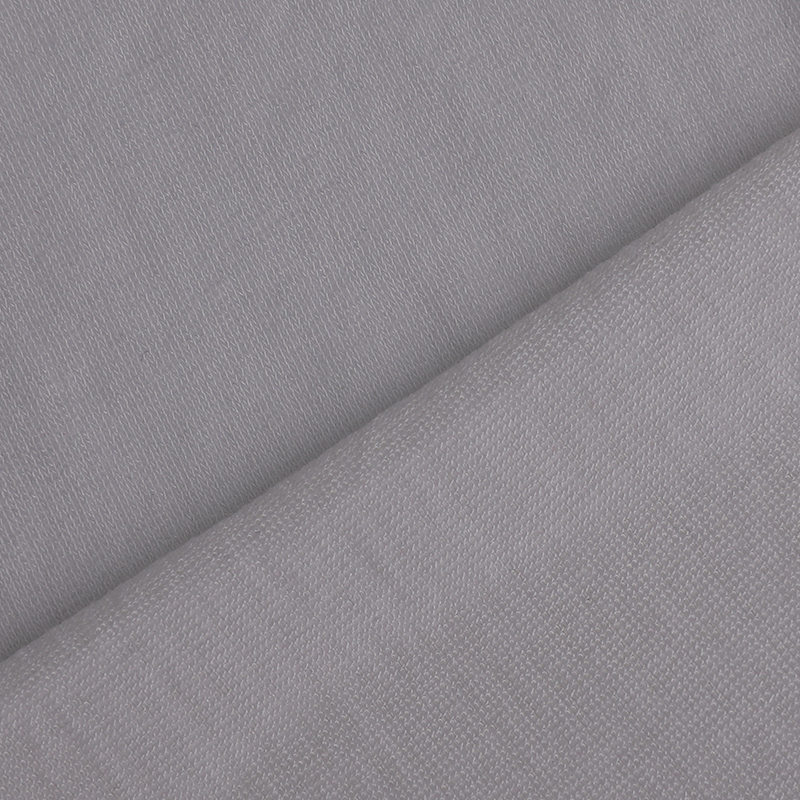
In modern textile manufacturing, finding a raw material that perfectly balances skin-friendly touch with production performance has always been the ultimate goal of the high-end knitting industry. As a globally recognized high-performance cellulosic fiber, Lenzing Knit Fibers Fabrics derive their core value from the deep integration of the natural, gentle feel of their source materials with the standardized advantages of industrial production. This fabric not only redefines traditional knitwear but has also become a key element in enhancing the comfort of modern apparel due to its superior moisture-wicking, breathability, and eco-friendly properties.
For companies pursuing high-quality finished products, selecting these fibers is more than just sourcing a fabric; it is an upgrade to the brand's value chain. Tongxiang Ruicheng Knitting Co., Ltd., with its deep accumulation in this field, stands out in this process. As a modern knitting enterprise located in the Industrial Zone of Chongfu Town, Tongxiang City, Zhejiang Province, the company leverages its superior geographical location—situated in the heart of the Hangjiahu Plain, close to transportation hubs like Shanghai and Hangzhou—to successfully combine advanced weaving technology with such high-performance fibers.
Through in-depth research and application of these fibers, Tongxiang Ruicheng Knitting Co., Ltd. has achieved precise control from raw material design to production and manufacturing, transforming these excellent fiber characteristics into competitive knitted products. For modern consumers, what these fibers offer is not just a sensory experience while wearing, but a positive identification with a sustainable lifestyle. Whether applied to daily casual wear or professional functional apparel, this fabric proves to the market that true comfort stems from a deep exploration of material essence and exquisite textile craftsmanship.
The reason these fibers stand out in the high-performance knitting field lies in their unique microscopic physical structure. Unlike common natural fibers, their surface presents extremely high smoothness and roundness. This construction imparts a silk-like, delicate, and smooth touch to the fabric. Even after multiple industrial washes, the fiber surface maintains its structural integrity, avoiding the matting phenomenon seen in traditional cotton fibers, thus effectively preventing issues like pilling and the hardening of the fabric hand-feel.
To more clearly evaluate the performance of these fibers in practical applications, we can compare their physical performance parameters with common knitting raw materials in the market:
| Physical Property Parameters | Lenzing Knit Fibers | Traditional Cotton Fiber | Synthetic Staple Fiber |
| Average Moisture Regain | Approx. 13% | Approx. 8% | < 0.5% |
| Fiber Smoothness | Extremely High (Anti-pilling) | Moderate (Prone to fuzz) | High (Prone to static) |
| Dimensional Stability | Excellent (Anti-shrinkage) | Average (Prone to shrinking) | Good (Prone to stretching) |
| Skin-friendly Touch | Cool, Delicate, Dry | Soft, Natural | Stiff/Plastic-like |
Benefiting from these superior physical parameters, Tongxiang Ruicheng Knitting Co., Ltd. can handle complex processes with greater ease when developing related knitted products. With over 50 large circular knitting machines equipped in the factory, the technical team can precisely control the tension and density during the knitting process, ensuring that every inch of fabric woven maximizes the fiber's own toughness and drape. Whether pursuing extremely lightweight single jersey or interlock structures emphasizing stability, the company achieves a dual optimization of product touch and functionality through deep deconstruction of fiber characteristics. This rigorous control of physical parameters is the key technical foundation that allows its products to be continuously exported to European, American, and Southeast Asian markets, earning wide recognition from customers.
Converting high-quality fibers into high-performance knitted fabrics is not merely a mechanical operation; it is a precise game of fiber extensibility, tension, and weaving density. Tongxiang Ruicheng Knitting Co., Ltd., with over a decade of production experience in the textile field, deeply understands the "temperament" of these fibers during weaving. Unlike traditional fibers, these high-performance fibers require finer stitch adjustments when dealing with different fabric structures to maximize their drape and luster.
To ensure that the final fabric meets international standards, the company has implemented targeted technical improvements in production. For instance, when processing single jersey and interlock fabrics, adjusting the circular knitting machine's parameters effectively alleviates excessive friction that may occur when fibers are woven at high density, thus maintaining the fabric's original silky texture. Below is the parameter optimization logic used by the company for these fibers under different knitting processes:
| Knitting Structure Type | Core Process Challenges | Optimization Focus | Terminal Application Advantages |
| Jersey/Stretch Jersey | Edge curling and tension control | Controlling yarn tension and density | Excellent drape and comfort |
| Interlock Fabric | Fabric thickness uniformity | Adjusting needle density and speed | Stiff with anti-wrinkle capability |
| Rib/Mesh Fabric | Elasticity and breathability | Optimizing needle bed gap/cycle | Superior thermal regulation/recovery |
In the workshop of Tongxiang Ruicheng Knitting Co., Ltd., more than 50 large circular knitting machines serve not only as a guarantee of production capacity but also as a test field for technical innovation. Responding to recent market demands for both functionality and comfort, the technical team has not only refined basic knitting skills but also combined these fibers with elastic or natural fibers through blending processes. For example, the newly developed small jacquard fabric successfully solved the problem of structural looseness that can occur when using a single fiber alone. It is this process innovation based on a deep understanding of materials that allows the company to provide diverse knitting solutions for global customers—from casual sportswear to high-end apparel—maintaining a leading technical advantage in international textile competition.
In today's global trade environment, sustainability is no longer just a concept but a key indicator for evaluating fabric quality and corporate responsibility. The core logic of Lenzing Knit Fibers Fabrics emphasizes the recycling of resources and low-energy production; this environmental gene plays a decisive role in promoting the green transformation of the textile industry.
Tongxiang Ruicheng Knitting Co., Ltd., as a modern manufacturing enterprise in the industry, deeply understands that sustainable production is not only an inevitable choice for responding to international environmental regulations but also an important way to enhance the company's core competitiveness. Located in the Chongfu Town Industrial Zone, the company relies on convenient geographical transportation and complete industrial supporting facilities to actively implement green manufacturing standards in its production processes. From raw material storage management to final product quality inspection, the enterprise is committed to reducing unnecessary energy loss in every process. Below is a comparison between this type of fabric and traditional textile processes in terms of environmentally friendly production:
| Environmental Evaluation Dimension | Lenzing Knit Fibers Fabrics | Traditional Cotton/Synthetic Blends |
| Raw Material Recyclability | High (Biodegradable/Recyclable) | Low (Dependent on limited resources) |
| Solvent/Water Recovery Rate | Extremely High (Closed-loop) | Low (High loss during production) |
| Life Cycle Carbon Footprint | Lower | Higher |
| Fiber Processing Residue | Extremely Low (Low chemical usage) | Complex scouring processes required |
For Tongxiang Ruicheng Knitting Co., Ltd., cooperating with raw material suppliers that possess sustainable production standards ensures that every batch of knitwear exported to European, American, and Southeast Asian markets complies with strict local supply chain guidelines. With over a decade of foreign trade experience, the company strictly controls product quality while actively communicating sustainable development concepts to customers. Through this closed-loop model of controlling quality from the source, reducing energy consumption during processing, and reflecting environmental value in the market, the company not only meets customers' demand for high-performance fabrics but also establishes long-term, mutually beneficial cooperation with global trading partners.
The charm of Lenzing Knit Fibers Fabrics lies in their high plasticity, allowing them to easily cross the boundaries of different application scenarios. In the underwear field, the skin-friendly comfort of the fabric is the primary consideration; its natural fiber structure effectively reduces skin friction and avoids allergy risks. In the sports and casual wear field, the fabric's ability to regulate body temperature and rapidly conduct moisture becomes key to enhancing athletic performance.
Tongxiang Ruicheng Knitting Co., Ltd. keenly captures these differentiated demands in market segments and applies these fibers extensively throughout its product system. With a production capacity of over 50 large circular knitting machines, the company can precisely design and adjust organizational structures according to different terminal uses. For example, in the sportswear series, the mesh and air layer fabrics developed by the company utilize the fiber's efficient moisture-wicking properties, combined with scientific weaving density, to provide excellent sweat-wicking functionality while maintaining a lightweight feel.
To intuitively demonstrate its application performance in different market segments, the following table summarizes the core design indicators of the company in developing these fabrics:
| Segment Application | Core Performance Needs | Recommended Fabric Structure | Performance Optimization Indicators |
| Underwear | Ultimate softness, skin-friendly/breathable | Single Jersey/Rib | Fiber fineness micron-level control |
| Casual Sportswear | Moisture-wicking, anti-wrinkle/stiff | Interlock/Stretch Jersey | Sweat-wicking efficiency up 20% |
| Loungewear | Warm drape, wash-shape retention | Small Jacquard/Fleece | Shrinkage rate < 3% |
It is this customized development capability tailored to different wearing scenarios that makes the fabric products of Tongxiang Ruicheng Knitting Co., Ltd. highly popular in European, American, and Southeast Asian markets. Whether customers require extremely fine knitwear for underwear or durable, elastic fabrics for sports series, the craftsmanship experience accumulated over more than a decade and the rich business channels of the company ensure that every batch of finished products meets market functional requirements while achieving an excellent wearing experience. This precise response to segment demands has become the cornerstone for the company to establish solid business relationships with global partners.
Selecting a piece of high-quality knitted clothing is essentially a trade-off between quality and lifestyle for the consumer. There are many knitwear products on the market, but knowing how to identify fabrics made from high-quality fibers often determines the actual wearing experience and the product's lifespan. Tongxiang Ruicheng Knitting Co., Ltd. has found through long-term production practice that high-quality knitted fabrics have distinctive traits in sensory feedback and physical form. For end-consumers, learning to identify these characteristics not only helps avoid pitfalls of low-quality products but also allows for better utilization of the fabric's performance.
When judging fabric quality, besides visual luster, tactile feedback is critical. Truly high-quality fabrics made from these fibers feel noticeably cool and smooth to the touch, with a delicate surface free of messy fuzz. Additionally, high-standard knitting processes usually involve rigorous shrinkage and elastic recovery tests on finished products. To help consumers judge more intuitively, we have organized the following comparative reference; these indicators are also key focus areas in the daily quality inspections of Tongxiang Ruicheng Knitting Co., Ltd.:
| Evaluation Dimension | Characteristics of High-Quality Knitwear | Performance of Low-Quality Knitwear |
| Visual Luster | Natural, soft, and uniform | Overly harsh or dull/lackluster |
| Tactile Rebound | Recovers instantly after stretching | Loose, deformed, slow recovery |
| Fabric Texture | Clear structure, uniform density | Messy lines, uneven distribution |
| Post-wash Form | Minimal shrinkage (< 3%) | Prone to shrinking, twisting, unevenness |
Regarding care, because these fibers possess good flexibility, daily care is not complicated but still requires scientific methods to extend their lifespan. Tongxiang Ruicheng Knitting Co., Ltd. suggests using gentle washing programs, avoiding strong alkaline bleaching agents, which helps protect the fiber's original microscopic structure, thereby maintaining its unique skin-friendly touch and color brightness. If conditions allow, flat drying is the best choice, which effectively prevents structural stretching caused by gravity. Through this meticulous daily care, even with high-intensity daily wear, this fabric can maintain excellent appearance and function for a long time, reflecting its true value as a high-quality knitting material.
For consumers and industry buyers, deeply understanding the application logic of these fibers can effectively improve the efficiency of product development and procurement. Many people, when faced with diverse knitted products, often have questions about the stability of fiber characteristics and final finished products. Tongxiang Ruicheng Knitting Co., Ltd., with its professional background in knitting product development and foreign trade exports accumulated over many years, has summarized a series of frequently asked questions during communication with international clients, aiming to provide a reference for professional personnel both inside and outside the industry.
| Question Category | Core Point of Confusion | Key Technical Analysis |
| Anti-pilling Performance | Is this fabric prone to pilling? | Fiber surface smoothness is high, friction coefficient is far lower than cotton; pilling tendency is extremely low. |
| Skin Sensitivity | Is it suitable for sensitive skin? | Physical structure is round, with few chemical treatments during processing; no prickling sensation. |
| Wash Stability | Does it harden or shrink after washing? | As long as process tension is controlled properly, dimensional stability is excellent; not prone to shrinking. |
| Advantage over Cotton | Why is it drier than pure cotton? | The moisture-wicking groove structure inside the fiber is more efficient, evaporating moisture rapidly. |
Answer: In terms of performance parameters, this fabric outperforms traditional pure cotton in moisture-wicking, breathability, and dimensional stability after washing. Especially for enterprises producing sportswear or high-end loungewear, choosing this fabric can significantly reduce post-sale complaints. Tongxiang Ruicheng Knitting Co., Ltd. has found during production that by adjusting the circular knitting machine density, this fiber fabric can achieve drape and anti-wrinkle performance that traditional cotton cannot match.
Answer: High-quality fabric should have a noticeable "cool" feel and smoothness, with clear patterns. If the fabric surface looks relatively rough, or it is difficult to quickly restore flatness after stretching, it indicates flaws in the weaving process or fiber tension control. As a professional manufacturer with deep accumulation in this field, Tongxiang Ruicheng Knitting Co., Ltd. suggests that buyers focus on the elastic recovery rate after multiple stretches when evaluating fabrics.
Answer: Although the fiber itself is excellent, it must be converted into fabric through precise weaving processes. Enterprises like Tongxiang Ruicheng Knitting Co., Ltd., which possess over 50 large circular knitting machines, can allow the functionality of the fiber to be released to the greatest extent through parameterized management of different structural organizations (such as mesh, rib, air layer), rather than simple stacking of density.
Answer: With the increasing market demand for functionality and sustainability, these fibers are gradually penetrating into more niche segments. From simple knitwear to high-performance sports underwear and tech-inspired fabrics, their application scenarios are constantly expanding. While developing new fabrics such as cotton-cashmere and pearl fleece, the company is also constantly exploring the possibility of blending these fibers with other materials to meet the diversified functional needs of the European, American, and Southeast Asian markets.
ALL RIGHTS RESERVED:Tongxiang Ruicheng Knitting Co., Ltd.
 Custom Lenzing Knit Fabrics Manufacturers

 CONTACT US