

 English
 中文简体
中文简体 +86-13967368270
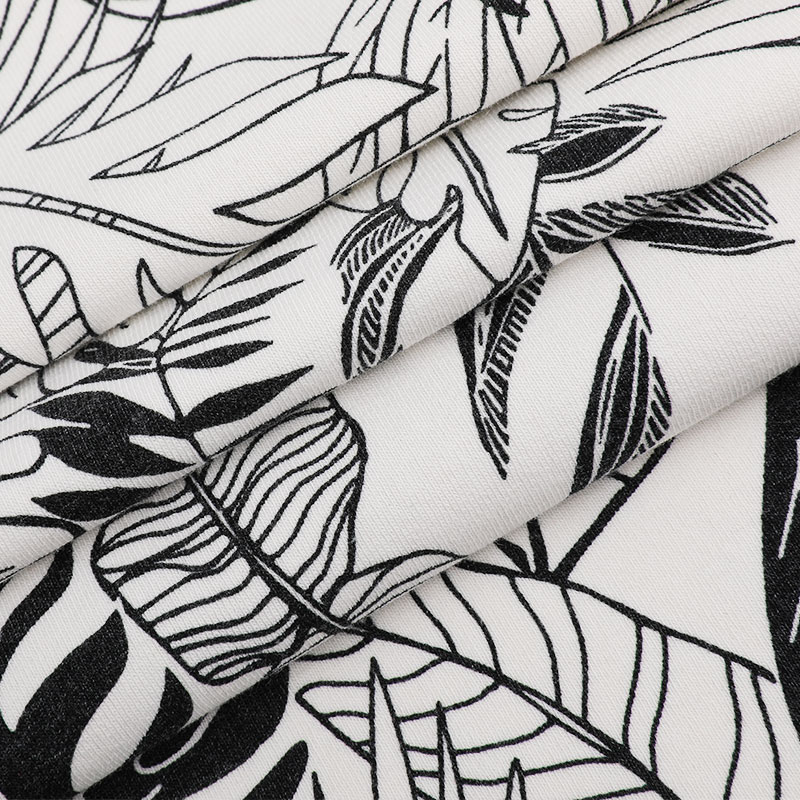
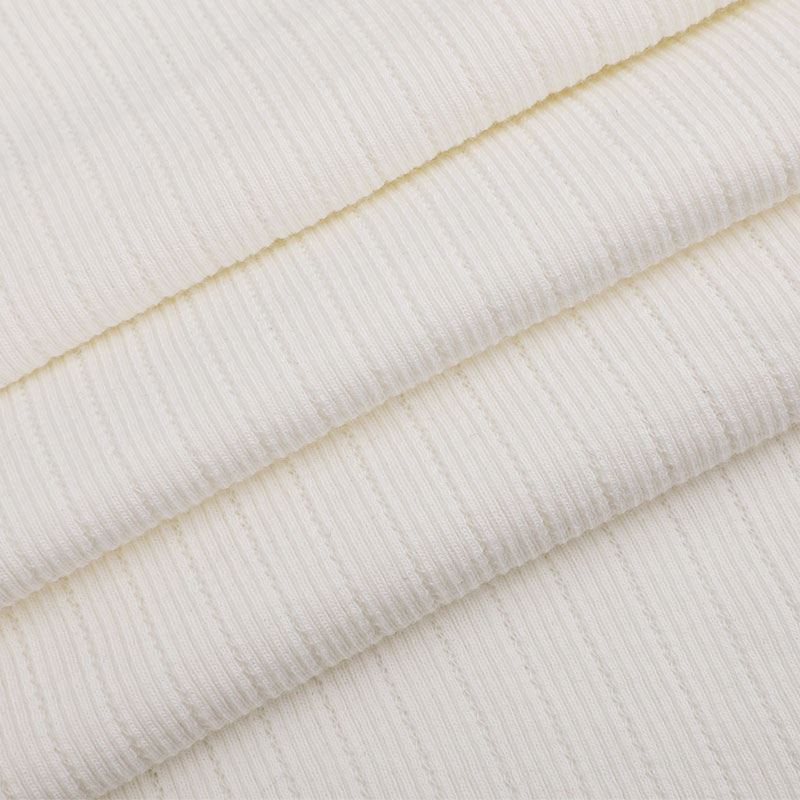
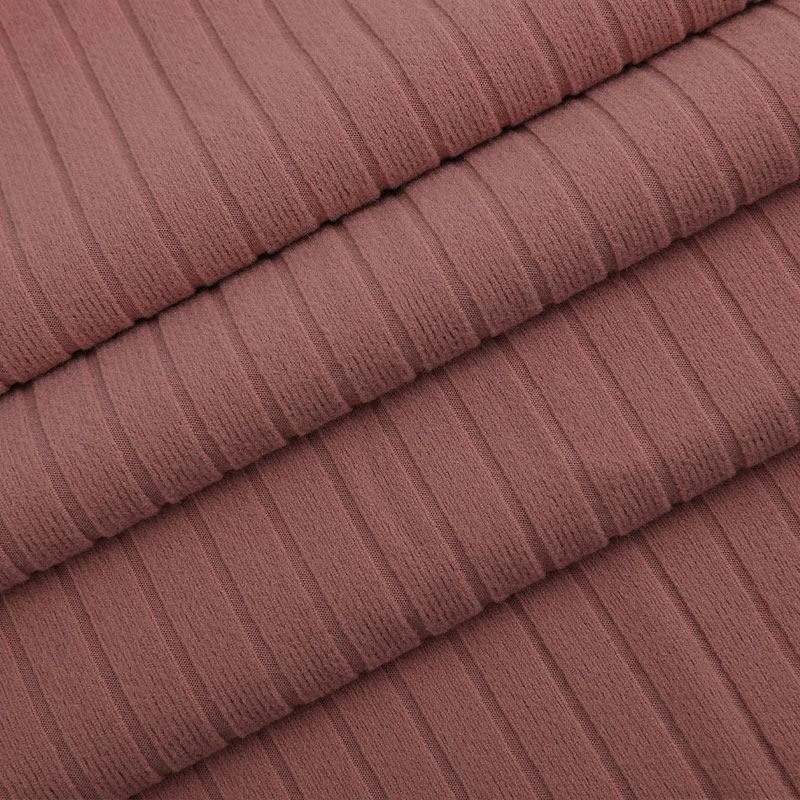
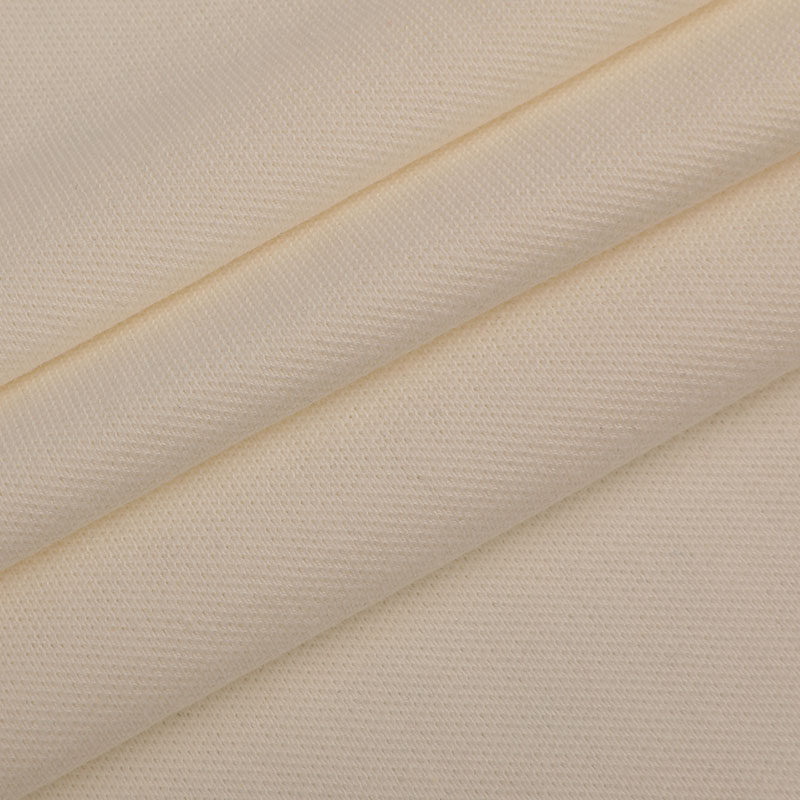
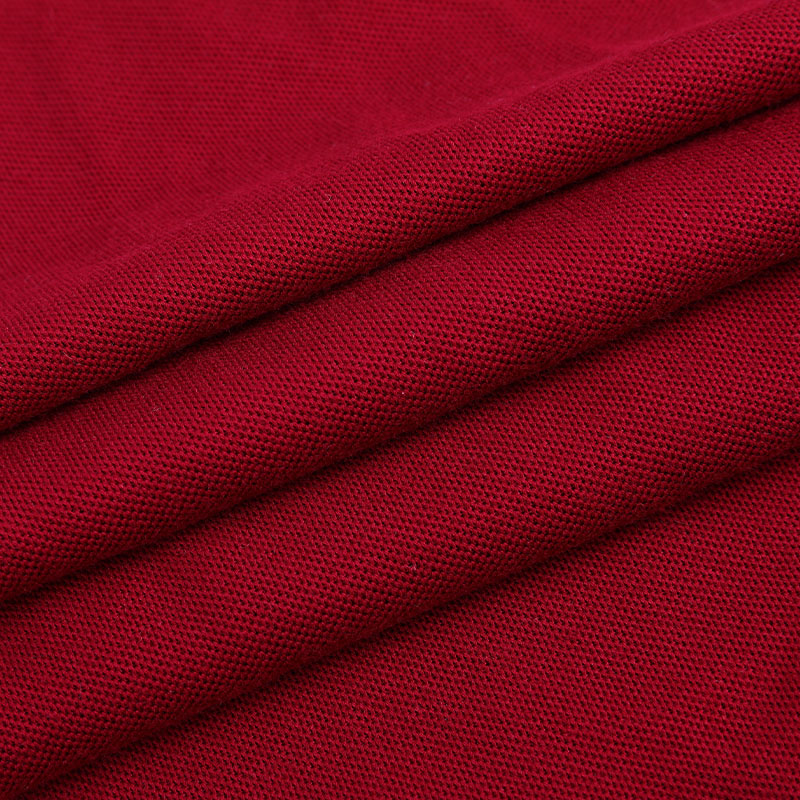
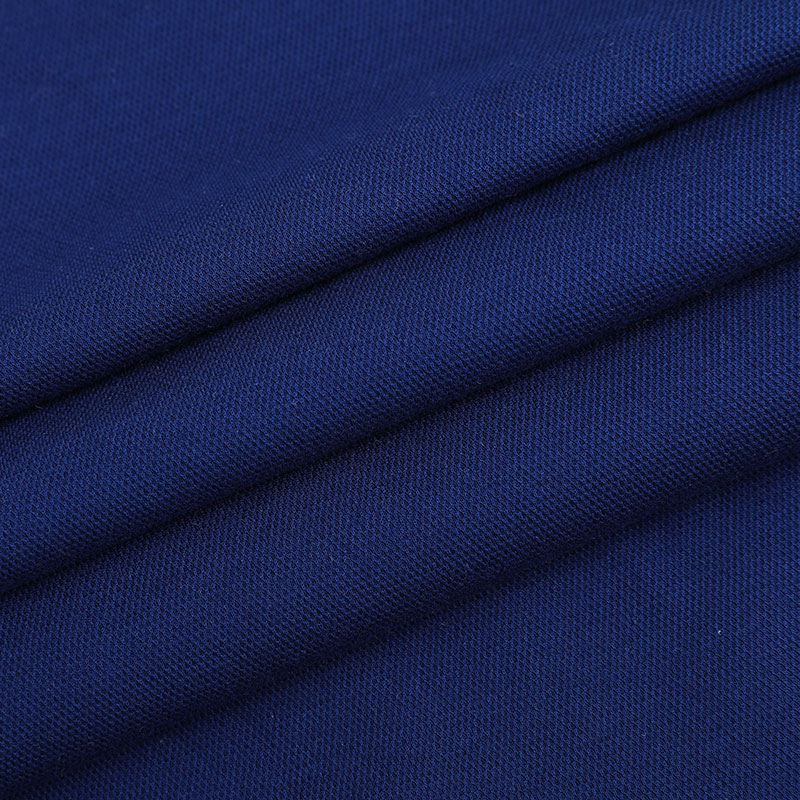
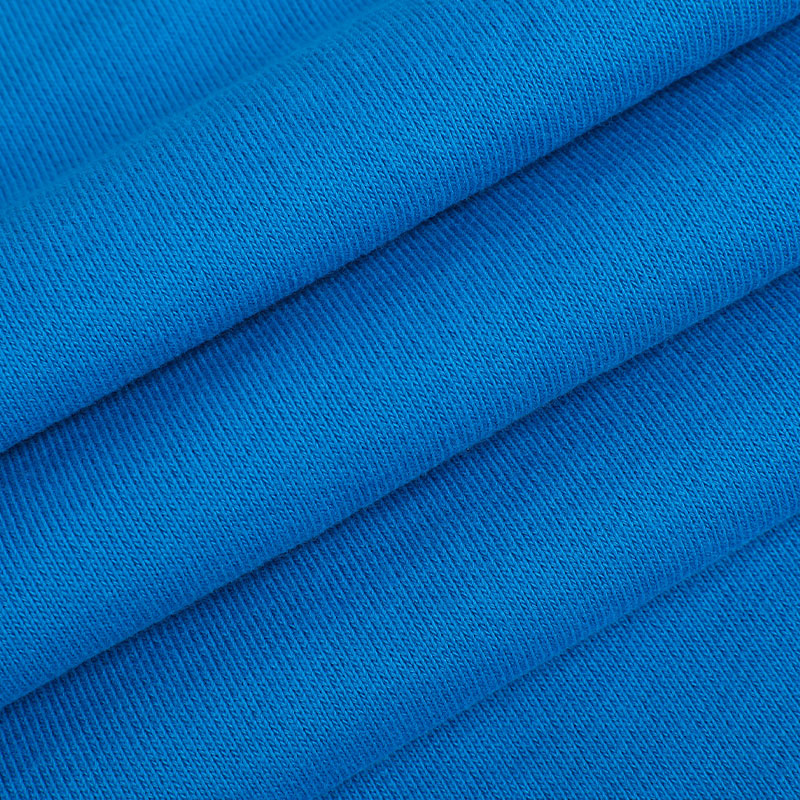
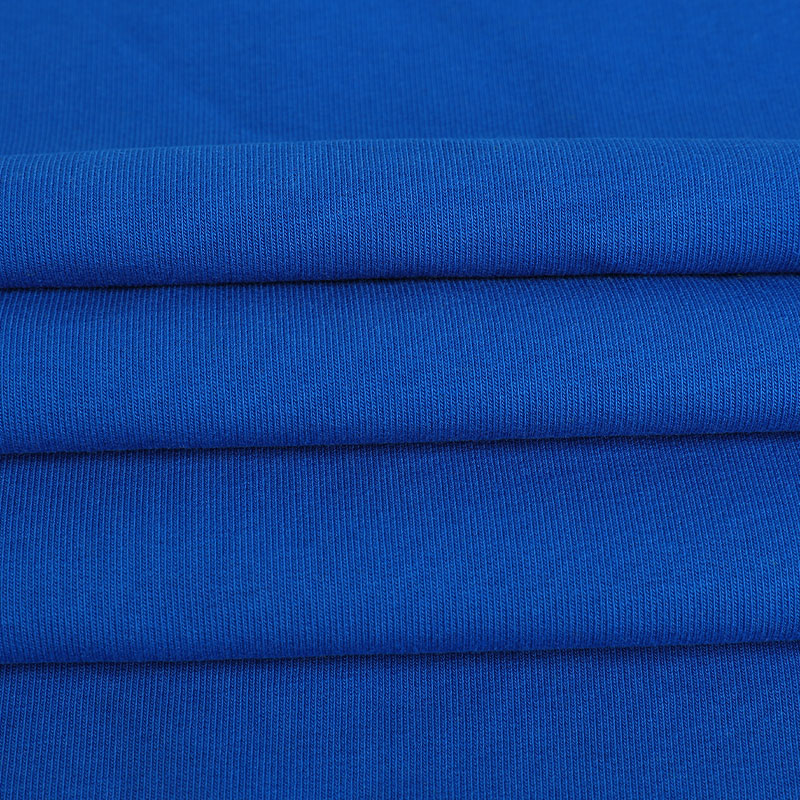
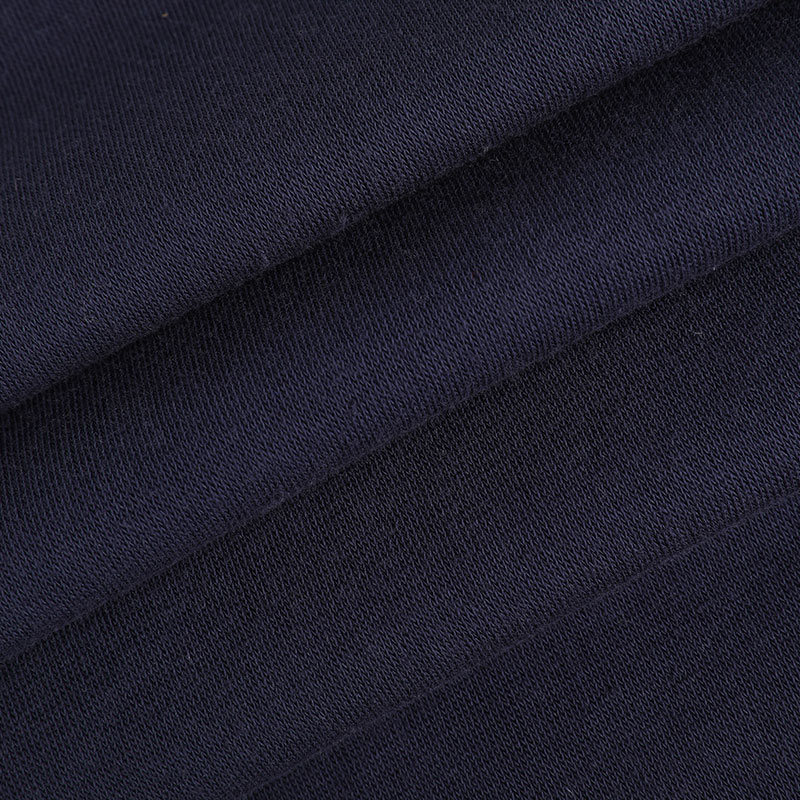
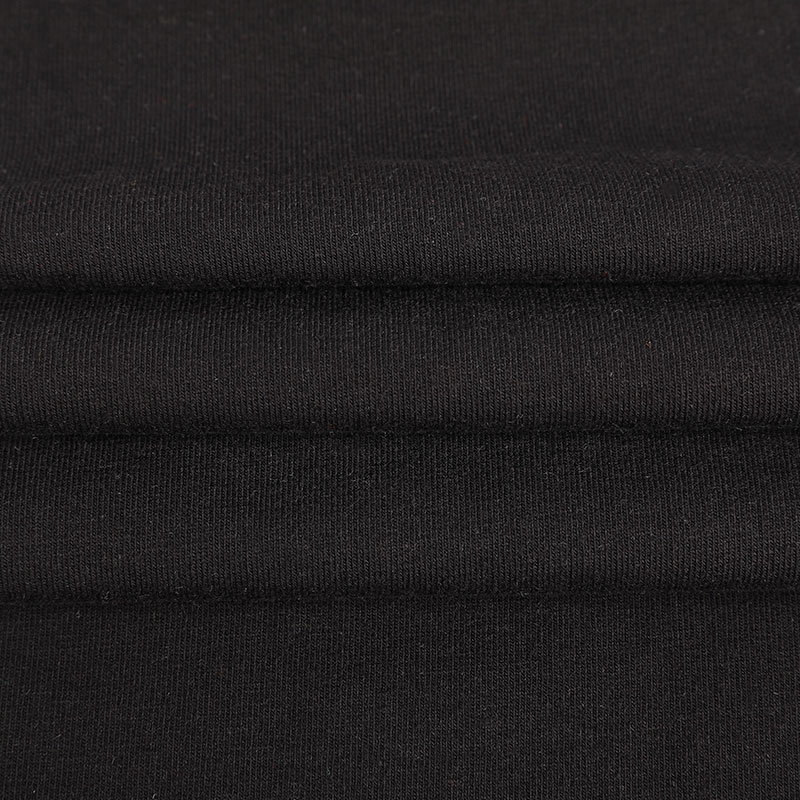
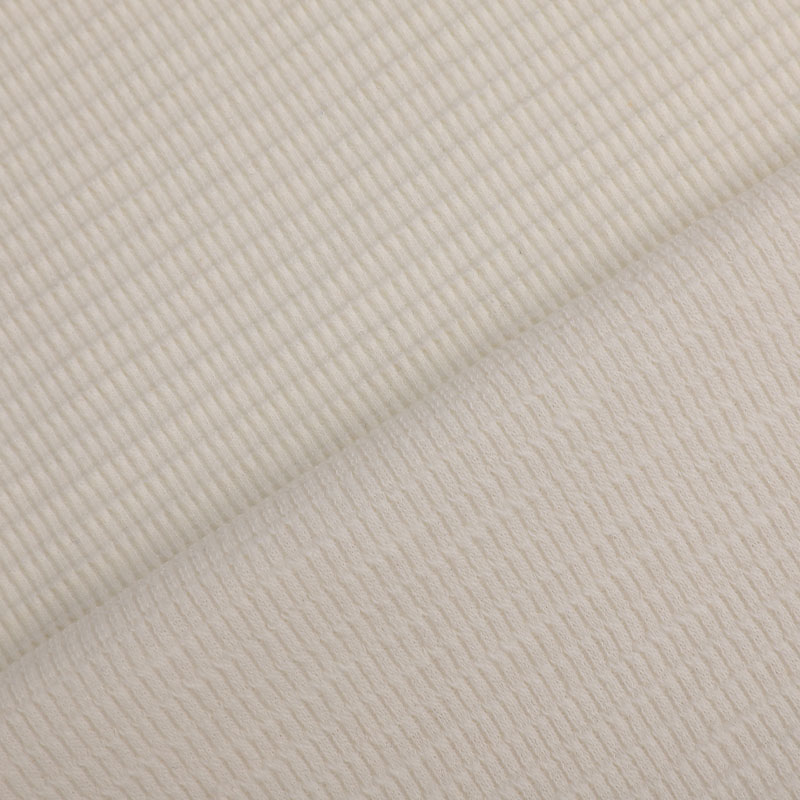
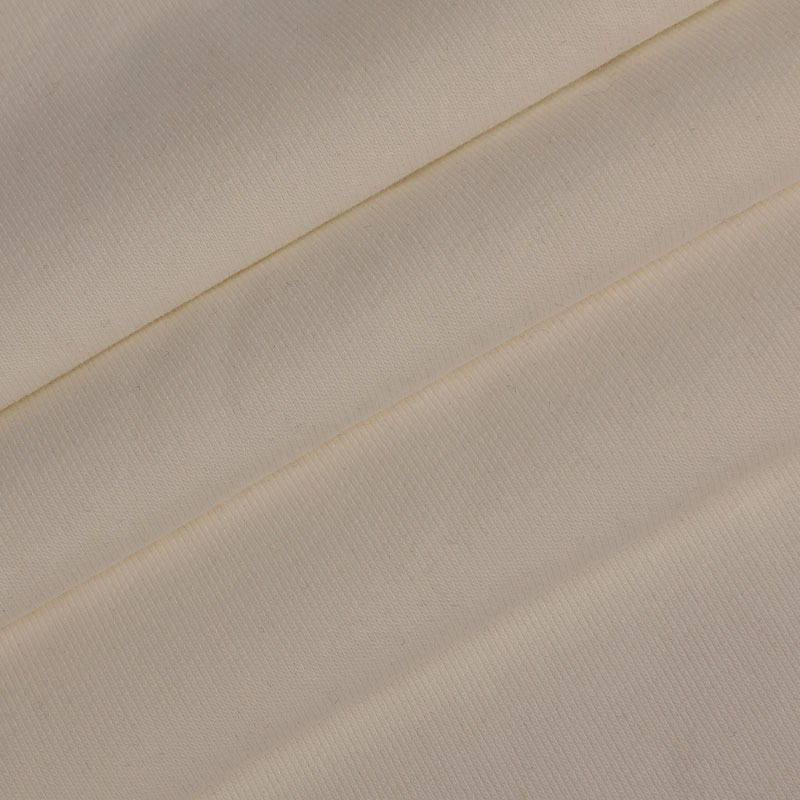
Contact Us for more details
Want to know more? Message Us Right Now!
Yes, 100% cotton can be a knit fabric. The word "knit" is a description of fabric construction, not a description of fiber content. Cotton is a natural fiber, and it can be spun into yarn. That yarn can be knitted into loops, or it can be ...
0.18 Thermal Resistance (m²·K/W) 100% wool knitted fabric exhibits the highest thermal resistance among common fiber types[reference:0][reference:1]. ≤15 µm Ultrafine Merino Diameter Ultrafine Merino wool fibers measure less than 15 ...
When a sourcing agent opens a fabric supplier's catalog and sees the words "cotton knit," the first question is almost always the same: is this fabric really 100% cotton, or does it contain hidden elastane or polyester? The question is fai...
You do not need a serger, a special machine, or years of practice to learn how to sew cotton knit fabric. You need to understand what you are working with. Cotton knit is built from loops, not woven threads, so it stretches, curls at the ed...
Want to know more? Message Us Right Now!
The core appeal of Cotton Knit Fabrics lies in their unique loop structure. Unlike the tight, crossing methods of woven fabrics, knit fabrics are formed by interlocking loops of yarn. This physical structure grants the fabric natural extensibility, breathability, and superior softness. In this field, the quality of the fabric depends directly on the selection of raw materials and the precision of the spinning process. For instance, using high-quality long-staple cotton fibers for spinning significantly reduces surface hairiness, ensuring the fabric maintains a delicate hand-feel even after multiple washes.
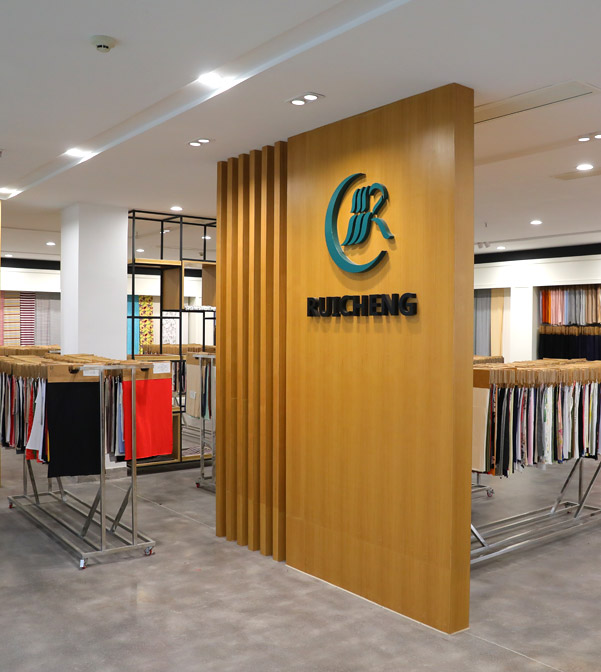
The rigor of the production process is the cornerstone of determining the final performance of Cotton Knit Fabrics. Located in the Chongfu Town Industrial Zone of Tongxiang, Zhejiang, Tongxiang Ruicheng Knitting Co., Ltd. has achieved highly refined management from yarn selection to knitting by introducing advanced production equipment. The company owns over 50 large circular knitting machines. This professional equipment can precisely control the size and density of every loop based on preset tension requirements. Whether it is plain, double-knit, or jacquard structures, precise tuning of machine parameters ensures the fabric has uniform thickness and clear textures.
To help you better understand the parameter differences in the production of various Cotton Knit Fabrics, the table below organizes common specifications, which directly impact the fabric's GSM (grams per square meter) and final application:
| Fabric Type | Structural Characteristics | Typical GSM | Main Applications |
| Lightweight Jersey | Single-knit, high breathability | 120g - 160g | Summer T-shirts, underwear |
| Medium Interlock | Consistent sides, thick feel | 180g - 240g | Casual long sleeves, Polo shirts |
| Terry/Sweatshirt Cloth | Smooth front, looped back | 260g - 350g | Sportswear, casual pants |
| Rib Fabric | Raised lines, high elasticity | 200g - 300g | Collars, cuffs, slim-fit clothing |
During the knitting process, the fiber arrangement density and yarn twist are key factors determining fabric performance. With over ten years of production experience, Tongxiang Ruicheng Knitting Co., Ltd. understands the impact of different fiber ratios on the finished product. By scientifically blending cotton fibers with elastic fibers like spandex, the fabric retains the skin-friendly properties of natural cotton while solving the issue of pure cotton fabrics becoming loose after long-term wear. This strict control over production details ensures that the fabric possesses both comfort and excellent dimensional stability and durability.
This dedication to craft is not limited to basic styles but extends to the research and development of new materials. From ordinary 100% cotton to high-tech PPT memory fiber fabrics, the company leverages both design and production capabilities. By continuously optimizing the knitting parameters of the circular knitting machines, they ensure perfect fabric results even for complex jacquard or mesh structures. This commitment to technology ensures that every batch of Cotton Knit Fabrics from Tongxiang Ruicheng Knitting Co., Ltd. meets international market demands for high-quality textiles.
There is a wide variety of Cotton Knit Fabrics on the market, and different knitting structures determine the fabric's physical touch, drape, and warmth. For manufacturing enterprises, understanding these differences is core to ensuring that products meet the needs of various clothing categories.
For example, Single Jersey is the most familiar type. This fabric usually adopts single-needle bed knitting, featuring a compact and lightweight structure with excellent breathability, making it very suitable for close-to-skin wear. In more complex double-knit structures, such as Interlock or Roma (Ponte) fabric, the use of double-needle beds makes the front and back textures consistent, possessing better crispness than jersey. On the production lines of Tongxiang Ruicheng Knitting Co., Ltd., these diverse knitting structures are fully reflected. The company utilizes its fleet of over 50 large circular knitting machines to flexibly switch knitting programs, producing various specifications including single jersey, Roma fabric, and air layer fabric to respond to the ever-changing international market demand.
To help you intuitively distinguish the functional differences of different fabric types, the following is a reference for several core knitting structures:
| Fabric Type | Structural Principle | Elasticity Performance | Features and Advantages |
| Single Jersey | Single-needle bed, distinct front/back | Low-Medium | Lightweight, moisture-wicking, very soft hand-feel |
| Roma Fabric | Double-knit, tight texture | Medium | Stable structure, resistant to deformation, good body |
| Air Layer | Middle-layer yarn structure | Medium-High | Strong 3D effect, good warmth, suitable for crisp fits |
| Jacquard Fabric | Variations in knitting patterns | Low | Rich patterns, design-oriented, aesthetic and practical |
Beyond traditional structural design, market demand for functional knit fabrics is increasing year by year. Tongxiang Ruicheng Knitting Co., Ltd. has invested significant R&D efforts in this area, capable of handling not only conventional 100% cotton and polyester-cotton blends but also developing various new composite fabrics in recent years. For example, targeting the high-end leisure and sportswear markets, the company has introduced cotton-cashmere, cotton-wool blends, and memory knit fabrics made with PPT fibers. These new Cotton Knit Fabrics not only overcome the shortcomings of traditional cotton in warmth but also offer diverse styles like waffle and mesh through improved fiber characteristics.
When producing these complex fabrics, control over yarn and machine tension is crucial. As an enterprise with over ten years of experience, Tongxiang Ruicheng Knitting Co., Ltd. maintains strict requirements for raw material quality when handling these new processes. Whether producing traditional pure cotton or innovative materials like pearl fleece, the company is committed to enhancing the overall performance of the fabric through innovative knitting processes while maintaining the properties of natural fibers, ensuring they can be exported to European, American, Southeast Asian, and other international markets.
The application range of Cotton Knit Fabrics extends far beyond the T-shirts we wear daily. Due to their natural extensibility and excellent temperature control, these fabrics have become the "universal cornerstone" in modern apparel and home textiles. In the clothing sector, the comfort of cotton knit fabric is an important indicator for evaluating whether a garment has "capsule wardrobe" potential. Whether it is lightweight jersey used for summer intimate apparel or thick fleece or air layer structures used for autumn/winter outerwear, Cotton Knit Fabrics can provide the right amount of wrap and breathability through different organizational structures.
For occasions requiring high-intensity exercise, pure cotton fibers sometimes fail to meet the needs for moisture-wicking and quick-drying. Therefore, combining Cotton Knit Fabrics with elastic fibers has become an industry standard. Tongxiang Ruicheng Knitting Co., Ltd. possesses profound production expertise in this area. Relying on their professional accumulation in knitting craft, the company can precisely control the ratio of cotton to spandex, producing knitwear that has both the skin-friendly texture of cotton and high elasticity. These products are widely used in various leisure and sports series, ensuring that the wearer remains comfortable and free during vigorous movement.
In the more segmented home and infant care sectors, the status of cotton knit fabric is even more unshakable. Infants' skin is sensitive and delicate, requiring fabrics with high safety standards and breathability. At the same time, high-quality Cotton Knit Fabrics perform excellently in home goods. To help users intuitively understand the selection logic for different application scenarios, the following is a comparison of common application scenarios and their corresponding knitting technology requirements:
| Application Field | Core Focus | Recommended Fabric Structure | Technical Parameter Points |
| Infant Clothing | Hypoallergenic, softness | Jersey, Rib | Use long-staple cotton, ensure low hairiness |
| High-end Sportswear | Elasticity, wicking | Spandex jersey, Mesh | Strictly control spandex ratio (3%-8%) |
| Casual Loungewear | Skin-friendly, drape | Interlock, French Terry | Ensure GSM between 200g-300g |
| Bedding/Sleepwear | Breathability, thermal control | 100% pure cotton jersey | Pursue high-count yarns for finer feel |
Behind these applications, supply chain stability and technical support are crucial. Tongxiang Ruicheng Knitting Co., Ltd. is located in the Chongfu Town Industrial Zone, in the heart of the Hangjiahu Plain, providing excellent logistics and trade convenience. Close to core cities like Shanghai and Hangzhou, the company can quickly respond to global customer needs for seasonal fabrics. Whether providing high-performance mesh knit fabrics for sports brands or customizing skin-friendly pure cotton knit cloth for home brands, Tongxiang Ruicheng Knitting Co., Ltd. relies on its team of over 100 experienced employees and mature production line layout to ensure specification uniformity and delivery stability.
With the improvement of living quality, market requirements for fabrics go beyond comfort to include aesthetic textures. From waffle fabrics developed in recent years to various jacquard structures, Cotton Knit Fabrics are integrating into modern life in more diverse ways. Tongxiang Ruicheng Knitting Co., Ltd. consistently follows industry trends, using its ten-plus years of production accumulation to continuously optimize its product line. For this enterprise, satisfying the differentiated needs of customers in various market segments—from leisure wear to professional sports—is the core engine of its business growth and the cornerstone for building long-term relationships with customers worldwide.
When evaluating Cotton Knit Fabrics, we need to objectively break them down from the dimensions of physical performance and actual service life. The biological properties of natural cotton fibers determine their unparalleled skin-friendliness and breathability, while also bringing some technical challenges that are unavoidable in industrial production and daily care.
The most prominent characteristic of cotton knit fabric is its natural moisture absorption and anti-static properties. Since cotton fiber molecules contain a large amount of hydroxyl groups, the fabric quickly absorbs sweat and stays dry when in contact with the skin—a comfort experience difficult to fully replicate with synthetic materials. Furthermore, through the fine knitting process of Tongxiang Ruicheng Knitting Co., Ltd., we can adjust the tightness of the loops to provide better breathable pore sizes while maintaining the properties of natural fibers, thereby adapting to various climatic environments.
Although Cotton Knit Fabrics perform excellently, shrinkage, pilling, and shape retention have always been industry concerns. In the production practice of Tongxiang Ruicheng Knitting Co., Ltd., these issues are usually resolved through scientific process pre-treatment:
| Common Problem | Cause Analysis | Industrial Response Strategy |
| Shrinkage | Physical expansion and relaxation of cotton fiber when wet | Pre-shrunk treatment; control shrinkage via tenter framing |
| Pilling | Wear and entanglement of short fibers on the yarn surface | Use long-staple cotton; combined with singeing to remove surface hairiness |
| Shape Retention | Knit structure susceptible to deformation under external force | Scientific ratio of elastic fibers (e.g., spandex); optimize loop density balance |
To meet the increasingly strict requirements for high-quality fabrics, Tongxiang Ruicheng Knitting Co., Ltd. has infused ten years of technical accumulation into its production processes. For example, when faced with the problem of pure cotton fabrics easily becoming loose, the enterprise does not rely solely on traditional pure cotton knitting but actively develops new composite materials. By scientifically blending cotton with a small amount of functional fibers (such as PPT memory fiber), they significantly improve the fabric's anti-wrinkle and resilience performance without sacrificing its natural feel.
This profound understanding of material logic stems from the manufacturing experience the enterprise has cultivated for years in the Chongfu Town Industrial Zone. Tongxiang Ruicheng Knitting Co., Ltd. does not just knit cotton yarn into cloth; it balances comfort and durability. Through precise control of machine tension and optimization of fabric structure, the company produces various single, double, and special structural fabrics that can effectively reduce the "depreciation" feel in late-stage wear. Whether in the domestic market or exporting to Europe, the United States, and Southeast Asia, this attitude of striving for excellence in product parameters ensures that customers obtain quality fabrics with both the advantages of natural fibers and industrial stability.
Through continuous technical iteration, the enterprise is gradually breaking through the limitations of traditional Cotton Knit Fabrics, incorporating more functional needs into designs. This is not just simple production and trade; it is a customized solution provided by Tongxiang Ruicheng Knitting Co., Ltd. based on their mastery of textile processes, aiming to make every inch of fabric stand the test of time.
Selecting high-quality Cotton Knit Fabrics is essentially a game of "parameters and touch." For B2B procurement or professional clothing manufacturers, naked-eye observation is often insufficient; we need to evaluate them from dimensions such as GSM, yarn density, and finishing processes.
First, GSM is the core parameter for judging the fabric's seasonal adaptability and intended use. Fabrics with too low GSM are lightweight and breathable but may lack durability, while those too high can appear bulky. In the actual production of Tongxiang Ruicheng Knitting Co., Ltd., engineers accurately adjust the yarn feeding tension and density parameters of circular knitting machines according to customer needs. For example, for lightweight summer jersey, GSM is usually set between 120g and 160g, while for sweatshirts or casual jackets requiring a crisp fit, double-knit or air layer structures with GSM above 260g are selected.
To help you select scientifically, the table below compares key indicators corresponding to different fabric specifications, which are also standard for evaluating fabric stability:
| Selection Dimension | Key Indicator Parameter | High-Quality Fabric Performance |
| Fabric GSM | Grams per square meter | Data stability, error controlled within ±5% |
| Yarn Count | Ne | Higher count means finer yarn, more delicate feel |
| Elastic Recovery | Elongation (%) | Rapid recovery after stretching, no loose feel |
| Shrinkage Control | Shrinkage Rate | Dimensional change less than 3% after wash testing |
During the evaluation process, hand-feel testing cannot be ignored. Quality Cotton Knit Fabrics should have a distinct "glutinous" and full feeling when touched, rather than a stiff plastic texture. As a professional manufacturing enterprise that has been deeply involved in the Chongfu Town Industrial Zone for over a decade, Tongxiang Ruicheng Knitting Co., Ltd. uses multiple inspection stages for every batch of fabric to ensure quality. We not only focus on raw material selection but also pay attention to finishing links like pre-shrinking and setting, as we know that good knit fabric must maintain its original silhouette and texture after multiple wears and washes.
Additionally, label interpretation is part of professional procurement. When viewing a technical parameter table, focus on fiber composition and process treatment information. Tongxiang Ruicheng Knitting Co., Ltd., with the production capacity of over 50 large circular knitting machines and mature trade channels, can provide detailed technical parameter support for global customers. Whether it is traditional 100% cotton or improved cotton-wool blends or PPT memory fiber fabrics, we advocate "letting data speak for itself," helping customers avoid quality traps and select the Cotton Knit Fabrics best suited for their product positioning. This transparent quality control process is the key to the enterprise being able to serve European, American, and Southeast Asian markets long-term and gain customer trust.
Even the highest quality Cotton Knit Fabrics can be damaged if scientific washing and storage methods are neglected, as their physical structure is sensitive to excessive stretching or fiber breakage. The "loop structure" of knitwear makes it sensitive to mechanical external forces, so mastering correct care methods is the secret to extending garment life and the key to maintaining fabric texture.
In daily cleaning, the core principle is "gentleness." While cotton fibers have good resistance to alkali, they are prone to loop displacement and garment deformation under intense friction and high-temperature dehydration. Tongxiang Ruicheng Knitting Co., Ltd. has accumulated massive test data on fabric physical properties over ten years of production. According to our test experience, cold-water washing not only effectively reduces fiber shrinkage but also maximizes the protection of the natural lubricity of cotton fiber surfaces.
The following are nursing parameter suggestions for different types of knit fabrics, helping you maintain these fabrics more scientifically in daily life:
| Care Step | Recommended Operation | Avoidance Behavior |
| Washing Method | Hand wash or machine wash in mesh bag (gentle cycle) | High-temperature hot wash, high-speed spin drying |
| Detergent Choice | Neutral detergent, avoid harsh bleaching | Chlorine bleach, excessive fabric softener |
| Drying Method | Air dry, lay flat to maintain structural stability | Hanging (easily leads to shoulder and cuff deformation) |
| Storage Method | Fold and place in a cool, ventilated area | Long-term hanging (gravity causes fiber stretching) |
For some highly functional knit fabrics, such as cotton-cashmere or memory fabrics using PPT fibers developed by Tongxiang Ruicheng Knitting Co., Ltd., care requirements are more refined. Because these fabrics contain special fiber components, they should be kept away from sharp objects during storage to prevent snagging. Thanks to our refined management in knitting processes, although our fabrics themselves possess good anti-wrinkle properties, good care habits remain the best way to maintain their "factory-grade" smoothness.
If you need washing guidance for specific fabrics, please refer to the technical instructions provided by Tongxiang Ruicheng Knitting Co., Ltd. at the time of delivery. As a modern textile enterprise based in Tongxiang, Zhejiang, we not only focus on production but are committed to providing comprehensive fabric management solutions for customers through the standardization of process parameters. The 50+ circular knitting machines we have in the Chongfu Town Industrial Zone are not just for pursuing high annual output value but for reducing the care difficulty of fabrics in late-stage use by strictly controlling process parameters from the source. This full-process perspective, from R&D to terminal care, ensures that whether it is apparel exported to European and American markets or domestic light luxury knit series, they can exhibit their deserved high-end texture in the hands of the user.
In communication with various clothing manufacturing enterprises and terminal procurement companies, we found that user concerns about Cotton Knit Fabrics often concentrate on fabric stability and performance. As a professional producer with over ten years of industry accumulation, Tongxiang Ruicheng Knitting Co., Ltd. provides the following popular science analysis for several high-frequency questions.
As a natural material, the shrinkage of cotton fiber is mainly due to the physical relaxation of the yarn's crimped state during the washing process. This is an unavoidable natural phenomenon, but it can be significantly improved through industrial technology. For example, Tongxiang Ruicheng Knitting Co., Ltd. adopts a strict pre-shrinking process, which controls shrinkage to a minimal range through pre-stretching and heat setting.
Parameter Suggestion: Qualified knit fabric should have dimensional change rates stabilized within 3% after standard wash testing. It is recommended that users wash with cold water below 30°C and lay flat to dry, which effectively retains morphological stability after the pre-shrinking process.
Pilling is not always the only standard for measuring quality; it depends more on fiber length and fabric structure. Short fibers slip more easily from the yarn and entangle to form balls, whereas long-staple cotton fibers have fewer ends and lower surface hairiness, offering superior pilling resistance. Tongxiang Ruicheng Knitting Co., Ltd. insists on using high-specification yarns in production and incorporates singeing to remove surface hairiness from the fabric.
Comparison Reference:
| Short-fiber yarn | More surface hairiness, prone to forming obvious balls after friction |
| High-count long-staple cotton yarn | Tight structure, strong abrasion resistance, pilling resistance index significantly higher than conventional yarn |
Mercerization is a process that physically modifies cotton fiber using concentrated lye. Treated Cotton Knit Fabrics gain a silky luster, while fiber strength improves, and they become easier to dye. Tongxiang Ruicheng Knitting Co., Ltd. leverages its flexible configuration of 50+ advanced circular knitting machines in the Chongfu Town Industrial Zone to precisely knit these high-end fabrics, ensuring uniform textures. Fabrics treated with this process have a dye adsorption rate approximately 20% higher than ordinary cotton, meaning colors are fuller and less prone to fading.
This is a balancing question between comfort and performance. Pure cotton fabrics absorb sweat but dry slowly when damp, while pure synthetic fabrics dry quickly but have poor skin contact. Tongxiang Ruicheng Knitting Co., Ltd. focuses on developing blended products of cotton and functional fibers (such as spandex and PPT memory fibers) to address this contradiction.
Performance Comparison:
| 100% Pure Cotton | Provides excellent natural touch, suitable for low-intensity or daily leisure exercise |
| Blended Knit (Cotton+Spandex/Polyester) | Integrates the moisture absorption of cotton with the high resilience and quick-drying nature of synthetics, making it the best choice for modern high-frequency sportswear |
By deeply understanding these technical indicators, whether large clothing manufacturers or independent designers, they can better evaluate the actual performance of Cotton Knit Fabrics. Tongxiang Ruicheng Knitting Co., Ltd. is committed to converting this professional knowledge into stable product output through continuous R&D and process innovation, providing global customers with complete solutions from material consultation to finished product delivery.
ALL RIGHTS RESERVED:Tongxiang Ruicheng Knitting Co., Ltd.
 Custom Cotton Knits Fabric Manufacturers

 CONTACT US