

 English
 中文简体
中文简体 +86-13967368270
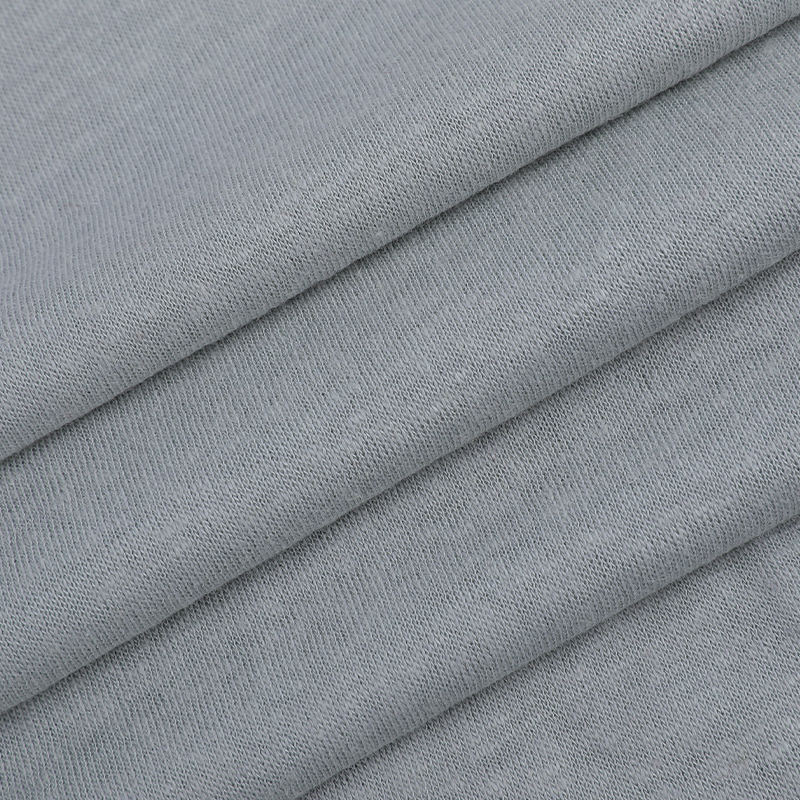
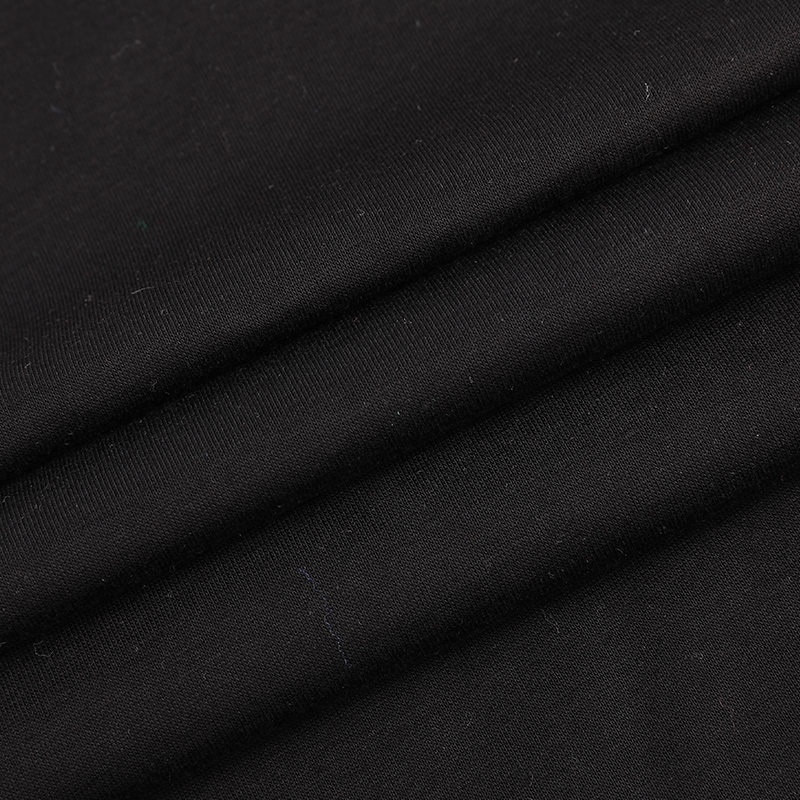
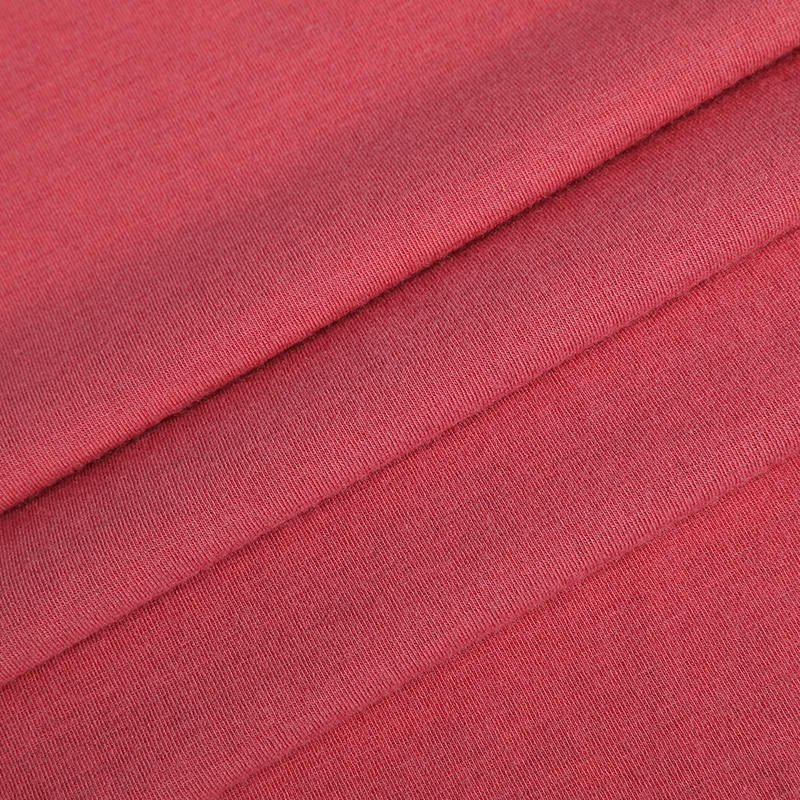
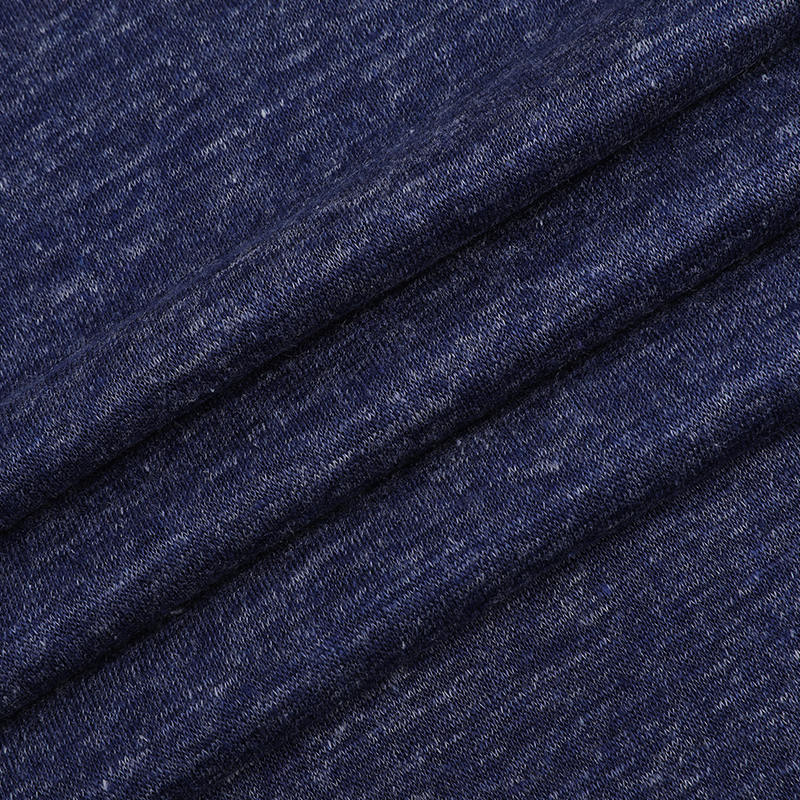
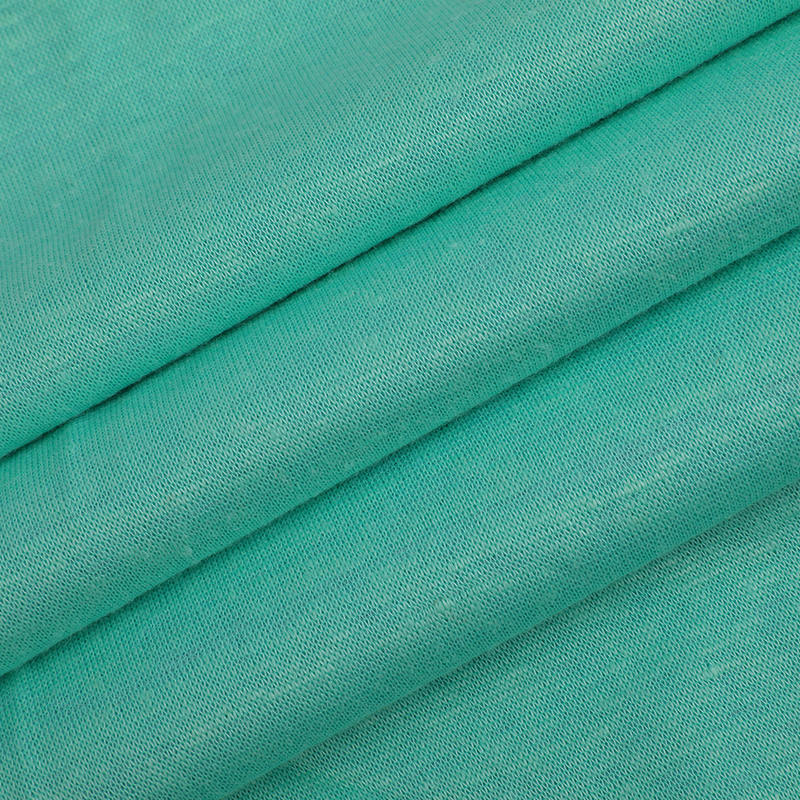
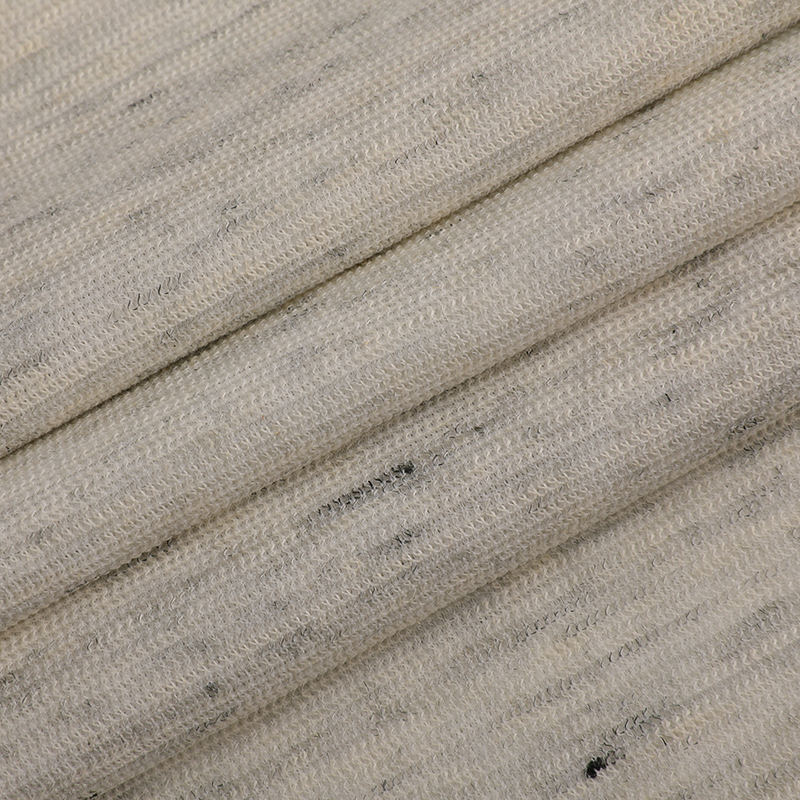
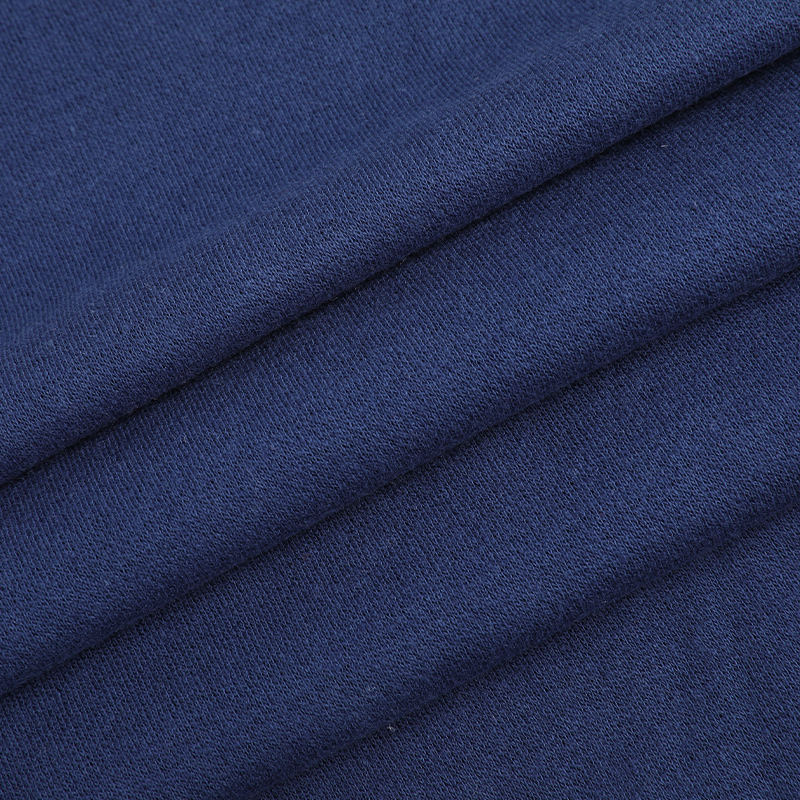
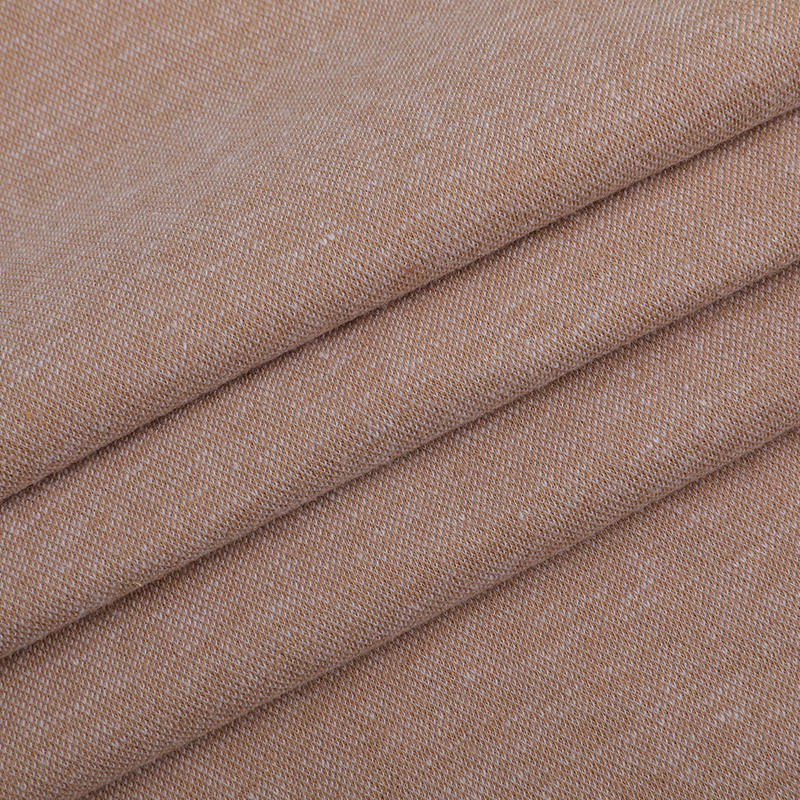
Contact Us for more details
Want to know more? Message Us Right Now!
Want to know more? Message Us Right Now!
In the field of knit textiles, understanding the physical construction of fabric is the starting point for all procurement and production decisions. As the two most common fabrics in Weft Knitting, Single Jersey Fabric and Interlock Fabric, while similar in appearance after dyeing or printing, are governed by their formation principles on the knitting machine, which dictate the performance of the finished garment. The essence of knitting lies in bending yarn into loops and interlocking them with needles.
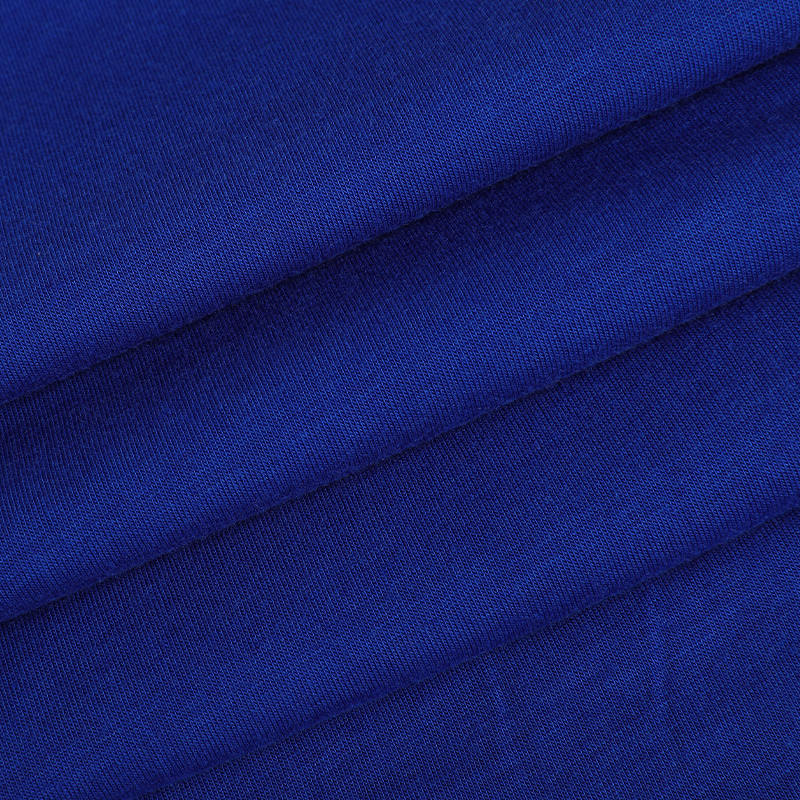
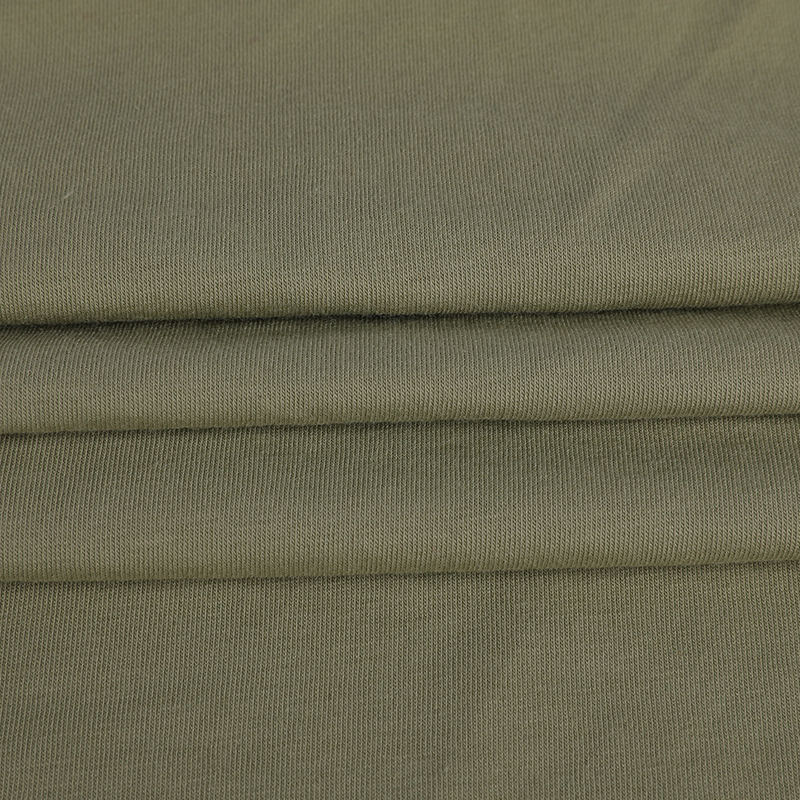
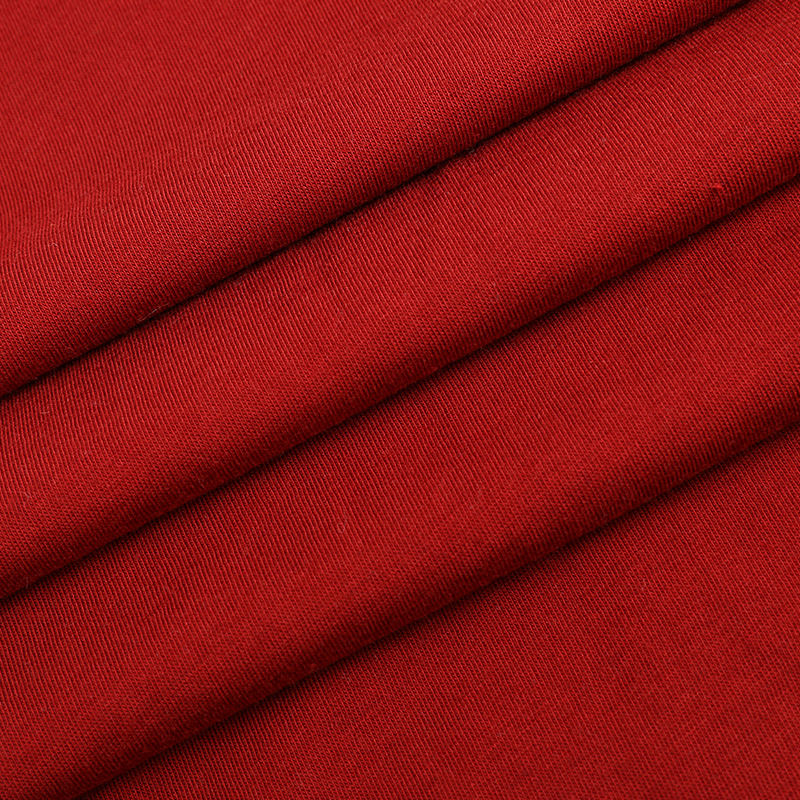
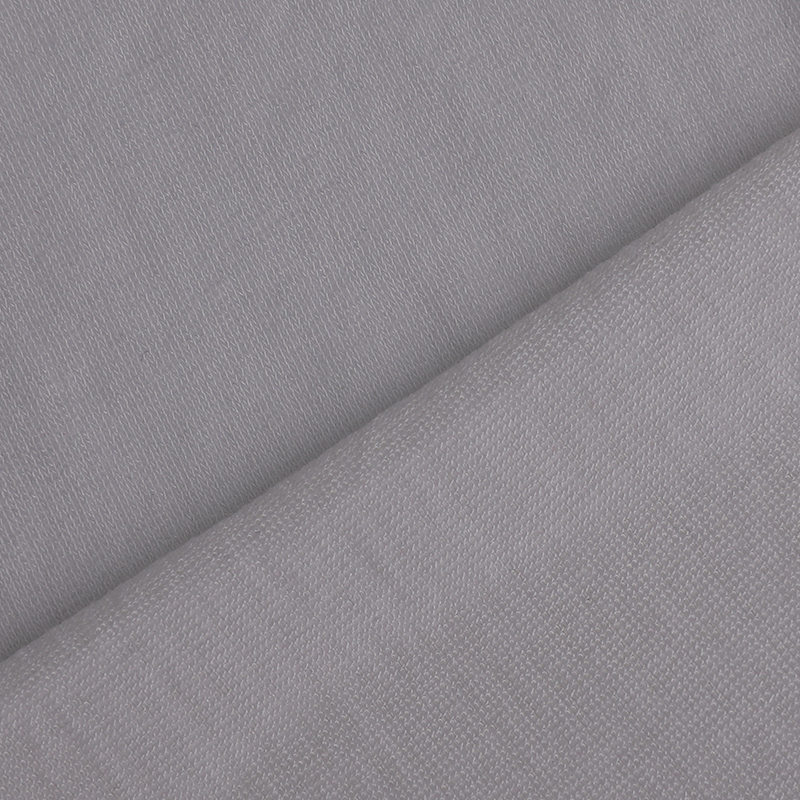
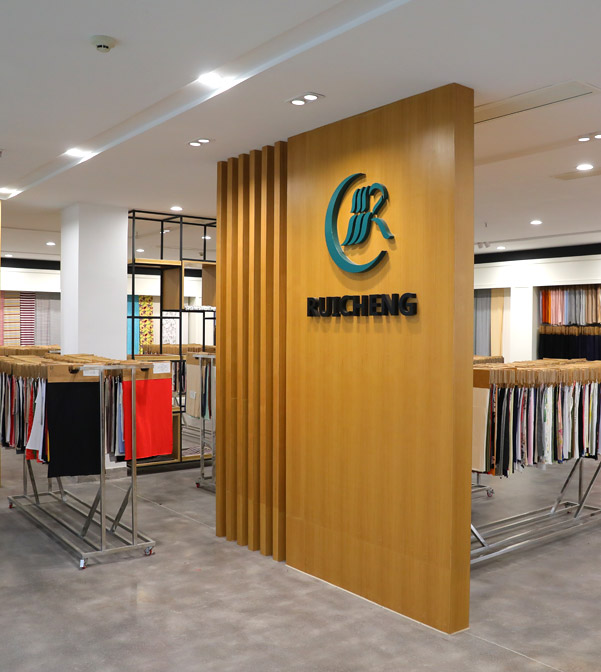
Single Jersey Fabric, commonly referred to as plain knit, is produced using a single set of needles. This structure presents distinct "face" and "back" sides; the face consists of clear V-shaped loops, while the back displays a horizontal wavy pattern. Tongxiang Ruicheng Knitting Co., Ltd., located in the Industrial Zone of Chongfu Town, Tongxiang City, has deep technical accumulation in this field. Benefiting from Chongfu Town's superior geographical location—adjacent to the major cities of Shanghai, Suzhou, and Hangzhou, and served by convenient transportation including the Beijing-Hangzhou Grand Canal—the company can rapidly source various raw materials. Currently, the factory is equipped with over 50 large circular knitting machines specifically configured to control the efficient production of single jersey, ensuring that the loop density of every yard of fabric meets stringent standards.
The knitting logic of Interlock Fabric is more complex. It utilizes two sets of needles working alternately on two needle beds (or needle cylinders). This "interlocking" structure makes both sides of the fabric look identical, presenting a smooth, vertical grain. Because Tongxiang Ruicheng Knitting Co., Ltd. possesses over a decade of professional production experience, the company can precisely calibrate circular machine parameters to produce interlock fabric with an extremely tight structure and superior anti-curling performance. This construction not only improves the fabric's drape but also provides a highly stable base for subsequent printing and dyeing processes.
Technical Parameter Comparison:
| Comparison Item | Single Jersey Fabric | Interlock Fabric |
| Knitting Principle | Single needle bed, single set of needles | Double needle bed, two sets of needles |
| Appearance | Significant difference between sides | Identical grain on both sides |
| Structural Stability | Prone to curling (unbalanced edge tension) | Anti-curling, stable edges |
| Density | Relatively loose, thin and breathable | High density, tight structure, thicker |
| Elasticity | Excellent horizontal stretch | Dimensionally stable, resists deformation |
In practical production processes, Tongxiang Ruicheng Knitting Co., Ltd. goes beyond basic fabrics and is committed to developing various high-performance variants. For example, by incorporating Spandex into standard Single Jersey Fabric, the recovery performance can be significantly improved. For Interlock Fabric, by adjusting fiber content (such as 100% cotton or polyester-cotton blends), the fabric can be adapted for applications ranging from business casual to high-end sportswear. It is precisely due to this deep insight into fabric construction that the company has increased its annual output value to over 200 million yuan, serving global customers. Whether you seek the ultimate lightweight jersey or high-loft interlock, understanding these fundamental structural differences is key to ensuring consistent garment quality.
The tactile feel of a fabric often determines a consumer's first impression of a garment, while physical properties directly relate to durability and wear life. When we deeply analyze Single Jersey Fabric and Interlock Fabric, the most significant difference lies in their "body feel" upon skin contact. Single Jersey Fabric is renowned for its natural lightness. Due to its single-layer loop structure, the fabric weight (GSM) is typically lower, granting it excellent breathability and drape. In summer, this fabric can quickly wick moisture away from the skin, making it the top choice for basic T-shirts and underwear. However, this structure also means that its recovery after heavy stretching is relatively weak. To overcome this challenge, Tongxiang Ruicheng Knitting Co., Ltd. uses precision circular machine calibration to strictly monitor yarn tension during production. For customers pursuing higher functionality, the company specifically offers Spandex-blended single jersey, which maintains a lightweight feel while significantly enhancing anti-deformation capabilities, ensuring garments retain their shape after frequent use.
In contrast, Interlock Fabric offers a distinctly different sensory experience. Due to its interlocking physical structure, the fabric weight is generally much higher than jersey of the same yarn count, providing a more solid, full, and "fleshy" hand feel. This fabric not only provides better coverage and stiffness when worn, but its geometric stability after stretching is far superior to jersey due to the locking effect of the loop structure. For high-end casual wear or spring/autumn sweatshirts that require a consistently flat appearance, Interlock Fabric is impeccable. At the workshop of Tongxiang Ruicheng Knitting Co., Ltd., the technical team often combines this fabric with 100% cotton or high-quality polyester-cotton blended yarns, utilizing the high-speed operation of circular machines to create fabric with a smooth, delicate surface and excellent anti-pilling performance.
Physical Property Parameter Comparison:
| Physical Parameter | Single Jersey Fabric | Interlock Fabric |
| Tactile Feel | Light, soft, silky | Solid, thick, crisp |
| Breathability | Excellent (rapid airflow) | Medium (denser structure, better warmth) |
| Anti-deformation | Low (prone to permanent stretching) | High (interlock structure limits loop movement) |
| Drape | Falls with gravity, high curvature | Supportive, strong silhouette |
| Weight Range | 120-180 GSM | 200-300 GSM |
When selecting materials, one must combine expected garment functions. For example, when developing a business Polo shirt that balances comfort with structure, the technicians at Tongxiang Ruicheng Knitting Co., Ltd. usually recommend high-spec Interlock fabric, as its flat surface finish perfectly accommodates complex embroidery or printing and resists curling. Conversely, for minimalist, lightweight home wear or basic outdoor series, optimized Single Jersey offers better cost-effectiveness. As a modern enterprise deeply rooted in the knitting industry for over ten years, the company ensures that every bolt of fabric delivered exhibits the expected performance through deep exploration of these physical properties.
In the supply chain of knitted fabrics, production costs are not only determined by the market price of raw materials (such as cotton, polyester-cotton, or various synthetics) but are also directly influenced by knitting efficiency and subsequent processing difficulty. For buyers, understanding the production logic of Single Jersey Fabric and Interlock Fabric at the factory level can effectively control budgets and product quality. Single Jersey Fabric, due to its single needle bed structure, offers high knitting speeds and output, typically providing a clear cost advantage in large-scale production. However, its greatest challenge is "processing difficulty." The physical structure of single jersey leads to highly unbalanced horizontal tension, causing edges to curl easily after leaving the machine. If not handled properly, this curling severely interferes with subsequent cutting and sewing, leading to line stagnation or decreased cutting precision. At the production base of Tongxiang Ruicheng Knitting Co., Ltd., to solve this issue, the technical team utilizes precise circular machine edge-handling processes combined with stenter setting technology to minimize curling to the greatest extent. This allows even lightweight jersey, which is difficult to process, to maintain high utilization rates and sewing flatness.
In contrast, the production cost of Interlock Fabric is slightly higher due to the complexity of the knitting process. It requires two sets of needles working alternately, meaning higher maintenance requirements for circular machines and stricter demands on yarn uniformity and strength. However, this investment translates into huge advantages in later production: due to its double-sided structure, it is naturally anti-curling, leading to extremely high spreading efficiency on cutting tables and flat edges, which significantly reduces rework rates in garment factories. Tongxiang Ruicheng Knitting Co., Ltd. currently possesses over 50 advanced large-scale circular knitting machines. With profound production experience, the company can flexibly match production line parameters according to different customer budget requirements. For large-scale, high-requirement orders, the company reduces unit processing waste for Interlock fabric through optimized scheduling plans.
Production and Processing Characteristic Comparison:
| Production Dimension | Single Jersey Fabric | Interlock Fabric |
| Knitting Efficiency | High (single bed, fast speed) | Medium (double bed, higher machine load) |
| Spreading/Cutting Difficulty | High (prone to curling, requires expertise) | Low (flat fabric, adapts to auto-cutting) |
| Dyeing Flatness | Medium (affected by surface grain) | High (extremely flat, fits precision print) |
| Yarn Consumption | Lower (looser structure) | Higher (double-layer, heavier GSM) |
| Sewing Requirements | Needs specific overlock to handle curl | Standard knitting sewing, versatile |
Throughout cooperation with the global market, Tongxiang Ruicheng Knitting Co., Ltd. consistently emphasizes that cost measurement should not just look at unit price, but at comprehensive processing efficiency. For example, while the unit material cost of Interlock is slightly higher, the reduction in waste and labor hours during the production of complex garments (such as panelled sportswear) often brings better overall benefits to downstream customers. It is through this control over the entire production process that the company has won broad trust in exporting to European, American, and Southeast Asian markets, achieving common growth with customers.
The fabric selection process is essentially a balancing act of comfort, durability, and expected visual effect. In the textile industry, although Single Jersey Fabric and Interlock Fabric differ in technical specifications, this very difference provides diverse choices for various garment categories. As the most demanded category in global trade, basic T-shirts and intimate apparel remain the main battlefield for Single Jersey Fabric. Due to its excellent breathability and lightweight features, this fabric allows the wearer to stay dry in hot weather without a sense of added weight. Tongxiang Ruicheng Knitting Co., Ltd., located in the Industrial Zone of Chongfu Town, performs exceptionally well in the supply of these products. Leveraging over a decade of circular knitting experience, the company adjusts the softness of these fabrics to the extreme, allowing them to perfectly fit the skin. Whether it's casual T-shirts common in the European and American markets or home vests in high demand in Southeast Asia, this plain knit fabric has become an industry standard due to its excellent cost-performance ratio and comfort.
When we look toward high-end sportswear and business casual clothing, the advantages of Interlock Fabric become even more apparent. Due to its excellent stiffness brought by the double-sided interlocking structure, it is the ideal choice for Polo shirts, sweatshirts, and high-quality sports leggings. This fabric can refine human body lines when worn and will not create the "clinging" sensation caused by being too thin like single jersey, thus providing a better silhouette. In recent product upgrades, Tongxiang Ruicheng Knitting Co., Ltd. has specifically strengthened the molding stability of such fabrics, allowing them to not only handle complex screen printing or computer embroidery but also maintain their original shape and grain after multiple washes, which is the core performance pursued by high-quality sports equipment.
Scene Application and Parameter Reference:
| Application Category | Preferred Fabric Type | Key Selection Reason | Recommended GSM |
| Summer Basic T-shirt | Single Jersey Fabric | Lightweight, breathable, max summer comfort | 130 - 160 GSM |
| High-end Business Polo | Interlock Fabric | Crisp, flat, anti-curl, premium look | 180 - 240 GSM |
| Spring Casual Sweatshirt | Interlock Fabric | Tight structure, provides warmth/support | 220 - 280 GSM |
| Infant Apparel | Single Jersey (Cotton) | Extremely skin-friendly, reduces friction | 120 - 150 GSM |
| High-Intensity Sportswear | Spandex Interlock | High recovery, maintains posture | 200 - 260 GSM |
Furthermore, when developing specific functional garments, combinations of materials often yield unexpected sparks. For example, the PPT fiber series and cotton-cashmere blend series recently developed by Tongxiang Ruicheng Knitting Co., Ltd. were created precisely to fill the market gap for new types of knitted fabrics. Whether customers require lightweight breathable summer products or crisp, durable spring/autumn gear, the company can provide targeted solutions from fabric development to the final product based on the structural characteristics of different fabrics, leveraging its over 50 large-scale circular knitting machines. This precise matching of application scenarios is an important foundation for the company's products to be sold globally and to achieve common prosperity with different types of manufacturing enterprises.
The quality of knitted fabrics depends not only on the production process but also on subsequent daily maintenance. Because Single Jersey Fabric and Interlock Fabric differ in structure, their responses to washing and storage environments are also quite different. Understanding these care details can significantly extend the wear life of garments and maintain the vitality of knitted fibers. For Single Jersey Fabric, the most common concern is shrinkage and twisting after washing. This structure, knitted by one set of needles, naturally possesses a certain looseness and is prone to deformation due to stretching during machine washing. As a professional manufacturer with over ten years of experience, Tongxiang Ruicheng Knitting Co., Ltd. always advises customers to consider shrinkage margins during the design phase and to mark "gentle cold wash" on garment care labels. Because the company is located in Tongxiang Chongfu Town, with its convenient transportation and deep industrial base, our technical team has minimized residual stress in the fabric by optimizing tension control during circular knitting. However, this still requires consumers to avoid long-term soaking in high temperatures or strong dehydration during washing to prevent fiber damage and texture shifting.
When handling Interlock Fabric, the care focus shifts to how to maintain its "fleshy" feel and flatness. Due to the high density of its double-sided interlocking structure, this type of fabric is prone to slight dimensional extension due to gravity when hung for a long time. Tongxiang Ruicheng Knitting Co., Ltd. utilizes advanced circular machine processes to ensure the tightness of the interlocking structure, but this does not mean it is invulnerable. In daily care, we recommend folding these high-quality fabrics rather than hanging them with clothes hangers for long periods. Additionally, because the Interlock surface is extremely flat, it is more prone to local snagging than single jersey; therefore, using a laundry bag during washing is a necessary means to protect the fabric grain.
Maintenance Parameter and Strategy Advice:
| Maintenance Item | Single Jersey Fabric | Interlock Fabric |
| Washing Method | Gentle machine wash or hand wash | Normal machine wash, use laundry bag |
| Water Temperature | Max 30°C, prevent shrinking | Max 40°C, high structural tolerance |
| Drying Method | Flat dry, no hanging or hard pulling | Hang or flat dry, low-temp tumble dry |
| Storage Method | Fold, avoid heavy compression | Fold, prevent stretching from hanging |
| Anti-Pilling | Avoid friction with rough fabrics | Good, but avoid sharp objects |
In the business practice of Tongxiang Ruicheng Knitting Co., Ltd., we know well that the performance stability of fabrics is the basis for maintaining customer relations. We not only focus on production parameters but are also committed to providing downstream customers with detailed garment care guidance. This full-chain service consciousness from production to end-use is the secret to the company's vitality in the competitive international textile market. Through rigorous fabric development and scientific care advice, we help every garment demonstrate the best tactile feel in the hands of consumers, ensuring that comfort can extend from the factory to every day of wear.
During the process of fabric procurement and clothing design, questions most frequently discussed by customers focus on how to identify quality with the naked eye and how to balance the characteristics of different materials. As industry practitioners, Tongxiang Ruicheng Knitting Co., Ltd. has summarized a wealth of frontline experience in long-term domestic and foreign trade, and we hope to provide references for your decisions. The simplest identification method is to observe the grain on the face and back of the fabric. The face of Single Jersey Fabric presents V-shaped loops, while the back presents a horizontal wavy pattern, and the edges are prone to curling toward the face. Interlock Fabric has identical grains on both sides, both presenting fine vertical lines, and due to its double-sided structure, the edges almost never curl. For Tongxiang Ruicheng Knitting Co., Ltd., which possesses over 50 large circular knitting machines, we also ensure that every bolt of fabric has clear texture and uniform density by adjusting needle plate configurations during production, facilitating quick sorting for customers during the cutting stage.
This is mainly determined by the internal stress balance of the fabric. Because plain knit fabric has only one needle bed working, the loops naturally contract toward the inner side of the back after leaving the machine, thus forming a curl. Although this brings some difficulty during processing, its lightness is incomparable to other structures. At Tongxiang Ruicheng Knitting Co., Ltd., we control this physical curling phenomenon to the lowest industry levels through advanced post-processing equipment and specific circular machine parameter tuning, thereby reducing losses in subsequent sewing for customers.
Both are suitable, but the presented effects differ. After mixing Spandex into Single Jersey Fabric, the fabric obtains excellent extensibility and recovery, making it very suitable for tight-fitting apparel; whereas Interlock Fabric with Spandex added exhibits tight and forceful recovery, commonly seen in sports leggings or high-end sports equipment that requires silhouette maintenance. Regarding various fiber contents, Tongxiang Ruicheng Knitting Co., Ltd. has rich development experience. Whether it is a blend based on 100% cotton or functional fabric dominated by polyester, we can ensure that elastic fibers and base fabrics are firmly combined through scientific ratios without issues of de-spandexing or loosening.
Procuring fabric is not just about selecting appearance, but matching production efficiency. You can refer to the key indicators in the table below.
Procurement Focus Indicators:
| Focus Parameter | Core Significance | Procurement Advice |
| Weight (GSM) | Determines thickness and drape | Precisely locate based on season |
| Width | Affects layout rate and utilization | Communicate based on cutting plan |
| Yarn Count | Affects hand feel and strength | Higher value equals finer fabric |
| Shrinkage | Determines garment dimensional stability | Pre-test for evaluation |
Although single jersey is lightweight, it can be endowed with winter attributes through special processes. For example, the "single-sided brushed fabric" or "single-sided fleece fabric" developed by Tongxiang Ruicheng Knitting Co., Ltd. in recent years significantly increases the air layer and thermal performance of the fabric by brushing the back of the jersey. For customers with special requirements, we can also perform composite processing with other fabrics. This flexibility is based on the company's deep integration of the knitting industrial chain over the past ten years. Through continuous docking with the global market, the company not only provides standard fabrics but is also committed to continuously developing new products with market competitiveness according to the innovative needs of customers.
ALL RIGHTS RESERVED:Tongxiang Ruicheng Knitting Co., Ltd.
 Custom Interlock Fabric Factory

 CONTACT US